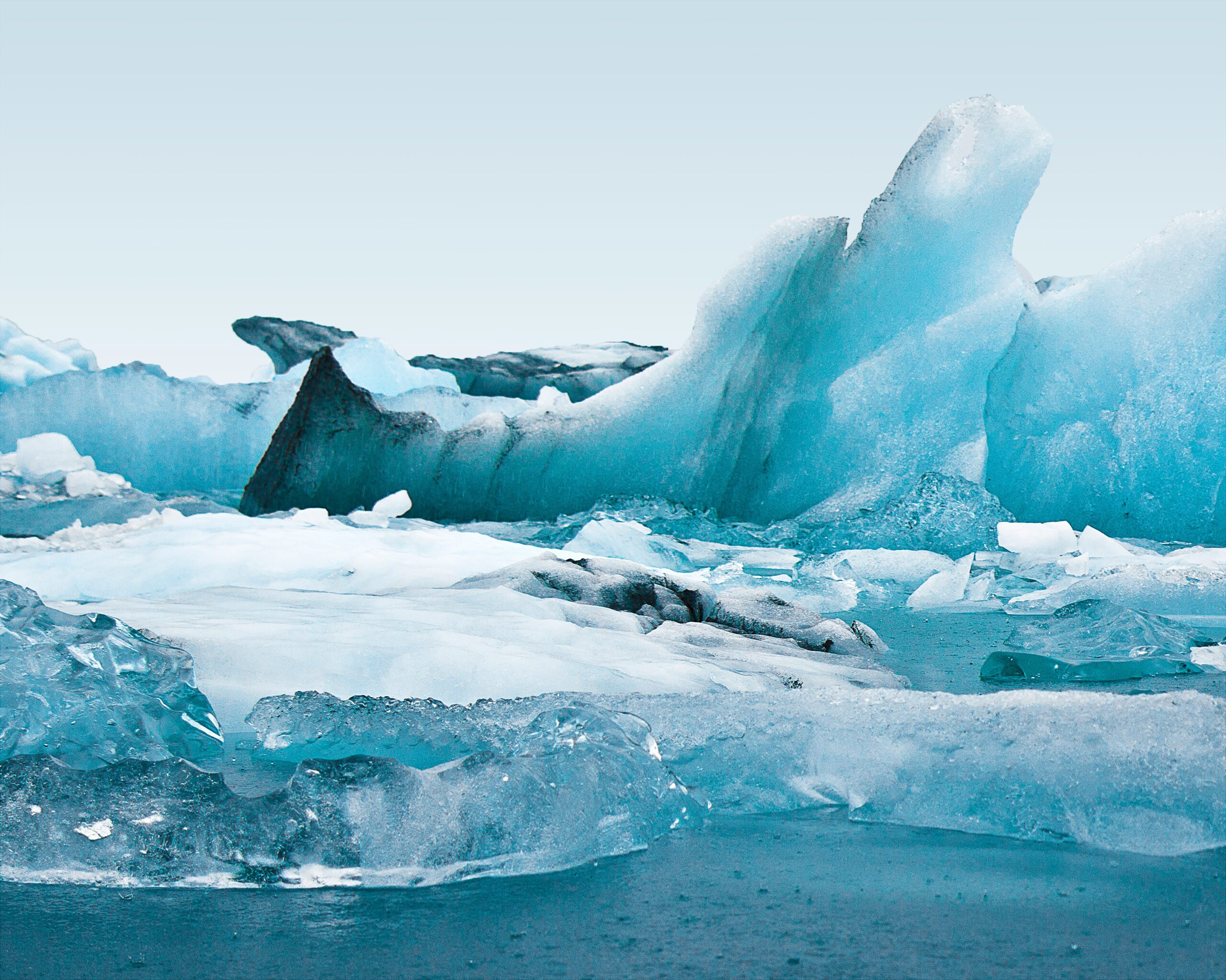
The biting wind whipped across the desolate tundra, carrying with it the ghosts of mammoths and the mournful cries of saber-toothed cats. This was a land sculpted by ice, a realm of colossal glaciers and frozen plains, the lost world of the Ice Age. For millennia, this frigid dominion ruled the Earth, a stark and formidable landscape that harbored life adapted to its extreme conditions. Today, remnants of this epoch lie buried and hidden, waiting to be unearthed by intrepid explorers and scientists who seek to piece together the puzzle of a lost world.
The Ice Age, a period spanning roughly 2.6 million to 11,700 years ago, was not a single, unending freeze. Instead, it was characterized by cycles of glacial advance and retreat, known as glacial and interglacial periods. During the peak of glaciation, vast ice sheets, miles thick in places, covered significant portions of the Earth’s landmass, particularly in the Northern Hemisphere. These colossal ice bodies were more than just frozen water; they were active geological forces, carving out valleys, shaping mountains, and dictating the very distribution of life.
The Glacial Giants: Shaping the Landscape
The immense weight of the ice sheets exerted unimaginable pressure on the underlying bedrock. As glaciers flowed, they acted like colossal bulldozers, grinding and scraping the land. This erosive power is responsible for many of the dramatic landscapes we see today, from the fiords of Norway to the Great Lakes of North America.
Carving the Fjords and Valleys
The classic U-shaped valleys that characterize mountainous regions are a direct consequence of glacial erosion. Before glaciation, rivers typically carved V-shaped valleys. However, the sheer power of a moving glacier would widen and deepen these existing valleys, transforming them into the distinctive U-shape. Similarly, fjords, those deep, elongated inlets of the sea, are drowned glacial valleys, inundated by rising sea levels after the ice retreated.
Sculpting the Mountains and Depositing Moraines
Glaciers also sculpted the peaks of mountains, leaving behind sharp arêtes and pyramidal horns. As ice flowed around obstacles, it plucked rocks and debris, which then acted as abrasive tools, further shaping the terrain. The material scraped and carried by glaciers, known as glacial till, was deposited in various forms when the ice melted. These deposits, called moraines, often form distinct ridges and hills, providing tangible evidence of past glacial extent. Terminal moraines mark the farthest reach of a glacier, while lateral moraines form along its sides.
The Frozen Oceans and Shifting Coastlines
The formation of vast ice sheets had a profound impact on global sea levels. Water that was locked up in glaciers was effectively removed from the oceans, leading to a dramatic drop in sea level.
Lowered Sea Levels and Exposed Land Bridges
During glacial maximums, sea levels could have been over 100 meters lower than they are today. This phenomenon exposed vast areas of the continental shelf, creating land bridges that connected continents and allowed for the migration of plants and animals, including early humans. The Bering Land Bridge, connecting Asia and North America, is perhaps the most famous example, playing a crucial role in the peopling of the Americas.
Paleoclimates Revealed in Ice Cores
Scientists can peer back into the climatic history of the Earth by drilling deep into ancient ice sheets. Ice cores act as time capsules, trapping atmospheric bubbles, dust particles, and other indicators of past environmental conditions. Analyzing the composition of these trapped gases, such as carbon dioxide and methane, provides invaluable data on past temperatures and atmospheric composition, allowing researchers to reconstruct past climate cycles and understand the dynamics of glacial periods.
The exploration of the lost world of the Ice Age not only captivates our imagination but also connects to contemporary scientific inquiries, such as those surrounding subglacial lakes in Antarctica. These hidden bodies of water, trapped beneath thick ice, hold secrets about past climates and ecosystems that can shed light on the conditions during the Ice Age. For a deeper understanding of this fascinating topic, you can read more in the article Uncovering the Secrets of Subglacial Lakes in Antarctica.
The Giants of the Ice: Mega-Fauna of a Bygone Era
The immense scale of the Ice Age landscape was matched by the colossal size of its inhabitants. The mega-fauna of this era were truly magnificent creatures, perfectly adapted to survive in the harsh, cold environments. Their remains, preserved in permafrost, caves, and ancient riverbeds, offer a tantalizing glimpse into a world dominated by giants.
The Mammoth Dynasty
Perhaps no animal is more synonymous with the Ice Age than the mammoth. These immense relatives of modern elephants roamed across vast swathes of the Northern Hemisphere, their powerful bodies covered in thick, woolly fur to ward off the bitter cold.
Woolly Mammoths: Icons of the Tundra
The woolly mammoth (Mammuthus primigenius) was the most widespread and iconic of the mammoth species. Standing over three meters tall at the shoulder and weighing several tons, these herbivores were a dominant force on the Ice Age landscape. Their long, curved tusks, often exceeding five meters in length, were used for defense, digging for food, and perhaps for display. The discovery of remarkably well-preserved woolly mammoth carcasses in Siberian permafrost has provided unparalleled insights into their anatomy, diet, and even their last moments.
Other Mammoth Relatives: Columbian and Steppe Mammoths
While the woolly mammoth is the most famous, other mammoth species also existed. The Columbian mammoth (Mammuthus columbi) roamed North America, a larger and more robust species, while the steppe mammoth (Mammuthus trogontherii) was a widespread ancestor to both woolly and Columbian mammoths. Each species had its unique adaptations to the environments they inhabited.
The Fearsome Hunters: Predators of the Pleistocene
The existence of large herbivores naturally supported a diverse range of formidable predators, equally adapted to the challenging conditions of the Ice Age. These carnivores played a vital role in maintaining the ecological balance of these ancient ecosystems.
Saber-Toothed Cats: Masters of the Ambush
The saber-toothed cat, most famously Smilodon fatalis, is an iconic predator of the Pleistocene. Their defining feature was their incredibly long, saber-like canine teeth, which could extend up to eleven inches. These teeth were likely used for swift, precise killing blows, inflicting deep wounds on large prey. Their powerful build and short tails suggest an ambush hunting strategy, waiting for unsuspecting prey to come within range.
Cave Lions and Dire Wolves: Pack Hunters and Solitary Stalkers
The cave lion (Panthera spelaea) was a large, powerful feline that inhabited Eurasia and North America. They were likely apex predators, competing with other carnivores for prey. In contrast, the dire wolf (Aenocyon dirus) was a formidable pack hunter, larger than modern wolves. Their powerful jaws and cooperative hunting tactics would have allowed them to take down even large prey, making them significant predators in the Pleistocene ecosystem.
Other Remarkable Ice Age Creatures
Beyond the giants, a menagerie of other fascinating creatures inhabited the Ice Age world.
Giant Ground Sloths and Glyptodonts: Armored Giants
In the Americas, giant ground sloths, such as Megatherium, were colossal herbivores that could reach the size of elephants. They possessed enormous claws, likely used for stripping leaves from trees. Alongside them roamed the glyptodonts, enormous, armored relatives of modern armadillos, resembling giant tortoises with spiky tails. Their bony plates provided excellent protection against predators.
Irish Elk and Reindeer: Grazers of the Tundra
The Irish elk (Megaloceros giganteus) is famous for its massive antlers, which could span over 12 feet and weigh up to 40 kilograms. These antlers were likely used in combat between males for mating rights. Reindeer, a more familiar species, also thrived during the Ice Age, their adaptations for cold weather and ability to survive on lichen making them a vital food source for both predators and humans.
Humans in the Frozen Frontier: Adapting to the Extremes

The Ice Age was not merely a world of ice and extinct mega-fauna; it was also a crucial period in human evolution and migration. Early humans, or hominins, faced immense challenges in surviving and thriving in these frigid landscapes. Their ingenuity, adaptability, and social structures were key to their success.
The First Explorers: Migrations and Settlements
The lower sea levels of the Ice Age facilitated human migration across continents. The Bering Land Bridge, as mentioned, was a critical pathway, allowing populations to move from Asia into the Americas. Evidence of early human presence is found in archeological sites scattered across the globe, revealing sophisticated tool use and survival strategies.
The Peopling of the Americas
The exact timing and routes of human migration into the Americas are still debated, but archeological evidence suggests that humans began entering the continent at least 15,000 to 20,000 years ago, and possibly earlier. These early settlers would have encountered a drastically different landscape, one teeming with mega-fauna, which they would have hunted for survival.
Early European Settlements and Cave Dwellers
In Europe, evidence of early human settlements, such as nomadic hunter-gatherer camps and cave dwellings, abounds. Sites like the Chauvet Cave in France, with its stunning prehistoric paintings, offer a window into the lives and beliefs of these ancient peoples. They learned to utilize animal hides for clothing, build shelters from bone and mammoth tusks, and master the control of fire for warmth and cooking.
Innovation in the Face of Adversity: Tools and Technology
Survival in the Ice Age demanded incredible innovation. Early humans developed specialized tools and techniques to exploit the resources available to them.
Stone Tools: The Cornerstones of Survival
The development of sophisticated stone tool technologies, such as hand axes, scrapers, and spear points, was paramount. These tools were used for a myriad of tasks, from butchering animals and preparing hides to carving wood and bone. The mastery of flintknapping allowed for the creation of sharp, durable implements that were essential for survival.
The Mastery of Fire and Shelter Construction
The ability to control fire was a revolutionary development, providing warmth, light, and protection from predators. It also allowed for the cooking of food, making it more digestible and unlocking essential nutrients. The construction of shelters, from simple windbreaks to more elaborate structures made of animal bones and hides, was crucial for surviving the extreme cold.
The Art of the Ice Age: Expressions of Culture and Belief
Beyond mere survival, Ice Age humans also developed rich cultural traditions, expressed through art and symbolic objects.
Cave Paintings: Windows into the Past
The magnificent cave paintings found in Europe, such as those at Lascaux and Chauvet, are some of the earliest known examples of human artistic expression. These vibrant depictions of animals, hunting scenes, and abstract symbols offer insights into the beliefs, rituals, and daily lives of these ancient people. The purpose of these paintings, whether for storytelling, shamanic practices, or artistic expression, remains a subject of fascination.
Portable Art and Ornaments
In addition to cave art, smaller portable objects, such as carved figurines (like the Venus figurines), beads, and tools decorated with intricate designs, have been found. These artifacts suggest a developed sense of aesthetics and a desire for personal adornment, hinting at social hierarchies and cultural practices.
The Great Dying: Extinction at the Dawn of a New Era

As the Ice Age drew to a close, approximately 11,700 years ago, a dramatic and widespread extinction event occurred, wiping out a significant portion of the Earth’s mega-fauna. The causes of this “Great Dying” are still a subject of scientific debate, with multiple factors likely playing a role.
The Shifting Climate: A World Transformed
The end of the Ice Age was marked by rapid climatic warming. As glaciers retreated and sea levels rose, ecosystems were dramatically altered, forcing species to adapt or perish.
Rapid Warming and Ecosystem Collapse
The transition from a glacial to an interglacial period was not gradual. Evidence suggests periods of rapid warming, which would have placed immense pressure on species adapted to cold climates. Habitats shrank and changed, food sources disappeared, and migratory routes were disrupted, leading to a cascade of extinctions.
Changes in Vegetation and Food Availability
The warming climate also brought about significant changes in vegetation. Grasslands that supported mammoth herds may have been replaced by forests, altering the availability of food for herbivores. This, in turn, would have impacted the carnivore populations that depended on them.
The Role of Humans: A New Predatory Pressure?
The increasing presence and technological advancements of humans are also considered a potential factor in the extinction of the mega-fauna.
Human Hunting and Overexploitation
As human populations grew and their hunting techniques became more sophisticated, they may have exerted unsustainable pressure on vulnerable mega-fauna populations. The concentration of large animals at watering holes or during seasonal migrations could have made them easy targets for organized human hunting parties.
The “Overkill Hypothesis”
The overkill hypothesis suggests that humans, migrating into new territories with easily accessible prey, were directly responsible for the extinction of many large Ice Age mammals. While direct evidence is scarce, the timing of human expansion and mega-faunal extinctions in various regions aligns, making it a plausible contributing factor.
The Interplay of Factors: A Complex Puzzle
Most scientists today believe that the extinction of the mega-fauna was not due to a single cause but rather a complex interplay of factors.
Co-evolution and Environmental Change
The mega-fauna had evolved over millennia to thrive in glacial conditions. The rapid climatic changes at the end of the Ice Age may have been too abrupt for them to adapt. Coupled with the new predatory pressure from humans, this created a perfect storm for extinction.
Small Populations and Limited Genetic Diversity
Many of these large animals may have already been living in relatively small, fragmented populations with limited genetic diversity, making them more susceptible to environmental changes and disease.
The fascinating exploration of the lost world of the Ice Age reveals not only the majestic creatures that roamed the Earth but also the intricate climate dynamics that shaped their existence. To delve deeper into how ancient civilizations managed their environments, you can read about the sophisticated techniques they employed for environmental regulation in a related article. This insightful piece sheds light on the mastery of ancient climate control, which played a crucial role in the survival of various species during that era. For more information, visit this article.
Unearthing the Lost World: The Science of Paleontology
| Metrics | Data |
|---|---|
| Time Period | 2.6 million years ago to 11,700 years ago |
| Temperature | On average 5-9 degrees Celsius colder than today |
| Ice Coverage | Ice sheets covered much of North America, Europe, and Asia |
| Sea Level | Lower than today due to the amount of water locked up in ice |
| Flora and Fauna | Mammoths, saber-toothed cats, woolly rhinoceros, and other Ice Age megafauna |
The study of the Ice Age and its inhabitants is the domain of paleontology and Quaternary science. Through meticulous excavation, scientific analysis, and innovative technologies, researchers are continuously shedding light on this fascinating period of Earth’s history.
Fossil Discovery and Excavation: The Foundation of Knowledge
The discovery of Ice Age fossils is often serendipitous but can also be the result of targeted exploration in promising geological formations.
Sites of Discovery: Permafrost, Caves, and Sediments
Permafrost regions, particularly in Siberia and North America, are treasure troves for exceptionally preserved Ice Age remains, including soft tissues. Caves, with their stable environments, have often preserved skeletal remains of both animals and early humans. Ancient riverbeds and lakebeds also yield valuable fossil evidence.
Ethical Excavation and Preservation
The excavation of Ice Age sites is a delicate process. Paleontologists must adhere to strict ethical guidelines to ensure the responsible recovery and preservation of valuable scientific data. Careful documentation of the context in which fossils are found is crucial for understanding their ecological and chronological significance.
Modern Techniques: Peering into the Past with Precision
Advances in scientific technology have revolutionized our understanding of the Ice Age.
Radiocarbon Dating and Other Chronological Methods
Radiocarbon dating, a method that measures the decay of the radioactive isotope carbon-14, is essential for determining the age of organic materials from the past 50,000 years. Other dating techniques, such as luminescence dating and paleomagnetic dating, are used for older specimens and geological contexts.
Stable Isotope Analysis: Unlocking Diet and Environment
Analyzing the ratios of stable isotopes (such as carbon and oxygen) in fossils can reveal crucial information about the diet and environment of extinct animals. For instance, the isotopic composition of tooth enamel can indicate whether an animal was primarily a grazer or a browser, and the isotopic signature of ice cores can reveal past temperatures.
Ancient DNA Analysis: Genetic Fingerprints of the Past
The extraction and analysis of ancient DNA (aDNA) from fossilized remains have opened up remarkable new avenues of research. aDNA can provide insights into the evolutionary relationships between species, their population dynamics, and even their migratory patterns, offering a genetic glimpse into the lives of Ice Age creatures.
Reconstruction and Modeling: Bringing the Past to Life
Paleontologists and paleoartists work together to reconstruct the appearance and behavior of extinct animals and their environments.
Paleontological Reconstruction
Skeletal reconstructions are based on the available fossil evidence, piecing together the bones to recreate the anatomy of the animal. This is often complemented by understanding the anatomy of related living species.
Paleoart and Scientific Visualization
Paleoartists use scientific data to create realistic depictions of extinct creatures and landscapes. These visualizations are not just artistic renderings; they are informed interpretations that help the public visualize and understand the lost world of the Ice Age, making scientific discoveries accessible and engaging.
The fascinating exploration of the lost world of the Ice Age reveals the incredible diversity of prehistoric life that once roamed the Earth. This era, marked by dramatic climate changes and the emergence of unique species, offers a glimpse into the past that continues to captivate researchers and enthusiasts alike. For those interested in understanding how historical events shape our present, an intriguing article discussing the escalating tensions in the Ukraine border conflict can provide valuable insights into the complexities of human behavior throughout history. You can read more about it in this related article.
The Enduring Legacy of the Ice Age
The Ice Age, though long past, continues to hold a profound fascination for humanity. It was a crucible that forged life in its most extreme forms, shaped the very face of our planet, and witnessed the nascent stages of human civilization.
Lessons from the Past: Climate Change and Adaptation
The study of Ice Age climate cycles offers invaluable lessons about the Earth’s climate system and the potential impacts of rapid warming. Understanding how past ecosystems responded to dramatic climatic shifts provides a crucial context for addressing contemporary climate change challenges and highlights the importance of adaptation.
The Power of Preservation: Protecting the Frozen Archives
The remarkable preservation of Ice Age remains in permafrost and other environments underscores the importance of protecting these unique natural archives. As global temperatures rise, the thawing of permafrost poses a threat to these invaluable scientific resources, making urgent conservation efforts essential.
A Continuing Frontier of Discovery
The exploration of the lost world of the Ice Age is far from over. New discoveries are made regularly, challenging existing theories and revealing further intricacies of this ancient epoch. Each unearthed fossil, each analyzed ice core, brings us closer to understanding the dynamic history of our planet and the incredible journey of life on Earth. The whispers from the frozen past continue to beckon, inviting future generations to delve deeper into the captivating mysteries of the Ice Age.

The Boulder That Shouldn’t Exist
FAQs
What was the Ice Age?
The Ice Age was a period of time in Earth’s history when the climate was much colder than it is today. It is characterized by the presence of large ice sheets and glaciers covering a significant portion of the Earth’s surface.
When did the Ice Age occur?
The Ice Age occurred during the Pleistocene epoch, which began about 2.6 million years ago and ended around 11,700 years ago. This period was marked by multiple glacial and interglacial cycles, during which ice sheets advanced and retreated.
What was the environment like during the Ice Age?
During the Ice Age, the environment was significantly colder and drier than it is today. Large ice sheets covered much of North America, Europe, and Asia, and glaciers extended into lower latitudes. This resulted in lower sea levels and changes to the landscape and ecosystems.
What animals lived during the Ice Age?
Many iconic Ice Age animals lived during this time, including woolly mammoths, saber-toothed cats, giant ground sloths, and woolly rhinoceroses. These animals were adapted to the cold, harsh environment and are often associated with the Ice Age in popular culture.
What evidence of the Ice Age can still be seen today?
Evidence of the Ice Age can still be seen today in the form of glacial landforms, such as moraines, drumlins, and eskers. Additionally, the distribution of certain plant and animal species, as well as the presence of permafrost in some regions, can be attributed to the lasting impact of the Ice Age.