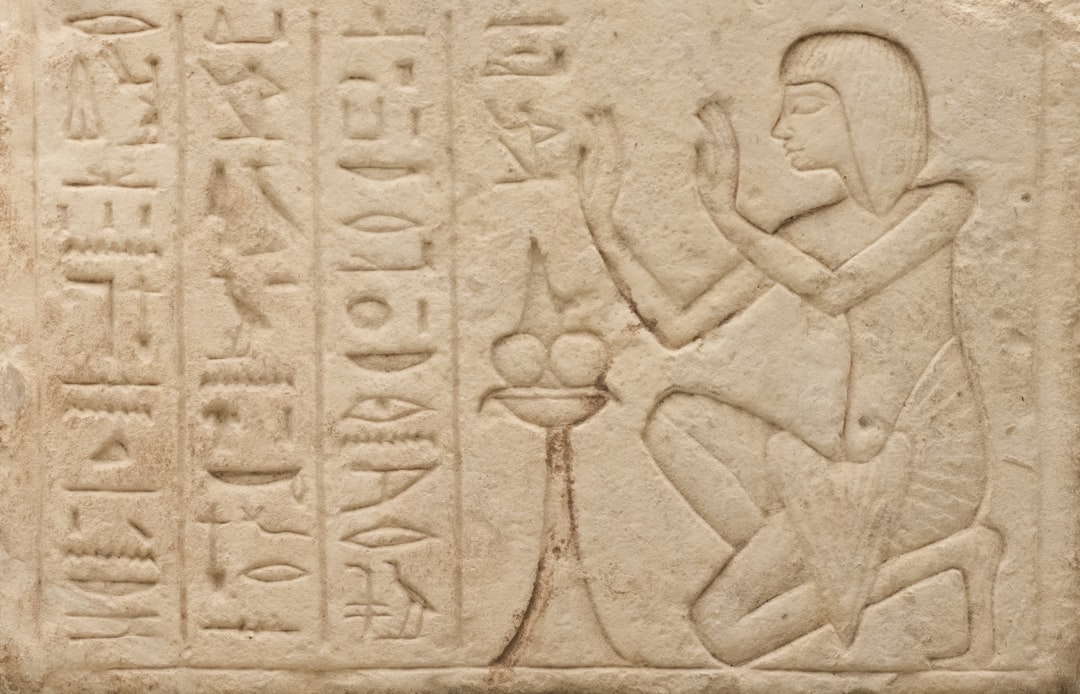
The rich history of ancient Egypt is inextricably linked to the remarkable properties of its natural stone. For millennia, granite, celebrated for its enduring strength and aesthetic appeal, served as a cornerstone of monumental architecture, intricate sculpture, and everyday tools. While the Pyramids of Giza and the obelisks of Karnak stand as silent testaments to the enduring power of this igneous rock, a deeper understanding of its material characteristics, particularly its hardness, offers a fascinating glimpse into the technologies and ingenuity of its ancient quarrymen and artisans. This exploration delves into the Mohs hardness of granite in Egypt, examining its geological origins, the significance of its hardness for ancient construction, the methods by which this hardness was overcome, and the enduring legacy of this robust material.
Egypt’s geological landscape is rich with occurrences of granite, a testament to its position along ancient tectonic boundaries and volcanic activity. The vast deserts and mountain ranges of Egypt have yielded numerous granite quarries, some of which were actively exploited for thousands of years by pharaonic civilization. Understanding the geological composition and formation of Egyptian granite is paramount to comprehending its inherent hardness.
Formation of Igneous Rocks: The Birth of Granite
Granite is an intrusive igneous rock, meaning it forms from magma that cools and solidifies beneath the Earth’s surface. This slow cooling process allows for the formation of large, interlocking crystals, which contribute significantly to granite’s overall strength and hardness. The magma that gave rise to Egyptian granites was typically rich in silica, feldspar, and mica, all minerals known for their resilience. The specific mineral composition dictates the subtle variations in color and texture, but the fundamental crystalline structure remains the primary driver of its hardness.
Mineral Assemblage: The Building Blocks of Hardness
The Mohs scale of mineral hardness is a relative measure that ranks minerals based on their ability to scratch one another. Granite, composed primarily of quartz, feldspar (orthoclase and plagioclase), and mica (biotite and muscovite), exhibits a respectable position on this scale.
Quartz: The Hardest Constituent
Quartz (SiO2) is a dominant mineral in most granites and is a key factor in its hardness. On the Mohs scale, quartz ranks a 7. Its crystalline structure, with strong silicon-oxygen bonds, makes it highly resistant to scratching and abrasion. The presence of a significant percentage of quartz in Egyptian granites explains their inherent toughness. Fine-grained quartz crystals can be particularly effective at resisting wear.
Feldspar: Strength and Stability
Feldspars, a group of aluminosilicate minerals, constitute another significant portion of granite. Orthoclase feldspar (KAlSi3O8) and plagioclase feldspars (a solid solution series between albite, NaAlSi3O8, and anorthite, CaAl2Si2O8) typically range from 6 to 6.5 on the Mohs scale. These minerals are crucial for the structural integrity of granite, providing both hardness and stability. Their interlocking nature further contributes to the rock’s overall resistance to deformation.
Mica: The Softer Counterpoint
Mica, typically biotite (a dark silicate mineral) or muscovite (a lighter silicate mineral), is generally softer, ranking between 2.5 and 4 on the Mohs scale. While present in granite, its influence on the rock’s overall hardness is mitigated by the dominant presence of quartz and feldspar. Mica can sometimes manifest as flaky inclusions within the granite, and in some instances, larger mica flakes can be more susceptible to weathering.
Significant Granite Quarries in Ancient Egypt
Ancient Egypt utilized several prominent granite quarries to source the material for its monumental constructions. The most famous of these are located in Aswan, in Upper Egypt.
Syene Granite (Aswan Granite)
The granite quarried at Syene (modern Aswan) is renowned for its distinctive pink to reddish hue, though lighter gray varieties are also found. This granite is a coarse-grained biotite-hornblende granite, characterized by large, interlocking crystals of feldspar and quartz, along with accessory minerals. Its hardness, largely dictated by the quartz and feldspar content, made it ideal for enduring structures and monumental carvings. The vast unfinished obelisk lying in its quarry at Aswan provides invaluable insight into the quarrying techniques employed.
Other Granite Sources
While Aswan was the primary hub for high-quality granite, other smaller quarries likely existed throughout Egypt, catering to local needs and specific projects. The precise geological makeup of these lesser-known quarries would have varied, influencing their mineral composition and, consequently, their hardness.
Granite, a common igneous rock found in Egypt, is known for its impressive Mohs hardness, which makes it a durable material for construction and sculpture. The hardness of granite, typically rated between 6 and 7 on the Mohs scale, contributes to its longevity and resistance to weathering. For those interested in the historical significance of granite and other materials in ancient civilizations, a related article can provide fascinating insights into the clues of pre-flood civilizations and their use of various resources. You can read more about this intriguing topic in the article found here: Unearthing Pre-Flood Civilization Clues.
The Significance of Granite’s Hardness in Ancient Egyptian Construction
The inherent hardness of granite was a double-edged sword for ancient Egyptian civilization. It was precisely this property that made it the material of choice for enduring monuments and sacred objects, yet it also presented immense challenges to its extraction and shaping.
Enduring Monuments and Divine Representation
The pharaohs sought to create structures that would last for eternity, reflecting their divine status and ensuring their legacy. Granite’s hardness provided the necessary resilience against erosion, weathering, and the passage of time. Obelisks, colossal statues, sarcophagi, and even the inner chambers of pyramids were frequently constructed from granite, imbued with a sense of permanence and grandeur. The durability of granite ensured that these religious and political symbols would remain as testaments to Egypt’s power for millennia to come.
Practical Applications: Tools and Utensils
Beyond monumental architecture, the hardness of granite made it a valuable material for practical purposes. Grindstones, pestles, and mortars, essential for processing grains and other foodstuffs, were often crafted from granite. These tools, subjected to constant friction, benefited immensely from the rock’s resistance to wear and abrasion. The precise control required for finely crafted stone vessels and cosmetic palettes also leveraged the durability that granite offered.
The Challenge of Extraction and Shaping
The very attribute that made granite so valuable – its hardness – also posed a significant obstacle to the ancient Egyptians. Unlike softer stones like limestone, granite could not be easily cut or carved with simple tools. The Mohs hardness of granite, generally ranging from 6 to 7, meant that tools made from softer materials would be quickly worn down and rendered ineffective. This necessitated the development of specialized techniques and materials for working this robust stone.
Overcoming Hardness: Ancient Quarrying and Carving Techniques
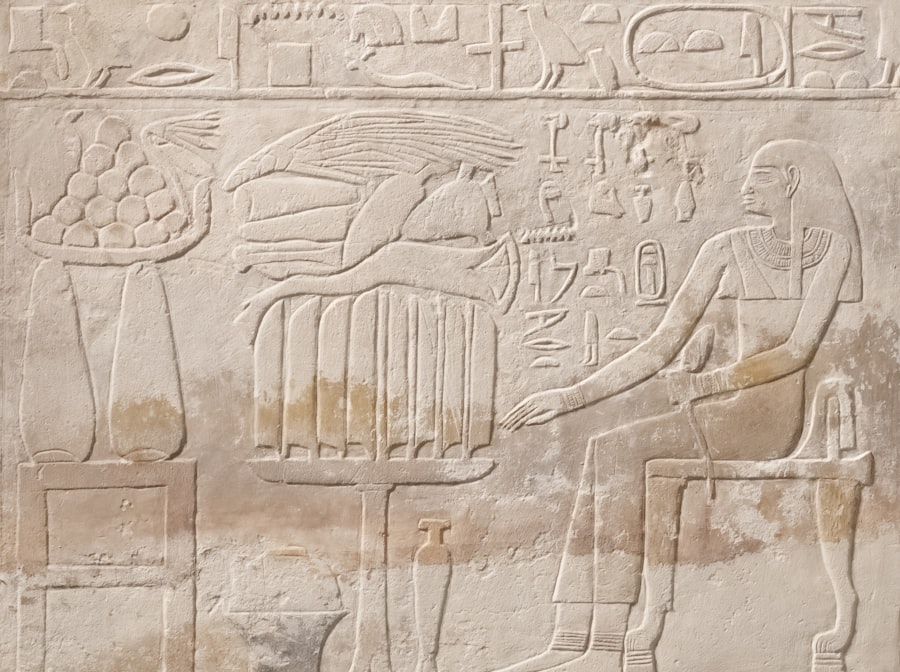
The ability of ancient Egyptians to quarry and shape granite on such a massive scale testifies to their remarkable engineering skills and their persistent innovation in the face of material challenges. Their techniques were not based on brute force alone but on a sophisticated understanding of material properties and the strategic application of friction and abrasion.
Quarrying the Unyielding Stone
The extraction of granite from its natural beds was a monumental undertaking, relying on a combination of clever tools and an intimate understanding of the rock’s internal stresses.
Wedging and Splitting
One of the primary methods employed involved driving wooden wedges into natural fissures or intentionally created slots within the granite. The Egyptians would likely soak these wooden wedges with water. As the wood absorbed moisture, it would expand with considerable force, slowly but effectively splitting the rock. Over time, repeated wedging along a desired line would result in the separation of large blocks.
Percussion and Pecking
For freeing blocks from the bedrock, particularly at the base of an intended cut, percussive techniques were vital. Highly skilled masons would have used harder stone pounders and hammers, likely made from dolerite (a very hard igneous rock with a Mohs hardness of around 6.5-7), to repeatedly strike the granite. This process of pecking and pounding would gradually wear away the stone, creating channels and eventually freeing the block. This was a time-consuming and labor-intensive process, requiring immense patience and precision.
The Role of Abrasives
Crucially, the Egyptians understood that pure percussion was not always sufficient. They likely utilized abrasive materials in conjunction with their tools. Sand, which is primarily composed of quartz (Mohs 7), would have been crucial in this context. By introducing sand into the gaps and grooves where they were working, and then using their tools to move this abrasive sand against the granite, they could significantly enhance the rate of material removal. This effectively turned their tools into sophisticated grinding instruments.
Precision Carving and Finishing
Once quarried, the massive granite blocks needed to be shaped and sculpted with a level of precision that is astonishing given the materials available.
Chiseling and Gouging with Harder Materials
While bronze and copper tools were common in ancient Egypt, they would have been wholly ineffective against granite. The Egyptians therefore relied on tools crafted from much harder materials. Dolerite pounders and hammers, as mentioned earlier, would have continued to be used for initial shaping. For more detailed work, they would have employed chisels and gouges made from harder stones, possibly obsidian (Mohs 5-5.5, but its conchoidal fracture produces extremely sharp edges) or even hardened copper alloys, though the latter’s effectiveness against granite is debatable for significant abrasion.
The Power of Abrasive Powders and Slurries
The true mastery lay in their sophisticated use of abrasives. By combining water with sand or other finely ground abrasive particles (like quartz sand or even powdered emery), they created slurries. These slurries, when worked back and forth with their tools or even by hand, acted as incredibly effective grinding agents. This process would have been used for smoothing surfaces, creating intricate carvings, and achieving fine details. The Egyptians likely had different grades of abrasive powders for different stages of finishing, from rough shaping to a polished sheen.
Grinding and Polishing Surfaces
Achieving the characteristic smooth and often polished surfaces of Egyptian granite artifacts required extensive grinding and polishing. This would have involved progressively finer abrasive materials, possibly using leather or wooden tools to apply them. The unpolished faces of the unfinished obelisk in Aswan offer a stark contrast to the finely worked surfaces found on finished statues and sarcophagi.
Mohs Hardness in Modern Analysis of Egyptian Granite
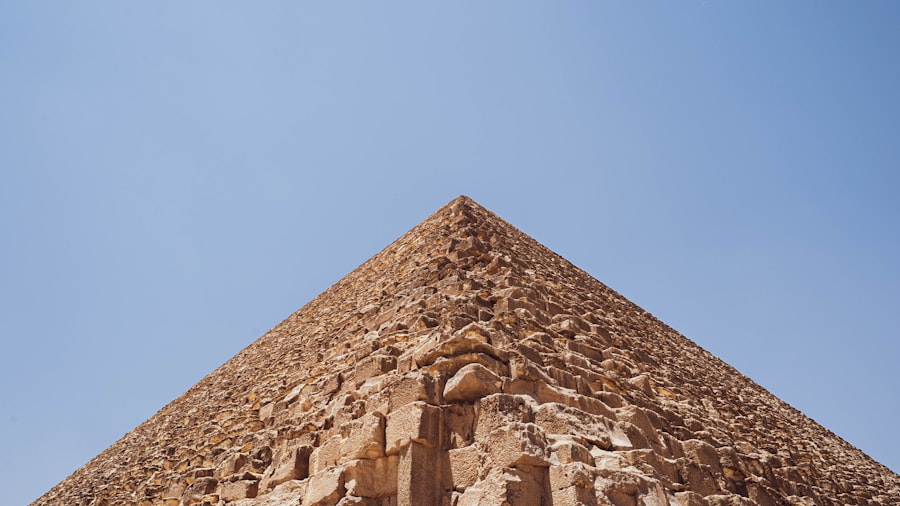
While the ancient Egyptians did not have the Mohs scale, modern scientific analysis can quantify the hardness of the granite they used, providing a valuable objective measure to complement our understanding of their craftsmanship.
Scientific Measurement of Hardness
Modern geologists and materials scientists employ various methods to measure the hardness of minerals and rocks. While the Mohs scale remains a fundamental concept for relative hardness, more precise techniques exist.
Microhardness Testing
Techniques like Vickers hardness testing or Knoop hardness testing can be used to measure the indentation resistance of individual mineral grains within the granite. These tests provide a quantitative measure of hardness that can be correlated with the Mohs scale. By analyzing the hardness of the dominant minerals – quartz and feldspar – within a granite sample, scientists can accurately predict its overall behavior and resistance to abrasion.
Spectroscopic Analysis and Mineral Identification
Advanced analytical techniques, such as X-ray diffraction (XRD) and energy-dispersive X-ray spectroscopy (EDS), can precisely identify the mineral composition of granite samples. This detailed mineralogical information allows for a more accurate understanding of the rock’s hardness, as the proportion and nature of the quartz and feldspar grains play a critical role. Identifying the types of feldspar present, for example, can offer nuances to hardness estimations.
Comparative Analysis: Egyptian Granite vs. Modern Standards
By applying modern analytical techniques, researchers can compare the hardness of ancient Egyptian granites with granites sourced from other regions or with modern granite varieties used in construction.
The Robustness of Aswan Granite
Studies consistently confirm the high hardness of Egyptian granites, particularly those from Aswan. Their composition, rich in quartz and stable feldspars, places them firmly in the upper echelons of naturally occurring building materials in terms of scratch and abrasion resistance. This confirms why they were so well-suited for monumental construction and objects intended to last.
Variations in Hardness Within and Between Quarries
While generally hard, there can be subtle variations in the Mohs hardness of granite. Factors like grain size, the specific types of feldspar present, and the presence of any softer accessory minerals can influence the overall hardness of a particular granite sample. Modern analysis can pinpoint these variations, offering insights into the subtle differences in quarrying and material selection that may have occurred even within ancient Egypt.
Granite, known for its impressive durability and aesthetic appeal, has a Mohs hardness rating that makes it a popular choice for various applications, including monuments and countertops. In Egypt, granite has historical significance, often used in the construction of ancient temples and pyramids. For those interested in the fascinating interplay between geology and archaeology, a related article explores the intriguing story behind the excavation of a tomb that should have remained undisturbed. You can read more about this captivating subject in the article titled “The Curse of the Mummy’s Tomb” by following this link.
The Enduring Legacy: Granite’s Impact on Egyptian History and Culture
| Mineral | Mohs Hardness |
|---|---|
| Granite | 6-7 |
| Egypt | 6-7 |
The enduring nature of granite has ensured its profound and lasting impact on Egyptian history, culture, and its place in the global consciousness. Its hardness is not merely a scientific characteristic but a fundamental reason for its cultural significance.
Architectural Marvels That Defy Time
The pyramids, temples, and obelisks, many constructed from granite, continue to inspire awe and wonder. Their resilience, directly attributable to the hardness of the stone, has allowed them to withstand the ravages of time and climate, serving as tangible links to a distant past. The very permanence of these structures speaks volumes about the ancient Egyptians’ choice of material.
Artistic and Symbolic Importance
Beyond their structural integrity, granite artifacts held immense artistic and symbolic importance. The intricate hieroglyphs carved into granite sarcophagi, the majestic statues of pharaohs and deities, and the finely crafted vessels all demonstrate a profound respect for the material and the skill required to work it. The hardness of granite lent a gravitas and an aura of sacredness to these objects, elevating them beyond mere utility.
A Material for Eternity
The ancient Egyptians viewed their civilization as having a timeless quality, and their choice of granite as a primary building material perfectly embodied this aspiration. The material’s inherent durability mirrored their desire for eternal life and enduring legacy. The continued presence of these granite monuments in the Egyptian landscape serves as a powerful reminder of their enduring achievements and their deep connection with this remarkable natural resource.
In conclusion, the exploration of the Mohs hardness of granite in Egypt reveals a fascinating interplay between geological properties, ancient engineering ingenuity, and enduring cultural significance. The rock’s inherent toughness, primarily due to its quartz and feldspar content, was both its greatest asset for creating lasting monuments and its most significant challenge for the ancient quarrymen and artisans. Their mastery in overcoming this hardness, through meticulous techniques and the strategic use of abrasives, allowed them to transform this unyielding material into enduring testaments of their civilization, ensuring their legacy would indeed stand the test of time. The Mohs hardness of Egyptian granite, therefore, is not just a scientific fact; it is a cornerstone of its historical narrative.

Ancient Egypt’s Greatest Engineering Mystery
FAQs
What is Mohs hardness scale?
The Mohs hardness scale is a scale used to measure the hardness of minerals, with 1 being the softest and 10 being the hardest. It is based on the ability of one mineral to scratch another.
What is the Mohs hardness of granite?
Granite typically has a Mohs hardness of 6-7, making it a relatively hard and durable material. This makes it suitable for a wide range of applications, including countertops, flooring, and outdoor landscaping.
Where is granite found in Egypt?
Granite is found in various locations in Egypt, including the Aswan region in the southern part of the country. The famous ancient Egyptian obelisks and statues were often carved from granite quarried in this region.
What are the uses of granite in Egypt?
In ancient Egypt, granite was used for a variety of purposes, including the construction of temples, statues, and sarcophagi. Today, granite is still used in Egypt for construction, monuments, and decorative purposes.
How does the hardness of granite impact its use in Egypt?
The hardness of granite makes it a desirable material for use in Egypt, as it is able to withstand the harsh desert climate and the test of time. Its durability and resistance to scratching and abrasion make it suitable for enduring structures and monuments.