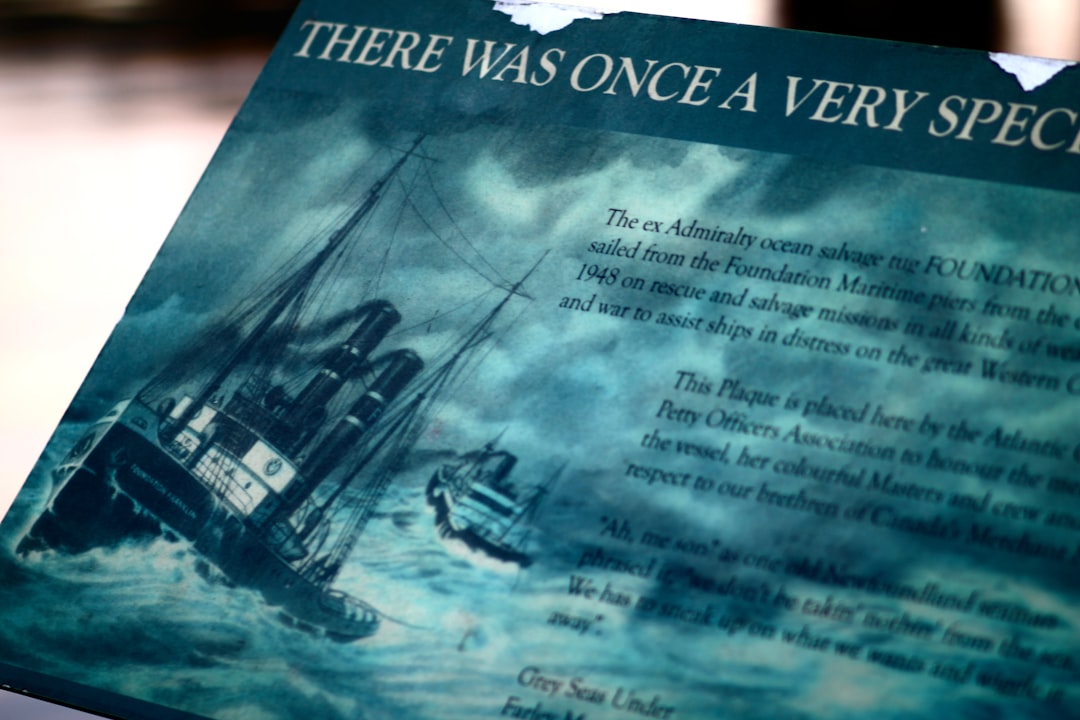
Beneath the waves, a silent testament to the ebb and flow of human endeavor lies waiting. The ocean, vast and enigmatic, has long served as both a conduit for trade and a tomb for those who dared to traverse its depths. Within its watery embrace rests a rich tapestry of history, far more extensive and profound than what is readily visible on land. From the ghostly galleons that met their watery end to the submerged remnants of once-thriving settlements, the ocean floor is a profound archive, holding clues to our collective past. Through the dedicated and meticulous work of underwater archaeology, humanity can now systematically unearth these submerged secrets, piecing together the grand narrative of our history and gaining an unparalleled glimpse into the lives, struggles, and triumphs of those who walked this Earth centuries before us.
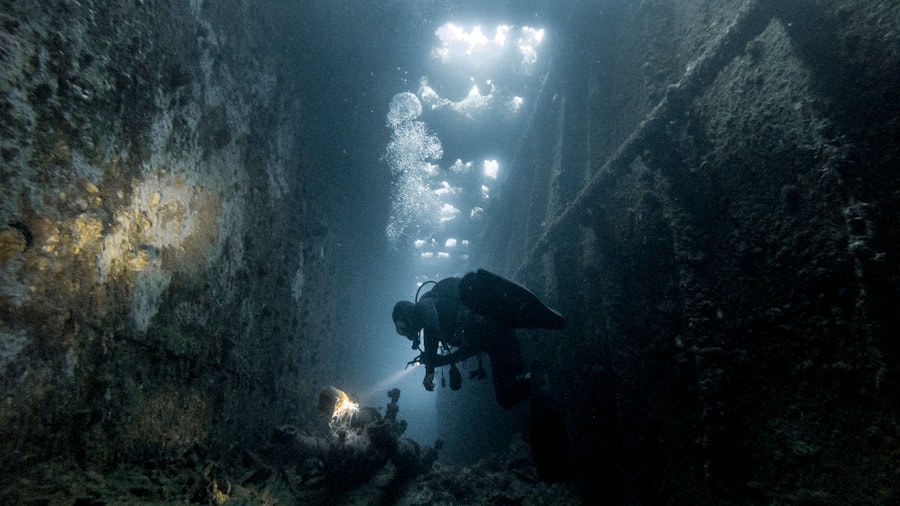
Shipwrecks are arguably the most common yet profoundly evocative underwater historical sites. They are, in essence, time capsules, frozen at the moment of their demise, preserving not just the vessel itself but also the cargo it carried and the lives it impacted. These submerged monuments offer archaeologists a unique opportunity to study maritime technology, trade routes, and the social and economic conditions of the eras in which they sailed.
Echoes of Commerce: Tracing Trade Routes and Economic Networks
The discovery of ancient shipwrecks allows for a tangible reconstruction of historical trade routes. The origin and destination of a vessel can often be inferred from the origin of its hull timbers, the stylistic elements of its construction, and, most importantly, the nature and provenance of its cargo. Artifacts recovered from these sites, such as amphorae filled with wine or olive oil, exotic spices, pottery, or valuable metals, speak volumes about the exchange of goods and ideas between distant cultures.
The Mediterranean’s Maritime Silk Road
The Mediterranean Sea, a cradle of civilization, is particularly rich with shipwrecks that illuminate its extensive maritime trade networks. From Phoenician trading vessels laden with Tyrian purple dye to Roman grain carriers essential for feeding the vast empire, these wrecks reveal the intricate web of commerce that bound the ancient world together. The distribution patterns of recovered artifacts, like Roman coins or specific types of pottery, allow archaeologists to map these routes with remarkable precision, demonstrating the scale and sophistication of ancient economic systems. For instance, the wreck of a Roman merchant ship found off the coast of Sicily might contain amphorae from Egypt and Spain, indicating its role in a multi-regional supply chain.
The Age of Exploration’s Sunken Treasures
The Age of Exploration, a period of unprecedented global maritime activity, has left behind a wealth of shipwrecks, from Spanish galleons laden with New World treasures to Portuguese carracks seeking passage to the East. These wrecks are not just about monetary value; they are vital records of the technological advancements in shipbuilding and navigation, the daring voyages of discovery, and the complex geopolitical rivalries of the time. Examining the cannons, navigational instruments, and even the personal effects of crew members offers a poignant connection to these adventurous, and often perilous, journeys.
Life and Death at Sea: Personal Artifacts and Human Remains
Beyond the purely economic, shipwrecks offer intimate glimpses into the lives of those who sailed them. The discovery of personal artifacts – a sailor’s comb, a captain’s logbook fragment, religious amulets, or even simple tools used for daily tasks – humanizes these long-lost individuals. These objects, often preserved by the sediment and the very conditions that led to the wreck, provide a stark reminder of the human element inherent in all maritime endeavors. In some cases, skeletal remains have been found, offering opportunities for physical anthropology and the study of diet, health, and even cause of death.
The Personal Stories of the Ordinary Sailor
While grand pronouncements and royal decrees are easily preserved in written records, the daily lives of ordinary sailors are often lost to time. Shipwrecks provide a rare opportunity to recover and study their belongings, revealing aspects of their culture, beliefs, and mundane routines. A well-preserved leather shoe, a carved wooden game, or a simple clay pipe can tell more about the lived experience of a common mariner than any official document.
The Tragic Final Moments
The circumstances surrounding a shipwreck can also be a subject of intense study. Forensic analysis of the wreck site, including the position of the hull, the debris field, and any recorded evidence of structural failure or enemy action, can help historians reconstruct the events leading to the disaster. The discovery of bodies in their original positions, or the arrangement of cargo indicating a struggle to survive, adds a somber but invaluable layer to our understanding of the human cost of maritime travel.
Preserving the Past: The Challenges and Triumphs of Underwater Archaeology
The challenges of underwater archaeology are immense. Working in an environment with limited visibility, immense pressure, and potential hazards requires specialized equipment, extensive training, and a dedication to meticulous record-keeping. However, the rewards are equally significant, offering a unique window into history that would otherwise remain forever out of reach.
The Technologically Advanced Toolkit
Modern underwater archaeologists employ a sophisticated array of technologies. From remotely operated vehicles (ROVs) equipped with high-definition cameras and robotic arms to sonar and magnetometers that can map the seabed and detect buried metallic objects, these tools allow for increasingly detailed and non-invasive exploration. Advanced diving techniques, such as saturation diving, enable archaeologists to spend extended periods working at significant depths, while underwater photogrammetry and 3D laser scanning create incredibly accurate digital models of sites.
The Art of Conservation
Once an artifact is brought to the surface, its preservation is paramount. Many materials that survive underwater, such as wood and metal, are highly susceptible to degradation in the open air. Specialized conservation processes are required to stabilize these objects, preventing further decay and ensuring their long-term survival for study and display. This often involves controlled environments, chemical treatments, and careful handling.
The exploration of underwater history reveals fascinating insights into ancient civilizations and their innovations. One remarkable example is the ancient Persian qanat system, which exemplifies sophisticated water management techniques developed thousands of years ago. For a deeper understanding of this engineering marvel and its significance in sustaining life in arid regions, you can read more about it in this article: The Ancient Persian Qanat System: A Water Management Marvel.
Lost Cities Beneath the Waves: Submerged Civilizations and Their Legacy
Beyond shipwrecks, the oceans hold the remnants of entire civilizations that have been swallowed by the sea. These submerged settlements offer a profound and often humbling perspective on the geological forces that shape our planet and the fragility of human endeavors against the power of nature. Unearthing these lost cities allows us to expand our understanding of ancient urbanism, societal structures, and the environmental pressures that may have led to their demise.
The Rise and Fall of Coastal Metropolises
Many of the world’s earliest civilizations flourished in coastal regions, relying on the sea for sustenance, trade, and transportation. As sea levels have risen and fallen over millennia, and as coastlines have experienced erosion and tectonic activity, some of these vibrant centers have been inundated, leaving behind ghostly underwater ruins.
The Mediterranean’s Submerged Shores
The Mediterranean, with its long history of human habitation and its dynamic geological landscape, is home to numerous submerged archaeological sites. From the ancient Egyptian port city of Thonis-Heracleion, lost for over a thousand years before its rediscovery off the coast of Alexandria, to the Roman city of Baiae in Italy, which has partially sunk due to volcanic activity, these sites offer invaluable insights into urban planning, architecture, and daily life in antiquity.
Thonis-Heracleion: A Gateway to Ancient Egypt
The discovery of Thonis-Heracleion has revolutionized our understanding of Egypt’s relationship with the Mediterranean world. This once-great port, a vital hub for trade and religious pilgrimage, was submerged by earthquakes and tidal waves. The vast array of artifacts recovered, including colossal statues, temples, and hieroglyphic inscriptions, paint a vivid picture of a bustling cosmopolitan city that played a crucial role in connecting Egypt with Greece and the wider Hellenistic world.
Baiae: Rome’s Sunken Pleasure Resort
The Roman city of Baiae, a luxurious resort town frequented by emperors and the wealthy elite, now lies mostly submerged. Its vibrant mosaics, bathhouses, and villas, preserved beneath the waves, offer a unique glimpse into the opulence and leisure activities of Roman high society. The underwater park at Baiae allows visitors to virtually explore these submerged ruins, offering an almost surreal experience of stepping back into Roman antiquity.
The Baltic’s Prehistoric Settlements
The Baltic Sea also conceals evidence of early human activity. As glacial ice retreated, sea levels changed, leading to the inundative of Mesolithic settlements. Sites like the one found near Danzig, with preserved wooden structures and artifacts, provide critical information about the lives of hunter-gatherer societies in Northern Europe thousands of years ago.
Reconstructing Daily Life: Artifacts from Submerged Homes and Public Spaces
The remnants of buildings, streets, and public spaces within these submerged cities provide a framework for understanding their organization. The artifacts found within these structures – pottery, tools, personal adornments, and evidence of food preparation – allow archaeologists to reconstruct the daily routines, social hierarchies, and cultural practices of these lost communities.
Domestic Life Revealed
The foundations of houses, often with preserved hearths or even furniture, speak to the domestic lives of the inhabitants. The types of cookware found, the remnants of food, and the presence of children’s toys offer intimate details about family structures and activities. For instance, finding a child’s simple wooden doll within a submerged Roman villa can offer a poignant connection across millennia.
Public Life and Religious Practices
The layout of streets, the presence of public baths, forums, or temples, and the discovery of religious artifacts provide insights into the civic and spiritual lives of submerged civilizations. The scale and grandeur of these structures can indicate the wealth and power of the society, while the iconography and votive offerings in religious sites reveal their beliefs and deities.
The Imprint of Geological Catastrophes: Understanding Environmental Change
The submersion of entire cities is often a dramatic testament to the power of geological forces and environmental change. Studying these sites can provide crucial data for understanding past sea-level fluctuations, seismic activity, and the long-term impact of environmental shifts on human settlements. This knowledge is increasingly vital in our current era of climate change.
Evidence of Catastrophic Events
The precise manner in which a city was submerged can offer clues about the nature of the catastrophic event. Rapid subsidence might indicate a major earthquake, while a gradual inundation could be linked to long-term sea-level rise or coastal erosion. The stratification of sediment layers can also reveal the timeline of these events.
Lessons for the Future
By studying the historical patterns of coastal inundation and the societal responses to such challenges, we can gain valuable insights into how contemporary coastal communities can better prepare for and adapt to future environmental changes, including rising sea levels and increased storm surges. The cautionary tales held within these submerged cities are more relevant than ever.
Ancient Artefacts of Human Ingenuity: Tools, Art, and Technology of the Deep
The underwater realm is a vast repository of human ingenuity, preserving artifacts that showcase the innovative spirit and technological advancements of our ancestors. From the earliest stone tools to sophisticated navigational instruments, these submerged treasures offer tangible evidence of humanity’s drive to explore, create, and understand the world around them.
The Dawn of Human Technology: Early Tools and Innovations
The earliest evidence of human presence often lies in the form of stone tools. While these are more commonly found on land, their preservation underwater in contexts like submerged Mesolithic sites can provide invaluable chronological data and insights into the adaptations made by early humans to coastal environments.
Flaked Stones and Bone Implements
The discovery of worked stone tools, such as hand axes or scrapers, and implements fashioned from bone or shell, within submerged archaeological contexts, allows for the dating of human migration and settlement patterns. These artifacts, often found in association with faunal remains, can illuminate the hunting and processing techniques employed by ancient populations.
The Craftsmanship of Necessity
Even simple tools reveal a remarkable understanding of materials and their properties. The way flint was flaked to create sharp edges, or how bone was shaped into needles or harpoons, demonstrates an innate human capacity for problem-solving and crafting tools that were essential for survival.
Maritime Technology: Navigating the Seas
The development of seafaring technologies is a cornerstone of human history, enabling exploration, trade, and cultural exchange. Shipwrecks and submerged harbors are prime locations for uncovering the evolution of maritime technology, from primitive rafts to sophisticated sailing vessels.
The Evolution of the Vessel
The discovery of various hull designs, from early logboats to complex skeletons of later ships, provides a chronological record of shipbuilding techniques. Examining the joints, planking, and structural elements reveals the increasing mastery of woodworking and engineering. The presence of different types of wood used in construction can even indicate the origin of the materials and the trade routes involved.
Instruments of Navigation and Survival
Beyond the vessel itself, underwater sites often yield navigational tools. These can include astrolabes, compasses, sounding weights, and even rudimentary charts. The presence of these artifacts speaks to the increasing scientific understanding and reliance on mathematics and astronomy for successful sea voyages. Survival gear, such as intact water casks or cooking equipment, also provides context to the realities of life at sea.
Artistic Expressions from the Depths: Art, Ritual, and Symbolism
The human drive for artistic expression is not confined to dry land. Underwater archaeology has uncovered a wealth of artistic and ritualistic artifacts that offer profound insights into the beliefs, values, and aesthetic sensibilities of past societies. These discoveries enrich our understanding of the symbolic worlds that ancient peoples inhabited.
Sculptures and Decorative Elements
From the colossal statues of Thonis-Heracleion to the intricate mosaics of Baiae, underwater sites have yielded remarkable examples of ancient art and sculpture. These pieces, often preserved as if untouched by time, showcase the artistic prowess of various cultures and can reveal information about their religious beliefs, mythology, and social structures.
Ritual Objects and Personal Adornments
The discovery of amulets, votive offerings, and jewelry from submerged sites offers a window into religious practices and personal adornment. These objects, often imbued with symbolic meaning, provide clues about the beliefs of individuals and communities regarding protection, prosperity, and the afterlife.
The Ocean as an Archive: Unlocking Earth’s Climate and Geological History
Beyond the direct remnants of human civilization, the ocean floor serves as a giant, multi-layered archive of Earth’s climate and geological history. Sediment cores, ancient coral reefs, and other geological formations laid down over millennia contain invaluable information about past environmental conditions, sea-level changes, and even extraterrestrial impacts. Underwater archaeology, in its broader sense, encompasses the study of these natural archives.
Sediment Cores: Reading the Layers of Time
The seafloor is a continuous depositional environment, where layers of sediment accumulate over vast stretches of time. By extracting long sediment cores, scientists can analyze the different layers, revealing a detailed history of oceanographic conditions, climate fluctuations, and the presence of past life forms, including pollen, plankton, and microfossils.
Past Climates Revealed in Microscopic Life
The tiny shells of planktonic organisms preserved within sediment layers act as natural thermometers and indicators of past ocean conditions. By analyzing the isotopic composition of these shells, scientists can reconstruct the temperature of ancient oceans and infer broader climatic trends on Earth. Variations in sediment composition can also indicate changes in rainfall, river runoff, and even dust storms from distant landmasses.
Evidence of Major Extinction Events
Sediment layers can also bear witness to catastrophic events, including asteroid impacts and massive volcanic eruptions that have shaped life on Earth. The presence of specific mineral layers or the sudden disappearance of certain species from the fossil record can pinpoint the timing and intensity of these planet-altering events.
Submerged Geological Formations: Reefs, Volcanoes, and Coastlines
Ancient coral reefs, now lying beneath the waves, provide a record of past sea levels and water conditions. Submerged volcanic formations offer insights into the geological activity that has shaped our planet over eons. Studying the erosion and deposition patterns on submerged coastlines can help us understand long-term coastal evolution and the impact of sea-level rise.
Coral Reefs as Paleoclimate Archives
Coral skeletons grow in distinct layers, much like tree rings, and their chemical composition is directly influenced by the surrounding seawater temperature and chemistry. Ancient, submerged reefs act as invaluable archives for understanding past ocean temperatures, salinity, and even the level of atmospheric carbon dioxide over thousands of years.
The Dynamics of Plate Tectonics
Submerged mountain ranges, rift valleys, and volcanic seamounts provide direct evidence of plate tectonic activity. Studying their formation, distribution, and interaction offers a tangible understanding of the immense forces that have shaped the Earth’s crust and continue to influence our planet’s geography.
Paleoshorelines and Sea-Level Fluctuations
The identification of ancient shorelines, now submerged, is crucial for understanding past sea-level changes. These features, often visible as underwater terraces or changes in sediment composition, provide a direct record of how sea levels have risen and fallen due to glacial cycles, tectonic uplift, or volcanic activity. This knowledge is vital for predicting future sea-level rise and its impact on coastal regions.
The Glacial Cycles’ Fingerprints
During periods of glaciation, vast amounts of water are locked up in ice sheets, leading to lower global sea levels. The discovery of submerged land bridges or ancient river valleys now underwater is direct evidence of these lower sea levels. Conversely, interglacial periods, when ice sheets melt, result in higher sea levels that inundate coastal areas.
Tectonic Influences on Coastal Landscapes
In addition to global sea-level changes, local tectonic movements can also cause coastlines to rise or fall. Evidence of submerged ports or ancient settlements located on what were once higher elevations can indicate periods of tectonic uplift, while the presence of sinking coastlines can suggest subsidence.
Exploring the depths of the ocean often reveals remnants of ancient civilizations that have long been forgotten. The history beneath the sea is a fascinating subject, as it holds clues to our past that are sometimes more accessible than those found on land. For those interested in the intersection of history and the mysteries of the deep, a compelling article discusses the deliberate erasure of ancient wisdom and how it shapes our understanding of the past. You can read more about this intriguing topic in the article here.
The Future of Underwater Exploration: Opportunities and Ethical Considerations
| Location | Shipwreck Name | Year | Depth |
|---|---|---|---|
| Atlantic Ocean | Titanic | 1912 | 12,500 feet |
| Caribbean Sea | HMS Victory | 1744 | 40 feet |
| Mediterranean Sea | Antikythera Wreck | 1st century BC | 150 feet |
The exploration of our underwater heritage is an ever-evolving field, driven by technological advancements and a growing appreciation for the importance of preserving our past. However, as we venture deeper and uncover more, we must also grapple with the ethical responsibilities that come with this exploration and ensure that our pursuit of knowledge respects the integrity of these fragile historical sites.
Advancements in Technology: Pushing the Boundaries
The future of underwater exploration promises even more remarkable discoveries. Miniaturization of submersible technology, artificial intelligence for site analysis, and advanced imaging techniques will allow for more detailed and less invasive investigations of the underwater world. Exploration will extend to ever-greater depths, potentially revealing previously unknown ecosystems and hitherto unimagined historical sites.
Autonomous Underwater Vehicles (AUVs) and Swarming Robotics
The development of sophisticated Autonomous Underwater Vehicles (AUVs) capable of independent operation and data collection will revolutionize exploration. Furthermore, swarms of smaller, coordinated robots could undertake complex mapping and surveying tasks with unprecedented efficiency.
Non-Invasive Survey Techniques
The focus will continue to shift towards non-invasive survey techniques. Ground-penetrating sonar, advanced magnetometry, and passive acoustic monitoring will allow for the detection and characterization of underwater sites without disturbing them, preserving their integrity for future study.
The Imperative of Preservation and Stewardship
As we uncover more of our underwater heritage, the imperative of preservation and responsible stewardship becomes paramount. Protecting these sites from looting, environmental damage, and unchecked development is crucial for ensuring that they remain accessible for future generations to learn from.
Combating Illicit Trafficking of Underwater Cultural Heritage
The illegal looting of shipwrecks and submerged archaeological sites is a significant threat. International cooperation and robust legal frameworks are essential to combat the illicit trafficking of underwater cultural heritage and to prosecute those who seek to profit from its destruction.
Sustainable Tourism and Education
Responsible underwater tourism, when carefully managed, can be a powerful tool for education and conservation. By allowing controlled access to certain sites and providing informative and engaging experiences, we can foster a greater public appreciation for underwater heritage and garner support for its preservation. Educational initiatives, working with schools and universities, will cultivate the next generation of underwater archaeologists and heritage stewards.
Ethical Debates and Cultural Significance
The recovery of artifacts, the interpretation of submerged cultural heritage, and the ownership of discoveries are all subjects of ongoing ethical debate. Striking a balance between scientific inquiry, cultural heritage rights, and public access is a complex but essential endeavor.
The Rights of Indigenous Peoples and Descendant Communities
When underwater

Could Humanity Remember a World That No Longer Exists?
FAQs
What is the history beneath the sea?
The history beneath the sea refers to the archaeological remains and artifacts found underwater, including shipwrecks, ancient cities, and other submerged structures that provide insights into past civilizations and cultures.
What are some examples of historical discoveries beneath the sea?
Some examples of historical discoveries beneath the sea include the remains of the Titanic, ancient shipwrecks in the Mediterranean, submerged cities like Dwarka in India, and sunken temples in Egypt.
How do archaeologists and researchers explore the history beneath the sea?
Archaeologists and researchers explore the history beneath the sea using techniques such as underwater excavation, remote sensing technologies, and diving expeditions. They also utilize specialized equipment like sonar, ROVs (remotely operated vehicles), and underwater cameras.
What can we learn from studying the history beneath the sea?
Studying the history beneath the sea can provide valuable insights into maritime trade, navigation, shipbuilding techniques, cultural exchange, and the impact of natural disasters on coastal communities. It also helps in understanding the evolution of human societies and their interactions with the marine environment.
Why is it important to preserve and protect underwater historical sites?
It is important to preserve and protect underwater historical sites to safeguard our shared cultural heritage, prevent looting and illegal salvage, and ensure that future generations can continue to learn from and appreciate these valuable historical resources. Additionally, preserving these sites helps in understanding the impact of climate change and rising sea levels on coastal and underwater heritage.