
The Enigma of the Nazca Lines: Reaching for the Ground
The vast, arid plains of the Nazca Desert in southern Peru hold one of the world’s most enduring archaeological mysteries: the Nazca Lines. These colossal geoglyphs, etched into the desert floor by the ancient Nazca culture between 500 BCE and 500 CE, depict an astonishing array of animals, plants, geometric shapes, and humanoid figures. For decades, these monumental artworks have been primarily appreciated from the sky, their true scale and detail only revealed when viewed from an elevated vantage point. However, a growing fascination with the Nazca Lines has extended beyond aerial observation, prompting a deeper exploration into the possibility and implications of experiencing these enigmatic figures from ground level. This shift in perspective raises crucial questions about accessibility, preservation, and the very nature of how we understand and interact with these ancient wonders.
The concept of “walking path proximity” to the Nazca Lines is not a new one, but it has gained traction as archaeological research continues to evolve and as visitor expectations shift. While the fragile nature of the geoglyphs has historically necessitated strict limitations on ground access, dedicated pathways and viewing platforms have been developed in specific areas to offer a more tangible connection to the artistry of the Nazca people. This article delves into the current realities of approaching the Nazca Lines on foot, examining the designated zones, the challenges involved, and the unique insights that this ground-level perspective can offer, moving beyond the purely aerial panorama.
The Nazca Lines, a series of ancient geoglyphs located in the Nazca Desert of Peru, have long fascinated researchers and tourists alike. Recently, a new walking path has been established to allow visitors to experience these incredible formations up close. For those interested in exploring the economic implications of tourism in regions with significant archaeological sites, a related article discusses the booming manufacturing sector in Tijuana, which highlights how local economies can thrive through increased visitor engagement. You can read more about this in the article found here: Tijuana’s Manufacturing Sector Booms.
Ground-Level Perspectives: The Reality of Access
The dream of walking directly among the Nazca Lines, tracing the ancient paths with one’s own feet, is a powerful allure for many visitors. However, the delicate ecosystem of the Nazca Pampa, where the majority of the geoglyphs are concentrated, demands careful management. The lines are formed by removing the reddish-brown, iron-oxide-coated pebbles from the surface, exposing the lighter soil beneath. This subtle alteration, while durable for millennia, is easily disrupted by human footprints. Therefore, direct, unguided access to the majority of the geoglyphs is strictly prohibited. Instead, controlled access points and designated viewing areas have been established to allow for a ground-level experience without compromising the integrity of these irreplaceable artifacts.
Designated Viewing Platforms
One of the most common ways to experience the Nazca Lines from a proximate ground-level perspective is through strategically placed viewing platforms. The most prominent of these is the Mirador de Nazca, a tall metal tower located along the Pan-American Highway. From its summit, visitors can gain a significantly closer view of several of the most famous figures, including the Hummingbird, the Lizard, and the Monkey. While not true “walking paths,” these platforms offer a sense of scale and detail that is often missed from even moderate altitudes. The ability to see the individual stones that form the lines, the subtle shifts in their arrangement, and the sheer artistry involved in their creation provides a tangible connection to the Nazca culture. These platforms are designed to concentrate visitor traffic, minimizing the risk of accidental damage to the surrounding desert floor. They represent a compromise, allowing for a more intimate encounter while adhering to conservation principles.
Guided Tours and Restricted Zones
Beyond the static viewing towers, certain areas of the Nazca Lines are accessible through guided tours that involve carefully managed walking paths. These tours are typically led by local guides who have been trained in the history and preservation of the geoglyphs. They are permitted to lead small groups along pre-defined routes, often marked by subtle barriers or designated stone outlines, ensuring that visitors remain within safe and controlled zones. These paths are meticulously chosen to offer views of specific geoglyphs without encroaching upon the undisturbed lines. The guides play a crucial role in educating visitors about the significance of each figure, the techniques used by the Nazca people, and the ongoing challenges of preservation. This immersive experience allows for a deeper understanding of the context and creation of the lines, going beyond the visual spectacle.
The Palpa Lines: A Different Ground-Level Experience
While often discussed in conjunction with the Nazca Lines, the Palpa Lines, located to the north, offer a somewhat different ground-level experience. These geoglyphs, created by the preceding Paracas culture, are generally smaller and less detailed than their Nazca counterparts. However, in certain areas around Palpa, it is possible to walk closer to some of these figures. The landscape around Palpa is also more varied, with some geoglyphs situated on hillsides, allowing for a more varied and less uniform ground-level viewing experience. While the conservation concerns are still present, the nature of the terrain and the scale of some of the Palpa geoglyphs have allowed for more direct, albeit still controlled, ground access in specific locations, offering a unique comparison to the Nazca experience.
Conservation Challenges: Preserving the Ancient Etchings
The very survival of the Nazca Lines hinges on their preservation. The arid environment of the desert has been their greatest ally, protecting them from erosion for centuries. However, human activity, both intentional and unintentional, poses a significant threat. The delicate balance of the ecosystem, coupled with the fragility of the geoglyphs themselves, necessitates stringent conservation efforts. Understanding these challenges is paramount to appreciating the limitations placed on ground-level access and the importance of responsible tourism.
The Fragility of the Desert Surface
The geoglyphs are formed by the removal of a thin layer of dark desert varnish, revealing the lighter soil beneath. This process, while creating a stark visual contrast, leaves the underlying soil exposed and vulnerable. Even the slightest pressure from a footstep can disturb this fragile surface, potentially erasing or altering the intricate lines. Over time, repeated foot traffic in unauthorized areas can lead to cumulative damage, obscuring the original designs and diminishing their historical and cultural value. The sand itself, constantly shifting in the desert winds, also plays a role, but human impact can exacerbate erosion and wear.
The Impact of Tourism
As the Nazca Lines have gained international recognition, tourism has become a vital economic driver for the region. However, increased visitor numbers, if not managed effectively, can put immense pressure on the delicate geoglyphs. The temptation to stray from designated paths, to touch or stand on the lines for a photograph, or to collect souvenirs can have devastating consequences. Efforts to educate tourists about the importance of preservation are ongoing, with information disseminated through tour operators, signage, and visitor centers. The balance between promoting tourism and protecting this invaluable heritage site is a constant challenge for Peruvian authorities and archaeological bodies.
Archaeological Interventions and Protection Measures
To combat the threats of natural erosion and human impact, various archaeological interventions and protection measures have been implemented. These include ongoing monitoring of the geoglyphs for signs of deterioration, as well as research into the best methods for stabilization and repair. In some critical areas, subtle fencing or markers are used to delineate restricted zones. The development of elevated viewing platforms and controlled walking paths are themselves conservation measures, designed to channel visitor flow and minimize direct contact with the lines. Archaeological research continues to uncover new geoglyphs and provide a deeper understanding of the Nazca culture, informing future conservation strategies.
The Nazca Culture: Creators of the Gigantic Art
The enduring mystery of the Nazca Lines is intrinsically linked to the enigmatic Nazca culture that created them. For centuries, scholars have debated their purpose, their creators’ motivations, and the sophisticated understanding of astronomy and engineering they must have possessed. While the lines themselves provide a visual record, the archaeological evidence offers glimpses into the daily lives, beliefs, and societal structures of this fascinating ancient civilization. Understanding the context of their creation sheds light on why such monumental works were undertaken.
Daily Life and Society
The Nazca culture flourished in a challenging desert environment, developing sophisticated irrigation systems and agricultural practices to sustain their population. Archaeological excavations have revealed evidence of their settlements, including intricate pottery, textiles, and tools, providing insights into their craftsmanship and artistry. They were skilled farmers, cultivating crops such as maize, beans, and gourds. Their society appears to have been organized into distinct villages, possibly with a degree of specialization in crafts and religious practices. The sheer scale of the Nazca Lines suggests a highly organized society with the ability to mobilize a significant workforce for communal projects.
Belief Systems and Rituals
The exact purpose of the Nazca Lines remains a subject of intense scholarly debate. Theories abound, ranging from astronomical calendars and agricultural markers to religious offerings and pathways for deities. The prevalent belief is that the lines served a significant ritualistic or ceremonial purpose. The figures often depict animals that held symbolic meaning in their cosmology, such as hummingbirds, monkeys, and spiders. Some researchers propose that the lines were walked upon during religious processions or ceremonies, perhaps in an attempt to communicate with the gods or to ensure agricultural fertility. The arid climate may have also played a role, with the Nazca people perhaps believing that their actions on the ground could influence celestial events or the weather.
Astronomical Knowledge and Engineering Prowess
The precision with which many of the Nazca Lines are executed, particularly the large-scale geometric figures and the alignment of certain lines with celestial events, suggests a sophisticated understanding of astronomy and geometry. Scholars have found evidence that some lines may have corresponded with the solstices, equinoxes, or the rising and setting of important stars and constellations. The ability to create such precise and massive designs across vast distances without modern surveying tools is a testament to their ingenuity. The sheer scale of the geoglyphs also implies a remarkable feat of engineering, requiring careful planning, execution, and likely, a shared understanding of measurements and spatial relationships within their society.
The Nazca Lines, a fascinating collection of geoglyphs etched into the Peruvian desert, have long intrigued researchers and tourists alike. Recently, a new walking path has been established to enhance visitor access to these ancient wonders, allowing for a closer look at the intricate designs. For those interested in the broader implications of historical sites on modern investments, a related article discusses the potential impact of dollar devaluation on assets like gold and real estate, which can be found here. This connection between history and contemporary financial strategies highlights the enduring significance of cultural heritage in today’s economy.
Insights Gained from Ground-Level Exploration
| Metric | Value | Unit | Notes |
|---|---|---|---|
| Average Distance from Walking Path to Lines | 50 | meters | Estimated average proximity for tourists on designated paths |
| Maximum Allowed Walking Distance | 100 | meters | Maximum distance tourists can approach the lines on foot |
| Length of Walking Path | 2.5 | kilometers | Length of the main walking trail near Nazca Lines |
| Number of Viewing Platforms | 3 | count | Designated spots for optimal viewing of the lines |
| Average Walking Time Along Path | 45 | minutes | Typical duration to complete the walking path |
| Elevation Change Along Path | 30 | meters | Total elevation gain/loss on the walking path |
While the aerial perspective offers the most comprehensive view of the Nazca Lines, exploring them from ground level, even within designated areas, provides a unique and invaluable dimension to their appreciation. This proximity allows for a more intimate connection with the ancient creators and a deeper understanding of the physical effort and artistic intent behind these monumental works. It moves beyond mere observation to a more visceral engagement.
A Sense of Scale and Detail
From the ground, the sheer scale of the geoglyphs becomes more comprehensible. Standing near the foot of a colossal figure, one can begin to grasp the immense amount of labor involved in its creation. The individual stones, the subtle variations in their placement, and the meticulous craftsmanship become apparent. From a viewing platform, or along a carefully guided path, visitors can observe the texture of the desert surface, the depth of the trenches, and the intricate details of the designs that are often lost from a high-altitude perspective. This tangible connection to the physical execution of the lines fosters a deeper appreciation for the artistry and dedication of the Nazca people.
Understanding the Creative Process
Walking along a designated path, even if it doesn’t directly traverse the ancient lines, allows for an understanding of the creative process. Guides often point out areas where evidence of the Nazca people’s methods can still be observed, such as discarded tools or remnants of markers used during construction. The subtle changes in the desert floor, the way the lines are integrated into the natural landscape, and the choice of location all become more evident when experienced at ground level. This perspective offers a more grounded understanding of how these immense artworks were conceived and brought to life on the desert floor, moving beyond abstract interpretations.
The Human Connection
Perhaps the most profound insight gained from ground-level exploration is the human connection it fosters. While the Nazca Lines are often discussed in terms of mystery and alien theories, experiencing them up close, even through a controlled pathway, reminds us of the ingenuity and dedication of a past human civilization. Seeing the lines in their physical reality, considering the hands that etched them, and the community that supported such an undertaking, creates a powerful link to our shared human history. It shifts the focus from pure speculation to a more grounded appreciation of human capability and cultural expression. This proximity, however mediated, allows for a more personal and reflective encounter with these ancient marvels.
The Nazca Lines, a series of ancient geoglyphs etched into the Peruvian desert, have long fascinated researchers and tourists alike, especially regarding their proximity to various walking paths that allow for closer exploration. For those interested in the mysteries surrounding these incredible formations, a related article discusses the guardians of ancient knowledge and the secrets they may hold about such archaeological wonders. You can read more about this intriguing topic in the article found here.
The Future of Ground-Level Access and Preservation
As research and visitor management strategies evolve, the future of ground-level access to the Nazca Lines will likely see continued refinement. The primary focus will remain on balancing the desire for closer engagement with the imperative of preserving these irreplaceable archaeological treasures. Innovations in technology and a deeper understanding of the Nazca culture will undoubtedly shape how we interact with these ancient enigmas.
Technological Advancements in Monitoring and Preservation
Future conservation efforts will likely benefit from advanced technologies. Drones equipped with high-resolution cameras and LiDAR scanners can provide detailed, non-invasive mapping of the geoglyphs, allowing for precise monitoring of any changes or signs of degradation. These technologies can also help identify areas that are most vulnerable and inform the placement of any future protective measures. Virtual reality and augmented reality applications could also offer immersive ground-level experiences that do not require physical access, allowing a wider audience to explore the lines in detail without impacting the site.
Evolving Visitor Management Strategies
As our understanding of the geoglyphs and their fragility grows, so too will visitor management strategies. This may involve the creation of more sophisticated, yet still unobtrusive, pathways that further minimize physical impact. There might be increased reliance on guided tours led by highly trained specialists who can provide in-depth interpretations and ensure strict adherence to conservation protocols. Education will remain a cornerstone, with a greater emphasis on informing visitors about the cultural significance and delicate nature of the Nazca Lines before they even arrive at the site.
The Enduring Fascination and the Quest for Understanding
The Nazca Lines will undoubtedly continue to captivate the human imagination for generations to come. The quest to understand their purpose and the people who created them is an ongoing journey. While aerial views offer the grand spectacle, the ground-level perspective, however limited, provides a crucial element of tangible connection. It allows us to appreciate the immense human effort, the artistry, and the cultural context that birthed these monumental geoglyphs. The future of experiencing the Nazca Lines from “walking path proximity” lies in a thoughtful and scientifically informed approach that prioritizes preservation while offering meaningful engagement with this extraordinary legacy. The delicate dance between access and protection will continue to define how humanity interacts with these silent witnesses to an ancient world.
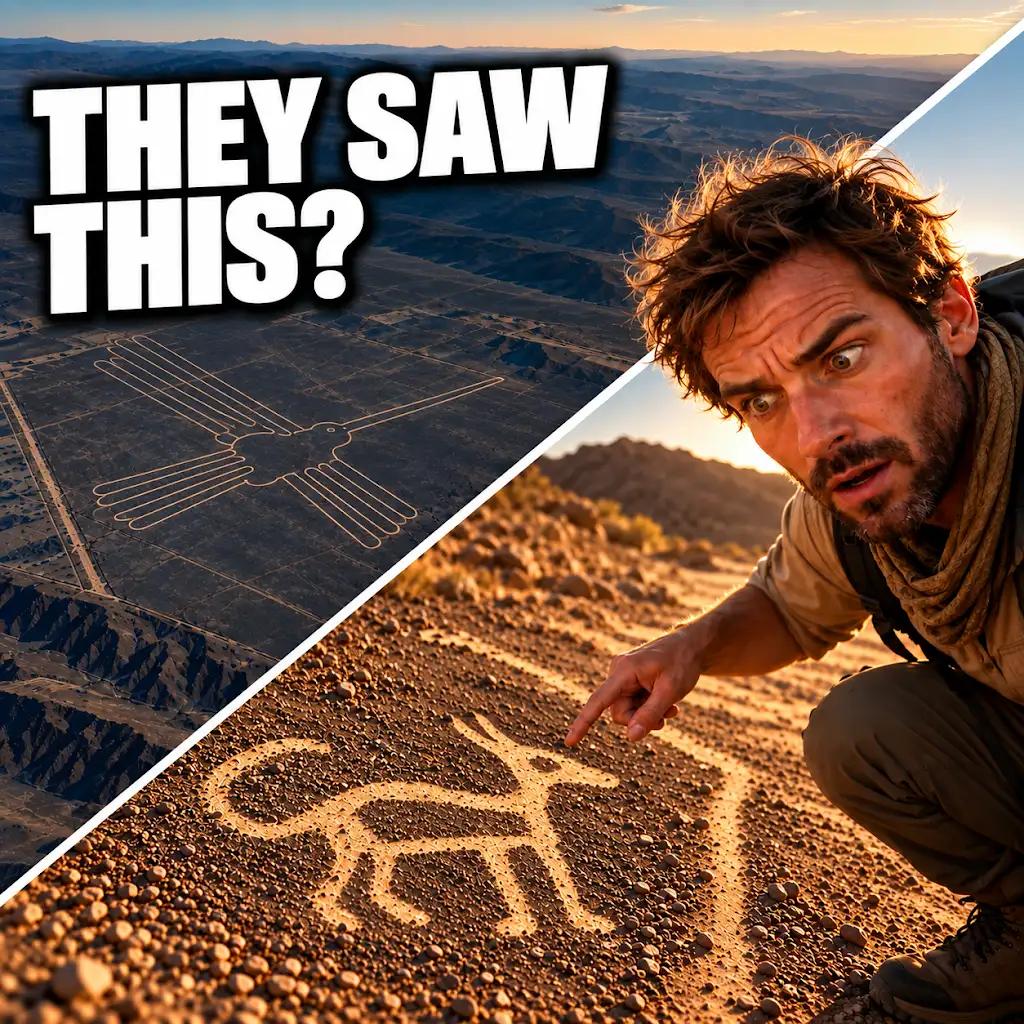
AI Found New Nazca Drawings—Could People See Them from the Ground?
FAQs
What are the Nazca Lines?
The Nazca Lines are a series of ancient geoglyphs located in the Nazca Desert in southern Peru. They were created by the Nazca people between 500 BC and 500 AD.
How close can visitors get to the Nazca Lines?
Visitors are not allowed to walk directly on the Nazca Lines themselves in order to preserve them. However, there are designated viewing platforms and towers where visitors can see the lines from a close distance.
Is there a walking path near the Nazca Lines?
Yes, there is a walking path that runs parallel to the Nazca Lines, allowing visitors to walk alongside and view the geoglyphs from a safe distance.
Are there guided tours available for visitors to see the Nazca Lines?
Yes, there are guided tours available for visitors who want to learn more about the history and significance of the Nazca Lines. These tours often include visits to the viewing platforms and towers.
What is the best way to experience the Nazca Lines walking path proximity?
The best way to experience the Nazca Lines walking path proximity is by taking a guided tour that provides access to the designated viewing areas and offers insights into the cultural and historical significance of the geoglyphs.