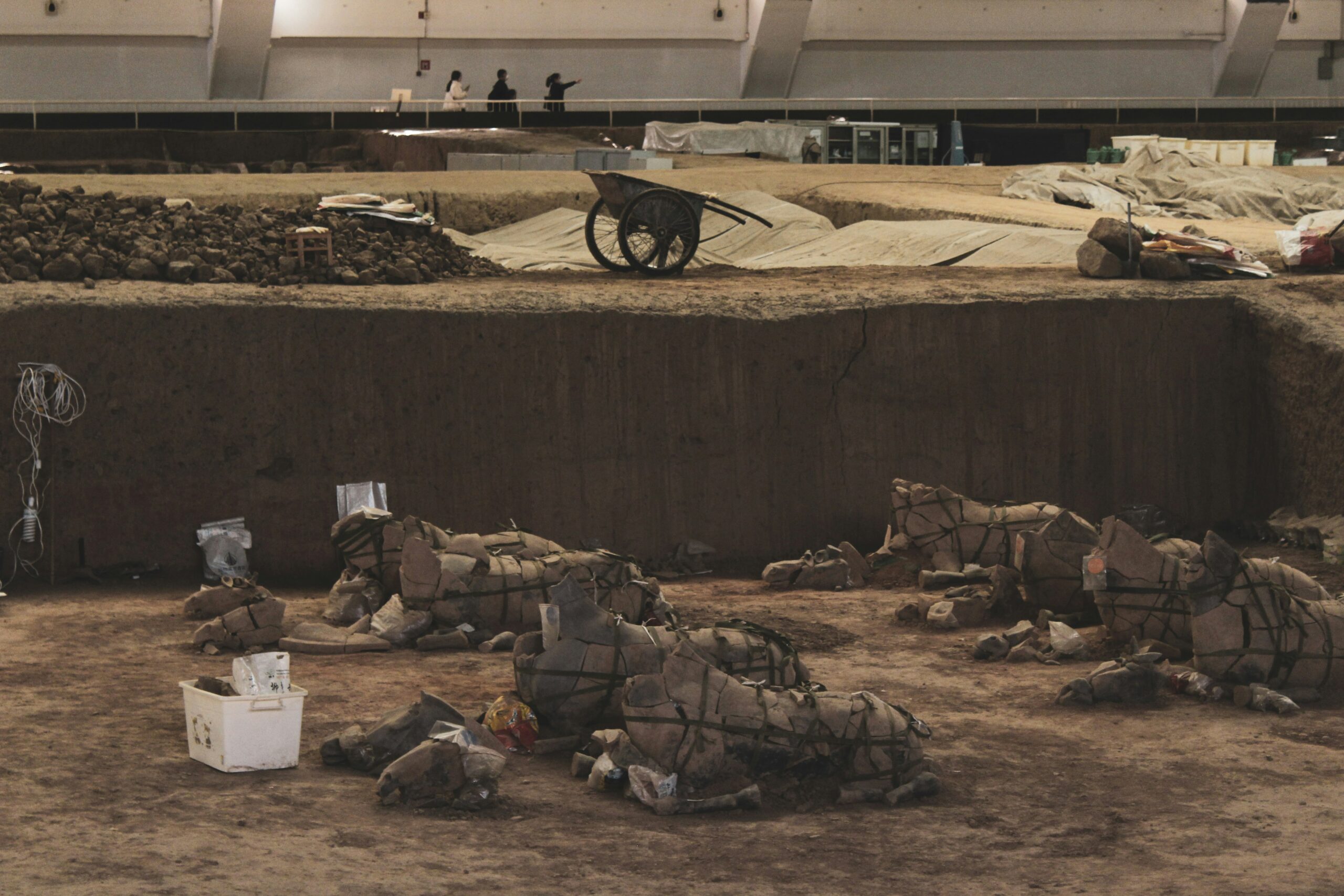
The allure of the past is a powerful draw, a persistent whisper from forgotten eras that beckons us to uncover its secrets. Archaeology, as a discipline, serves as our conduit to these vanished worlds. It is the meticulous art of excavating, interpreting, and reconstructing the material remains of human history, offering tangible links to the lives, beliefs, and achievements of those who came before us. For many, the most engaging way to delve into this fascinating field is through the immersive narratives of long-form documentaries. These cinematic journeys transcend dry textbooks, bringing ancient civilizations, lost cities, and pivotal historical moments to vibrant life. They offer not just information, but an experience, allowing viewers to journey alongside intrepid archaeologists, witness groundbreaking discoveries, and ponder the profound questions about humanity’s journey.
This article aims to guide enthusiasts and curious minds alike through some of the most compelling and insightful long-form archaeology documentaries available. These are not fleeting glimpses, but deep dives, providing ample time to explore complex theories, witness detailed excavation processes, and understand the broader historical context of each subject. From the monumental pyramids of Egypt to the enigmatic structures of the Maya, from the mysteries of early hominids to the echoes of Roman power, these documentaries offer a rich tapestry of human history waiting to be unraveled. They are a testament to the power of visual storytelling in making the distant past feel remarkably present and profoundly relevant.
Unearthing Ancient Civilizations: Journeys to Lost Worlds
The grand narratives of past civilizations form the bedrock of archaeological fascination. Documentaries in this category transport viewers to the heart of empires that once shaped the world, revealing their ingenuity, their societal structures, and ultimately, their decline. These films often focus on iconic sites and enduring mysteries, providing a comprehensive look at the rise and fall of these influential cultures. They invite contemplation on the factors that contribute to societal success and the eventual fade into history, leaving behind only the silent testament of their monumental achievements.
The Pyramids of Giza: Engineering Marvels and Royal Tombs
Few archaeological wonders capture the imagination quite like the pyramids of Giza. These colossal structures, built millennia ago, stand as enduring symbols of ancient Egyptian power, ingenuity, and belief systems. Documentaries exploring these wonders often delve into the sheer scale of the undertaking, the sophisticated engineering techniques employed by the ancient Egyptians, and the religious and political motivations behind their construction. They go beyond simply showcasing the pyramids themselves, examining the surrounding necropolis, including the Sphinx, the Valley Temple, and the tombs of nobles and workers, offering a holistic view of the Giza plateau as a complex funerary landscape.
The production of these documentaries frequently involves cutting-edge technology. High-resolution aerial photography and advanced CGI are used to illustrate the astronomical alignments of the pyramids, the transportation of massive stone blocks, and the intricate internal passageways. Interviews with leading Egyptologists and archaeologists provide expert interpretations of hieroglyphic inscriptions, funerary rituals, and the social organization required to complete such ambitious projects. Viewers are often taken on virtual tours of the burial chambers, glimpsing the sarcophagi and any remaining artifacts that offer clues about the lives and deaths of the pharaohs. The enduring mystery of how such structures were built with the technology available at the time remains a central theme, fueling ongoing debate and inspiring awe. Films in this vein often tackle theories about the workforce, exploring evidence that suggests skilled laborers, not slaves, built these monumental tombs. The social hierarchy, the economic systems that supported such large-scale construction, and the profound spiritual beliefs that drove the pharaohs to commission these eternal resting places are all brought to light, painting a detailed picture of a civilization at its zenith.
The Maya: Cities in the Jungle and Astronomical Prowess
The civilization of the Maya, flourishing in Mesoamerica, presents a different, yet equally captivating, archaeological puzzle. Their abandoned cities, swallowed by lush jungle, and their intricate calendar systems continue to fascinate scholars and the public alike. Long-form documentaries on the Maya often focus on the rediscovery of these lost cities, such as Tikal, Palenque, and Chichen Itza, charting the efforts of archaeologists who hacked through dense vegetation to reveal towering temples and complex urban layouts. These films highlight the Maya’s advanced understanding of mathematics, astronomy, and writing, as evidenced by their sophisticated hieroglyphic script and precise celestial observations.
The narratives frequently explore the Maya’s complex political landscape, characterized by warring city-states and powerful rulers. Ritualistic practices, including human sacrifice, are examined through the lens of archaeological evidence and surviving codices. The mysterious collapse of many Maya city-states in the Classic period is a recurring theme, with documentaries presenting various theories, from environmental degradation and prolonged drought to internal conflict and disease. The work of modern Maya communities, who maintain linguistic and cultural ties to their ancestors, is often included, providing a living connection to this ancient civilization. The vibrant art and intricate stucco carvings found at Maya sites are showcased, offering insights into their mythology, cosmology, and daily life. The decipherment of Maya glyphs, a monumental intellectual achievement, is often a central narrative thread, demonstrating how these once-inscrutable symbols have unlocked a wealth of information about Maya history, kingship, and belief.
Pompeii and Herculaneum: Frozen in Time by Vesuvius
The catastrophic eruption of Mount Vesuvius in 79 AD preserved the Roman cities of Pompeii and Herculaneum in an extraordinary manner. These archaeological sites offer an unparalleled glimpse into the daily lives of ordinary Romans, their homes, their businesses, and their social interactions, all frozen in time. Documentaries on Pompeii and Herculaneum are often deeply humanizing, moving beyond grand monuments to focus on the intimate details of domestic life, the bustling marketplaces, and the tragic final moments of the inhabitants.
These films often feature extensive footage of the excavations, showcasing the remarkably intact mosaics, frescoes, and even plaster casts of victims, capturing the pathos of their final hours. Archaeologists discuss the challenges of excavating fragile remains, the preservation techniques used to protect the sites, and the ongoing efforts to interpret the vast amount of data recovered. The social dynamics of these Roman towns, from the wealthy villas of the elite to the humble workshops of artisans, are explored. The economic activities, the religious practices, and the leisure pursuits of the inhabitants are brought to life through the artifacts unearthed. The sheer power of volcanic ash and pyroclastic flows, responsible for the destruction and preservation, is often illustrated with dramatic reconstructions, emphasizing the suddenness and totality of the disaster. The ongoing scientific research, including DNA analysis of remains and geochemical analysis of preserved foodstuffs, continues to reveal new insights into the lives and health of these Roman citizens, making these documentaries dynamic and ever-evolving explorations of a unique archaeological treasure.
Long-form documentaries on archaeology often delve into the intricate narratives of human history, exploring how ancient civilizations have shaped our present. A related article that examines the contemporary implications of exploration and resource acquisition is titled “The New Space Race: Geopolitical Struggle for Lunar Resources.” This piece highlights the modern parallels between archaeological pursuits and the current competition for resources beyond our planet, shedding light on how these endeavors reflect humanity’s enduring quest for knowledge and power. For more insights, you can read the article here: The New Space Race: Geopolitical Struggle for Lunar Resources.
Tracing Human Origins: The Search for Our Ancestors

The field of paleoanthropology, a sub-discipline of archaeology, seeks to understand the evolutionary journey of Homo sapiens. Long-form documentaries in this realm take viewers on a quest to uncover the earliest evidence of human existence, exploring fossil sites and piecing together the evolutionary puzzle of our lineage. These films often highlight the immense challenges of finding and interpreting ancient hominin remains, requiring meticulous fieldwork in often remote and harsh environments.
The Cradle of Humankind: Africa’s Fossil Treasures
Africa is widely recognized as the “cradle of humankind,” the continent where the earliest hominin species are believed to have emerged and evolved. Documentaries focusing on Africa’s fossil treasures, such as those found in the Afar region of Ethiopia, the Turkana Basin in Kenya, and the Sterkfontein Caves in South Africa, are crucial for understanding our deep past. These films often follow the work of renowned paleontologists who have unearthed some of the most significant hominin fossils, including “Lucy” (Australopithecus afarensis) and various Homo habilis and Homo erectus specimens.
The narrative typically delves into the geological contexts of these discoveries, explaining how the fossilization process works and the importance of stratigraphy in dating these ancient remains. Viewers are introduced to the anatomical features that distinguish different hominin species, such as bipedalism, cranial capacity, and dental morphology, and how these adaptations evolved over millions of years. The documentaries often feature interviews with scientists who meticulously analyze fossil fragments, using techniques like comparative anatomy and radiometric dating. The environment in which these early hominins lived is also reconstructed, providing context for their adaptations and behaviors. The ongoing quest for new fossils and the continuous refinement of our understanding of human evolution make these documentaries vital and ever-evolving resources. The ethical considerations of fossil discovery and the repatriation of remains are also sometimes addressed, highlighting the complex relationship between scientific pursuit and cultural heritage.
The Spread of Humanity: Out of Africa and Beyond
Beyond identifying our earliest ancestors, archaeology also traces the migration patterns of early humans as they spread across the globe. Long-form documentaries exploring the “Out of Africa” theory and subsequent dispersals are crucial for understanding the peopling of continents. These films often integrate evidence from genetics, linguistics, and archaeology to build a comprehensive picture of these ancient migrations.
The documentaries typically begin with the emergence of anatomically modern Homo sapiens in Africa, detailing the genetic evidence that supports a common African origin. They then follow the proposed migration routes, illustrating how early humans moved across the Middle East, into Asia, Europe, and eventually the Americas and Australia. The archaeological evidence used to support these theories includes the discovery of early human tools, cave art, and settlement sites in various regions. The challenges faced by these early pioneers, adapting to new environments, hunting diverse prey, and interacting with other hominin species like Neanderthals, are often vividly portrayed. The impact of climate change and geological events on these migration patterns is also explored. These films highlight the remarkable resilience and adaptability of our species, demonstrating how early humans, with their ingenuity and perseverance, managed to colonize nearly every habitable corner of the planet, laying the foundation for the incredible diversity of human cultures we see today.
Unlocking Ancient Technologies and Innovations

Beyond the grand narratives of civilizations and human origins, archaeology also sheds light on the remarkable technological advancements that have shaped human history. Long-form documentaries exploring ancient technologies focus on the ingenuity of our ancestors in developing tools, manipulating their environments, and creating complex systems that have often been overlooked. These films showcase the practical brilliance of past societies and their lasting impact on human progress.
The Engineering Prowess of Rome: Aqueducts, Roads, and Architecture
The Roman Empire is renowned for its engineering feats, which laid the groundwork for much of modern infrastructure. Documentaries on Roman technology often explore the intricate systems of aqueducts that supplied cities with fresh water, the vast network of roads that facilitated trade and military movement, and the monumental architecture that still stands today. These films delve into the practical applications of Roman engineering principles, the materials they used, and the organizational structures that enabled such ambitious projects.
The construction of aqueducts, for instance, is analyzed in detail, from the surveying and gradient calculations required to maintain a consistent flow of water over long distances to the sophisticated techniques used to build bridges and tunnels. The durability and design of Roman roads are examined, highlighting how they were constructed to withstand heavy traffic and varied weather conditions. The architectural innovations, such as the development of concrete, the arch, and the dome, are explored, showcasing their revolutionary impact on building capabilities and aesthetics. Interviews with civil engineers and classical historians often provide expert commentary, bridging the gap between ancient practices and modern understanding. The logistical challenges of managing vast construction projects, including quarrying stone, transporting materials, and organizing labor, are also a key focus, illustrating the sophisticated project management skills of the Romans. These documentaries demonstrate how Roman engineering was not just about impressive structures, but about creating functional and enduring systems that supported the vast empire and left an indelible mark on the development of Western civilization.
The Innovations of the Bronze Age: Metallurgy and Warfare
The Bronze Age, a pivotal period in human history, witnessed transformative advancements in metallurgy and toolmaking, fundamentally altering human societies. Long-form documentaries on this era often focus on the discovery and application of bronze, an alloy of copper and tin, and its impact on everything from agriculture and craftsmanship to warfare and social structures. These films explore the complex processes involved in extracting ores, smelting metals, and casting intricate objects.
The documentaries delve into the archaeological evidence of early mining operations and the centers of bronze production, revealing the sophisticated knowledge required to master these techniques. The diverse applications of bronze are showcased, from agricultural tools like plows and sickles that increased food production to the creation of intricate jewelry and decorative artifacts that speak to burgeoning social stratification. A significant focus is often placed on the military implications of bronze weapons and armor, explaining how their superior strength and durability revolutionized warfare and contributed to the rise and fall of early states. The development of trade networks to acquire essential raw materials like tin, which was often sourced from distant lands, is also explored, highlighting the growing interconnectedness of ancient societies. The films often feature reenactments and expert demonstrations to illustrate the lost arts of bronze working, bringing this ancient craft to life for modern audiences. The societal shifts brought about by the increased efficiency in production and the new possibilities in conflict resolution are central themes, underscoring the profound impact of this technological leap.
Mysteries and Unexplained Phenomena in Archaeology
While archaeology often provides clear answers, it also encounters profound mysteries that continue to captivate researchers and the public. Long-form documentaries exploring these enigmatic subjects delve into sites and artifacts that defy easy explanation, prompting speculation and sparking ongoing debate. These films embrace the unknown, showcasing the limits of our current knowledge and the enduring allure of the unexplained.
Stonehenge and the Avebury Stone Circles: Megalithic Enigmas
The prehistoric stone circles of Britain, most notably Stonehenge and Avebury, are among the most iconic and perplexing archaeological sites in the world. Documentaries on these megalithic wonders explore the monumental effort required to transport and erect the massive stones, the sophisticated astronomical alignments present in their design, and the enduring questions surrounding their purpose. These films often present a range of theories, from ancient astronomical observatories and religious temples to burial grounds and healing centers, without offering definitive conclusions.
The documentaries frequently showcase the painstaking archaeological work conducted at these sites, revealing evidence of ritualistic activity, burial practices, and the surrounding landscape modifications. The sheer scale of the undertaking, the precision with which the stones were aligned with celestial events like solstices and equinoxes, and the lack of written records from the period all contribute to their mystique. Modern scientific techniques, including geophysical surveys and residue analysis, are employed to uncover new clues, but the ultimate purpose of these monumental structures remains a subject of intense speculation. The cultural context of the Neolithic and Bronze Age peoples who built these circles is explored, attempting to understand their worldview and their relationship with the cosmos. The power of these sites to inspire awe and wonder, even millennia after their construction, is a central theme, highlighting humanity’s enduring fascination with the sacred and the unknown.
The Nazca Lines: Geoglyphs of the Peruvian Desert
In the arid plains of southern Peru lie the Nazca Lines, a collection of enormous geoglyphs etched into the desert floor by the ancient Nazca culture. These intricate designs, depicting animals, plants, and geometric shapes, are best viewed from high above, leading to decades of speculation about their creation and purpose. Long-form documentaries on the Nazca Lines often explore the various theories proposed for their existence, from astronomical calendars and agricultural rituals to pathways for deities or even landing strips for extraterrestrial visitors.
These films typically feature stunning aerial footage that allows viewers to appreciate the scale and complexity of the geoglyphs. Archaeologists and researchers discuss the methods used by the Nazca people to create these massive designs, highlighting their understanding of surveying and their ability to work with the desert environment. The dating of the lines, based on associated pottery and archaeological context, places their creation between approximately 500 BCE and 500 CE. The documentaries often present evidence of water management systems and agricultural practices employed by the Nazca, suggesting a link between the geoglyphs and their survival in a challenging environment. While some theories lean towards more speculative origins, the films generally emphasize the archaeological evidence and the indigenous knowledge that might explain these remarkable creations. The enduring mystery and the sheer visual spectacle of the Nazca Lines continue to make them a compelling subject for archaeological exploration and public fascination.
Long form documentaries on archaeology often delve into the intricate stories behind ancient civilizations, revealing the challenges and triumphs of uncovering our past. A fascinating article that explores the complexities of modern logistics, which can impact archaeological projects, can be found here: the challenges of US-Mexico overland shipping. This piece highlights how the transportation of materials and artifacts plays a crucial role in the preservation and study of archaeological sites, emphasizing the interconnectedness of history and contemporary issues.
The Future of Archaeology: New Technologies and Ethical Considerations
| Documentary Title | Year Released | Duration (minutes) | Main Archaeological Focus | Director | Viewer Rating (out of 10) | Platform |
|---|---|---|---|---|---|---|
| The Lost City of Petra | 2018 | 90 | Ancient Nabatean Civilization | Sarah Johnson | 8.5 | Netflix |
| Unearthing Pompeii | 2020 | 120 | Roman City Buried by Vesuvius | Michael Lee | 9.0 | Amazon Prime |
| Secrets of the Egyptian Pyramids | 2017 | 110 | Ancient Egyptian Tombs and Pyramids | Linda Carter | 8.8 | BBC iPlayer |
| The Maya Civilization Revealed | 2019 | 95 | Mayan Ruins and Culture | David Martinez | 8.3 | Hulu |
| Stonehenge: Mysteries of the Past | 2021 | 100 | Neolithic Monument in England | Emma Thompson | 8.7 | Discovery+ |
Archaeology is a dynamic field, constantly evolving with new technological advancements and grappling with crucial ethical debates. Long-form documentaries exploring the future of archaeology showcase how cutting-edge tools are transforming our ability to discover and interpret the past, while also highlighting the responsibilities that come with excavating and preserving cultural heritage.
Digital Archaeology: LiDAR, Drones, and Big Data
The digital revolution has had a profound impact on archaeological practices, enabling new methods of discovery and analysis. Documentaries on digital archaeology often showcase the transformative power of technologies like LiDAR (Light Detection and Ranging), drones, and the analysis of “big data.” LiDAR, for instance, can penetrate dense vegetation, revealing hidden ancient structures and landscapes that were previously invisible, leading to the discovery of lost cities and settlements.
These films demonstrate how drones equipped with cameras and sensors can rapidly survey large areas, providing high-resolution imagery and 3D models of archaeological sites. The application of Geographic Information Systems (GIS) and advanced data analysis techniques are also explored, allowing archaeologists to integrate diverse datasets – from satellite imagery and ground-penetrating radar to artifact distribution and environmental data – to identify patterns and make new discoveries. The ethical implications of data management, the open access movement, and the potential for digital reconstruction are also discussed. These documentaries illustrate how digital archaeology is not only making it easier to find and document the past but also to interpret it with greater nuance and accuracy, opening up new avenues for research and public engagement. The sheer volume of data being generated also necessitates new approaches to analysis, pushing the boundaries of computational archaeology.
Cultural Heritage and Repatriation: Ethical Debates in the Field
As archaeological knowledge expands, so too do the ethical considerations surrounding the excavation, study, and ownership of cultural heritage. Long-form documentaries addressing these issues explore the complex debates surrounding the repatriation of artifacts, the rights of indigenous communities, and the responsibility of archaeologists to engage with local populations. These films often highlight cases where significant artifacts, such as the Elgin Marbles or the Benin Bronzes, are at the center of disputes over ownership and provenance.
The documentaries feature interviews with archaeologists, museum curators, legal experts, and representatives of indigenous communities, presenting a multifaceted view of these contentious issues. The historical context of artifact acquisition, often during colonial periods, is examined, alongside the growing recognition of the cultural and spiritual significance of these objects to their originating societies. The ethical frameworks guiding archaeological practice are discussed, emphasizing the importance of informed consent, collaboration, and respect for cultural heritage. The role of international conventions and legal precedents in shaping repatriation efforts is also explored. These films underscore the evolving nature of archaeology, moving beyond purely academic pursuits to embrace a more socially responsible and collaborative approach to understanding and preserving humanity’s shared past. The challenge lies in finding equitable solutions that respect both scientific inquiry and the cultural rights of communities worldwide.
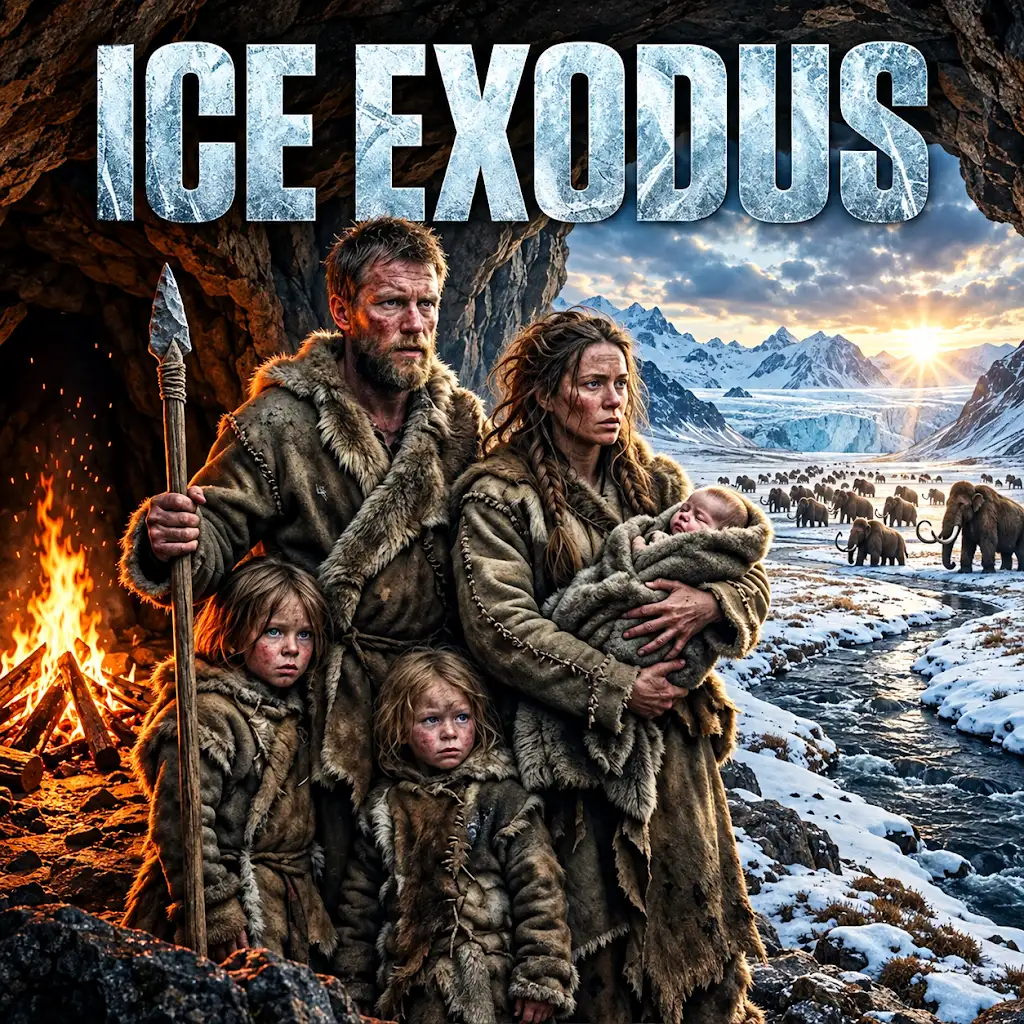
Life 20,000 Years Ago: The Ultimate Ice Age Fight to Survive
FAQs
What are long form documentaries on archaeology?
Long form documentaries on archaeology are in-depth films or series that explore various archaeological sites, discoveries, and research methods in detail. They often provide a comprehensive look at a specific topic or period in history.
How are long form documentaries on archaeology different from short documentaries?
Long form documentaries on archaeology typically have a longer runtime, allowing for more in-depth exploration of the subject matter. They may cover multiple aspects of a particular archaeological topic and provide more context and analysis compared to shorter documentaries.
What are some common themes covered in long form documentaries on archaeology?
Common themes in long form documentaries on archaeology include ancient civilizations, lost cities, archaeological excavations, historical mysteries, and the latest archaeological discoveries. These documentaries often delve into the significance of these findings and their impact on our understanding of the past.
Where can one watch long form documentaries on archaeology?
Long form documentaries on archaeology can be found on streaming platforms dedicated to documentaries, such as CuriosityStream, as well as on educational channels like PBS and National Geographic. They may also be available for purchase or rental on platforms like Amazon Prime Video and iTunes.
Who are some renowned filmmakers known for creating long form documentaries on archaeology?
Renowned filmmakers known for creating long form documentaries on archaeology include James Cameron, Ken Burns, and Werner Herzog. These filmmakers have produced critically acclaimed documentaries that have shed light on various archaeological discoveries and historical events.