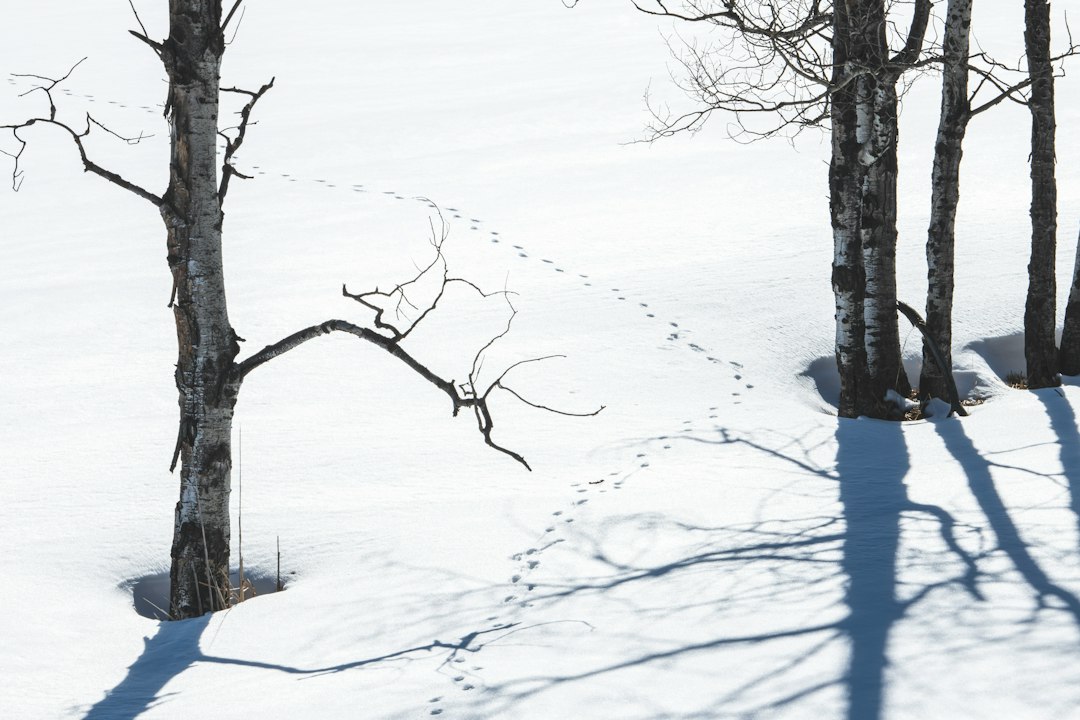
The biting wind, a constant companion, sculpted the already rugged landscape of Prehistoric Ridge, transforming it into a canvas of untouched snow. For the intrepid explorer, winter here was not a time of hibernation but an invitation to an unparalleled adventure. The Prehistoric Ridge Winter Tracking Trail offered a unique opportunity to step back in time, not through fossils unearthed, but through the living, breathing stories etched into the frozen earth. This was an expedition into a silent, white wilderness, where the only narratives were those left by the creatures that called this ancient land home.
The Allure of the Unseen: Why Winter Tracking?
Winter tracking is an art form, a meticulous dance between observation and deduction. Unlike the vibrant greens and browns of warmer months, where a flash of fur or a rustle of leaves can betray an animal’s presence, winter transforms the landscape into a monochrome stage. The snow, a pristine blanket, erases the ordinary and highlights the extraordinary. Every footprint, every disturbed snowdrift, every snapped twig becomes a clue, a whisper from the wild. This is the magic of winter tracking: the ability to read the invisible, to understand the movements and habits of creatures that remain hidden from plain sight.
Unveiling Nature’s Footprints: The Mechanics of Tracking
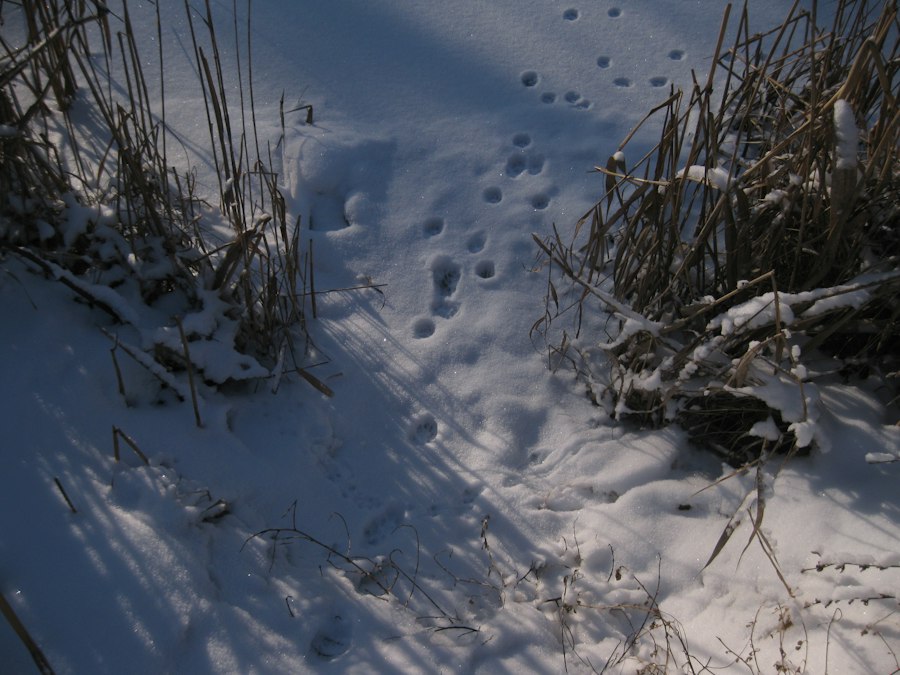
The fundamental principle of winter tracking lies in understanding the imprint each creature leaves. A deer’s hoof, neat and cloven, contrasts sharply with the broader, splayed tracks of a rabbit. The determined, almost purposeful gait of a fox leaves a different pattern than the lumbering progress of a bear. Experienced trackers learn to identify not just the species, but the individual animal’s characteristics: its speed, its mood, even the weight it carries. Is it a cautious wanderer, or a determined hunter? Is it alone, or part of a family group? These are the questions that a keen eye and a knowledgeable mind can answer by scrutinizing the snow.
Decoding the Gait: Stride Length and Pattern
The distance between consecutive tracks, known as the stride, is a crucial indicator. A short, choppy stride might suggest an animal moving slowly or cautiously, perhaps browsing for food. A long, bounding stride, however, can indicate speed and urgency, perhaps an escape from a predator or a purposeful chase. Furthermore, the pattern of the tracks tells a story. Many canids, like wolves and foxes, exhibit a “direct register” gait, where the hind paws land precisely in the tracks of the forepaws, creating a remarkably efficient and neat line. This conserves energy and minimizes noise. Other animals, like squirrels, show a characteristic “bound,” where both hind legs land together, followed by both forelegs. Observing these subtle variations unlocks a deeper understanding of animal locomotion.
Beyond the Footprint: Signs of Life
Tracking is not solely about identifying paw prints. It involves a holistic approach, looking for any sign of animal activity. A tuft of fur caught on a thorny bush could indicate a rough passage or a defensive encounter. Scratches on tree bark might point to a bear sharpening its claws or marking its territory. Droppings, or scat, are a treasure trove of information. Their shape, size, and contents can reveal the animal’s diet, health, and even recent meals. In winter, scat can sometimes be preserved for longer, offering even more detailed insights. The presence of a gnawed branch, stripped clean of bark, speaks of a rodent’s persistent efforts for sustenance, a small drama playing out unseen.
The prehistoric ridge winter tracking trail offers a fascinating glimpse into the ancient practices of navigation and survival, much like the insights gained from the Piri Reis map, which reveals the advanced cartographic skills of early civilizations. For those interested in exploring the connections between ancient technology and navigation, the article on the Piri Reis map provides an intriguing perspective. You can read more about it here: Uncovering Ancient Technology: The Piri Reis Map.
Navigating the Frozen Terrain: Essential Gear and Preparation
Embarking on a winter tracking adventure requires more than just a sense of curiosity; it demands careful preparation and the right equipment. The unforgiving nature of the winter environment necessitates a thoughtful approach to safety and comfort. The Prehistoric Ridge, in its winter guise, presents challenges that can be overcome with foresight and the appropriate gear.
Dressing for the Elements: Layering for Success
The key to staying warm and dry in a cold climate is proper layering. The body generates heat, and the goal is to trap this warmth while allowing moisture to escape. A base layer, typically made of merino wool or synthetic materials, wicks away sweat. The mid-layer, often fleece or down, provides insulation, trapping body heat. The outer layer, a waterproof and windproof shell, protects against the elements, preventing heat loss and keeping moisture out. Each layer serves a distinct purpose, and their combined effect creates a microclimate of comfort against the harsh winter air.
The Importance of Footwear: Warmth and Traction
Footwear is paramount. Insulated, waterproof boots are essential to keep feet warm and dry, preventing frostbite and ensuring comfort for long hours of walking. The soles of these boots must provide excellent traction on snow and ice to prevent slips and falls. Gaiters, worn over the boots and lower legs, prevent snow from entering the boots, a small but significant detail that can make a world of difference. Loose snow can be deceptively deep, and gaiters create a vital barrier.
Essential Tracking Tools: Enhancing Observation
While the keenest tool is the observant eye, certain implements can significantly enhance the winter tracking experience.
Magnifying Glass and Notebook: Recording the Evidence
A small magnifying glass can be invaluable for examining fine details in tracks, such as claw marks or the texture of the snow imprint. A waterproof notebook and pencil or pen are crucial for recording observations. Documenting the location, time, and specific characteristics of each track or sign can help build a comprehensive understanding of the animal’s movements and behavior. Sketches and detailed descriptions are more informative than relying solely on memory.
Binoculars and Camera: Documenting the Discoveries
Binoculars offer the ability to observe wildlife from a distance without disturbing them, allowing for clearer views of animals that might be spotted. A camera, especially one with good low-light capabilities, is essential for documenting significant tracks and signs. High-quality photographs can serve as valuable reference material and allow for further study and comparison later. Capturing images of these fleeting moments preserves the memory of the expedition.
The Tracks Tell Their Tales: Encounters on the Ridge
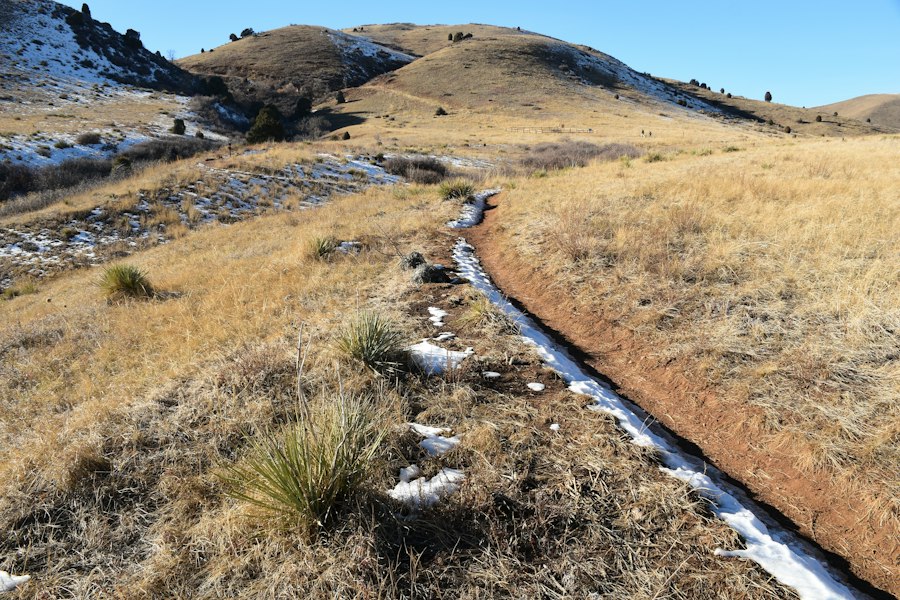
As the explorer ventures deeper into the snow-laden expanse of Prehistoric Ridge, the landscape begins to speak. The seemingly uniform blanket of white is, in reality, a dynamic storybook, written by the paws and hooves of its inhabitants. Each track, each disturbed patch of snow, holds a fragment of a narrative waiting to be deciphered.
The Fox’s Cunning Path: A Hunter’s Strategy
The delicate, precise tracks of the red fox often appear in a neat, linear fashion, a testament to its efficient “direct register” gait. These trails often crisscross the open meadows, suggesting a deliberate search for prey. The explorer might notice a sudden pounce mark, a sharp indentation in the snow where the fox has leaped, its keen senses honed in on a scurrying vole beneath the surface. The absence of other tracks in the immediate vicinity might indicate the fox’s solitary hunting style. Sometimes, the tracks will lead to a small burrow, a subtle disturbance in the snow, hinting at the fox’s successful hunt.
Following the Scent: The Art of the Trail
A fox’s trail is not just a series of prints; it’s a scent trail. While invisible to the human eye, the lingering musk of the animal is detectable by other foxes and, to a degree, by the experienced tracker who understands the subtle nuances of their passing. The way the tracks curve and weave can suggest the fox’s focus, its attention drawn to a particular rustle or scent. The explorer might find evidence of the fox pausing, lifting its head, its ears pricked, before continuing its determined hunt.
The Deer’s Graceful Passage: A Herd’s Journey
The larger, cloven hoof prints of the white-tailed deer are a common sight on Prehistoric Ridge. These tracks often appear in groups, indicating the presence of a herd, their collective journey etched into the snow. The gait of a deer can vary; a slow, browsing walk leaves relatively spaced prints, while a startled flight can create a chaotic jumble of leaps and bounds.
Grazing Patterns and Resting Spots
Observing deer tracks can reveal their feeding habits. Clusters of disturbed snow, where deer have pawed to uncover frozen vegetation, are telltale signs of their foraging. The presence of tracks leading to dense thickets or sheltered areas might suggest where the herd has rested, seeking refuge from the wind. Sometimes, an outline in the snow where deer have laid down to rest will be evident, a stark imprint of their temporary sanctuary.
The Rabbit’s Zigzagging Flight: An Elusive Prey
The small, distinct tracks of the snowshoe hare are often characterized by a series of paired prints, indicating its powerful hind legs propelling it forward in a bounding motion. These tracks tend to be erratic, a zigzagging pattern that speaks to the rabbit’s instinct to evade predators. The explorer might find clusters of disturbed snow, where the hare has been nibbling on low-lying branches or twigs, its primary winter food source.
Hidden in Plain Sight: The Art of Camouflage
The snowshoe hare’s ability to blend seamlessly with its snowy surroundings is remarkable. Its tracks, while visible, can often lead to a seemingly empty patch of snow. This is where the rabbit’s ultimate defense lies: its ability to remain perfectly still, relying on its white winter coat for camouflage. The tracker must look for subtle signs, a slight disturbance in the snow, a barely perceptible movement in the distance, to truly appreciate the hare’s mastery of evasion.
Conservation and Ethical Tracking: Respecting the Wild
The adventure of winter tracking on Prehistoric Ridge comes with a profound responsibility: the ethical obligation to minimize impact and respect the delicate winter ecosystem. The allure of observing wildlife should never come at the expense of their well-being or the integrity of their habitat.
The Leave No Trace Ethos: Minimizing Impact
The core principle of “Leave No Trace” is paramount. This means treading lightly, avoiding unnecessary disturbance, and ensuring that the natural environment remains as pristine as it was found. When tracking, the goal is to observe without interfering. This includes resisting the urge to approach wildlife too closely, which can cause stress and disrupt their natural behavior.
Staying on Designated Trails: Protecting Fragile Habitats
Whenever possible, staying on designated trails is crucial. These paths are often established to minimize impact on the surrounding environment. In winter, with snow cover, the distinction between a trail and the surrounding wilderness can blur, but the principle remains the same. Venturing off-trail can lead to the trampling of delicate vegetation that is crucial for the survival of small mammals and insects during their winter dormancy.
Observing Wildlife Responsibly: A Distance of Respect
Responsible wildlife observation is an art in itself. Maintaining a significant distance from animals is essential. This allows them to continue their natural activities without feeling threatened. Using binoculars and telephoto lenses for photography is a far more ethical approach than getting close for a snapshot. Understanding animal behavior cues – such as alarm calls, tail flicking, or attempts to move away – is vital for recognizing when an animal is being disturbed and retreating accordingly.
Documenting, Not Disrupting: The Tracker’s Pledge
The tracker’s pledge is to document the wonders of the wild, not to disrupt them. This means refraining from feeding wild animals, as this can alter their natural foraging behaviors and make them dependent on human handouts, which is detrimental to their long-term survival. It also means avoiding the collection of any natural items, such as shed antlers or feathers, as these are integral parts of the ecosystem. The true reward of winter tracking lies in the knowledge gained and the appreciation for the wild world, not in the acquisition of souvenirs.
The Prehistoric Ridge Winter Tracking Trail offers a unique glimpse into the ancient practices of wildlife tracking and the natural history of the region. For those interested in understanding how economic factors can influence land use and conservation efforts, a related article discusses the potential implications of inflation on asset ownership and management. You can read more about this topic in the article found here, which provides insights that may resonate with the ongoing discussions about preserving natural landscapes like the Prehistoric Ridge.
The Enduring Legacy: Lessons from the Winter Ridge
| Metric | Value | Notes |
|---|---|---|
| Trail Length | 3.5 miles | One-way distance of the winter tracking trail |
| Elevation Gain | 450 feet | Total ascent along the trail |
| Average Temperature | 15°F (-9°C) | Typical winter temperature during tracking season |
| Common Animal Tracks | Elk, Deer, Snowshoe Hare, Fox | Species frequently observed on the trail |
| Trail Difficulty | Moderate | Suitable for intermediate winter hikers |
| Trail Surface | Snow-packed dirt | Typical surface conditions in winter |
| Trail Markers | Wooden posts with reflective markers | Used for navigation during low visibility |
| Best Tracking Months | December – February | Peak months for animal track visibility |
The journey through the snow-laden landscapes of Prehistoric Ridge, guided by the silent stories etched into the frozen earth, leaves an indelible mark on the explorer. It is an experience that transcends mere physical exertion, offering profound insights into the resilience of nature and the intricate web of life that persists even in the harshest conditions. The lessons learned on the winter tracking trail are as enduring as the ancient ridges themselves.
A Deeper Connection to the Natural World
Winter tracking fosters a profound and intimate connection with the natural world. It requires a heightened sense of awareness, a willingness to observe the subtle details that often go unnoticed. By deciphering the tracks and signs of wildlife, the explorer gains a deeper appreciation for the intelligence, adaptability, and sheer tenacity of the creatures that share this planet. This immersion in the wild cultivates a sense of stewardship and a commitment to protecting these precious environments for future generations.
Understanding the Cycles of Life and Survival
The winter environment presents a stark reminder of the cyclical nature of life and the constant struggle for survival. Observing how animals adapt to scarce resources, find shelter, and navigate the challenges of the cold provides invaluable lessons in resilience and resourcefulness. The explorer witnesses firsthand the delicate balance of predator and prey, the interconnectedness of all living things, and the remarkable strategies that have evolved over millennia for survival. It is a humbling and awe-inspiring education.
The Thrill of Discovery and the Joy of the Chase
Beyond the educational and philosophical aspects, winter tracking offers an inherent thrill of discovery. Each new track, each unexpected sign, presents a puzzle to be solved, a miniature mystery to unravel. The “chase” is not one of pursuit in the aggressive sense, but a cerebral and observational pursuit of understanding. The joy comes from piecing together the narrative, from successfully interpreting the silent language of the wild. It is a rewarding pursuit that engages the mind, sharpens the senses, and ignites a sense of wonder. The Prehistoric Ridge Winter Tracking Trail adventure is more than just a walk in the snow; it is an expedition into the heart of the wild, a journey of learning, respect, and profound discovery.