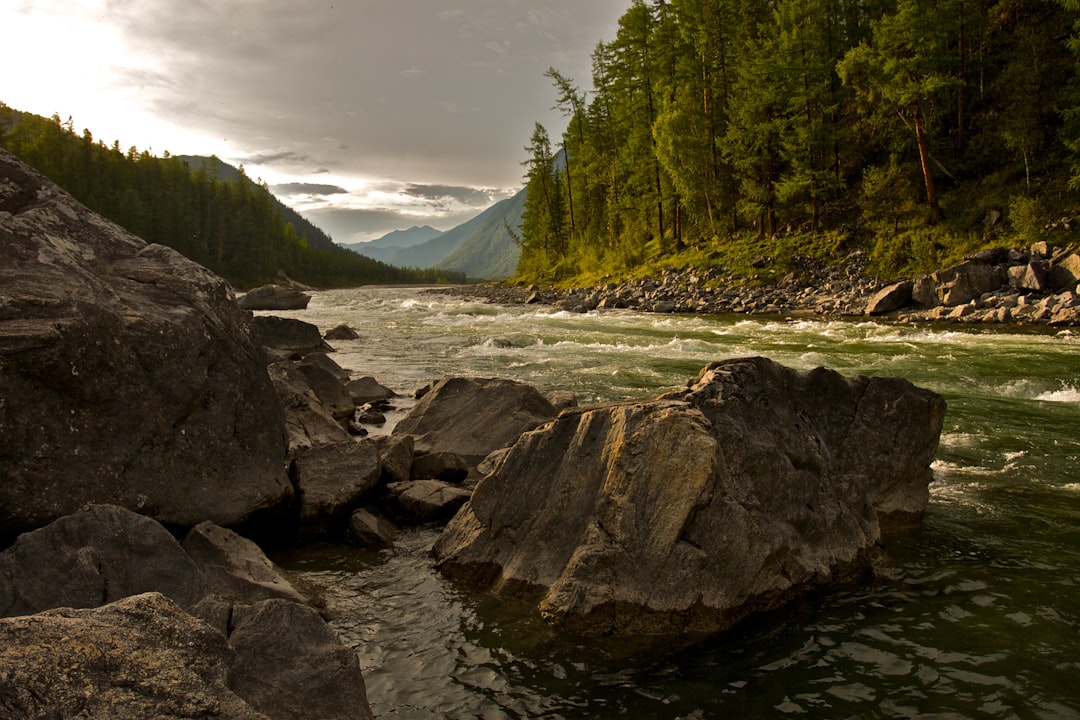
The Sahara Desert, a vast expanse synonymous with aridity and scorching sun, rarely conjures images of flowing water. Yet, beneath the shifting sands and towering dunes lies a hidden network of subterranean rivers and ancient watercourses, one of the most significant of which is the Tamanrassett River. The recently released documentary, “The Tamanrassett River: A Vein of Life,” embarks on an extraordinary journey to unveil this desert artery, revealing a landscape far richer and more complex than commonly perceived. This compelling film, produced by a team of intrepid geologists, hydrologists, and filmmakers, transcends mere geographical exploration; it delves into the profound ecological, historical, and human significance of this often-overlooked natural wonder.
Unearthing the Subterranean Landscape
The documentary’s primary objective is to illuminate the hidden reality of the Tamanrassett River, challenging the ingrained perception of the Sahara as entirely devoid of water. The filmmakers employ cutting-edge subsurface imaging technologies, including advanced ground-penetrating radar and seismic surveys, to create a vivid, three-dimensional representation of the riverbed. This technological prowess allows viewers to witness the geological formations that dictate the river’s flow and understand the intricate interplay between the surface topography and the subterranean water table.
The Geological Formation of the River System
The film meticulously traces the geological history that led to the existence of the Tamanrassett River. Experts featured in the documentary explain the ancient sedimentary layers that hold the water, remnants of a wetter past. They discuss the role of porous rock formations and the impact of tectonic activity in shaping the underground channels. The narrative emphasizes that what appears as a barren desert is, in fact, a dynamic geological canvas where water, though concealed, plays a crucial role. The visual representation of ancient riverbeds, etched into the bedrock over millennia, offers a breathtaking glimpse into the Sahara’s transformative past.
The Role of Aquifers and Groundwater Recharge
A significant portion of the documentary is dedicated to exploring the vast aquifer systems that sustain the Tamanrassett River. The filmmakers highlight the critical concept of groundwater recharge, illustrating how infrequent but intense rainfall in the mountainous regions surrounding the Sahara seeps through the porous soil and rock, replenishing these vital underground reservoirs. The documentary showcases scientists taking water samples from deep wells, analyzing their chemical composition to understand the origin and age of the water, providing irrefutable evidence of its subterranean journey. The visual infographics employed are particularly effective in demonstrating the slow but steady process of water replenishment, a stark contrast to the rapid evaporation that affects surface water.
The Impact of Climate Change on Water Resources
The film does not shy away from the contemporary challenges facing the Tamanrassett River. Climate change is presented as a significant threat, impacting both the frequency and intensity of rainfall events, thereby jeopardizing the crucial recharge of the aquifers. The documentary features interviews with local communities who have witnessed changes in water availability over generations, adding a human element to the scientific data. The subtle yet persistent effects of rising global temperatures are underscored, raising concerns about the long-term sustainability of this vital water source. The visual juxtaposition of arid landscapes and the rare green oases fed by the river serves as a potent reminder of the delicate balance at play.
The Tamanrasett River documentary offers a profound exploration of the environmental and cultural significance of this vital waterway. For those interested in understanding the broader implications of how narratives are shaped and the realities that are often concealed, a related article titled “The Illusion of Truth: How Power Conceals Reality” provides valuable insights. You can read it here: The Illusion of Truth: How Power Conceals Reality. This article delves into the dynamics of power and perception, making it a compelling complement to the themes presented in the documentary.
A Source of Life in the Arid Expanse
Beyond its geological significance, the Tamanrassett River is an indispensable lifeline for the flora, fauna, and human populations that inhabit its vicinity. The documentary beautifully captures the stark contrast between the unforgiving desert and the vibrant ecosystems that flourish where the subterranean water makes its presence known, even if indirectly.
The Oasis Ecosystems
The film showcases the remarkable oasis ecosystems that are directly or indirectly supported by the Tamanrassett River. These are not mere patches of vegetation but complex, self-sustaining environments that harbor unique biodiversity. Viewers are treated to stunning aerial shots of lush palm groves, vibrant flowering plants, and the shimmering waters of traditional wells, all testament to the river’s benevolent influence. The documentary highlights the symbiotic relationship between these oases and the river, illustrating how the water table’s proximity allows for the survival of these pockets of life.
Unique Flora and Fauna
“The Tamanrassett River: A Vein of Life” introduces viewers to a fascinating array of endemic species that have adapted to survive in this challenging environment. From specially adapted desert grasses and hardy shrubs to the resilient fauna that depend on these water sources, the film offers a captivating glimpse into the tenacity of life. Specific segments focus on the foraging habits of gazelles, the nesting rituals of desert birds, and the intricate adaptations of insects that thrive near the water’s influence. The cinematography in these sequences is particularly noteworthy, capturing the delicate beauty and the raw struggle for survival that defines this ecosystem. The researchers on screen explain the evolutionary marvels that allow these creatures to thrive with minimal water, showcasing their unique physiological and behavioral strategies.
The Role of the River in Tribal Migrations and Settlements
The historical dimension of the Tamanrassett River is explored through the lens of human history. The documentary posits that the river, and the oases it sustains, has been a crucial factor in the migratory patterns and settlement choices of indigenous communities for millennia. Evidence from archaeological sites and oral traditions suggests that ancient caravan routes hugged the course of the river, facilitating trade and cultural exchange.
Ancient Trade Routes and Cultural Exchange
The filmmakers retrace the paths of ancient trade routes that crisscrossed the Sahara, many of which were dictated by the availability of water from the Tamanrassett River and its tributaries. They interview historians and archaeologists who explain the significance of these routes in connecting distant cultures and fostering the exchange of goods, ideas, and technologies. The documentary suggests that the river was not just a source of survival but also a conduit for human progress and cultural development. The visuals of these ancient pathways, now reclaimed by the desert, evoke a sense of deep history and the enduring human quest for resources.
The Resilience of Nomadic Communities
The film offers a profound look at the nomadic communities that continue to inhabit the regions influenced by the Tamanrassett River. These communities, often referred to as Tuareg, have developed a deep understanding of the desert’s rhythms and the river’s subtle signs. The documentary showcases their traditional practices of water management, their unique architectural styles adapted to the climate, and their rich cultural heritage, all deeply intertwined with the presence of the river. Their knowledge of finding and utilizing water, passed down through generations, is presented as a vital lesson in sustainability.
The Engineering Marvels of Ancient and Modern Times
The human relationship with the Tamanrassett River is not solely one of passive reliance; it is also a story of ingenuity and adaptation. The documentary explores the remarkable feats of engineering undertaken by both ancient civilizations and contemporary societies to harness and manage this precious resource.
Traditional Water Harvesting Techniques
The film highlights the sophisticated traditional water harvesting techniques employed by communities living in the Sahara for centuries. These methods, often passed down through oral tradition, demonstrate an intimate understanding of the desert’s hydrology. Viewers witness the construction and maintenance of ancient cisterns, qanats (underground irrigation channels), and rudimentary wells, all designed to capture and conserve precious water. The filmmakers emphasize the wisdom inherent in these low-impact technologies that have sustained life for millennia without depleting resources.
The Science Behind the Ancient Systems
The documentary delves into the scientific principles that underpin these ancient systems. Hydrologists and engineers explain how the subtle sloping of the land, the selection of specific geological formations, and the careful excavation of channels allowed for the efficient collection and distribution of water. The film illustrates how these systems effectively mitigated the effects of torrential rains by channeling excess water into underground reservoirs, preventing erosion and ensuring a steady supply. The visual demonstrations of water flow through reconstructed models of these ancient systems are particularly illuminating.
Modern Irrigation and Water Management Strategies
In contrast to the ancient methods, the documentary also examines modern irrigation and water management strategies being implemented in the region. While acknowledging the potential benefits of technology, the filmmakers also address the challenges and potential drawbacks, such as the energy requirements of pumping and the risk of over-extraction from aquifers. The film presents a balanced perspective, showcasing both the innovations and the ongoing debates surrounding the sustainable use of water resources in the face of a growing population and increasing demand. The interviews with agricultural engineers working in the region provide valuable insights into the practical application of these strategies.
The Future of the Tamanrassett River
The documentary concludes by looking towards the future, considering the implications of climate change, resource scarcity, and growing human populations for the Tamanrassett River and the communities that depend on it. It is a call to action, urging a greater understanding and appreciation for this vital but often-hidden water source.
Challenges and Opportunities
The film outlines the significant challenges that lie ahead, including the potential for drought, desertification, and increased competition for water resources. However, it also highlights the opportunities for sustainable development, innovative water management solutions, and collaborative efforts to protect this precious resource. The documentary emphasizes the importance of international cooperation and the sharing of knowledge to ensure the long-term viability of the Tamanrassett River.
The Role of Conservation and Education
A central theme of the concluding segments is the critical role of conservation and education in safeguarding the future of the Tamanrassett River. The filmmakers advocate for increased awareness of the river’s ecological and cultural significance, as well as for the implementation of effective conservation measures. The documentary aims to inspire a new generation of scientists, policymakers, and passionate individuals to champion the cause of water preservation in arid regions. The final scenes of children learning about the river’s importance from elders underscore the intergenerational transfer of knowledge and the hope for a sustainable future.
A Legacy of Water in the Dry Land
“The Tamanrassett River: A Vein of Life” leaves viewers with a profound appreciation for the hidden wonders of the Sahara Desert. It reminds us that even in the most seemingly inhospitable environments, life finds a way, often supported by unseen forces like the life-giving currents of the Tamanrassett River. The documentary serves as a powerful testament to the resilience of nature and the enduring ingenuity of humanity in its quest to coexist with the delicate balance of our planet’s water resources. It is a crucial reminder that understanding and protecting these hidden arteries of life is not just an environmental imperative but a fundamental requirement for the survival of both ecosystems and human societies.

The Ancient World Buried Beneath the Sahara
FAQs

What is the Tamanrasett River?
The Tamanrasett River is a major river in Algeria, flowing through the Tamanrasset Province in the southern part of the country. It is an important source of water for the region and supports local ecosystems.
What is the significance of the Tamanrasett River?
The Tamanrasett River is significant for its role in providing water for agriculture, livestock, and human consumption in the arid region of Tamanrasset Province. It also supports diverse flora and fauna along its banks.
What is the focus of the Tamanrasett River documentary?
The Tamanrasett River documentary focuses on the ecological importance of the river, its impact on the local communities, and the challenges it faces in the face of climate change and human activities.
Who is involved in the production of the Tamanrasett River documentary?
The documentary is produced by a team of filmmakers, environmentalists, and local experts who are passionate about raising awareness about the Tamanrasett River and its significance.
Where can I watch the Tamanrasett River documentary?
The Tamanrasett River documentary may be available for viewing on various streaming platforms, at film festivals, or through special screenings organized by environmental organizations or educational institutions.