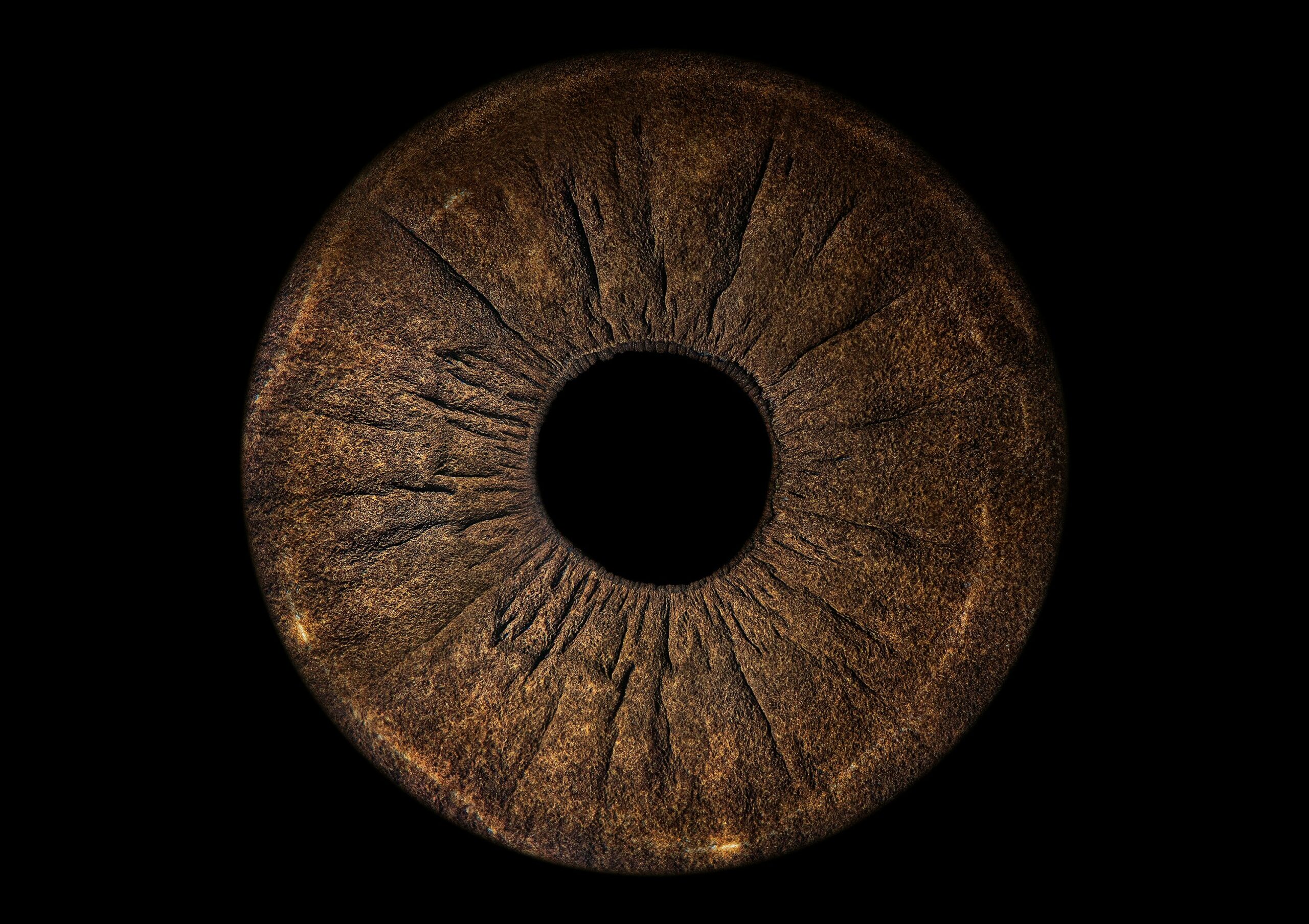
The human eye, a marvel of biological engineering, has served as the primary lens through which we perceive the world for millennia. Before the advent of manufactured optics, before telescopes pierced the veil of the cosmos and microscopes revealed the unseen universe, humanity’s understanding of reality was shaped by the innate capabilities of its vision. Exploring the world through this oldest lens is not merely about passive observation; it is an active, deeply ingrained process of interpretation, deduction, and wonder. This ancient instrument, refined by millions of years of evolution, possesses a remarkable ability to adapt, to focus, and to imbue the raw data of light with meaning, constructing our personal realities, one photon at a time.
The Biological Architecture of Sight
The eye’s intricate design is a testament to evolutionary ingenuity, a complex interplay of light-gathering, focusing, and signal-processing mechanisms. It is a sophisticated biological camera, built not for artificial reproduction of images, but for survival and interaction within a dynamic environment. Understanding its fundamental components provides a crucial starting point for appreciating the nuances of our visual experience and how it shapes our perception of the world.
The Retina: A Light-Sensitive Canvas
At the very back of the eye lies the retina, a thin layer of tissue that is the true sensory organ of vision. This delicate structure is packed with millions of photoreceptor cells – rods and cones – responsible for converting light into electrical signals. Rods, highly sensitive to dim light, are responsible for our scotopic vision, enabling us to navigate in low-light conditions and perceive shades of gray. Their sheer numbers, about 120 million per eye, highlight their importance in capturing even the faintest glimmers. Cones, on the other hand, are less sensitive to light but are crucial for our photopic vision, providing us with detailed color perception and sharp visual acuity. Concentrated in the fovea, the central pit of the retina, the approximately 6 million cones allow us to discern fine details and vibrant hues. The distribution and specialization of these cells directly influence how we perceive brightness, color saturation, and the clarity of objects.
The Cornea and Lens: Shaping the Light
Before light reaches the retina, it must pass through a series of transparent structures that bend and focus it. The cornea, the transparent outer layer of the eye, is responsible for the majority of the eye’s refractive power, bending light rays to begin the focusing process. Behind the iris and pupil lies the lens, a flexible, biconvex structure that fine-tunes the focus. Through a process called accommodation, the ciliary muscles surrounding the lens contract or relax, altering its shape to bring objects at varying distances into sharp focus on the retina. This dynamic adjustment is vital for seeing clearly whether gazing at a distant mountain range or a nearby insect. The precise curvature and transparency of these structures are paramount; any imperfections can lead to blurred vision, altering the world as we perceive it.
The Neural Pathway: From Light to Understanding
The journey from light hitting the retina to conscious perception is a complex neural cascade. The electrical signals generated by rods and cones are processed by other neurons within the retina itself, including bipolar cells, amacrine cells, and horizontal cells, before being transmitted to the ganglion cells. The axons of these ganglion cells bundle together to form the optic nerve, which carries the visual information to the brain. This intricate processing within the retina allows for initial filtering and enhancement of visual information. Upon reaching the brain, specifically the visual cortex in the occipital lobe, these signals undergo further sophisticated interpretation, integrating with other sensory inputs and memories to create our conscious visual experience. This neural processing is not a passive reception of data but an active construction, influenced by our experiences, expectations, and even our emotional state.
The discovery of the oldest lens in the world sheds light on the advanced optical knowledge possessed by ancient civilizations. This fascinating find not only highlights the ingenuity of early inventors but also prompts us to explore the broader context of technological advancements in ancient societies. For a deeper understanding of how such innovations may have contributed to the rise and fall of these civilizations, you can read more in the article about the sudden collapse of ancient civilizations found at this link.
The Subjectivity of Perception: Beyond the Objective

While the biological machinery of the eye provides the raw data, the experience of seeing is inherently subjective. What one person perceives as a vibrant splash of color, another might see as a muted tone. This subjectivity arises from a multitude of factors, from individual differences in photoreceptor density to the vast and unique landscape of our memories and learned associations. The “oldest lens” is not a uniform instrument; it is a personalized gateway to reality.
Color Vision: A Personal Palette
The perception of color is a prime example of visual subjectivity. While the physical properties of light – wavelength – are objective, our experience of color is a neurological construct. Differences in the number and sensitivity of cone cells, particularly the three types sensitive to red, green, and blue light, can lead to variations in color perception. Color blindness, a common condition, demonstrates this directly, with individuals unable to distinguish certain hues. Furthermore, even among those with normal color vision, subtle differences in how the brain interprets the signals from these cones can result in a personal palette. The context in which a color is viewed also plays a significant role; a color can appear drastically different depending on the surrounding colors and the overall lighting conditions. This makes the world a kaleidoscope of individually colored experiences.
Depth Perception: Constructing a Three-Dimensional World
Our ability to perceive depth and distance, to navigate a three-dimensional space, is a remarkable feat of visual interpretation. While binocular vision, the combination of images from two eyes, provides crucial stereoscopic cues, much of depth perception relies on monocular cues. These include relative size, interposition (where one object blocks another), linear perspective (where parallel lines converge in the distance), and the texture gradient (where the texture of surfaces becomes finer with distance). The brain actively constructs our sense of depth by analyzing these cues, often subconsciously. This interpretive process means that our perception of how far away an object is can be influenced by our prior experiences and expectations of scale.
Attention and Interpretation: The Brain’s Active Role
The human brain does not passively record every visual detail. Instead, it employs selective attention, focusing on what is deemed important or novel. This means that our visual experience is a curated one, shaped by our interests and current goals. Furthermore, the brain actively interprets the visual information it receives, filling in gaps, making assumptions, and drawing upon past experiences. This interpretative process can lead to illusions, where our brains misinterpret visual stimuli, demonstrating the active and reconstructive nature of sight. The “oldest lens” is therefore not just a passive receiver but an active participant in shaping our understanding of the world.
Environmental Influences on Visual Experience

The world itself, in its myriad forms and conditions, profoundly shapes how we experience it through our eyes. From the harsh glare of a desert sun to the diffused light of a rainforest canopy, the external environment dictates the quality and nature of the visual information available, demanding adaptive responses from our visual system.
Light and Shadow: Sculpting Reality
The interplay of light and shadow is fundamental to visual perception, defining form, texture, and spatial relationships. In bright sunlight, sharp contrasts emerge, emphasizing edges and revealing intricate details. Shadows, conversely, can obscure, create mystery, or define three-dimensional volume by indicating the direction and intensity of light sources. In low-light conditions, the world softens, colors become muted, and details blur, relying more heavily on the contrast between light and dark. The way light falls on an object, the angle of illumination, and the presence of shadows all contribute to our understanding of its shape, texture, and position in space. The “oldest lens” is incredibly adept at interpreting these variations, allowing us to discern form even in challenging lighting.
Atmospheric Conditions: The Veil Between Observer and Observed
The atmosphere, with its moisture, dust, and particles, acts as a medium through which light travels, significantly influencing visual perception over distance. Haze and fog scatter light, reducing clarity and muting colors, creating a sense of atmospheric perspective where distant objects appear lighter and less distinct. Pollution can further alter the light spectrum, affecting color rendering. Conversely, a clear, crisp day offers unimpeded vision, allowing for sharp details and vibrant colors to be perceived. The “oldest lens” can perceive these atmospheric effects, allowing us to estimate distance and appreciate the mood of a landscape.
Natural Landscapes: A Tapestry of Visual Cues
Natural landscapes offer an overwhelming abundance of visual information that our eyes are uniquely equipped to process. The intricate patterns of foliage, the rugged textures of rock formations, the vast expanses of sky and water – all provide rich data for interpretation. The way our eyes scan a forest, identifying individual trees, discerning the movement of leaves, and appreciating the interplay of light and shadow, is a complex process honed by our evolutionary past. The vastness of the ocean or the grandeur of mountains evokes a sense of scale and awe, processed through the same biological mechanisms that allowed our ancestors to navigate and survive in their environments. This inherent connection between our vision and the natural world shapes our aesthetic appreciation and our fundamental understanding of our place within it.
The Evolutionary Advantage of Vision
The development and refinement of our visual system were not accidental; they conferred significant evolutionary advantages that were crucial for survival. The ability to see threats, locate prey, navigate complex terrain, and communicate through visual cues played a pivotal role in the progression of our species and continues to influence our behavior.
Early Survival: Detecting Danger and Opportunity
For our early ancestors, a keen sense of vision was paramount for survival. The ability to spot predators from a distance, to discern the ripeness of fruit, or to track the movements of prey provided a critical edge. Vision allowed for proactive engagement with the environment, rather than reactive responses. The development of stereoscopic vision, providing a precise understanding of depth and distance, was particularly important for arboreal primates, enabling safe navigation through tree canopies. The “oldest lens,” in its nascent forms, was a powerful tool for navigating a dangerous and opportunity-rich world.
Social Interaction and Communication: Beyond Vocalizations
While vocalizations are important, visual cues play a profound role in human social interaction. Facial expressions, body language, and gestures convey a wealth of information about emotions, intentions, and social status. The ability to interpret these subtle visual signals is crucial for building relationships, understanding social dynamics, and cooperating within groups. The development of complex social structures likely paralleled the refinement of our visual system, enabling more nuanced and efficient communication. Our eyes are constantly scanning, not just for physical cues, but for the unspoken language of human interaction.
Tool Use and Environmental Manipulation: A Visually Guided Endeavor
The development of tool use and the ability to manipulate the environment are intrinsically linked to our visual capabilities. Crafting a tool requires precise hand-eye coordination, the ability to assess materials, and the foresight to envision the final product. Navigating and understanding the terrain for agriculture, building shelter, or hunting large game all rely on sophisticated visual processing. The “oldest lens” became the indispensable partner in humanity’s journey to shape its surroundings, transforming raw materials into sophisticated instruments and structures. This feedback loop between visual perception and environmental manipulation has driven technological advancement throughout history.
The discovery of the oldest lens in the world has sparked significant interest in the field of archaeology and optics, shedding light on ancient technologies. This fascinating find not only highlights the ingenuity of early civilizations but also opens up discussions about the evolution of lenses throughout history. For those intrigued by the intersection of technology and education, a related article explores innovative teaching methods that incorporate ancient tools and concepts. You can read more about it in this insightful piece on the over-teaching machine.
The Enduring Power of Direct Observation
| Metric | Details |
|---|---|
| Name | Nimrud Lens (also known as Layard Lens) |
| Age | Approximately 2700 years old (circa 750 BC) |
| Material | Quartz |
| Dimensions | Diameter: 3 cm; Thickness: 1 cm |
| Origin | Ancient Assyria, Nimrud (modern-day Iraq) |
| Purpose | Possibly used as a magnifying glass or part of a telescope |
| Current Location | British Museum, London |
In an age saturated with digital representations and mediated experiences, the value of direct, unadulterated observation through our own eyes remains undiminished. The oldest lens, our biological vision, offers a unique and irreplaceable way of connecting with the world, fostering a deeper understanding and appreciation of its intricacies.
The Nuance of Reality: Beyond Digital Fidelity
While digital photography and videography can capture stunning images, they often present a curated or altered version of reality. Our eyes, however, perceive the world in real-time, with all its fleeting moments and subtle shifts. The way light plays on a surface, the subtle tremor of a leaf, the imperceptible change in an expression – these are often lost in mediated forms. Direct observation allows for a more visceral and nuanced engagement, fostering a deeper appreciation for the raw beauty and complexity of the world around us. The “oldest lens” provides an unfiltered, yet incredibly rich, experience.
Cultivating Mindfulness and Presence: Seeing What Is
Engaging directly with the world through our vision is a practice in mindfulness and presence. When we truly see – not just glance – we become more attuned to our surroundings. This focused attention can lead to a heightened sense of wonder and a deeper connection with the natural world and with each other. In a fast-paced, digitally driven society, taking the time to simply observe, to let our eyes wander and absorb, can be a powerful act of grounding and self-awareness. The “oldest lens” invites us to be present in the moment, to truly experience the world as it unfolds.
The Foundation of Knowledge: From Observation to Understanding
Ultimately, all scientific discovery, artistic creation, and personal growth begin with observation. The “oldest lens” has been the bedrock of human knowledge since time immemorial. From the earliest astronomers charting the stars to the botanist meticulously documenting a new species, direct visual perception is the starting point. While sophisticated instruments augment our sight, the fundamental act of seeing and interpreting remains essential. By consciously exploring the world through this ancient and intimate instrument, we unlock a profound capacity for understanding, creativity, and connection. The world, in all its glory and mystery, awaits our gaze.

Did This Ancient Crystal Help People See?
FAQs
What is the oldest lens in the world?
The oldest lens in the world is believed to be the Nimrud lens, which dates back to the 7th century BC.
Where was the oldest lens in the world discovered?
The oldest lens in the world, the Nimrud lens, was discovered in the ancient Assyrian city of Nimrud, located in present-day Iraq.
What was the oldest lens in the world used for?
The purpose of the oldest lens in the world, the Nimrud lens, is still debated among historians and archaeologists. Some believe it was used as a magnifying glass, while others suggest it may have been part of a decorative piece.
How was the oldest lens in the world made?
The oldest lens in the world, the Nimrud lens, was made from a piece of rock crystal that was carefully shaped and polished to create a convex lens.
What significance does the oldest lens in the world hold?
The discovery of the oldest lens in the world, the Nimrud lens, provides valuable insights into the technological advancements and craftsmanship of ancient civilizations. It also sheds light on the use of lenses in ancient times for various purposes.