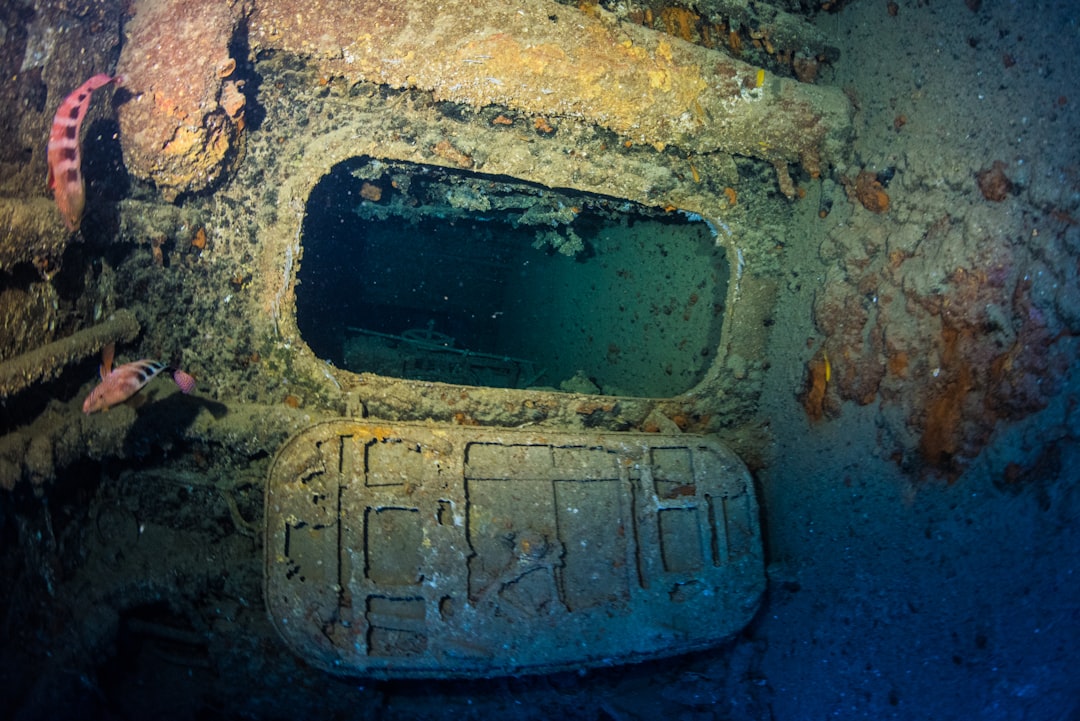
The ghost of HMS Terror, once a stalwart vessel of the British Royal Navy, now rests in the frigid depths of the Arctic, a silent testament to a quest for glory and the unforgiving nature of the North. For over 170 years, its final resting place remained a mystery, a tantalizing enigma for historians and adventurers alike. The story of HMS Terror’s demise is intrinsically linked with Sir John Franklin’s ill-fated expedition, a voyage that set sail in 1845 with the ambitious goal of navigating the Northwest Passage. The discovery and subsequent exploration of its wreck represent a triumph of modern underwater archaeology, a painstaking endeavor that has illuminated a dark chapter of maritime history.
The 1845 Franklin expedition was not just another naval endeavor; it was a mission imbued with immense national pride and scientific ambition. The British Royal Navy, a global superpower at the time, was determined to conquer the Northwest Passage, a sea route connecting the Atlantic and Pacific oceans through the Arctic archipelago. Such a passage would revolutionize global trade, drastically shortening voyages and opening up new commercial avenues. Sir John Franklin, a seasoned Arctic explorer with previous expeditions to his name, was entrusted with the command. His ships, HMS Erebus and HMS Terror, were state-of-the-art for their time, equipped with steam engines and iron-reinforced hulls, designed to withstand the harsh Arctic environment.
The Ambition and the Resources
The Franklin expedition was meticulously planned and well-resourced. The Royal Navy spared no expense in preparing the two vessels, outfitting them with provisions, scientific instruments, and a crew of 129 officers and men. The ships were stocked with enough food and fuel to last for three years, a testament to the perceived viability of their mission. The officers were instructed to meticulously document their findings, contributing to the burgeoning scientific understanding of the Arctic. The expedition was not just about discovery; it was about asserting British dominion over a crucial global passage and showcasing the nation’s maritime prowess.
The Silence Descends
The last confirmed sighting of HMS Erebus and HMS Terror was by whalers in Baffin Bay on July 28, 1845. From that point forward, the expedition vanished into the vast, unforgiving Arctic wilderness. Initial attempts to locate the ships were launched within years of their disappearance, but they proved fruitless. The sheer scale of the Arctic, coupled with its treacherous ice conditions and limited visibility, made any search operation incredibly challenging. As years turned into decades, the fate of Franklin and his crew became one of the most enduring mysteries of the Victorian era, fueling countless theories and inspiring numerous rescue attempts, all of which ultimately failed to yield concrete answers.
The underwater archaeology of HMS Terror has provided fascinating insights into the challenges faced by explorers in the Arctic, particularly in relation to climate conditions. For a deeper understanding of how historical climate crises have shaped human endeavors, you can explore the article titled “Lessons from Ancient Climate Crisis: A Historical Perspective” available at this link. This article delves into the lessons learned from past climate events and their implications for contemporary exploration and survival.
The Long Search: Decades of Frustration
The disappearance of HMS Terror and HMS Erebus ignited a wave of concern and a series of expeditions aimed at discovering their fate. These early searches were conducted with the technology and understanding of their respective eras, facing immense logistical hurdles and often succumbing to the same perils that claimed Franklin’s crew. The Royal Navy and private benefactors alike sponsored numerous voyages, each hoping to be the one to bring closure to the enduring mystery.
The 19th Century Rescue Efforts
Throughout the latter half of the 19th century, a multitude of expeditions braved the Arctic in search of Franklin. These included voyages funded by Lady Jane Franklin, Sir John’s devoted wife, who tirelessly campaigned for his rescue. Notable expeditions included those led by Sir Robert McClure, who famously discovered the Northwest Passage but was unable to complete the journey by sea, and Sir Francis Leopold McClintock, whose groundbreaking work on Inuit testimony eventually led to the discovery of the expedition’s fate. These expeditions, though unsuccessful in finding the ships, gathered invaluable ethnographic and geographical data.
The Role of Inuit Testimony
Crucial to understanding the fate of Franklin’s expedition was the testimony of the Inuit people who inhabited the Arctic. For decades, their accounts, often dismissed or misinterpreted by European explorers, held the key. It was through careful and respectful engagement with Inuit elders and hunters that information began to surface about starving Europeans, abandoned ships, and evidence of cannibalism. This oral history, passed down through generations, provided the first tangible clues that pointed towards the tragic end of the expedition.
The Enduring Mystery
Despite the numerous search efforts and the gradual accumulation of evidence, the exact location of the wrecks of HMS Erebus and HMS Terror remained elusive for over a century. The vastness of the Arctic Ocean, the constant movement of sea ice, and the immense depth of the water presented formidable challenges for any exploration. The mystery continued to fascinate and inspire, with new theories and speculative locations for the wrecks being proposed regularly, keeping the legend of Franklin’s lost expedition alive in the public consciousness.
The Breakthrough: Discovery of HMS Erebus
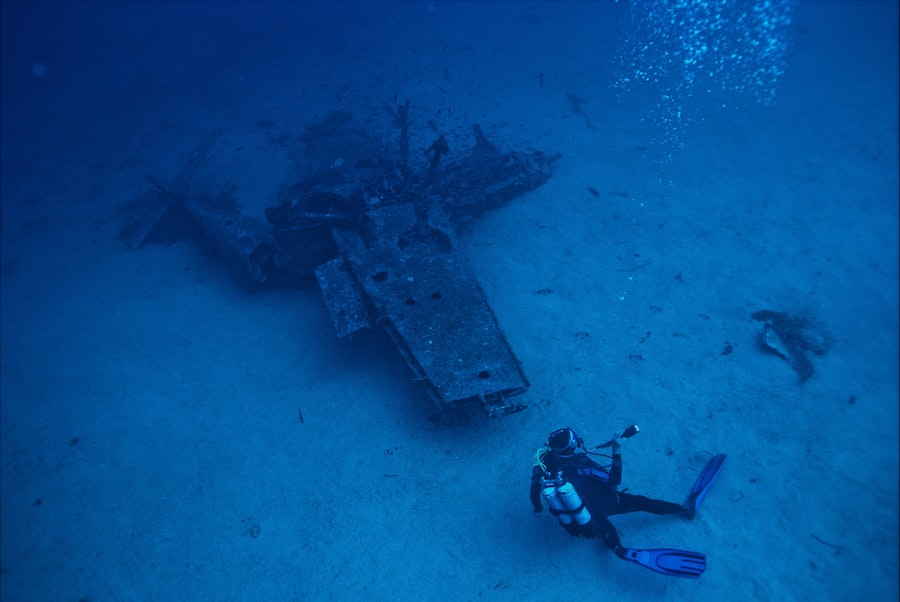
The persistent quest to locate the wrecks took a significant turn in the 21st century, thanks to advancements in technology and a renewed dedication to the search. The Parks Canada-led project, with its sophisticated equipment and collaborative approach, finally brought to light the resting place of HMS Erebus, a crucial piece of the puzzle.
The Arctic Research Foundation and the Vanquisgisher
A pivotal moment in the search for HMS Terror and HMS Erebus came with the involvement of the Arctic Research Foundation and their icebreaker, the R/V Martin Bergmann, captained by the renowned Arctic explorer, Louie Kamookak. This organization, dedicated to Arctic research, played a crucial role in coordinating and supporting the ongoing efforts. Their vessel provided a vital platform for surveys and exploration in the challenging Arctic waters.
Sonar and Hydrographic Surveys
The key to unlocking the secrets of the Arctic seabed lay in advanced sonar and hydrographic survey technologies. Parks Canada, in collaboration with various partners, employed cutting-edge multibeam echosounders and side-scan sonar systems. These technologies allowed researchers to map the seabed with unprecedented detail, identifying anomalies and potential wreck sites in the vast and often murky waters. The constant movement of ice and the challenging underwater conditions necessitated specialized equipment and expertise.
The Historic Moment of Discovery
On September 1, 2014, after years of meticulous searching and analyzing sonar data, the Parks Canada expedition announced the discovery of the wreck of HMS Erebus. The sonar images revealed a remarkably well-preserved vessel resting upright on the seabed. The discovery sent shockwaves through the historical and archaeological communities, marking a monumental achievement in the quest to solve the Franklin mystery. The wreck was located in the M’Clintock Channel, a location consistent with some of the Inuit testimonies and previous theories.
Underwater Archaeology in Action: Exploring HMS Terror
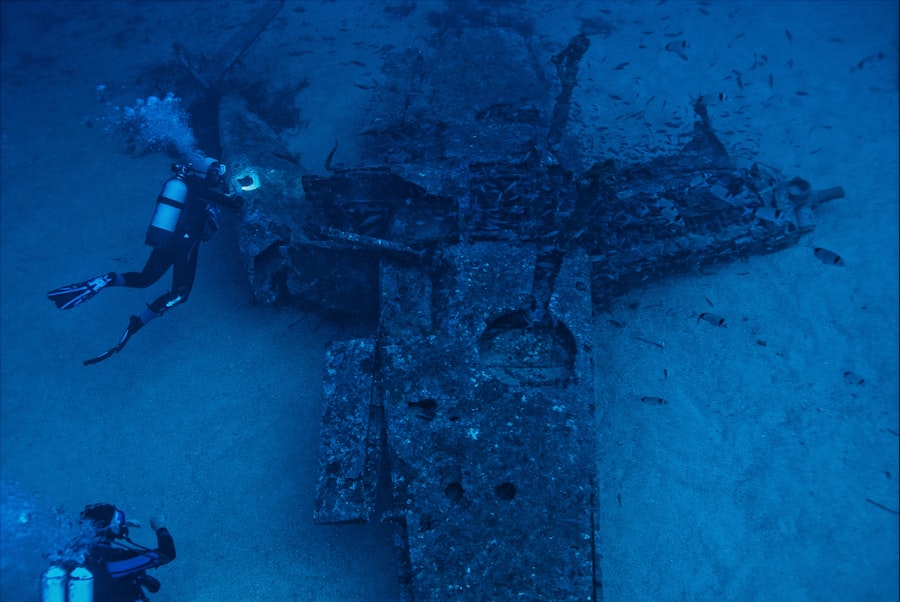
The discovery of HMS Erebus was a monumental step, but the mystery of HMS Terror’s final resting place continued to loom large. The subsequent discovery and exploration of HMS Terror have provided an unparalleled opportunity for underwater archaeology, allowing researchers to meticulously document and interpret the remnants of a lost world.
The Quest for HMS Terror
Following the discovery of HMS Erebus, the focus of the search shifted to locating HMS Terror. This phase of the expedition was no less challenging, requiring persistence and the application of lessons learned from the Erebus discovery. The area of search was expanded, and the teams continued to utilize advanced sonar technology to scan the seabed.
The Dramatic Revelation of Terror’s Wreck
In September 2016, another groundbreaking announcement electrified the world: the wreck of HMS Terror had been found. Located in Terror Bay on King William Island, the wreck was in even better condition than HMS Erebus, lying upright on the seabed at a depth of approximately 24 meters. This remarkable preservation was attributed to the extremely cold, dark, and low-salinity waters of the Arctic, which severely limit the activity of wood-boring organisms and slow down the decay process. The discovery was made possible by information provided by an Inuit hunter from Taloyoak, Nunavut, who reported seeing a “wooden object” in the bay, leading the research team to the precise location.
The Art of Underwater Excavation and Documentation
Exploring a shipwreck of this magnitude is a complex and delicate undertaking. Underwater archaeologists employ a range of specialized techniques to document and, where necessary, excavate a site. This includes meticulous mapping of the wreck’s structure, photography and videography from various angles, and the use of remotely operated vehicles (ROVs) equipped with cameras and manipulators. Each artifact recovered is carefully cataloged, conserved, and analyzed to glean as much information as possible.
Recent discoveries surrounding the HMS Terror have sparked significant interest in underwater archaeology, shedding light on the mysteries of historic shipwrecks. For those intrigued by the implications of exploration and exploitation in maritime contexts, a related article discusses how Chinese companies are navigating loopholes in Mexico’s regulations, which can be seen as a parallel to the challenges faced in preserving underwater heritage. You can read more about this topic in the article here.
Unveiling Secrets: Artifacts and Insights
| Depth | Location | Discovery Date | Excavation Status |
|---|---|---|---|
| 24 meters | King William Island, Canada | 2016 | Ongoing |
The wrecks of HMS Erebus and HMS Terror are not merely historical curiosities; they are time capsules, offering invaluable insights into the lives of the crew, the technology of the era, and the tragic events that unfolded. The artifacts recovered from these frigid depths speak volumes, piecing together the narrative of the ill-fated expedition.
The State of Preservation
The exceptional preservation of the wrecks is a key factor in the wealth of information they are providing. Wooden structures, such as decks, masts, and bulkheads, remain largely intact. Personal belongings, scientific instruments, and even preserved food items have been found, offering a tangible connection to the men who sailed on these vessels. The cold, oxygen-poor environment has slowed the decomposition process to an extraordinary degree, creating an almost frozen-in-time snapshot of the ships’ final moments.
Recovered Artifacts and Their Significance
Among the many artifacts recovered are personal items like pewter plates, ceramic cups, and woolen clothing. Naval equipment, including cannons, navigational instruments, and anchors, have also been meticulously documented and some have been brought to the surface for conservation. Of particular interest are the preserved food stores, which offer insights into the diet of the crew and potential nutritional deficiencies that may have contributed to their demise. The condition of these artifacts is remarkable, allowing for detailed study.
The Story Told by the Ships
The wrecks themselves tell a story. The condition of the hulls, the placement of the debris, and the evidence of repairs or modifications all contribute to the narrative. For example, the presence of ice damage and the ways in which the crew attempted to mitigate it provide a stark picture of the challenges they faced. The way the ships came to rest on the seabed, one upright and the other on its side, also offers clues about the circumstances of their final sinking. The positioning of the wrecks can indicate whether they were deliberately scuttled or succumbed to the ice.
The Future of Arctic Underwater Heritage
The discoveries of HMS Erebus and HMS Terror have ushered in a new era of Arctic underwater archaeology. The ongoing research promises to further illuminate the Franklin expedition and contribute to our broader understanding of maritime history and the challenges of polar exploration. The preservation and study of these wrecks are not just academic pursuits; they are acts of remembrance and a commitment to safeguarding irreplaceable cultural heritage.
Ongoing Research and Analysis
The work is far from over. Researchers are continuing to analyze the vast amount of data collected from the wrecks. This includes detailed studies of the artifacts, the analysis of any organic remains, and the ongoing sonar mapping of the surrounding seabed for any additional debris. The integration of historical records, Inuit oral traditions, and archaeological findings is crucial for a comprehensive understanding of the expedition’s fate.
Collaboration and Knowledge Sharing
The success of the Franklin expedition searches and wreck explorations is a testament to international collaboration and the sharing of knowledge. Parks Canada has worked closely with Inuit communities, universities, and international research institutions. This collaborative spirit is vital for the future of Arctic research, ensuring that these discoveries benefit a wide range of stakeholders and contribute to a global understanding of our shared maritime heritage. The respectful engagement with Indigenous knowledge holders is particularly important in the Arctic.
Protecting a Fragile Legacy
The Arctic environment presents unique challenges for heritage preservation. The ongoing efforts are focused on ensuring the long-term protection of these fragile wrecks. This includes establishing monitoring programs, developing strategies for preventing disturbance from shipping or other human activities, and continuing the delicate process of artifact recovery and conservation. The goal is to preserve these sites for future generations to study and learn from, ensuring that the stories of HMS Terror and HMS Erebus are never forgotten. The immense historical and cultural significance of these wrecks necessitates a rigorous approach to their protection.
129 Men Vanished in the Arctic. Then We Found Their Ships.
FAQs
What is the HMS Terror?
The HMS Terror was a Royal Navy warship that was involved in several expeditions, including the ill-fated Franklin Expedition to the Arctic in 1845.
What is the significance of the HMS Terror in underwater archaeology?
The discovery and exploration of the HMS Terror wreck site has provided valuable insights into the history of Arctic exploration and the fate of the Franklin Expedition.
Where was the HMS Terror discovered?
The wreck of the HMS Terror was discovered in 2016 in Nunavut, Canada, in the waters of Terror Bay, near King William Island.
What have archaeologists found at the HMS Terror wreck site?
Archaeologists have found remarkably well-preserved artifacts at the HMS Terror wreck site, including personal items, navigational instruments, and even the ship’s bell.
What are the future plans for the HMS Terror wreck site?
Future plans for the HMS Terror wreck site include continued archaeological exploration and preservation efforts, as well as ongoing research to uncover more details about the Franklin Expedition and the ship’s history.