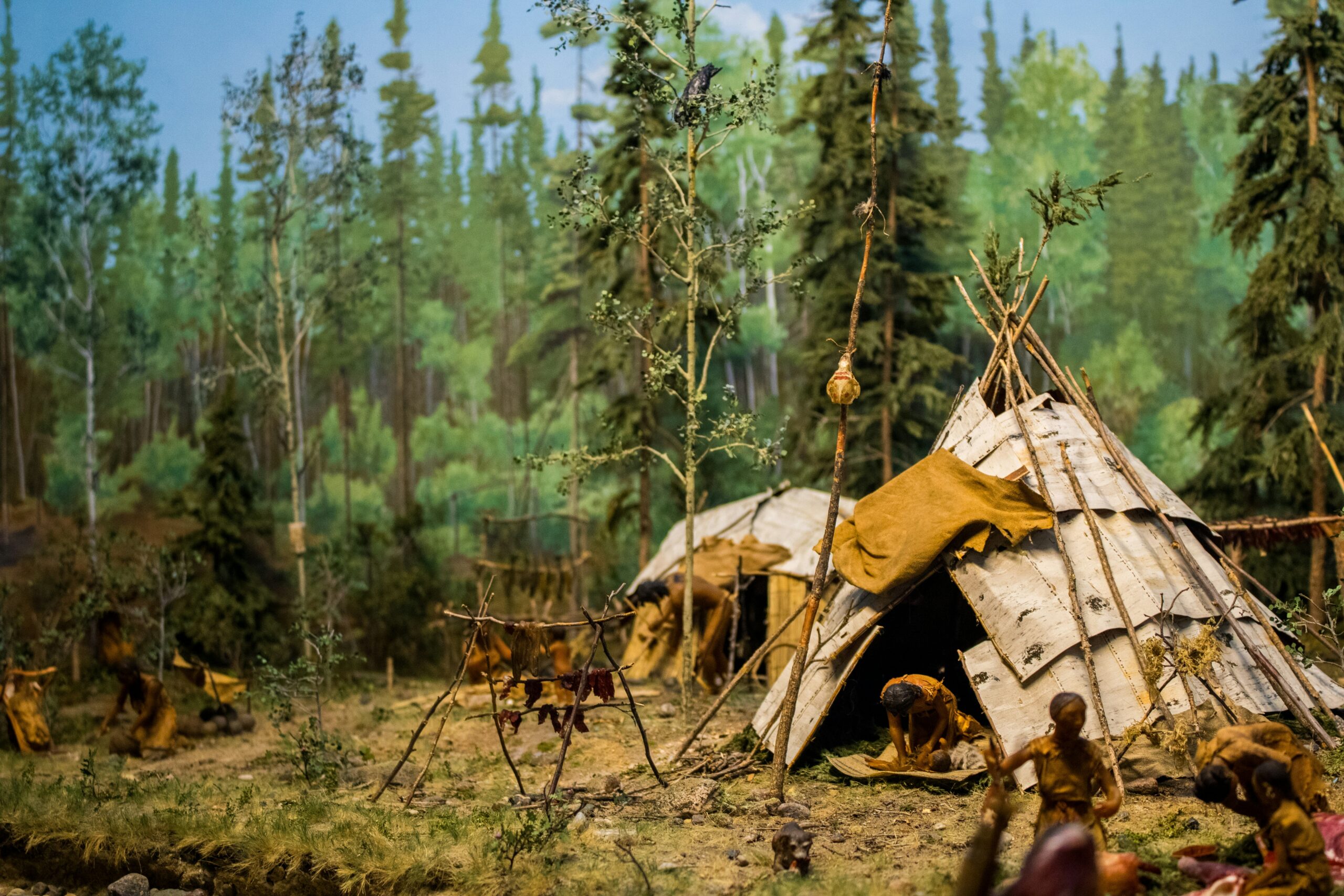
The whisper of the wind through ancient pines, the roar of a waterfall carving its path through stone, the silent, watchful gaze of a predator in the twilight – these are the sensory echoes that the documentary Exploring Untamed Lands: A Wilderness History seeks to evoke. Far from a mere travelogue or a dry academic recounting, this ambitious production delves deep into the historical narratives woven into the very fabric of the world’s wildest places. It is a journey not only across geographical expanses but also through time, examining humanity’s complex and often fraught relationship with the untamed landscapes that shaped civilizations and continue to hold an indelible power over the human spirit.
The documentary, helmed by veteran nature filmmaker Anya Sharma, promises a visceral and intellectually stimulating exploration of how wilderness has been perceived, utilized, feared, and ultimately, preserved throughout human history. Moving beyond the picturesque postcard views, Sharma and her team have meticulously unearthed stories of indigenous cultures whose lives were intrinsically linked to the rhythms of the natural world, of early explorers who braved uncharted territories with a mixture of awe and avarice, and of the burgeoning conservation movements that arose from a growing understanding of humanity’s impact.
The Deep Roots: Indigenous Connections to the Wild
At the heart of Exploring Untamed Lands lies a profound respect for the ancestral custodians of the wilderness. The film dedicates significant screen time to understanding the intricate knowledge systems and spiritual connections that indigenous peoples have fostered with their environments for millennia.
Echoes of the First Peoples
The opening segments transport viewers to vast, ancient landscapes – the Amazon rainforest, the Australian Outback, the Arctic tundra. Here, the documentary aims to showcase not just the biodiversity but the human stories embedded within these ecosystems. Through interviews with elders and cultural historians, and the use of evocative reenactments and archival footage where available, viewers are introduced to ways of life where every plant, animal, and geographical feature held significance, often tied to elaborate mythologies and sacred practices. The film emphasizes that for these communities, the wilderness was not an empty space to be conquered, but a living, breathing entity to be respected and understood.
For those interested in the intricate relationship between human history and the wilderness, a compelling article titled “Uncovering the Secrets of the Desert Vault” delves into the historical significance of remote landscapes and their impact on civilization. This piece explores how deserts have shaped human experiences and narratives throughout time, making it a perfect companion to any wilderness history documentary. To read more about this fascinating topic, visit Uncovering the Secrets of the Desert Vault.
Sustaining the Balance: Traditional Ecological Knowledge
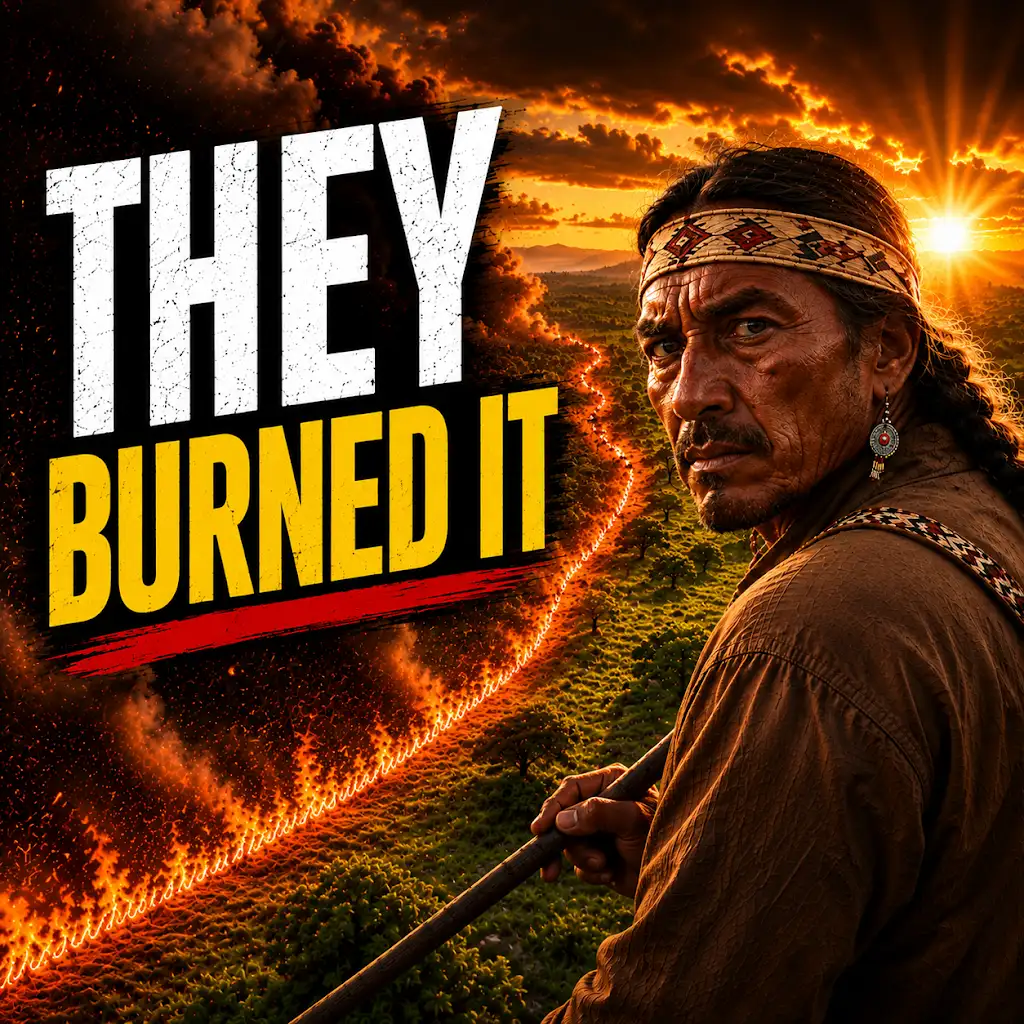
The documentary meticulously details the sophisticated understanding of ecological principles that indigenous populations possessed. This isn’t simply about survival; it’s about a holistic approach to resource management that ensured the long-term health of the land. Exploring Untamed Lands will highlight specific examples, such as controlled burning techniques used by Australian Aboriginal peoples to manage vegetation and promote biodiversity, or the intricate fishing and hunting strategies employed by Native American tribes that prevented overexploitation. The film argues that this “traditional ecological knowledge” offers invaluable lessons for modern conservation efforts, challenging the Western paradigm of dominating nature.
The Sacred Geography
Beyond practical knowledge, the film explores the spiritual dimension of indigenous relationships with the wilderness. Mountains, rivers, and forests are often imbued with spirit, becoming sacred sites where rituals are performed and ancestral beings are honored. Exploring Untamed Lands will bring these sacred geographies to life, illustrating how they shaped cultural identity and provided a framework for understanding humanity’s place within the cosmos. The filmmakers aim to convey the deep sense of responsibility and reciprocity that characterized these ancient relationships, a stark contrast to the extractive economies that would later emerge.
The Age of Discovery: Conquest and Curiosity
The narrative then shifts to the era of European exploration, a period marked by both insatiable curiosity and a drive for territorial expansion and resource exploitation. Exploring Untamed Lands navigates this complex legacy with a critical eye, acknowledging the courage and scientific advancements of explorers while also confronting the devastating consequences for both indigenous populations and the natural world.
Charting the Unknown: The Explorer’s Imperative
The documentary revisits the journeys of figures like Magellan, Columbus, and Lewis and Clark, not just as tales of daring adventure, but as pivotal moments in the reshaping of global understanding and power dynamics. It will showcase the meticulous mapping, botanical collection, and zoological documentation that characterized these expeditions, highlighting the scientific curiosity that propelled them. However, the film will also juxtapose these narratives with the “discovery” of lands already inhabited and the subsequent imposition of European rule.
In exploring the intricate relationship between human activity and the natural world, a fascinating article discusses the implications of commercialization in space, which can draw parallels to the historical exploitation of wilderness areas on Earth. The documentary on wilderness history highlights how these themes of commercialization and conservation have evolved over time. For a deeper understanding of how these dynamics play out in a different context, you can read more about the risks associated with commercializing orbital space in this insightful piece. Check it out here: the risks of commercializing orbital space.
The Lure of Riches: Exploitation and Extraction
A significant portion of this section will focus on the economic motivations behind exploration. The quest for valuable resources – furs, timber, minerals, and spices – drove much of the westward expansion and colonization. Exploring Untamed Lands will illustrate how vast tracts of wilderness were cleared for agriculture, their resources plundered for European markets, and the devastating impact this had on local ecosystems. The film will feature historical accounts and visual representations of large-scale logging operations, mining booms, and the decimation of wildlife populations due to commercial hunting.
The Seeds of Conflict: Indigenous Displacement
The documentary unflinchingly addresses the tragic displacement and subjugation of indigenous peoples that accompanied European expansion. It will explore how the concept of “empty” or “unclaimed” land, prevalent in European thought, justified the dispossession of native communities and the destruction of their traditional ways of life. Through harrowing historical accounts and compelling visual storytelling, the film aims to amplify the silenced voices of those who bore the brunt of this era.
The Industrial Revolution and the Dawn of Conservation
The relentless march of industrialization brought about unprecedented changes to the natural world, creating new forms of pollution and accelerating the depletion of resources. It was in this context of growing environmental degradation that the modern conservation movement began to take shape, driven by a growing awareness of the fragility of wilderness.
The Unseen Scars: Pollution and Progress
Exploring Untamed Lands will dedicate a segment to the environmental toll of the Industrial Revolution. This will include visual evidence of smog-choked cities, polluted rivers, and the widespread deforestation driven by the demand for raw materials and fuel. The film will utilize historical photographs and early film footage to illustrate the stark contrast between pre-industrial landscapes and the increasingly industrialized world. It will also explore the emerging scientific understanding of pollution and its detrimental effects on both human health and ecosystems.
The Romantic Response: Art and Advocacy
The documentary will also explore the rise of Romanticism and its influence on the perception of wilderness. Artists, writers, and poets like Wordsworth, Thoreau, and John Muir found solace and inspiration in nature, articulating a deep appreciation for its beauty and spiritual power. Exploring Untamed Lands will showcase how these artistic expressions fostered a nascent awareness of the value of untouched landscapes and laid the groundwork for conservationist ideals.
The Birth of the National Park: Preserving Nature’s Majesty
A pivotal aspect of this section will be the story behind the establishment of the world’s first national parks, such as Yellowstone. The film will delve into the debates and legislative battles that led to the creation of these protected areas, highlighting the visionaries who argued for their preservation for future generations. It will explore the challenges faced by early park rangers and the ongoing efforts to balance preservation with public access.
Modern Wilderness: Threats and Triumphs
The latter half of Exploring Untamed Lands turns its attention to the 20th and 21st centuries, a period characterized by increasingly sophisticated technologies for both exploitation and conservation, and by global challenges like climate change.
The Shrinking Frontier: Urbanization and Development
The documentary will meticulously document the relentless pressure of human population growth and economic development on remaining wilderness areas. This includes the impact of sprawling cities, expanding agriculture, and the construction of infrastructure like dams and highways. Exploring Untamed Lands will use satellite imagery and comparative historical photographs to illustrate the dramatic transformation of landscapes over recent decades, showcasing the shrinking pockets of wildness.
The Environmental Awakening: Science and Activism
This segment will highlight the crucial role of scientific research in revealing the extent of environmental damage and the rise of powerful grassroots activism. The film will explore key moments in environmental history, from the publication of Rachel Carson’s Silent Spring to the formation of major environmental organizations. It will showcase the impact of investigative journalism and public awareness campaigns in bringing critical issues like deforestation, species extinction, and pollution to the forefront of global discourse.
The Global Conservation Effort: Challenges and Innovations
Exploring Untamed Lands will examine the multifaceted nature of modern conservation efforts. This includes international agreements, the work of NGOs, and the development of innovative technologies for habitat restoration and wildlife monitoring. The documentary will feature stories of successful conservation projects, demonstrating that positive change is possible, but it will also confront the ongoing challenges posed by climate change, habitat fragmentation, and political inertia.
The Future of the Wild: A Call to Action
The documentary culminates with a forward-looking perspective, urging viewers to consider their role in safeguarding the remaining wild spaces. Exploring Untamed Lands aims to leave a lasting impression, not of despair, but of informed urgency and a renewed appreciation for the wild.
Our Interconnectedness: The Ecological Imperative
The film will re-emphasize the fundamental interconnectedness of all life. Through compelling scientific explanations and vivid imagery, it will illustrate how the health of wilderness ecosystems directly impacts human well-being, from clean air and water to climate regulation and the discovery of new medicines. Exploring Untamed Lands will argue that protecting the wild is not just an environmental issue, but an existential one.
Reimagining Our Relationship: Sustainability and Stewardship
The concluding segments will explore potential pathways towards a more sustainable and harmonious relationship with the natural world. This includes showcasing examples of ecotourism, regenerative agriculture, and innovative urban planning that prioritizes green spaces. The documentary will emphasize the importance of individual and collective action, encouraging viewers to become stewards of the environment in their own lives and communities.
The Enduring Spirit: Hope in the Wilderness
Despite the challenges, Exploring Untamed Lands: A Wilderness History seeks to end on a note of hope. The film will feature breathtaking footage of resilient species thriving in protected areas and inspiring stories of individuals and communities dedicated to conservation. The ultimate message is one of enduring respect for the power and beauty of the natural world, and a belief in humanity’s capacity to learn from its past and forge a more sustainable future for the untamed lands that remain. Anya Sharma’s ambitious undertaking promises to be more than just a historical documentary; it is an invitation to connect with our primal roots, to understand our impact, and to champion the vital importance of wilderness in the 21st century and beyond.
The Wilderness Was Engineered
FAQs
What is the wilderness history documentary about?
The wilderness history documentary explores the history of untouched natural landscapes and the impact of human interaction on these areas. It delves into the evolution of wilderness conservation efforts and the significance of preserving these environments.
Who is the target audience for the wilderness history documentary?
The target audience for the wilderness history documentary includes nature enthusiasts, history buffs, environmentalists, and anyone interested in learning about the historical significance of wilderness areas and the efforts to protect them.
What time period does the wilderness history documentary cover?
The wilderness history documentary covers a wide range of time periods, from the early exploration and settlement of wilderness areas to the modern-day conservation efforts and debates surrounding the preservation of these landscapes.
Where can I watch the wilderness history documentary?
The wilderness history documentary may be available for streaming on various platforms such as streaming services, online rental or purchase, or through educational institutions and libraries. Check with your local streaming services or educational institutions for availability.
Who are the experts featured in the wilderness history documentary?
The wilderness history documentary features interviews and insights from historians, environmentalists, conservationists, and experts in the field of wilderness preservation. These experts provide valuable perspectives on the historical and contemporary significance of wilderness areas.