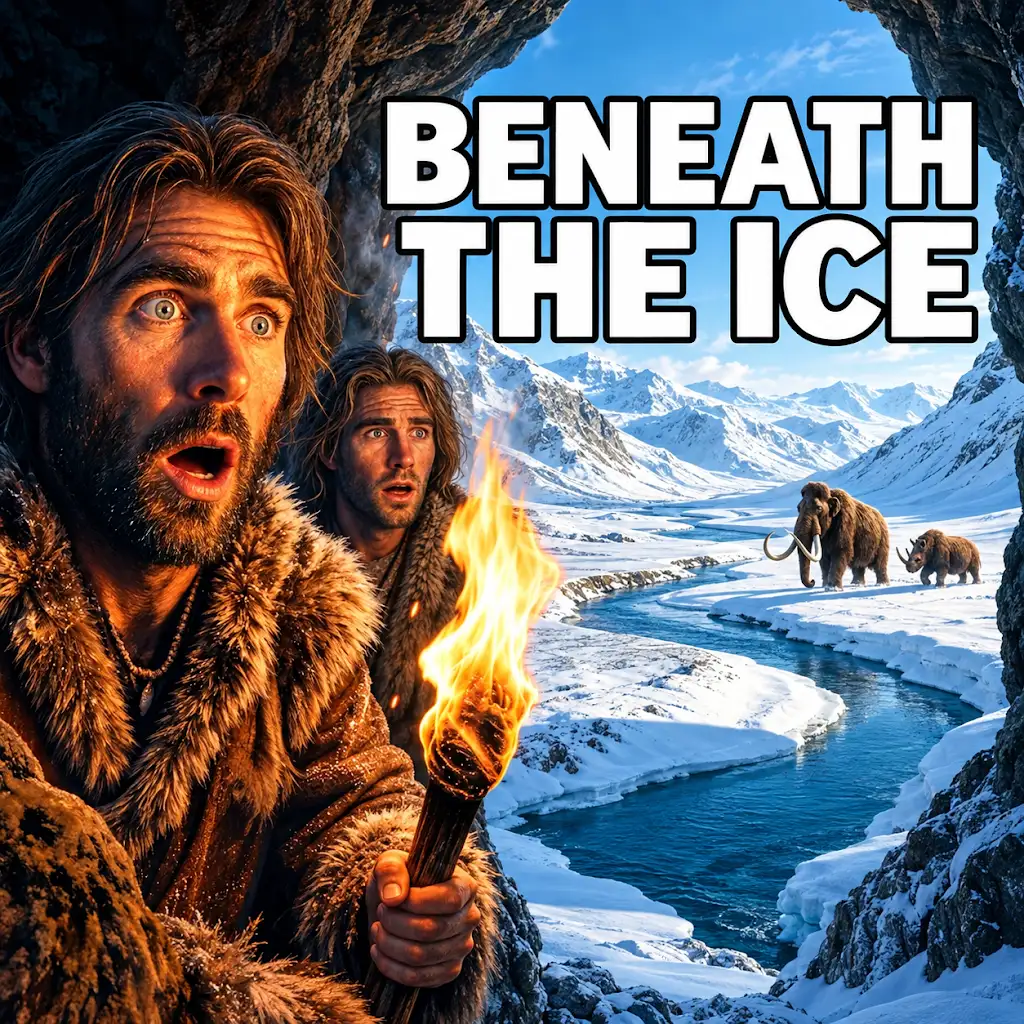
The flickering images on the screen, rendered with meticulous detail, transported viewers back to an era of raw, untamed power. “Extinct Pleistocene Predators: A Documentary on Ancient Hunters” was not merely a chronicle of lost species; it was an immersion into a world where survival was a daily, brutal testament to evolution’s relentless hand. The documentary, a masterpiece of scientific visualization and compelling narrative, explored the apex predators that roamed the Earth during the Pleistocene epoch, a period stretching from roughly 2.6 million to 11,700 years ago. It meticulously dissected their anatomy, behavior, hunting strategies, and ultimately, the reasons for their disappearance, offering a profound glimpse into the planet’s dynamic past and the delicate balance of its ecosystems.
Echoes of the Ice Age: The Pleistocene Landscape
The documentary painted a vivid picture of the Pleistocene, a time often referred to as the “Ice Age.” However, it emphasized that this was not a uniform epoch of frozen desolation. Instead, it was characterized by cycles of glaciation and interglacial periods, leading to dramatic shifts in climate, sea levels, and vegetation. Vast ice sheets covered significant portions of the Northern Hemisphere, influencing weather patterns and creating unique ecological niches. The documentary’s opening sequences showcased sweeping panoramas of icy tundras, sprawling grasslands dotted with megafauna, and dense, primeval forests, all brought to life through stunning CGI and expert paleontological reconstructions. These landscapes were not static backdrops but active participants in the evolutionary drama, shaping the very nature of the predators that inhabited them.
The Shifting Continents and Climates
The film detailed how continental drift, though a slow process, had already established many of the landmasses in their current positions by the Pleistocene. However, the constant fluctuations in global temperatures had a far more immediate and pronounced effect. During glacial periods, vast quantities of water were locked up in ice sheets, causing sea levels to drop and exposing land bridges that facilitated migration. Conversely, interglacial periods saw ice melt, raising sea levels and fragmenting habitats. These climatic swings directly influenced the distribution of plant life, dictating the availability of prey for the large herbivores, which in turn sustained the formidable carnivores. The documentary’s narration expertly connected these macro-level environmental changes to the micro-level adaptations of the Pleistocene predators.
Flora and Fauna: A World of Giants
The Pleistocene is renowned for its megafauna, and the documentary dedicated considerable time to illustrating the sheer scale and diversity of life during this epoch. Herbivores like the woolly mammoth, the mastodon, the giant ground sloth, and the dire wolf’s primary prey, the American horse, were depicted in their natural habitats, their immense size a testament to the abundant plant life. The documentary argued that the sheer abundance of these large herbivores was a critical factor in the evolution of equally impressive predators. It highlighted the co-evolutionary arms race between predator and prey, where the development of size, speed, or formidable weaponry in one spurred the development of counter-adaptations in the other. The scale of these ancient ecosystems was a recurring theme, emphasizing a world far grander and more perilous than many can easily imagine.
In the fascinating realm of extinct Pleistocene predators, a recent documentary delves into the lives of these formidable creatures that once roamed the Earth. To further explore the mysteries of our planet’s past, you might find interest in an article discussing a mysterious landmass beneath the Antarctic ice. This intriguing piece sheds light on geological formations that could provide insights into ancient ecosystems and the climatic conditions that shaped them. For more information, check out the article here: Mysterious Landmass Beneath Antarctic Ice.
The Tyrants of Their Time: Unveiling Pleistocene Predators

The core of the documentary focused on the awe-inspiring predators that commanded the Pleistocene food webs. These were not the sleek, efficient hunters of today, but often colossal creatures with specialized adaptations for tackling immense prey. The film meticulously introduced each predator, delving into their physical characteristics, their presumed hunting strategies, and their ecological roles.
Smilodon: The Saber-Toothed Cat of Legend
Perhaps the most iconic Pleistocene predator featured was Smilodon, the saber-toothed cat. The documentary presented a detailed anatomical breakdown of this magnificent feline, emphasizing its disproportionately long, flattened canine teeth. It moved beyond the popular, albeit somewhat simplistic, image of Smilodon as a brute force hunter. Through expert interviews and computer simulations, the film explored the nuanced mechanics of its killing bite, suggesting it was likely used for precise neck or throat punctures rather than a messy, all-consuming attack. The documentary discussed the different species of Smilodon and their geographic distribution, painting a picture of a widespread and successful predator. It also touched upon the ongoing debate about its hunting behavior: did it hunt alone, or in packs? The visual reconstructions were particularly effective, showing Smilodon stalked, ambushed, and ultimately brought down prey that would dwarf modern lions.
Canis Dire: The Unrivaled Wolf of the Pleistocene
The dire wolf, Canis dire, was another star of the documentary. While closely related to modern wolves, the dire wolf was considerably larger and more robust. The film highlighted its powerful build, suggesting it was adapted for taking down large, formidable prey such as bison and horses. Through analysis of fossilized remains, particularly bite marks on prey bones, paleontologists have inferred that dire wolves were likely pack hunters, employing coordinated strategies to overcome their challenges. The documentary illustrated the complex social dynamics within a dire wolf pack, drawing parallels with modern wolf behavior but emphasizing the amplified scale and intensity required to bring down Pleistocene megafauna. The visual representations of dire wolf packs working in unison were both terrifying and awe-inspiring, showcasing a level of cooperation and predatory prowess that cemented their position at the apex of the food chain.
Arctodus Simus: The Short-Faced Bear’s Dominance
The short-faced bear, Arctodus simus, presented a different kind of terror. This colossal bear was one of the largest terrestrial carnivores to have ever lived, dwarfing its modern grizzly bear relatives. The documentary explored its massive skull, its powerful jaws, and its incredibly long limbs, suggesting an animal capable of both immense strength and surprising speed. While the exact dietary habits of Arctodus simus remain a subject of scientific inquiry, the film presented evidence suggesting it was an opportunistic omnivore with a significant predatory component. It likely scavenged carcasses opportunistically but was also capable of hunting large herbivores. The documentary illustrated scenarios where a short-faced bear might have confronted or usurped other predators from their kills, highlighting its sheer dominance within its ecosystem. Its immense size and inferred power made it a creature to be reckoned with, a true titan of the Pleistocene.
Other Notable Predators and Their Niches
Beyond these prominent figures, the documentary also shed light on other formidable Pleistocene predators. The cave lion, a slightly larger relative of modern lions, was depicted as a powerful hunter of open grasslands and steppe environments. The documentary also touched upon the ecological roles of smaller, but still significant, predators like the American cheetah (Miracinonyx) and various species of saber-toothed cats besides Smilodon, demonstrating the diverse array of predatory specializations that existed. Each predator was presented not in isolation, but as a crucial component of its specific environment, contributing to the overall health and stability of the Pleistocene ecosystems.
Hunting Strategies: The Art and Science of Ancient Predation

The documentary dedicated a significant portion to the complex and often brutal hunting strategies employed by these extinct predators. It moved beyond simplistic depictions of a chase and kill, delving into the intricate planning, physical prowess, and environmental factors that contributed to their success.
Ambush and Pursuit: Tactics of the Terrestrial Hunters
The film explored the contrasting hunting styles of different predators. Saber-toothed cats, with their relatively stocky build and powerful forequarters, were likely ambush predators. The documentary visualized how Smilodon might have used cover, patiently waiting for unsuspecting prey before launching a swift and deadly attack. The short, powerful legs of some saber-toothed cats also suggested they were not built for prolonged chases, favoring surprise over endurance. In contrast, the dire wolf’s more slender, agile build, coupled with evidence of pack behavior, pointed towards a more pursuit-oriented strategy. The documentary animated pack formations, showcasing how coordinated movements and relentless pursuit could wear down even the fastest and most powerful herbivores.
The Role of Anatomy and Physiology
The documentary consistently linked anatomical features to hunting effectiveness. The immense jaw strength of the dire wolf, inferred from fossilized skull structures, was presented as crucial for crushing bone and securing prey. The dagger-like claws of Smilodon, while not ideal for sustained running, were clearly designed for grappling and delivering incapacitating wounds. The documentary also explored the metabolic costs associated with large body size, suggesting that these predators needed to be highly efficient hunters to sustain their energy demands. The specialized dentition of each species was meticulously examined, with animations illustrating how different tooth shapes and sizes were adapted for specific functions, from shearing flesh to crushing bone.
Competition and Scavenging: A Complex Food Web
The documentary did not portray these predators as solely independent hunters. It highlighted the constant competition for resources that existed within Pleistocene ecosystems. Scenarios were depicted where larger predators might have driven smaller ones away from kills, or where scavenging played a significant role. The intelligence and adaptability of these ancient hunters were also implicitly demonstrated through their ability to exploit various hunting opportunities, whether it was a direct kill, scavenging a carcass left by another predator, or even preying on the young and vulnerable. The intricate web of interactions between predators, prey, and even among different predator species painted a more nuanced picture of Pleistocene life.
The Great Extinction: Why Did They Vanish?
A central and compelling aspect of the documentary was its exploration of the causes behind the extinction of these magnificent Pleistocene predators. It moved beyond a single, simple explanation, presenting a multifaceted narrative that integrated multiple contributing factors.
Climate Change and Habitat Loss: The Shifting World
The documentary strongly emphasized the impact of rapid climate change at the end of the Pleistocene. As the Earth transitioned out of the last glacial period, environments underwent dramatic transformations. Glaciers receded, sea levels rose, and vast grasslands that supported huge herds of megafauna began to fragment or disappear. This directly impacted the prey base of the large predators. The documentary showed how habitats that once sustained vast numbers of mammoths and other megaherbivores became unsuitable, leading to a decline in their populations. This loss of their primary food source would have had a cascading effect, putting immense pressure on the predators that depended on them.
The Arrival of Humans: A New Apex Predator
The documentary also addressed the significant role of early human hunters in the extinction of Pleistocene megafauna and their predators. It presented evidence suggesting that humans, armed with increasingly sophisticated tools and hunting techniques, became highly effective predators themselves. The film depicted early humans hunting the same megafauna that the extinct predators relied upon, thus competing directly for food resources. Furthermore, it suggested that human expansion and hunting pressure may have directly impacted predator populations, either through direct conflict or by decimating their prey. The documentary avoided sensationalism, instead presenting a scientific consensus that humans were a significant, though not necessarily the sole, factor in these extinctions.
Interconnected Ecosystem Collapse: A Domino Effect
The film argued that the extinctions were not due to a single cause but rather a complex interplay of factors leading to ecosystem collapse. The loss of megaherbivores due to climate change and human hunting created a void in the food web. This, in turn, severely impacted the large predators that specialized in hunting these giants. The documentary used animated diagrams to illustrate how the decline of one species could have ripple effects throughout the entire ecosystem, leading to the eventual disappearance of entire trophic levels. The message was clear: the Pleistocene was a delicately balanced system, and the pressures applied at its end were too great for many of its most impressive inhabitants to endure.
In exploring the fascinating world of extinct Pleistocene predators, one can gain deeper insights into the ecological dynamics of that era by examining related topics such as the impact of trade agreements on modern wildlife conservation efforts. For instance, a recent article discusses how understanding labor value content in trade agreements can influence environmental policies, which indirectly affect wildlife preservation. You can read more about this connection in the article found here. This intersection of economics and ecology highlights the importance of considering various factors in the conservation of both past and present species.
Legacy and Lessons: What the Past Can Teach Us
| Predator | Scientific Name | Period | Region | Estimated Weight (kg) | Notable Features | Extinction Approximate Date |
|---|---|---|---|---|---|---|
| Saber-toothed Cat | Smilodon fatalis | Pleistocene | North and South America | 160-280 | Long, curved saber-shaped canine teeth | ~10,000 years ago |
| Dire Wolf | Canis dirus | Pleistocene | North America | 50-70 | Robust build, larger than modern wolves | ~10,000 years ago |
| Short-faced Bear | Arctodus simus | Pleistocene | North America | 600-900 | Massive size, long legs for fast running | ~11,000 years ago |
| American Lion | Panthera atrox | Pleistocene | North America | 230-320 | One of the largest lion species ever | ~10,000 years ago |
| Giant Short-faced Hyena | Pachycrocuta brevirostris | Pleistocene | Eurasia | 110-140 | Powerful jaws, scavenger and predator | ~500,000 years ago |
The concluding sections of “Extinct Pleistocene Predators: A Documentary on Ancient Hunters” shifted focus from the past to the present, exploring the enduring legacy of these ancient creatures and the valuable lessons that can be learned from their disappearance.
The Fragility of Ecosystems
The documentary powerfully illustrated the inherent fragility of even the most robust ecosystems. The Pleistocene, despite its giants, was not immune to profound change. The film served as a stark reminder that environmental shifts, whether natural or human-induced, can have devastating consequences for biodiversity. It emphasized that the intricate relationships within an ecosystem, built over millennia, can be disrupted with alarming speed. This message resonated strongly in a modern world facing its own environmental challenges.
The Evolutionary Arms Race Continues
The film subtly highlighted that the evolutionary arms race between predator and prey is a continuous process. While the Pleistocene predators are gone, the fundamental principles of adaptation, specialization, and competition remain. The documentary offered a historical perspective on the dynamic forces that shape life on Earth, suggesting that understanding these past interactions can provide valuable insights into the ongoing evolution of species today. It encouraged viewers to appreciate the constant interplay between organisms and their environments.
A Call for Conservation and Understanding
Ultimately, “Extinct Pleistocene Predators” served as a powerful elegy for these lost titans of the ancient world. It fostered a sense of awe and respect for the power of nature and the incredible diversity of life that has graced our planet. By delving into the lives and ultimate demise of these apex predators, the documentary implicitly encouraged a greater appreciation for the biodiversity we still possess and underscored the critical importance of conservation efforts. The film left viewers with a profound sense of wonder and a renewed understanding of the interconnectedness of all living things, past and present, serving as a vital educational tool for understanding the history of life on Earth and the responsibilities we hold for its future.