It’s a grim thought, but what do you actually do if starvation looms during a harsh winter, especially one that feels like an ice age? While the modern world has safety nets (though sometimes strained), historical or extreme survival scenarios demand a different kind of preparedness. The core idea isn’t about fancy gear, but about resourcefulness, knowledge, and a bit of luck. We’re talking about making the most of what little is available and avoiding the worst.
Understanding the Immediate Threat
When we talk about starvation in a winter setting, especially one that evokes an “ice age,” we’re picturing a severe scarcity of food coupled with extreme cold. This isn’t just about feeling peckish; it’s about the body’s desperate need for calories to function and survive. The environment itself becomes an antagonist, making food acquisition incredibly difficult and energy expenditure dangerously high.
The Calorie Deficit Cycle
At its heart, starvation is a calorie deficit. Your body needs a certain number of calories each day just to maintain basic functions like breathing, circulation, and keeping your core temperature up. In a cold environment, this requirement increases significantly. When you consume fewer calories than your body burns, it starts breaking down its own tissues for energy – first fat, then muscle. This leads to weakness, impaired cognitive function, and eventually, organ failure.
The Cold Factor
The “ice age” part of the equation amplifies the problem. Extreme cold means your body has to work much harder to stay warm. This burning of calories for heat directly competes with the calories needed for basic bodily functions and any physical activity required to find food or shelter. A lack of warm clothing or shelter makes this cycle even more brutal.
Facing starvation during an ice age winter presents a dire challenge for survival, as resources become scarce and the harsh environment tests human resilience. In this context, understanding the psychological and societal dynamics at play can be crucial. A related article that delves into the complexities of perception and reality in extreme situations is titled “The Illusion of Truth: How Power Conceals Reality.” You can read it [here](https://www.realloreandorder.com/the-illusion-of-truth-how-power-conceals-reality/). This piece explores how the manipulation of truth can impact decision-making, especially in life-and-death scenarios like enduring a brutal winter.
Essential Food Acquisition Strategies
Survival in such conditions hinges on finding any source of sustenance, no matter how unappealing. This means moving beyond typical diets and embracing what the natural world, however frozen, might offer.
Foraging in the Frozen Landscape
Even in winter, life persists. The key is knowing where and how to look.
- Under the Snow: Roots and tubers are often the most reliable plant-based food sources. Look for areas where the snow might be thinner or where certain plants typically grow. Patience is crucial, as digging through frozen ground is tough. Familiarize yourself with edible roots and avoid anything you can’t identify with absolute certainty – many edible roots have poisonous look-alikes.
- On Trees and Bushes: Certain hardy berries might still cling to branches, though their nutritional value might be diminished. Inner bark of some trees, like pine, contains a carbohydrate-rich cambium layer that can be scraped off and eaten. This is a last resort, as it can damage the tree and is not very palatable.
- In Water Bodies: If there are any unfrozen or shallow water sources, look for aquatic plants or any small creatures that might be present. Ice fishing, if you have the means and knowledge, could be a vital source of protein.
Hunting and Trapping the Scarce Game
Larger game is unlikely to be abundant or easy to catch in a severe winter. Focus on smaller, more manageable prey.
- Small Mammals: Rabbits, squirrels, and other rodents are possibilities. They might be more active during milder spells or around their burrows. Snares and simple traps are more energy-efficient than active hunting. Understanding animal trails and their behavior is paramount.
- Birds: Resident birds that haven’t migrated can be a source of protein. They might be found in sheltered areas or near food sources. Again, traps are often more effective than trying to shoot or catch them by hand.
- Insects and Grubs: While not appealing, many insects are high in protein. Look for them under logs, in decaying wood, or in sheltered crevices. This is a survival tactic that requires overcoming significant psychological barriers.
Preserving and Maximizing What You Find
Once you find food, making it last is critical.
- Drying and Smoking: If you have the means to build a fire and a safe place to dry or smoke meat or fish, this can significantly extend its usability. This requires sustained effort and resources (wood, salt if available).
- Cooking Thoroughly: Raw meat can carry parasites and diseases. Proper cooking is essential, even if it means using precious fuel.
Water: The Silent Killer
Dehydration is a major threat, especially in winter, and often overlooked until it’s too late. Your body still loses water through respiration and, if active, perspiration, even in the cold.
Finding Sources in the Cold
- Snow and Ice: Melting snow or ice is the most obvious source. However, eating snow directly lowers your core body temperature and uses up vital energy. Melt it first, ideally using body heat or a fire.
- Frozen Water Bodies: If you can access a frozen river or lake, you might be able to break through the ice to reach liquid water. Be extremely cautious of thin ice.
- Condensation: In a sheltered area, you might be able to collect condensation that forms on surfaces overnight.
Purification is Non-Negotiable
- Boiling: The most reliable method. If you have a container and a heat source, boiling water for at least a minute kills most harmful pathogens.
- Filtration (if possible): While not a substitute for boiling, filtering water through cloth or layers of sand and charcoal can remove larger debris.
Shelter and Fire: Conserving Your Most Precious Resource – Heat
In an ice age winter, heat is life. Losing body heat too quickly leads to hypothermia, which impairs judgment and physical ability, making survival impossible.
Building and Improving Shelter
- Natural Shelters: Caves, overhangs, or dense thickets can offer initial protection from wind and snow. Look for places that already provide some insulation.
- Improvised Structures: If no natural shelter is available, you’ll need to build one. Use available materials like branches, snow, leaves, and whatever else you can find to create a barrier against the elements. The goal is to trap your body heat and block the wind.
- Snow Caves: If the snow is deep and consistent, a snow cave can be surprisingly effective. Digging into a snowdrift, ensuring ventilation, can create a stable, insulated environment.
- Debris Huts: Piling up branches and covering them with insulating material like leaves, grass, or moss creates a rudimentary hut. The thicker the insulation, the better.
- Insulation is Key: Pack any available dry materials (leaves, grass, moss) into your shelter to create an insulating layer between you and the cold ground and walls.
Mastering Fire
Fire is essential for warmth, melting water, cooking food, and psychological comfort.
- Tinder and Kindling: You need very dry, fine material to catch a spark (tinder) and progressively larger, dry materials (kindling) to build the flame. Dried grasses, bark shavings, bird nests, and cottonwood fluff are good options.
- Fuelwood: Gather a substantial amount of dry wood before you start your fire. In winter, finding truly dry wood can be difficult. Look for dead standing trees or branches that are off the ground.
- Fire Starting Methods: Relying on matches or lighters is risky. Practice primitive fire-starting techniques like a friction-based fire (bow drill, hand drill) or using a ferrocerium rod and striker.
- Fire Management: Once lit, protect your fire from wind and moisture. Build it in a sheltered location or create a windbreak. Keep a good supply of fuel nearby. Learn how to manage the fire to conserve fuel while maximizing heat output.
Facing starvation in an ice age winter presents a daunting challenge for survival, as the harsh conditions limit access to food and resources. In this context, understanding how ancient civilizations adapted to extreme climates can provide valuable insights. For instance, an article that delves into the resilience of past societies is available at exploring the mysterious secrets of ancient palace ruins, which highlights how these communities navigated their environments and overcame adversity. Such knowledge can inspire modern approaches to resilience in the face of climate challenges.
Maintaining Physical and Mental Fortitude
| Metric | Value | Unit | Description |
|---|---|---|---|
| Average Temperature | -30 | °C | Typical winter temperature during an ice age |
| Food Availability | 10 | % | Percentage of normal food resources available |
| Daily Caloric Intake Needed | 2500 | kcal | Calories required to maintain basic bodily functions |
| Average Daily Caloric Intake | 800 | kcal | Estimated calories consumed during starvation conditions |
| Starvation Duration | 30 | Days | Typical survival time without adequate food |
| Body Weight Loss | 15 | % | Average weight loss after prolonged starvation |
| Risk of Hypothermia | High | N/A | Increased due to lack of energy and cold temperatures |
Survival is as much about your mind and body working together as it is about external resources.
Conserving Energy
Every action taken in extreme cold uses more energy.
- Move Deliberately: Avoid unnecessary exertion. Plan your movements to be efficient.
- Stay Dry: Wet clothing loses its insulating properties and drastically accelerates heat loss. Change into dry clothes if possible, or at least try to keep your core dry.
- Rest When Possible: Your body needs to recover. Find sheltered spots to rest, but avoid falling asleep in the cold without adequate shelter.
Mental Resilience
The psychological toll of extreme cold and starvation is immense.
- Focus on Immediate Tasks: Break down overwhelming challenges into smaller, manageable steps. Focus on what you need to do right now to survive the next hour or day.
- Maintain Hope (but be realistic): A sense of purpose and a belief in your ability to survive are crucial. However, this needs to be balanced with a clear-eyed assessment of the situation.
- Avoid Panicking: Panic leads to poor decisions and wasted energy. When faced with a problem, take a moment to assess and strategize.
Recognizing the Signs of Hypothermia and Starvation
Knowing the symptoms can help you or others take corrective action early.
- Hypothermia: Shivering (initially), confusion, slurred speech, drowsiness, loss of coordination, pale skin.
- Starvation: Fatigue, dizziness, irritability, dulled senses, muscle weakness, sunken eyes.
In the face of such a dire scenario, survival is a testament to resourcefulness, deep understanding of the natural world, and an unwavering will to live. It’s about adapting, improvising, and making the most of the barest of circumstances.
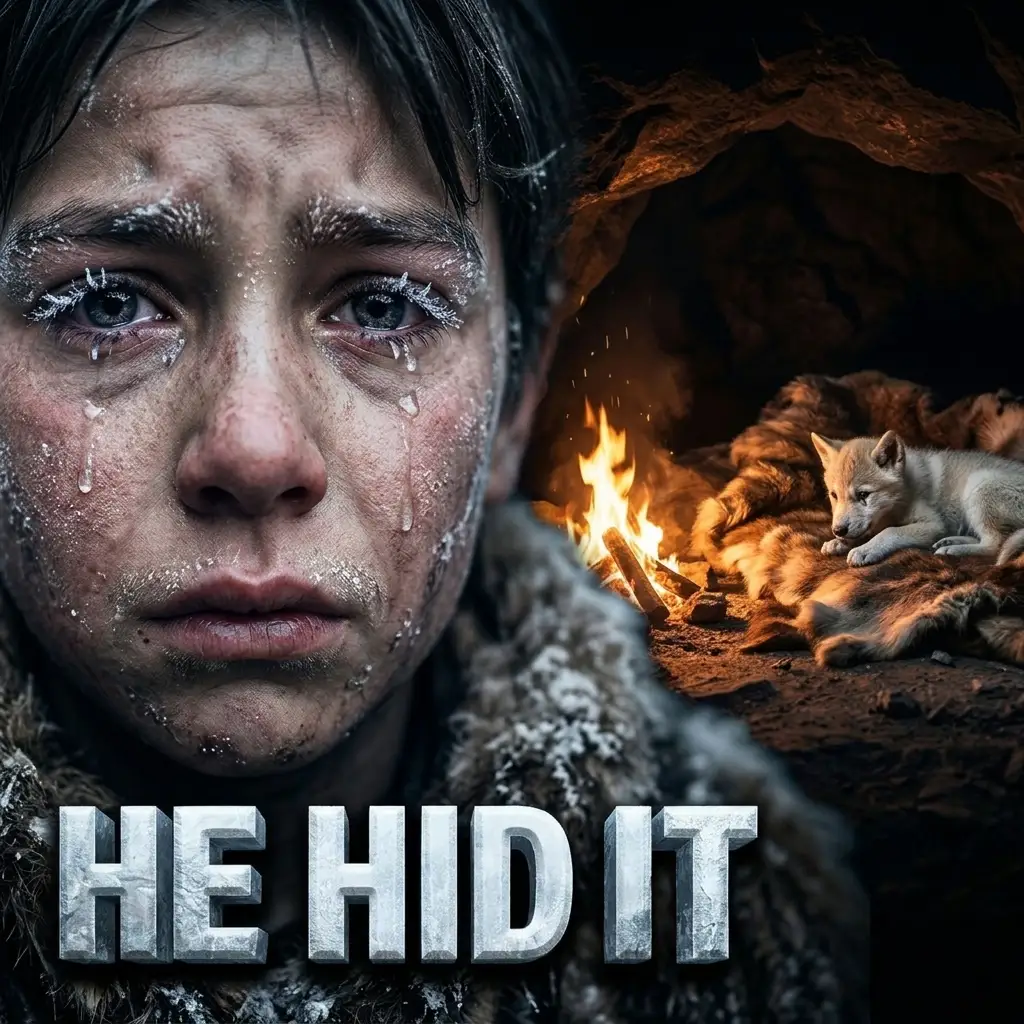
Life 20,000 Years Ago | When Your Ice Age Family Can’t Feed the Dog
FAQs
What are the primary causes of starvation during an ice age winter?
Starvation during an ice age winter is primarily caused by extreme cold temperatures that limit food production and availability. The harsh climate can lead to crop failures, reduced animal populations, and scarcity of edible plants. Additionally, the difficulty in hunting and gathering food due to snow and ice can exacerbate food shortages.
How do humans adapt to survive starvation in such conditions?
Humans adapt to survive starvation in ice age conditions by employing various strategies, such as developing advanced hunting techniques, creating insulated shelters, and storing food during warmer months. They may also rely on communal efforts to share resources and knowledge about foraging and preservation methods to maximize their chances of survival.
What role does technology play in surviving an ice age winter?
Technology plays a crucial role in surviving an ice age winter by providing tools and methods for hunting, food preservation, and shelter construction. Innovations such as the development of warm clothing, fire-making techniques, and the use of traps and weapons enhance the ability to gather food and protect against the elements, significantly improving survival rates.
What types of food sources are most reliable during an ice age winter?
During an ice age winter, reliable food sources typically include hardy root vegetables, preserved meats, and fish. Animals that can withstand cold climates, such as reindeer and seals, become vital for sustenance. Additionally, foraging for edible plants that can survive frost, as well as utilizing stored food supplies, are essential strategies for maintaining nutrition.
How does social structure impact survival during an ice age winter?
Social structure significantly impacts survival during an ice age winter by influencing resource distribution, cooperation, and knowledge sharing. Communities that work together can pool resources, share hunting and gathering responsibilities, and provide mutual support, which enhances their overall resilience against starvation. Strong social bonds can lead to better planning and more effective responses to food shortages.