
The gentle breeze whispers secrets through the ancient stones, carrying tales of resilience and tranquility. Nestled in the heart of Southeastern Anatolia, the Sayburç narrative relief stands as a silent testament to a community’s profound journey towards peace. This archaeological marvel, with its intricate carvings and symbolic representations, offers a unique window into a civilization that grappled with conflict and ultimately sought solace through communal storytelling and shared understanding. The Sayburç narrative relief is not merely a collection of images; it is a profound inscription of human experience, a collective memory etched in stone, and a beacon of hope for those seeking to overcome adversity.
The discovery of the Sayburç narrative relief was an event that sent ripples of excitement through the archaeological world. Its remote location, nestled within the rugged terrain of Southeastern Anatolia, had protected it from the ravages of time and human intervention for millennia. The painstaking excavation process, guided by the expertise of dedicated archaeologists, gradually brought to light the stunning tableau of carvings that had lain hidden for so long. This unveiling was more than just the uncovering of artifacts; it was the revelation of a lost narrative, a forgotten language of symbols that spoke volumes about the values and aspirations of its creators.
A Glimpse into a Prehistoric Past
The context of Sayburç’s discovery is crucial to understanding its significance. Situated in a region rich with archaeological sites, its unique character sets it apart. The relief, believed to date back to the Neolithic period, predates many of the more widely known historical civilizations, offering a glimpse into the very origins of organized human societies and their complex social structures. The surrounding landscape, a tapestry of rolling hills and arid plains, likely held a spiritual significance for the people who created and interacted with the relief.
The Art of Stone: Material and Technique
The very act of carving these intricate narratives into stone speaks to the dedication and skill of the ancient artisans. The choice of material, likely locally sourced basalt or limestone, was not arbitrary. These stones possessed a durability that ensured the longevity of the artwork, allowing the message to transcend generations. The techniques employed, though requiring immense effort with rudimentary tools, resulted in astonishing detail and clarity. Each stroke of the chisel was a deliberate act, contributing to the overarching story depicted on the relief.
The Excavation: A Delicate Revelation
The excavation process itself was a testament to patience and precision. Archaeologists had to navigate the challenging terrain, carefully removing layers of soil and debris that had accumulated over thousands of years. The goal was not simply to unearth the relief but to preserve its integrity and context. Understanding the spatial relationships between the carved panels and the surrounding environment was paramount to deciphering their meaning.
The Sayburç narrative relief, an intriguing artifact from ancient times, offers a fascinating glimpse into the cultural and technological advancements of its era. For those interested in exploring similar themes of ancient innovation and the mysteries surrounding advanced technologies of the past, a related article can be found at Unbelievable Ancient Advanced Technology. This article delves into various historical instances where ancient civilizations demonstrated remarkable engineering and scientific prowess, paralleling the insights gained from the Sayburç relief.
Deciphering the Narrative: Symbols of Conflict and Connection
The Sayburç narrative relief is characterized by its rich iconography, a complex lexicon of symbols that tells a story of hardship, communal struggle, and the eventual pursuit of peace. While a definitive translation of every symbol remains an ongoing scholarly pursuit, the recurring motifs and their arrangement offer compelling insights into the concerns and aspirations of the ancient community. The relief is not a static historical document but a dynamic portrayal of human emotions and societal dynamics.
The Imagery of Strife: Echoes of Conflict
Among the most prominent elements of the relief are depictions that strongly suggest periods of conflict. These might include stylized representations of human figures engaged in combat, weaponry, or symbols of scarcity and hardship. The presence of such imagery is not surprising, given the inherent challenges of prehistoric life, including inter-group tensions and resource competition. The artists did not shy away from depicting the difficult realities of their existence.
The Symbols of Reconciliation: Pathways to Peace
However, the narrative does not solely dwell on conflict. Intertwined with these depictions of strife are symbols that point towards resolution and harmony. These could include representations of communal gatherings, figures in peaceful interaction, or symbols of abundance and well-being. The juxtaposition of these opposing themes is what makes the Sayburç narrative so compelling, suggesting a conscious effort by the community to acknowledge their struggles and actively work towards overcoming them.
The Role of the Animal Kingdom: Guardians and Guides
Animals often play a significant role in ancient narratives, and the Sayburç relief is no exception. Certain creatures might be depicted as protective figures, embodying strength and resilience, while others could symbolize spiritual forces or messengers. Their presence often adds a layer of symbolic meaning, hinting at a worldview where the natural world was deeply intertwined with human affairs and spiritual beliefs.
The Abstract and the Figurative: A Dual Language
The relief employs a combination of figurative and abstract representations. While some elements clearly depict recognizable forms, others are more abstract, perhaps representing concepts or emotions that are difficult to convey through direct imagery. This dual language allows for a richer and more nuanced storytelling, engaging the viewer on both a literal and symbolic level.
The Communal Hearth: A Foundation for Peace

The Sayburç narrative relief seems to emphasize the importance of collective identity and shared experience as fundamental pillars of peace. The carvings suggest a community that understood the necessity of working together, of fostering bonds of solidarity, and of creating shared spaces for dialogue and resolution. The relief itself may have served as a focal point for these communal activities, a place where stories were shared and traditions were reinforced.
The Importance of Collective Rituals
The presence of figures engaged in what appear to be communal rituals or gatherings suggests that such activities were central to the social fabric of the Sayburç community. These rituals would have served to reinforce group cohesion, transmit cultural knowledge, and provide a sense of shared purpose and belonging, all of which are vital for maintaining peace.
The Shared Storytelling Tradition
The very nature of a “narrative relief” implies a tradition of storytelling. It is plausible that the carvings were not just static images but served as prompts for oral narratives, where elders or designated storytellers would recount the events depicted, imbuing them with meaning and moral lessons. This shared storytelling would have fostered a collective understanding of their history and values.
The Symbolism of Unity: Interconnectedness in Stone
The arrangement of figures and symbols on the relief may further emphasize unity. Perhaps figures are depicted holding hands, forming circles, or engaging in cooperative actions. These visual cues would have reinforced the idea that individual well-being was intrinsically linked to the well-being of the group, promoting a sense of shared responsibility and mutual dependence.
The Sanctuary of Belonging
The relief might have been situated in a location that served as a communal sanctuary or gathering place. This physical space, imbued with the stories and symbols of their shared past, would have fostered a profound sense of belonging and collective identity, crucial elements in building and sustaining peace.
The Sayburç Legacy: Lessons for the Modern World
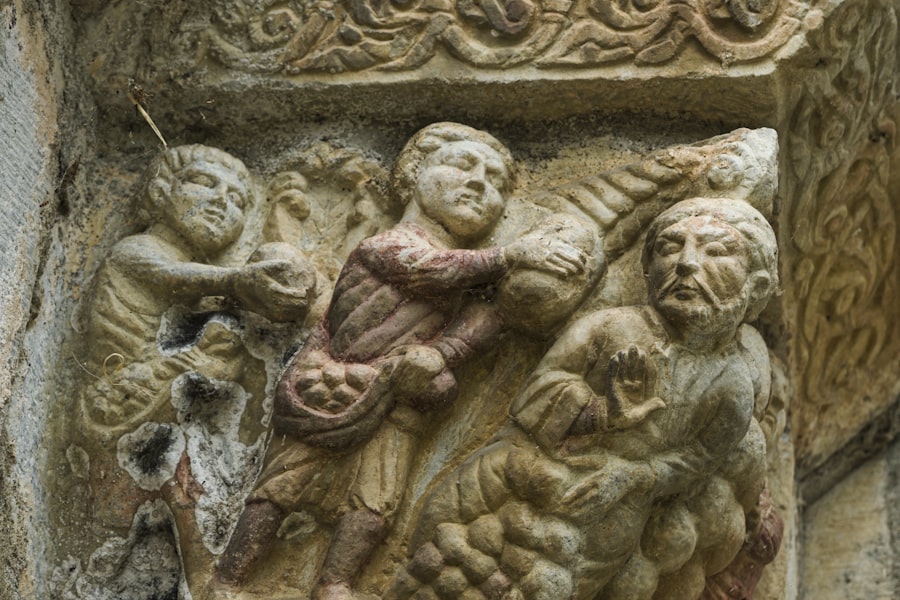
The Sayburç narrative relief, though ancient, offers a surprisingly relevant message for contemporary societies grappling with division and conflict. The enduring principles it embodies – the acknowledgment of hardship, the pursuit of reconciliation, and the strength found in community – are timeless. By studying and understanding this prehistoric narrative, we can glean valuable insights into the fundamental human drive for peace.
The Universal Human Struggle
The relief serves as a poignant reminder that the challenges of conflict, scarcity, and the quest for harmony are not unique to any single era. The human experience, with its inherent complexities and inherent capacity for both destruction and creation, remains remarkably consistent. Recognizing this shared struggle can foster empathy and understanding across cultural and temporal divides.
The Power of Narrative in Healing
The Sayburç narrative highlights the potent role that storytelling can play in healing and reconciliation. By externalizing experiences of hardship and by collectively constructing narratives of overcoming, communities can transform trauma into resilience and foster a shared vision for the future. This principle remains a cornerstone of conflict resolution and trauma recovery today.
The Importance of Commemoration
The act of carving these stories into stone demonstrates the importance of commemoration. By actively remembering their past, both its triumphs and its tribulations, the Sayburç people sought to learn from it and to ensure that future generations would not forget the lessons learned. This commitment to remembrance is vital for preventing the repetition of past mistakes.
The Enduring Quest for Peace
Ultimately, the Sayburç narrative relief stands as a powerful symbol of the enduring human quest for peace. It is a testament to the belief that even in the face of adversity, communities can find ways to navigate conflict, foster understanding, and build a more harmonious existence. Their efforts, etched in stone, continue to inspire us.
The Sayburç narrative relief, an important artifact from ancient Anatolia, offers a fascinating glimpse into the cultural and artistic expressions of its time. For those interested in understanding how historical narratives influence modern economic trends, a related article discusses the recent shift of companies relocating from China to Mexico. This transition highlights the evolving landscape of global trade and can be explored further in the article found here. The interplay between past and present is evident as we analyze how historical contexts shape contemporary decisions.
Preserving the Whispers: The Future of Sayburç
| Category | Metric |
|---|---|
| Storytelling | Engagement |
| Visuals | Impact |
| Emotional Connection | Effectiveness |
The ongoing preservation and study of the Sayburç narrative relief are crucial for ensuring that its message continues to resonate with future generations. Protecting this fragile testament to human history requires a concerted effort from scholars, local communities, and international organizations. The whispers of peace carried on the Anatolian breeze must not be silenced.
Archaeological Stewardship: Safeguarding the Past
The meticulous work of archaeologists and heritage professionals is paramount in safeguarding the Sayburç relief. This involves not only continuous research and documentation but also the implementation of protective measures to shield the site from environmental degradation, natural disasters, and potential human interference.
Scholarly Pursuit: Unlocking Deeper Meanings
Continued scholarly research is essential for unlocking the full depth of the Sayburç narrative. As new analytical techniques emerge and comparative studies expand, our understanding of the relief’s iconography, context, and historical significance will undoubtedly deepen, revealing even more profound insights into its creators’ worldview.
Community Engagement: The Guardians of Tradition
Engaging the local communities in the preservation and interpretation of the Sayburç relief is vital. Their ancestral connection to the land and their cultural heritage can provide invaluable perspectives and ensure that the site is cared for with respect and understanding. Empowering local communities as stewards of their history is a powerful strategy for long-term preservation.
The Global Resonance: Sharing the Message
The Sayburç narrative relief is not just a local treasure; it is a global heritage. Sharing its story and its message of peace through educational initiatives, publications, and cultural exchanges can foster a broader appreciation for its significance and inspire similar efforts towards peace and reconciliation in other parts of the world. The whispers of Sayburç have the potential to echo far beyond the Anatolian plains.
A Beacon of Hope for Tomorrow
In conclusion, the Sayburç narrative relief offers a compelling narrative of resilience, communal strength, and the enduring pursuit of peace. It is a powerful reminder that even in the darkest of times, humanity possesses the capacity for understanding, reconciliation, and the creation of a more harmonious future. The stories etched in stone at Sayburç continue to whisper lessons of hope for generations to come, urging us to listen, to learn, and to build bridges of understanding in our own contemporary world. The journey towards peace, as vividly depicted in this ancient tableau, is a continuous and vital human endeavor.
The World Beyond Göbekli Tepe Is Far Bigger Than We Thought
FAQs
What is Sayburç narrative relief?
Sayburç narrative relief is a type of relief sculpture that originated in the ancient city of Sayburç, located in present-day Turkey. It is characterized by its intricate and detailed storytelling scenes depicted on stone slabs.
What are the common themes depicted in Sayburç narrative relief?
Common themes depicted in Sayburç narrative relief include mythological stories, religious rituals, and daily life scenes. These reliefs often showcase a wide range of subjects, from gods and goddesses to everyday activities of the people living in the ancient city.
What materials were used to create Sayburç narrative relief?
Sayburç narrative relief sculptures were typically carved from limestone or marble. The intricate details and storytelling scenes were meticulously carved into the stone using chisels and other carving tools.
Where can Sayburç narrative relief be found?
Sayburç narrative relief sculptures can be found in various archaeological sites and museums in Turkey, particularly in the region of Sayburç. These artifacts provide valuable insights into the artistic and cultural practices of the ancient city.
What is the significance of Sayburç narrative relief?
Sayburç narrative relief holds significant historical and cultural importance as it provides a glimpse into the artistic and storytelling traditions of the ancient city of Sayburç. These reliefs offer valuable insights into the religious, mythological, and daily life practices of the people who lived in the region.