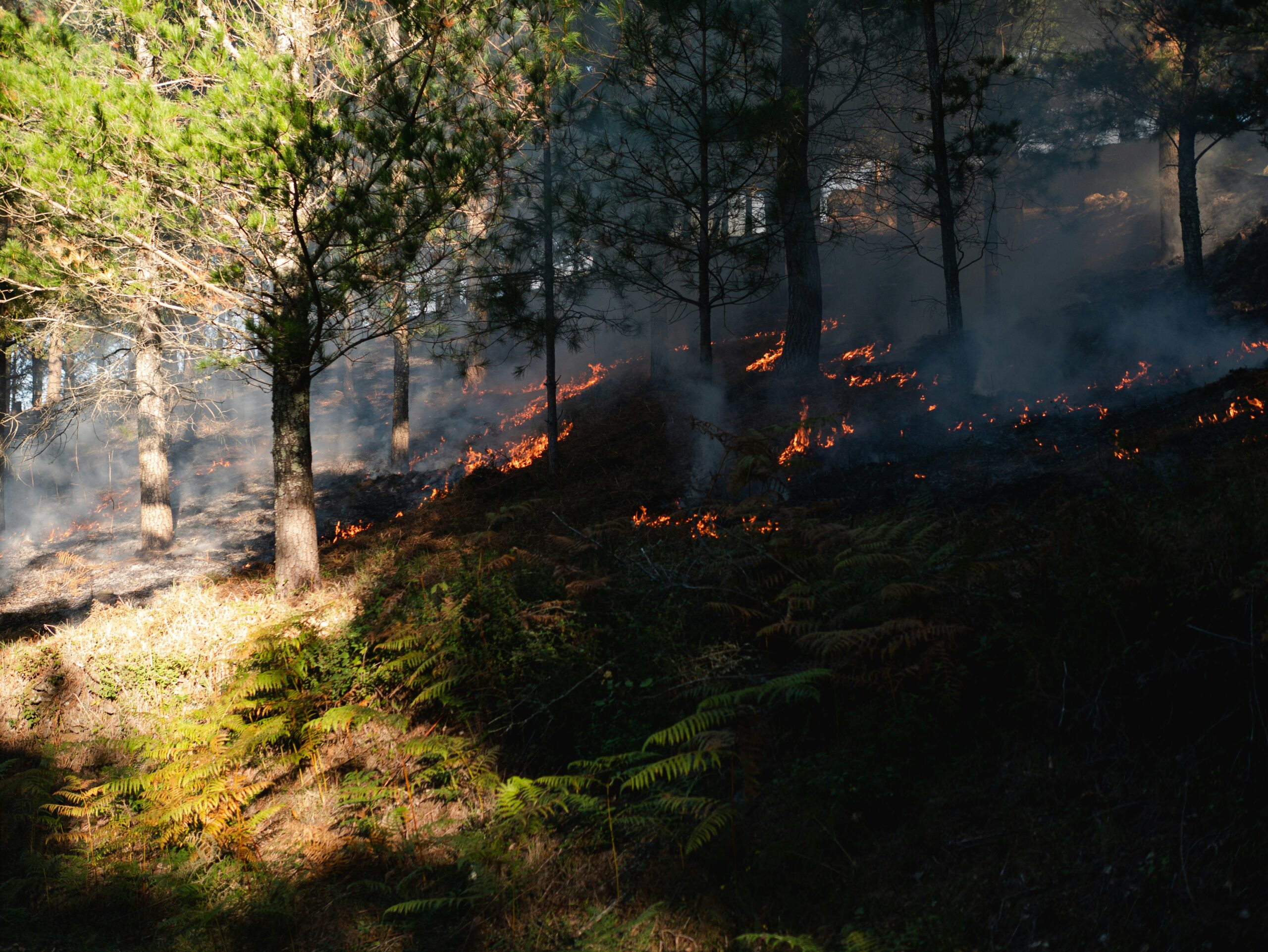
Flames of Change: A Fire Ecology Documentary Delves into the Transformative Power of Fire
In the heart of a world often fearful of the destructive potential of fire, a new documentary, “Flames of Change: A Fire Ecology Documentary,” emerges to challenge conventional perceptions. This groundbreaking film embarks on a captivating journey across diverse landscapes, revealing fire not as an enemy, but as an integral and often essential force in shaping ecosystems. Through stunning cinematography and insightful interviews with leading scientists and indigenous knowledge keepers, “Flames of Change” paints a nuanced portrait of fire’s complex role in nature, highlighting its ability to regenerate, sustain, and even inspire. The documentary meticulously dismantles the widespread narrative of fire solely as a destructive agent, instead proposing a paradigm shift towards understanding its ecological significance and the critical need for responsible, integrated fire management.
“Flames of Change” opens by establishing fire as a primal force, deeply interwoven with the evolutionary history of life on Earth. The film argues that many species and ecosystems have not merely survived fire, but have actively co-evolved with it, developing intricate adaptations that rely on its periodic presence. This section of the documentary aims to fundamentally alter the viewer’s understanding of fire’s place in the natural world, moving beyond the immediate image of destruction to appreciate its long-term evolutionary impact.
Seeds of Renewal: How Fire Catalyzes New Life
One of the most visually arresting segments of the documentary focuses on the remarkable ability of fire to trigger the germination of seeds that would otherwise remain dormant. Expertly shot footage showcases landscapes that have recently experienced a controlled burn, revealing a vibrant tapestry of new growth pushing through the ash. The film highlights specific plant species, such as certain species of pine trees with serotinous cones that require the intense heat of a wildfire to release their seeds. Scientists explain the biochemical triggers and physiological mechanisms at play, demonstrating how fire effectively clears the canopy, reduces competition, and provides a nutrient-rich substrate for nascent life. The narrative emphasizes that without fire, these specialized species would struggle to reproduce, leading to a decline in biodiversity and a homogenization of landscapes.
Fueling the Food Web: Fire and Nutrient Cycling
Beyond seed germination, “Flames of Change” explores how fire plays a crucial role in nutrient cycling, a fundamental process for maintaining healthy ecosystems. The documentary illustrates how the burning of dead organic matter – leaves, fallen branches, and grasses – releases essential nutrients like nitrogen, phosphorus, and potassium back into the soil. These nutrients, often locked away in biomass, become readily available for uptake by plants, fueling new growth and supporting the entire food web. Interviews with soil scientists explain how fire can break down complex organic compounds, making them accessible to microorganisms and ultimately to plants. The film contrasts landscapes that have experienced regular, natural fire cycles with those that have been suppressed for extended periods, showcasing the evident decline in soil fertility and plant vigor in the latter.
Shaping Biodiversity: Fire as an Ecosystem Engineer
The documentary dedicates significant attention to fire’s role as an “ecosystem engineer,” a force that actively shapes the structure and composition of plant and animal communities. By clearing out old growth and creating varied habitat structures, fire promotes a mosaic of successional stages within an ecosystem. This mosaic provides diverse niches for a wide range of species, from insects that thrive in charred wood to large mammals that benefit from the increased availability of nutritious grasses in post-fire meadows. Researchers discuss how fire can prevent the dominance of a few aggressive plant species, thereby maintaining a higher level of biodiversity. The film provides compelling examples from different biomes, including grasslands, savannas, and certain forest types, where fire is indispensable for maintaining the characteristic flora and fauna.
In exploring the intricate relationship between fire ecology and climate change, the documentary sheds light on the critical role of wildfires in maintaining ecosystem balance. For a deeper understanding of how environmental changes impact vulnerable regions, you can read the article on the threats faced by sinking island nations, which highlights the broader implications of climate change. To learn more, visit this article.
The Perils of Suppression: When Fire is Denied
A critical theme woven throughout “Flames of Change” is the detrimental impact of decades of aggressive fire suppression policies. The documentary argues that while intended to protect human lives and property, this strategy has created a dangerous imbalance, leading to the accumulation of unnaturally large fuel loads and the increased likelihood of catastrophic wildfires. This section of the film acts as a stark warning, demonstrating the unintended consequences of attempting to completely eradicate fire from the landscape.
The Fuel Load Accumulation: A Recipe for Disaster
Scientists in “Flames of Change” meticulously detail how the absence of regular, lower-intensity fires leads to the unchecked accumulation of dead plant material – leaves, twigs, and entire trees – on the forest floor. This creates an environment ripe for extreme fire behavior. The documentary uses time-lapse photography and graphical representations to illustrate the escalating fuel loads in fire-suppressed forests over time. Experts explain how this dense accumulation of fuel provides an unbroken path for flames to travel, allowing fires to become hotter, spread faster, and reach unprecedented intensities, often torching the entire forest canopy.
The Invasive Species Advantage: Fire-Free Zones Favor the Unwanted
The film also highlights how fire suppression can inadvertently benefit invasive plant species. Many native plants have evolved to rely on fire for their regeneration, while some invasive species, particularly those not adapted to fire-prone environments, can outcompete native flora in areas where fire is absent. This leads to a shift in ecosystem composition, with native plants being displaced by less ecologically valuable, and often more flammable, invasive species. Botanists and ecologists discuss how prescribed burns can be used to control invasive populations and restore the dominance of native vegetation, underscoring fire’s role in maintaining ecological integrity.
The Paradox of Protection: Unintended Consequences for Wildlife
“Flames of Change” challenges the notion that fire suppression always benefits wildlife. While immediate impacts of wildfires can be devastating, the film argues that the long-term absence of fire can lead to habitat degradation, reducing the availability of food sources and suitable breeding grounds for many species. The documentary presents case studies of animal populations that have declined in fire-suppressed landscapes, emphasizing how the altered vegetation structure and reduced biodiversity negatively impact their survival. Conversely, it showcases examples of wildlife that thrive in landscapes managed with fire, demonstrating how controlled burns can create beneficial habitats.
Indigenous Wisdom: Ancient Practices for Modern Challenges
A cornerstone of “Flames of Change” is the profound knowledge and experience of Indigenous communities who have lived in harmony with fire for millennia. The documentary respectfully integrates their perspectives, showcasing traditional ecological knowledge (TEK) and ancient fire management practices that offer valuable lessons for contemporary approaches. This section emphasizes the importance of collaboration and learning from those who have long understood fire’s intricate role.
Cultural Burning: More Than Just Ignition
The film delves into the concept of “cultural burning,” a practice deeply embedded in the traditions of many Indigenous cultures. This is not simply about setting fires, but about a holistic approach that integrates fire with cultural ceremonies, storytelling, and land stewardship. Elders from various Indigenous nations share their understanding of how fire has been used for centuries to shape landscapes, promote the growth of culturally significant plants, manage game populations, and even prevent larger, uncontrolled fires. The documentary visually represents these practices, showing the deliberate and skilled application of fire for specific ecological and cultural outcomes.
Regenerative Landscapes: The Legacy of Traditional Fire Use
“Flames of Change” showcases breathtaking examples of landscapes managed using traditional Indigenous fire practices. These areas often exhibit remarkable biodiversity, healthy plant communities, and resilient ecosystems, standing in stark contrast to fire-suppressed regions. The film highlights how these practices have maintained a balance between human needs and ecological health, demonstrating a sustainable model of land management that has proven effective over generations. Scientists and Indigenous leaders discuss how these TEK principles are being integrated into modern fire management strategies, leading to more effective and culturally appropriate outcomes.
A Partnership for the Future: Bridging Traditional and Western Science
The documentary emphasizes the vital importance of bridging the gap between traditional Indigenous knowledge and Western scientific approaches to fire management. It argues that a truly effective strategy for managing fire in the 21st century must incorporate both. The film features collaborative projects where scientists and Indigenous communities work together, combining TEK with scientific data to develop innovative fire management plans. This partnership approach is presented as a path towards more resilient landscapes and healthier ecosystems for future generations.
The Science of Smoke: Understanding the Air We Breathe
While the destructive potential of wildfires can be devastating, “Flames of Change” also addresses the often-overlooked aspect of smoke and its impact on air quality and human health. The film, however, nuances this discussion by exploring the difference between the smoke from uncontrolled megafires and the smoke from carefully managed, low-intensity fires. This section aims to provide a balanced perspective on the air quality implications of fire.
Smoke from Catastrophe: The Unhealthy Skies
The documentary vividly portrays the dense, persistent smoke plumes generated by large, uncontrolled wildfires, highlighting their detrimental effects on air quality in affected regions and even thousands of miles away. Experts in atmospheric science and public health discuss the composition of wildfire smoke, identifying harmful particulate matter and toxic gases that can lead to respiratory illnesses, cardiovascular problems, and other health issues. The film features interviews with individuals who have experienced the direct health impacts of wildfire smoke, underscoring the urgency of addressing this growing concern.
Smoke from Stewardship: A Different Kind of Haze
Crucially, “Flames of Change” distinguishes between the smoke of destructive infernos and the lighter, more dispersed smoke produced by prescribed burns and cultural burns. Scientists explain that while any smoke contains some particulate matter, the smoke from these controlled fires is typically less dense, contains fewer harmful toxins, and dissipates much more quickly. The film shows footage of these controlled burns, where smoke rises in a more vertical plume and is often managed to minimize impact on populated areas. This distinction is vital for understanding that responsible fire management can, in fact, lead to cleaner air in the long run by preventing the buildup of fuels that would otherwise ignite in uncontrollable blazes.
Air Quality Management: Integrating Fire into the Equation
The documentary advocates for a more integrated approach to air quality management that acknowledges the role of fire. Instead of solely focusing on suppressing all smoke, the film suggests that strategic use of prescribed fire, conducted under carefully controlled conditions, can actually lead to improved long-term air quality by reducing the likelihood of catastrophic wildfires. Public health officials and fire managers discuss the challenges and opportunities in developing policies that balance the need for clean air with the ecological necessity of fire.
In exploring the intricate relationships between fire and ecosystems, the documentary on fire ecology reveals how wildfires can rejuvenate landscapes and promote biodiversity. For those interested in the broader implications of historical maps and their connections to environmental changes, a related article discusses the enigmatic Piri Reis map and its insights into ancient navigation and geography. You can read more about it in this fascinating piece on uncovering the secrets of the Piri Reis map.
Flames of Hope: Reimagining Our Relationship with Fire
| Fire Ecology Documentary Metrics | Details |
|---|---|
| Title | Into the Inferno: A Fire Ecology Documentary |
| Director | Werner Herzog |
| Release Year | 2016 |
| Duration | 107 minutes |
| Topics Covered | Wildfires, fire behavior, ecological impacts of fire, human interaction with fire |
“Flames of Change” concludes not with a message of despair, but with a powerful call to action and a vision for a future where humanity has a more informed and harmonious relationship with fire. The documentary inspires viewers to move beyond fear and embrace fire as a vital ecological partner. This final section offers practical solutions and a hopeful outlook for managing fire in a changing world.
The Art of Prescribed Fire: A Tool for Resilience
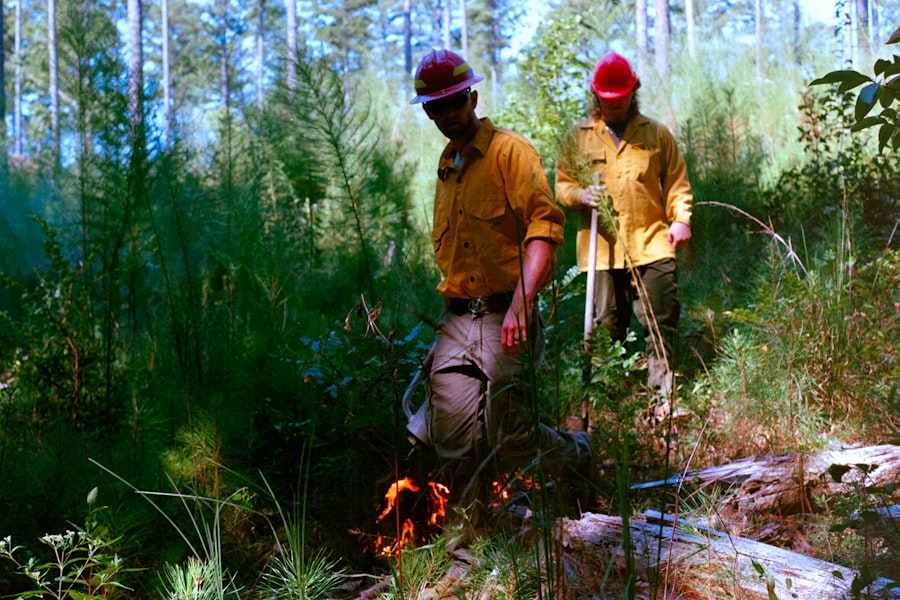
The film dedicates substantial time to the practice of prescribed burning, also known as controlled burning. It showcases how trained professionals meticulously plan and execute fires under specific weather conditions and fuel types to achieve desired ecological outcomes. Through interviews with fire ecologists and land managers, viewers learn about the benefits of prescribed fire, including reducing fuel loads, controlling invasive species, promoting native plant growth, and restoring natural fire regimes. The documentary emphasizes that prescribed fire is not about uncontrolled burning, but a sophisticated application of ecological principles.
Policy and Practice: Towards a New Fire Paradigm
“Flames of Change” urges for a fundamental shift in fire management policies. The documentary argues for a move away from a singular focus on suppression towards a more balanced approach that includes fuel reduction through prescribed fire, landscape restoration, and the integration of Indigenous knowledge. It highlights examples of communities and organizations that are successfully implementing these new paradigms, demonstrating that positive change is possible. Policymakers and environmental advocates discuss the legislative and institutional changes needed to support this transition.
Coexisting with Fire: A Shared Responsibility
The documentary’s overarching message is one of coexistence. It posits that rather than attempting to eliminate fire, humanity must learn to live with it, understanding its ecological importance and managing it responsibly. “Flames of Change” encourages viewers to become informed citizens, to support evidence-based fire management practices, and to embrace the idea that fire, when managed wisely, can be a powerful force for renewal and ecological health. The film concludes with a powerful visual montage of resilient landscapes, thriving wildlife, and communities that have learned to respect and integrate fire into their lives, leaving the audience with a profound sense of hope and a renewed appreciation for the transformative power of flames.
The Wilderness Was Engineered
FAQs
What is fire ecology?
Fire ecology is the study of the ecological effects of fire, including its role in shaping ecosystems, plant and animal adaptations to fire, and the management of fire for ecological benefits.
What is a fire ecology documentary?
A fire ecology documentary is a film or video production that explores the relationship between fire and the environment, including the ecological impacts of fire, the role of fire in natural ecosystems, and the ways in which fire can be managed for conservation and ecological restoration.
What are some topics covered in a fire ecology documentary?
Topics covered in a fire ecology documentary may include the natural history of fire, the effects of fire on plant and animal communities, the role of fire in maintaining ecosystem health, and the ways in which fire can be used as a management tool in conservation and restoration efforts.
Where can I watch a fire ecology documentary?
Fire ecology documentaries may be available for streaming on online platforms, such as streaming services, or for purchase or rental through online retailers. They may also be available for viewing at educational institutions, libraries, or through environmental organizations.
Why is it important to understand fire ecology?
Understanding fire ecology is important for managing and conserving natural ecosystems, as fire plays a crucial role in shaping and maintaining many types of habitats. By understanding the ecological effects of fire, we can better manage and protect ecosystems, reduce the risk of catastrophic wildfires, and promote biodiversity and ecosystem health.