
The raw, untamed power of the cosmos, captured within a fragment of a fallen star, beckoned to the blacksmith. This was no ordinary metal. It was ursum, a meteorite, scarred and shaped by eons of travel through the void, destined now for a new purpose: to become a weapon of unparalleled sharpness and mystique. The smith, a woman whose hands bore the calluses of a lifetime spent coaxing obedience from fire and steel, approached the task with a reverence born of understanding. Forging a meteorite into a deadly dagger was not merely a craft; it was a communion with the heavens, a transformation of cosmic dust into terrestrial lethality.
The procurement of ursum was a quest in itself. Not every celestial visitor offered the potential for such a demanding transformation. The smith had spent years studying reports of recent falls, poring over geological surveys, and, in some hushed circles, following whispers of clandestine acquisitions. The chosen fragment was a dense, resilient piece of iron-nickel, its surface a testament to its fiery descent – pitted, regmaglypted, and bearing the faint, metallic tang of the void. Its intrinsic celestial signature, its very composition, promised a blade unlike any forged from terrestrial ores.
The Hunt for Celestial Iron
The pursuit of suitable meteorites was a clandestine affair for those who understood their true value. Unlike common iron ore, which was readily accessible, stardust was a gift from the heavens, often falling in remote and unexpected locations. The smith had cultivated a network of informants, collectors, and even a few intrepid prospectors who scoured deserts, impact craters, and arctic ice flows. The allure of working with true cosmic material was not lost on these individuals, and a well-placed word, a generous sum, or a shared understanding of its potential often led to a promising lead. The smith itself would occasionally venture into the wilderness, guided by ancient maps and an almost instinctive pull towards known celestial landing sites, her eyes scanning the ground for the tell-tale glint of extraterrestrial metal.
Initial Assessment and Cleansing
Upon acquiring the fragment, the initial assessment was one of meticulous scrutiny. The smith examined its mass, its density, and any visible inclusions or fractures. The outer crust, a product of atmospheric entry, was valuable in its own right but had to be carefully removed to expose the purer core for forging. This was not a simple task; the crust was often fused with terrestrial material and possessed a stubbornly resilient structure. Specialized grinding tools, sometimes incorporating diamond abrasives, were employed with a deliberate, unhurried precision. Once the raw material was exposed, a ritualistic cleansing began. The metal was washed in specially prepared solutions, not just to remove terrestrial contamination but also, as the smith believed, to symbolically cleanse it of its violent journey and prepare it for a new existence. This often involved distilled water infused with rare herbs known for their purifying properties, or even immersion in the cool, embracing depths of a naturally occurring mineral spring.
Understanding the Celestial Composition
The true secret to forging ursum lay in understanding its unique celestial composition. Unlike terrestrial iron, which primarily consists of iron and varying amounts of carbon and other impurities, meteorites often harbored a richer, more complex tapestry of elements. The iron-nickel alloy was the most common, but the smith also looked for traces of cobalt, magnesium, and even rarer elements that would influence the metal’s crystalline structure and, consequently, its final properties. This knowledge was gained through years of observation, experimentation, and the wisdom passed down through generations of metalworkers who had dared to work with the heavens’ gifts. Some celestial bodies contained denser, more crystalline structures, while others were more amorphous. Recognizing these subtle differences in the raw meteorite allowed the smith to predict how it would behave under the hammer and the unforgiving embrace of the forge.
In the fascinating world of metallurgy and craftsmanship, the process of forging a meteorite into a dagger represents a unique blend of art and science. For those interested in the broader implications of material sourcing and trade, the article on trade alignment under the USMCA provides valuable insights into how international agreements can influence the availability of rare materials. You can read more about it in this article: USMCA and Trade Alignment.
The Forge’s Fiery Embrace: Taming the Cosmic Metal
The forge was the heart of the operation, a roaring inferno meticulously controlled to coax the extraterrestrial metal into submission. Unlike earthly iron, which responded predictably to temperature and hammering, ursum possessed its own temper, a stubborn refusal to be reshaped without respect. The smith worked with a deep understanding of this alien temperament, feeding the flames with a blend of charcoal and rare, high-burning woods that could consistently achieve and sustain the extreme temperatures required.
Igniting the Cosmic Heat
The initial heating of the meteorite was a process fraught with both anticipation and trepidation. The forge, custom-built for this specific purpose, was designed to generate and contain temperatures far exceeding those used for ordinary blacksmithing. Its walls were lined with refractory materials capable of withstanding the thermal shock and the unique chemical reactions that could occur when the celestial metal was subjected to intense heat. The fuel was a carefully curated mix, often incorporating hardwoods known for their clean burn and high thermal output, supplemented by charcoal derived from ancient, petrified trees, believed to imbue the fire with a deeper, primal energy. The smith would add bellows not just to feed the flames but to symbolically ‘awaken’ the sleeping power within the meteorite, a slow and deliberate process that could take hours. The air in the smithy would grow thick with the scent of burning wood and the faint, metallic ozone-like smell that hinted at the cosmic origins of the metal.
The Art of Temperature Control
Maintaining the precise temperature was paramount. Too cool, and the ursum would resist; too hot, and it could become brittle, its celestial structure compromised. The smith relied on a combination of experience, a finely tuned eye for the color of the metal – a spectrum ranging from dull cherry red to blinding white – and sophisticated pyrometers that measured the internal temperature of the forge. The bellows were worked with a rhythmic precision, their insistent gusts a controlled breath that dictated the intensity of the inferno. The smith would often step back, head tilted, listening to the song of the fire, feeling the subtle shifts in heat radiating from the crucible. This dance between smith, fire, and metal was a testament to the smith’s profound connection to her craft, a connection forged over years of tireless dedication.
The Hammer’s Celestial Symphony
When the ursum finally glowed with the requisite heat, the true forging began. The hammer, itself a masterpiece of craftsmanship, was no ordinary tool. Its head was forged from a high-carbon steel, painstakingly heat-treated and quenched multiple times to achieve an unparalleled hardness, but its weight and balance were specifically engineered to deliver the precise force needed without shattering the delicate celestial structure. The blows were not wild or frenzied; they were deliberate, measured strikes, each one shaping the molten metal, drawing it out, thinning it, but always with a deep respect for its inherent nature. The sound of the hammer on ursum was a percussive symphony, a resonant clang that echoed through the smithy, a stark contrast to the duller thud heard when working with terrestrial iron. It spoke of power constrained, of cosmic forces being
channeled.
Shaping the Blade: From Cosmic Fragment to Deadly Form
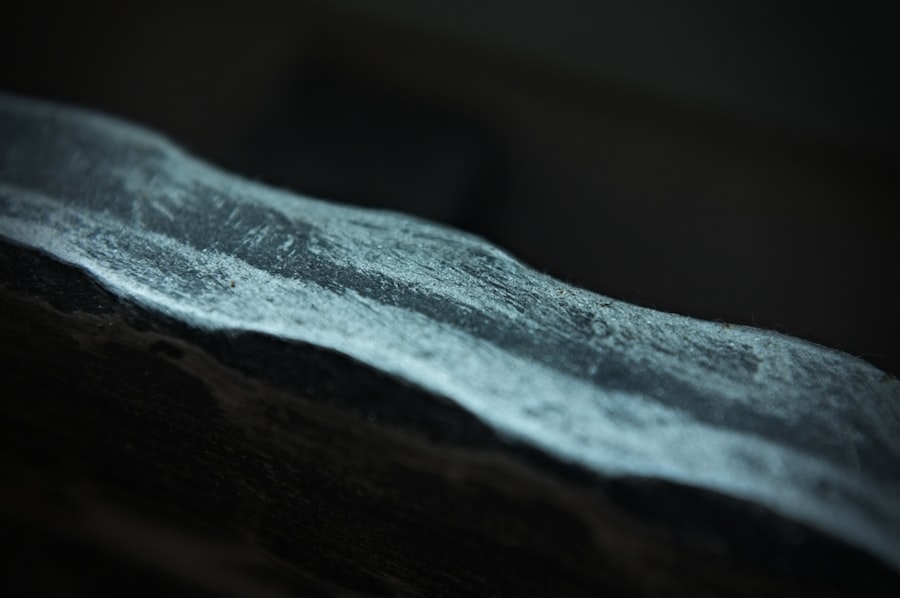
The transformation of the raw meteorite into the elegant, lethal form of a dagger was a painstaking process of attrition and refinement. The smith employed a variety of techniques, each demanding a precise application of force and heat. The goal was not just to shape the metal but to coax out its inherent potential, to align its cosmic structure with the demands of a deadly weapon.
Drawing Out the Length
The initial shaping involved drawing out the meteorite’s mass into the desired length and thickness of the blade. This was a slow, arduous process, involving repeated heating and hammering. The smith would work in sections, carefully elongating the metal, ensuring a consistent taper from hilt to tip. Each strike of the hammer was designed to stretch the metal, not to compress it, preserving its integrity and preventing the formation of internal stresses. The smith would often use specialized hammers with rounded faces or long-handled bullies to achieve this effect, working with the metal’s resistance rather than fighting against it. The rhythmic expansion of the meteorite under the hammer was like watching a star slowly unfurl, its celestial energy being channeled into a more defined and purposeful form.
Forging the Edge: The Whisper of Sharpness
The forging of the edge was perhaps the most critical and delicate stage. This was where the ursum truly began to reveal its potential for deadly sharpness. The smith would meticulously refine the bevels of the blade, using smaller, more precise hammers and specialized anvils. The goal was to create a keen, unforgiving edge that could slice through flesh and bone with minimal effort. The heat here was more carefully controlled, as overheating could easily compromise the hardness of the newly formed edge. The smith would often quench the blade in specific oils, not for cooling alone, but to influence the crystalline structure of the steel, creating a fine-grained hardness that would hold an edge for years. The process required an almost surgical precision, each hammer blow a whisper promising lethality.
Creating the Fullers and Bevels
Beyond the basic shape of the blade, the smith incorporated specific design elements to enhance its performance and aesthetic appeal. Fullers, the shallow grooves that ran down the blade, were not merely decorative. They lightened the blade, improved its balance, and, in some cases, provided channels for blood to flow away from the cutting edge, reducing drag. The smith would carefully hammer these into shape, ensuring they were consistent and flowed seamlessly with the overall lines of the dagger. The bevels, the angled surfaces that formed the cutting edge, were also refined, their angle precisely chosen to balance sharpness with durability. This was a stage where artistry and deadly functionality converged, where the raw cosmic material was given a form that was both beautiful and terrifying.
Heat Treatment and Tempering: The Celestial Temper
The heat treatment of the ursum was a complex multi-stage process that unlocked its full potential. After the initial forging, the blade was subjected to a hardening process, typically involving heating it to a critical temperature and then rapidly quenching it in a specialized medium. This created a very hard but brittle material. The subsequent tempering process involved carefully reheating the blade to a lower temperature for a specific duration, drawing out some of the brittleness and imparting toughness. The smith, drawing upon instinct and years of experience, would use the color of the oxide scale that formed on the surface of the metal as a visual indicator of the temperature. This delicate balancing act was crucial; too little temper and the blade would chip, too much and it would not hold an edge. The ursum, with its inherent celestial properties, required a particularly nuanced approach to heat treatment, often demanding unique quenching oils or atmospheric control within the forge.
The Alchemy of Finishing: Revealing the Cosmic Sheen
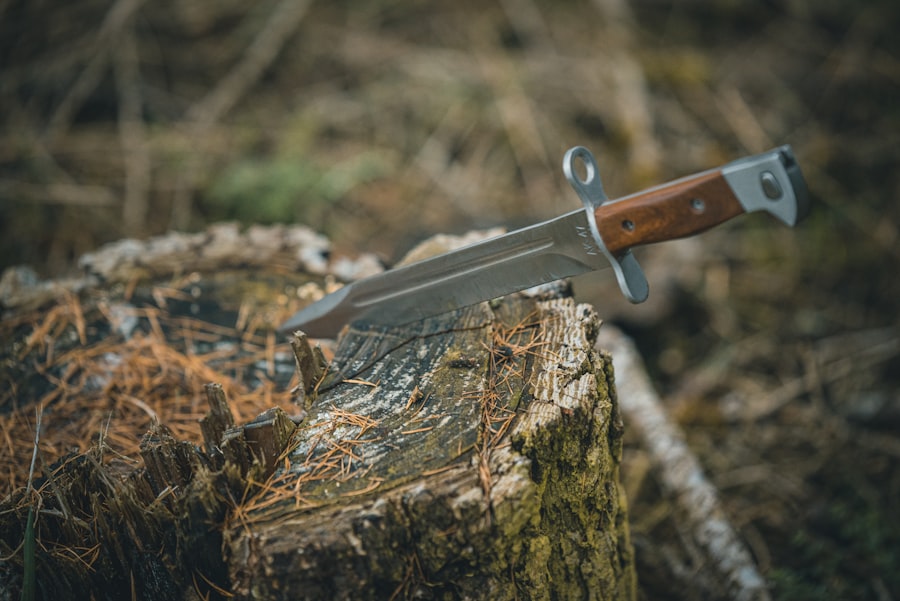
Once the blade was forged and shaped, the process moved to the finishing stages. This was where the raw power of the meteorite was polished and refined, revealing its inherent cosmic beauty and ensuring its deadly efficacy. The smith employed a range of techniques, from coarse grinding to the most delicate hand-polishing, each step bringing the dagger closer to its final form.
Grinding and Profiling: Refining the Silhouette
The initial finishing involved grinding the blade to perfect its profile and remove any imperfections left from the forging process. This was done using large grinding wheels, initially coarse to remove excess material and then progressively finer. The smith’s technique was crucial here; the grinding motions were deliberate and controlled, ensuring the blade’s symmetry and the integrity of its edges. The sound of the grinding wheel against the ursum was a high-pitched whine, a necessary prelude to the finer work. This stage was about refining the silhouette, ensuring that the dagger’s form was as precise and deadly as its intended function.
Polishing: Unveiling the Cosmic Luster
The polishing stage was where the true magic began to happen, revealing the unique characteristics of the meteorite. Using a series of progressively finer abrasives, from coarse grit stones to the finest emery cloths and even polishing pastes made from precious minerals, the smith meticulously worked the surface of the blade. The goal was to create a mirror-like finish that showcased the metal’s natural patterns. Meteoritic iron, especially Widmanstätten structures found in some meteorites, often exhibits beautiful, intricate etch patterns when polished and acid-treated, creating a unique, otherworldly sheen that no terrestrial metal could replicate. This was a labor of love, requiring hours of patient buffing and rubbing, each pass bringing forth more of the ursum’s hidden beauty.
Etching: Revealing the Celestial Patterns
For many of the most prized meteoritic daggers, the etching stage was what truly distinguished them. A careful application of acidic solutions, often a carefully balanced mixture of nitric acid and ethanol, was used to reveal the underlying Widmanstätten patterns inherent in the iron-nickel alloy. These crystalline structures, formed during the slow cooling of the meteorite in the vacuum of space over millions of years, would become visible as intricate geometric designs, a celestial fingerprint etched onto the blade. The strength and duration of the acid bath were critical, as too aggressive a treatment could damage the metal, while too light a touch would leave the patterns faint. This was a moment of profound revelation, where the celestial origins of the metal were brought to the forefront, making each dagger a unique piece of cosmic art.
Sharpening to a Razor’s Edge
The final sharpening was the culmination of all the preceding stages. Using a series of sharpening stones, from coarse to ultra-fine, and then often a leather strop charged with fine abrasive compounds, the smith honed the edge to an almost impossible sharpness. The ursum, with its unique alloy and carefully controlled heat treatment, could achieve a level of keenness and edge retention that surpassed even the finest terrestrial steels. The smith would test the edge by gently drawing it across a fine hair, the blade slicing through it effortlessly. This was the moment the dagger transitioned from a beautifully crafted object to a truly deadly instrument, its celestial heritage now imbued with a formidable terrestrial purpose.
Forging a meteorite into a dagger is a fascinating blend of ancient craftsmanship and modern technology. This unique process not only highlights the artistry involved in weapon-making but also connects us to the cosmos, as the materials used are remnants from space. For those interested in how innovative techniques are reshaping our understanding of historical artifacts, a related article discusses various revolutionary advancements that are changing history. You can read more about these breakthroughs in this insightful piece.
The Hilt and the Balance: A Mortal Grip on Cosmic Power
| Step | Metric |
|---|---|
| 1 | Weight of the meteorite (in grams) |
| 2 | Temperature of the forge (in degrees Celsius) |
| 3 | Time taken to heat the meteorite (in minutes) |
| 4 | Number of hammer strikes to shape the dagger |
| 5 | Length of the finished dagger (in inches) |
The creation of the hilt was as integral to the dagger’s final form and function as the blade itself. It was here that the tangible connection between the cosmic power of the meteorite and the human wielder was established. The smith, recognizing that a deadly weapon required a comfortable and secure grip, devoted as much care to the hilt as to the blade.
Selecting the Right Materials
The choice of materials for the hilt was deliberate, aimed at complementing the ursum blade while providing a firm and balanced grip. Rare hardwoods, petrified wood, or even bone were often chosen for their density, grain, and aesthetic appeal. Some smiths favored materials that held a particular significance or believed to possess their own inherent energies. The tang of the meteorite blade was meticulously fitted into the chosen hilt material, ensuring a seamless and secure connection. The goal was to create a hilt that felt like an extension of the hand, allowing for precise control and maneuverability.
Crafting a Secure and Comfortable Grip
The ergonomic design of the hilt was paramount. The smith would carefully sculpt the material, creating contours that fit the natural curve of the hand, ensuring a secure hold even during intense combat. Finger grooves, a subtly textured surface, or even the addition of intricate carvings could enhance the grip and prevent slippage. The balance of the dagger was also a key consideration; the weight and placement of the pommel, often crafted from a dense metal or even a polished meteorite fragment itself, was adjusted to ensure the dagger felt perfectly balanced in the hand, responsive to the wielder’s slightest movement.
The Pommel’s Purpose: Counterbalance and Symbolism
The pommel was more than just a decorative endpiece. It served a crucial functional purpose as a counterbalance to the blade, distributing the weight of the dagger to achieve optimal balance. A well-designed pommel could enhance the dagger’s agility and make it feel alive in the hand. Symbolically, the pommel often carried intricate carvings or emblems, further imbuing the dagger with meaning and mystique. Some smiths would incorporate small, potent gemstones into the pommel, believed to amplify the dagger’s inherent power or offer protection to its wielder.
Guard and Ergonomics: The Interface of Power and Control
The guard, often a simple yet effective piece of metal or toughened leather, served as a crucial interface between the wielder’s hand and the deadly blade. Its design was essential to prevent the hand from slipping onto the sharp edge during combat. The smith would ensure that the guard was robust enough to withstand impact while remaining unobtrusive, allowing for a full range of motion. The overall ergonomics of the hilt, from the thickness of the grip to the angle of the guard, were refined through iterative testing and adjustment, ensuring that the dagger felt not just like a weapon, but like a trusted companion in the hands of its wielder.
Forging a meteorite into a dagger is not just an intriguing craft but also a fascinating intersection of art and science, reflecting humanity’s long-standing fascination with celestial materials. The process involves skillfully shaping the rare metal, often believed to possess unique properties due to its extraterrestrial origins. For those interested in the broader implications of space materials and their impact on our world, a related article discusses the ongoing developments in space exploration and the geopolitical dynamics at play in this new era. You can read more about it in this insightful piece on the new space cold war.
The Legend of the Star-Forged Dagger: A Legacy of Power and Mystery
The creation of a dagger forged from a meteorite was not merely a feat of blacksmithing; it was the birth of a legend. These blades, imbued with the raw energy of the cosmos and shaped by mortal hands, carried with them an aura of mystique and power that transcended the ordinary. They were sought after by warriors, collectors, and those who understood the profound connection between the celestial and the terrestrial.
A Weapon of Unparalleled Prowess
The exceptional sharpness, remarkable edge retention, and unique aesthetic of a meteorite dagger made it a weapon of unparalleled prowess. Tales of its ability to cleave through armor, to remain sharp through countless battles, and to strike with a near-supernatural precision became woven into the fabric of history and folklore. The ursum blade, with its cosmic origins, seemed to possess an inherent lethality, a whisper of the void that amplified the skill of its wielder. This was not just a tool; it was an enhancer of martial ability, a harbinger of doom for its enemies.
Symbol of Celestial Connection
Beyond its deadly efficacy, the star-forged dagger served as a potent symbol of connection between the earthly and the cosmic. Each blade was a tangible piece of the heavens, a reminder of the vastness of the universe and the enduring mysteries that lay beyond human comprehension. To wield such a dagger was to hold a piece of the stars, to feel a kinship with the celestial bodies that had shaped and influenced life on Earth. This bestowal of cosmic essence upon a terrestrial object resonated deeply, offering a sense of awe and wonder.
The Price of Cosmic Steel
However, the acquisition and forging of a meteorite were not without their challenges and costs. The rarity of suitable meteorites, the difficulty of working with their alien composition, and the extensive time and skill required to transform them into a functional weapon meant that such daggers were exceedingly rare and prohibitively expensive. They were not items for the common soldier but for the champion, the king, or the dedicated collector who understood their true, immeasurable value – a value that extended far beyond mere material worth, encompassing history, artistry, and the very fabric of the cosmos.
A Legacy Carried Through Generations
The legends of the star-forged daggers often extended through generations, passed down through oral tradition, enshrined in ancient texts, and whispered in hushed tones. These weapons were not simply tools of war; they were relics, heirlooms, imbued with the stories of their makers and their wielders. Many were said to possess their own destinies, to choose their wielders, or to bring fortune or misfortune upon those who possessed them. The raw power of the ursum, once harnessed, continued to influence the world long after the meteorite had fallen from the sky, a testament to the enduring power of celestial might forged into deadly, earthly form.

The Pharaoh’s Dagger Came From Outer Space
FAQs
What is the process of forging a meteorite into a dagger?
The process of forging a meteorite into a dagger involves heating the meteorite to a high temperature and then shaping it using traditional blacksmithing techniques. This includes hammering, folding, and shaping the metal to create the desired dagger shape.
What are the benefits of using meteorite for making a dagger?
Using meteorite for making a dagger can result in a unique and visually striking blade due to the natural patterns and Widmanstätten structures found in meteoric iron. Additionally, meteorite iron is known for its high nickel content, which can result in a blade with exceptional edge retention and durability.
What are the challenges of forging a meteorite into a dagger?
Forging a meteorite into a dagger can be challenging due to the varying composition and structure of meteoric iron. Meteorites can contain different types of minerals and metals, which can affect the forging process and require careful attention to detail to ensure a successful outcome.
Are there any special considerations when working with meteorite for dagger making?
When working with meteorite for dagger making, it is important to consider the potential presence of impurities or inclusions in the meteoric iron. These impurities can affect the forging process and may require additional steps to ensure a high-quality blade.
What is the significance of a meteorite dagger?
A meteorite dagger holds significance as a unique and rare piece of craftsmanship. The use of meteoric iron connects the dagger to the cosmos and adds a sense of mystique and wonder to the finished blade. Additionally, the historical and cultural significance of meteorites adds to the allure of a meteorite dagger.