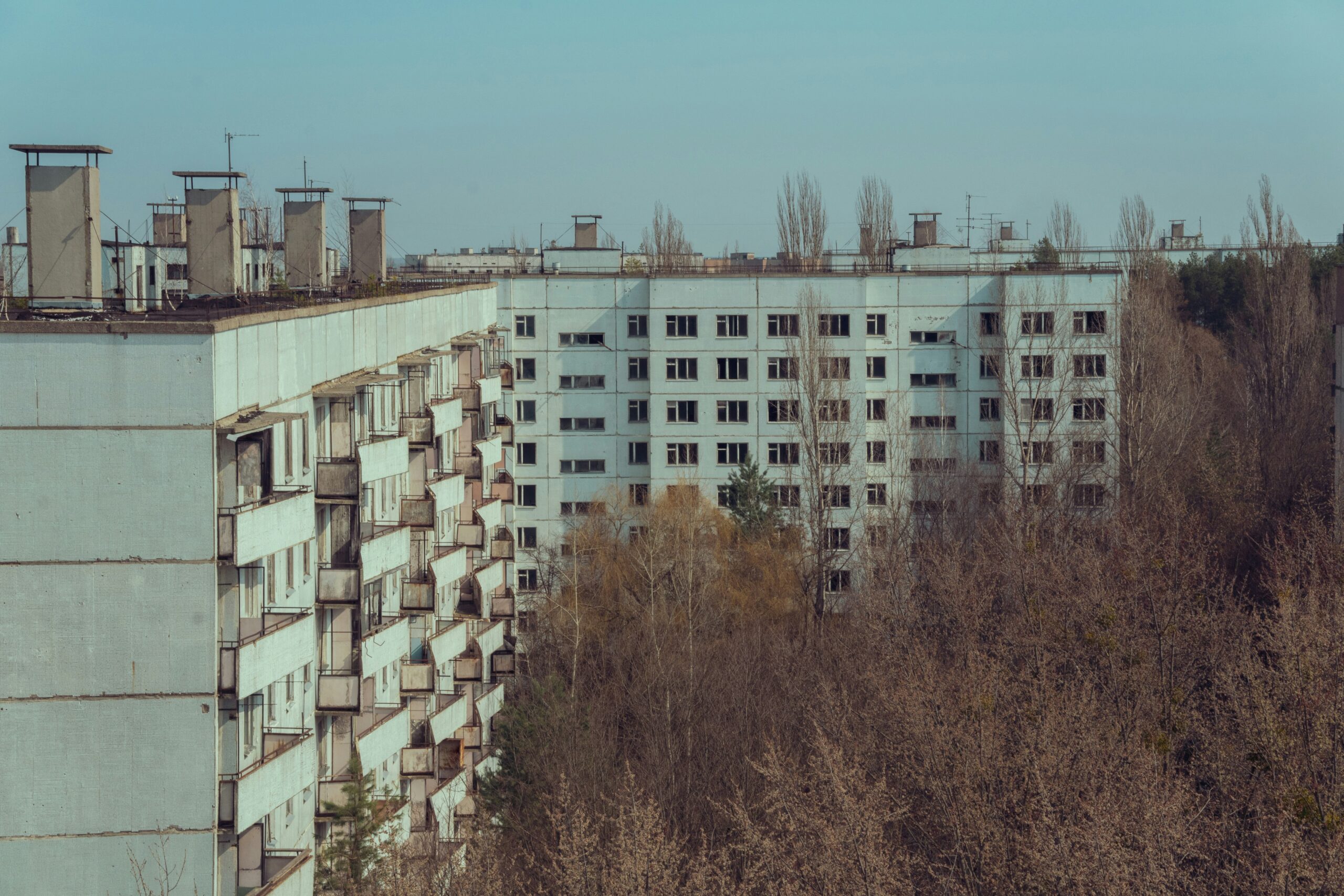
The biting Arctic wind, a constant companion in this remote corner of Norway, whispers tales of a peculiar past, a past that has largely faded from collective memory. Pyramiden, a settlement clinging to the edge of the Barents Sea, stands as a spectral monument to a bygone era, a Soviet ghost town in a land that never truly belonged to it. Its name, derived from the pyramid-shaped mountain that looms over it, evokes a sense of grandeur, yet the reality is one of stark decay and haunting silence. This is not just a collection of abandoned buildings; it is a tangible relic of a geopolitical experiment, a testament to Soviet ambition projected onto the unforgiving canvas of the Arctic.
Strategic Ambitions in the High North
The story of Pyramiden is inextricably linked to the Cold War and the Soviet Union’s strategic interests in the Arctic. While ostensibly established for coal mining, the settlement’s existence and scale hinted at a deeper purpose. Norway, a NATO member, bordered the Soviet Union in the north, and any Soviet presence in such proximity was viewed with a degree of suspicion and strategic consideration. The Soviet Union’s desire for a foothold in the Barents Sea region was multifaceted, encompassing not only resource extraction but also the potential for naval presence and assertion of influence in a strategically vital area. The vast, sparsely populated Arctic offered a unique frontier for such ambitions, a place where large-scale operations could be established with less direct international scrutiny in the early days. The seemingly unending daylight of the Arctic summer and the perpetual twilight of winter presented both opportunities and formidable challenges for human habitation and industrial activity, yet the Soviets were determined to forge ahead.
The Promise of Coal: Barentsburg and Pyramiden
The primary economic justification for Pyramiden, and its sister settlement Barentsburg, was the rich coal deposits in the Svalbard archipelago. Norway holds sovereignty over Svalbard, but the Svalbard Treaty of 1920 allows citizens of signatory nations to engage in economic activities there. This treaty was the legal bedrock upon which the Soviet Union, and later Russia, built its presence on the islands. Coal mining was a lucrative and vital industry in the Soviet Union, and the accessible seams in Svalbard offered a valuable resource, especially given the increasing global demand for energy. The establishment of these settlements was not a spontaneous act but a calculated endeavor to exploit these resources and, in doing so, project Soviet power and influence. Barentsburg, established earlier and remaining an active settlement, served as the administrative and economic hub, while Pyramiden was conceived as a larger, more ambitious undertaking, designed to be a self-sufficient community.
A Vision of Soviet Life in the Arctic
The vision for Pyramiden extended beyond mere mining. It was intended to be a model Soviet town, a microcosm of socialist life transplanted to the harsh Arctic environment. This involved creating a self-sustaining community with all the amenities deemed necessary for a thriving Soviet society. From apartment blocks and a cultural center to a swimming pool and a kindergarten, no effort was spared in attempting to replicate the Soviet ideal. This grand vision was meant to showcase the superiority of the socialist system, proving that even in the most inhospitable conditions, Soviet citizens could build prosperous and fulfilling lives. The architecture itself, characterized by its imposing, utilitarian style, was a deliberate statement of Soviet ideology, a stark contrast to the natural, rugged beauty of the Arctic landscape. The emphasis was on collective living and shared resources, embodying the principles of socialist community.
In exploring the historical significance of Soviet Union cities in Arctic Norway, one can gain insights into the geopolitical dynamics of the Cold War era. A related article that delves into the complexities of international relations and economic strategies is available at this link: Investing in Mexican Nearshoring Companies: A Guide. This piece highlights how global economic shifts can influence regional developments, much like the impact of Soviet presence in the Arctic regions.
Life in the Frozen Utopia
The Daily Grind of Coal Miners
The backbone of Pyramiden’s existence was its coal miners. These individuals, often drawn from various Soviet republics, faced challenging and dangerous working conditions. The extraction of coal from the permafrost and the often-extreme temperatures required immense resilience and dedication. Days were long and arduous, spent deep within the earth, extracting the black gold that fueled the Soviet economy. Beyond the physical demands, the isolation of the Arctic posed its own set of psychological challenges. Family members often accompanied the miners, creating a close-knit but insular community. Life revolved around work, the collective, and the limited recreational activities available. The camaraderie born out of shared hardship was a crucial element in maintaining morale in this remote outpost.
A Community Built on Collectivism
Pyramiden was not just a workplace; it was a fully realized community designed to embody Soviet ideals of collectivism. Every aspect of life was managed by the state-run mining company, Arktikugol. Housing, food, education, healthcare, and social activities were all provided, creating a sense of dependency and a tightly controlled social fabric. This collectivist approach fostered a strong sense of community and mutual reliance, where neighbors looked out for each other and shared in both the triumphs and tribulations of life in the Arctic. However, this also meant a lack of individual freedom and choice, a trade-off inherent in the Soviet system. The communal mess halls, the shared dormitories for single workers, and the organized cultural events all reinforced the idea of the collective over the individual.
Education and Culture in the Arctic Circle
Despite its remote location, Pyramiden boasted impressive facilities for education and culture. A kindergarten and a school ensured that children received a Soviet-style education, instilling in them the values and ideology of the state. The House of Culture was a central hub for social and intellectual life, hosting film screenings, concerts, lectures, and various club activities. Books and newspapers, often imported from the Soviet Union, provided a window to the outside world, albeit one carefully curated by the regime. Propaganda played a significant role in shaping the cultural landscape, reinforcing the narrative of Soviet progress and achievement. Sports, particularly those suited to the cold climate, also played a role in community life, with indoor facilities allowing for year-round activity.
The Perks and Pitfalls of a Company Town
Life in Pyramiden, like any company town, offered a unique set of advantages and disadvantages. For the miners and their families, there were the benefits of guaranteed employment, subsidized housing, and access to goods and services that might have been scarce or expensive elsewhere. The relative isolation also meant a certain degree of freedom from the pressures of a larger, more complex society. However, this also came with a significant lack of personal choice and freedom. Any deviation from the prescribed norms could be met with repercussions, and the constant presence of authority figures, from mine managers to political instructors, was a constant reminder of the controlled environment. The limited availability of certain goods, the dependency on the state for all necessities, and the psychological toll of prolonged isolation were significant drawbacks.
The Decline and Abandonment
The Winds of Change: Gorbachev and Perestroika
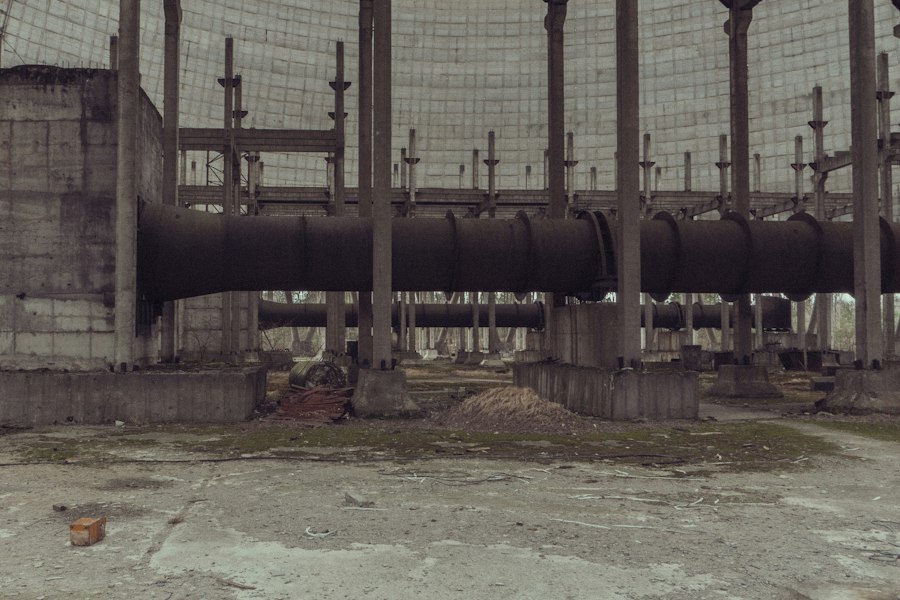
The seeds of Pyramiden’s demise were sown long before its eventual abandonment. The economic inefficiencies of the Soviet system, coupled with the immense cost of maintaining remote outposts, began to take their toll. Mikhail Gorbachev’s policies of Perestroika and Glasnost, aimed at reforming the Soviet Union, inadvertently hastened its collapse. The subsidies that had kept settlements like Pyramiden afloat were gradually reduced, and the economic viability of the coal mining operations became increasingly questionable. The opening up of the Soviet Union also exposed the stark contrast between the reality of life in Pyramiden and the more prosperous West, leading to a decline in morale and a questioning of the Soviet dream. The economic realities of the late Soviet era made maintaining such expensive and resource-intensive outposts unsustainable.
Economic Unviability and the Fall of the USSR
The economic unsustainability of Pyramiden became undeniable in the final years of the Soviet Union. The coal extracted was not always of the highest quality, and the logistical challenges of transporting it to market, combined with declining global coal prices, made the operation increasingly unprofitable. The collapse of the Soviet Union in 1991 delivered the final blow. Without the financial backing of the central government, the Arktikugol corporation, already struggling, could no longer afford to maintain the settlement. The workers, many of whom had known no other life, were offered relocation to mainland Russia, and the once-thriving community began to empty. The economic rationale that had driven its creation crumbled with the collapse of the superpower that had conceived it.
The Evacuation and the Lingering Ghosts
The process of abandonment was not instantaneous. For several years after the fall of the USSR, a skeleton crew remained to maintain the facilities and oversee the gradual decommissioning of the mine. However, as resources dwindled and the future became increasingly uncertain, the decision was made to fully evacuate Pyramiden. In 1998, the last residents departed, leaving behind a town frozen in time. The evacuation was a somber affair, a testament to the abrupt end of an ambitious project. The buildings, once filled with the sounds of life, were left to the mercy of the Arctic elements, their contents a chilling snapshot of a society abruptly halted.
The Legacy of a Fading Empire
Pyramiden stands as a stark reminder of the Soviet Union’s grand ambitions and its eventual unraveling. It is a tangible manifestation of a political and economic system that, while striving for utopian ideals, ultimately proved unsustainable. The abandoned buildings, the silent streets, and the scattered remnants of daily life tell a story of a failed experiment, a dream that faded with the permafrost. Its legacy is one of resilience, of human endeavor in the face of extreme conditions, but also of the inherent limitations of a centrally planned economy and an ideological vision that could not withstand the test of time and changing global realities.
Pyramiden Today: A Ghost Town Frozen in Time
The Eerie Silence and the Arctic Wilderness
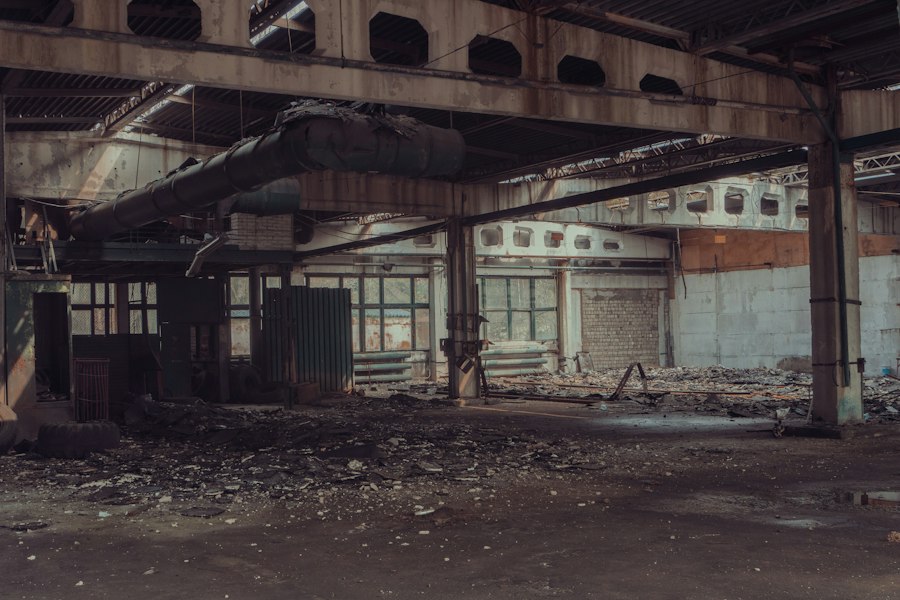
Today, Pyramiden is a place of profound silence, broken only by the cries of Arctic birds and the constant hum of the wind. Nature is slowly reclaiming the settlement, with mosses and lichens creeping over buildings and the tundra encroaching on once-manicured pathways. The stark beauty of the Arctic, once a backdrop to Soviet ambition, now envelops the town in an almost melancholic embrace. The sheer scale of the abandonment is what strikes visitors most profoundly – the empty apartments, the abandoned schoolrooms, the silent cinema, all preserved as if the residents simply vanished one day. It is a hauntingly beautiful testament to the passage of time and the fragility of human endeavors.
Tourists and the Fascination with the Past
Despite its remoteness and the challenging journey required to reach it, Pyramiden has become a surprising tourist destination. Visitors are drawn by the allure of a ghost town, a place frozen in time, offering a unique glimpse into a lost world. Guided tours allow people to explore the remarkably well-preserved buildings, from the imposing administrative offices to the communal kitchens and living quarters. The opportunity to walk through the remnants of Soviet life, to see the faded propaganda posters, the children’s toys left behind, and the personal belongings of former residents, creates a powerful emotional connection to the past. The experience is often described as surreal and deeply moving, a palpable encounter with history.
Preservation Efforts and the Future of Pyramiden
There are ongoing efforts to preserve Pyramiden, recognizing its historical and cultural significance. The Russian company Arktikugol, which still operates Barentsburg, maintains some oversight of the settlement. There is a delicate balance to be struck between allowing tourists access and preventing further decay or the removal of artifacts. The harsh Arctic environment is a constant threat, and efforts are made to stabilize structures and protect them from the elements. The future of Pyramiden is uncertain, but it is likely to remain a unique historical site, a testament to a fascinating chapter in Arctic history, drawing those who seek to understand the complex legacy of the Soviet Union and the enduring power of human adaptation in extreme environments.
A Symbol of a Lost Era
Pyramiden is more than just an abandoned settlement; it is a potent symbol of a bygone era, a stark reminder of the geopolitical tensions of the Cold War and the ambitious, often grand, projects that characterized the Soviet Union. It represents a bold attempt to impose an ideology and a way of life onto a challenging and unforgiving landscape. Its story is a cautionary tale about the rise and fall of empires and the enduring power of history to leave its mark on the world, even in the most remote and windswept corners. The silence of Pyramiden speaks volumes, echoing the grand pronouncements and fervent hopes of a nation that once projected its might to the very edges of the earth.
In the remote Arctic region of Norway lies a fascinating city that has historical ties to the Soviet Union, showcasing a unique blend of cultural influences and architectural styles. This city, known for its stunning landscapes and intriguing past, has become a point of interest for those exploring the remnants of Cold War history. For a deeper understanding of the area’s mysterious allure, you can read about the enigmatic stories surrounding the glaciers and their reflections in this related article on the subject. Discover more about these captivating features by visiting this link.
The Unseen Influence and Lasting Impact
| Metric | Data |
|---|---|
| City Name | Barentsburg |
| Country | Norway (Svalbard Archipelago) |
| Historical Affiliation | Former Soviet Union (now Russian) |
| Location | Arctic Norway, Svalbard |
| Population | Approximately 400 (as of recent estimates) |
| Main Industry | Coal Mining |
| Established | 1932 |
| Climate | Polar tundra climate |
| Time Zone | Central European Time (CET) |
The Geopolitical Chessboard of the Arctic
Pyramiden’s existence was never purely about coal. It was a piece on the geopolitical chessboard, a Soviet presence in a strategically important region that was becoming increasingly significant during the Cold War. The Barents Sea is a vital passage for naval vessels and a crucial area for resource exploration. The Soviet Union’s ability to establish and maintain settlements like Pyramiden demonstrated its capacity and willingness to project power into the Arctic, influencing naval strategies and territorial claims. While the active military component may have been less overt than in other regions, the very presence of a Soviet town underscored the ongoing competition for influence and control in the high north.
The Human Element: Stories of Resilience and Displacement
Behind the imposing architecture and the geopolitical narrative lie the personal stories of the people who lived and worked in Pyramiden. These are stories of resilience, of individuals and families who adapted to a unique and challenging lifestyle, building lives and raising children in the Arctic. But there are also stories of displacement, of lives disrupted by the sudden collapse of the Soviet Union, leaving them to navigate a new world with few resources and uncertain futures. These human narratives are as vital to understanding Pyramiden as the grand political and economic forces that shaped its rise and fall. The personal letters, photographs, and even the graffiti left behind offer poignant glimpses into their lives and the community they forged.
The Arctic Environment: A Constant Adversary and a Sovereign Reality
The Arctic environment was a constant adversary for the inhabitants of Pyramiden, dictating the pace of life and the challenges they faced. The extreme cold, the darkness of winter, and the permafrost all demanded ingenuity and adaptation. Yet, paradoxically, the Arctic also represents a sovereign reality that transcended the geopolitical ambitions of any single nation. Norway’s sovereignty over Svalbard, as defined by the 1920 treaty, ultimately dictated the long-term legal framework for the Soviet presence. The enduring power of international law and the natural forces of the Arctic proved to be more lasting than the ideological constructs of the Cold War.
A Microcosm of Soviet Experience
Pyramiden can be viewed as a microcosm of the broader Soviet experience. It reflects the nation’s capacity for large-scale industrial projects, its ideological fervor, and its eventual economic and political unraveling. The isolation of the Arctic amplified both the strengths and weaknesses of the Soviet system, creating a unique environment where the ideals of collectivism and state control were put to a rigorous test. The town’s rise and fall mirrors the trajectory of the Soviet Union itself, a powerful and ambitious experiment that ultimately proved unsustainable.
The Enduring Allure of the Abandoned
The Photographer’s Dream and the Historian’s Treasure
For photographers and historians, Pyramiden is an unparalleled subject. The visually striking decay, the preserved remnants of a bygone era, and the stark Arctic landscape offer endless opportunities for capturing compelling imagery and conducting in-depth historical research. Photographers are drawn to the dramatic juxtaposition of human structures against the raw beauty of nature, while historians find a wealth of primary source material within the abandoned buildings, from personal documents to official records. The town serves as a living museum, a tangible archive of a lost world waiting to be explored and interpreted.
The Psychological Impact of Ghost Towns
Ghost towns like Pyramiden hold a particular psychological allure. They tap into our fascination with the macabre, the ephemeral nature of human endeavors, and the stories that lie beneath the surface of abandonment. Walking through empty streets and entering decaying buildings can evoke a range of emotions, from curiosity and awe to a sense of melancholy and reflection on mortality and the passage of time. The quiet emptiness invites contemplation and imagination, allowing visitors to project their own narratives onto the spaces left behind by others.
Lessons from the Periphery
The story of Pyramiden offers valuable lessons from the periphery of major geopolitical events. It highlights how grand ideologies and national ambitions can manifest in the most remote corners of the world, and how the forces of economics, politics, and nature can ultimately dictate their fate. The settlement serves as a reminder that history is not just made in grand capitals but also in the lives of ordinary people in seemingly insignificant locations. The lessons learned from this forgotten Soviet city in the Arctic extend far beyond its geographical boundaries, offering insights into human resilience, the complexities of ideology, and the enduring power of place.
The Future of Memory and Preservation
As time marches on, the preservation of Pyramiden becomes increasingly critical. The challenge lies in finding a sustainable balance between allowing access for study and tourism and protecting the fragile structures from further decay. The future of this frozen monument to a lost era will depend on the continued interest and commitment of those who recognize its unique historical and cultural significance. Whether it remains a largely untouched relic or evolves into a more managed historical site, Pyramiden will undoubtedly continue to fascinate and inform, a silent sentinel in the Arctic, whispering tales of a past that refuses to be entirely forgotten.
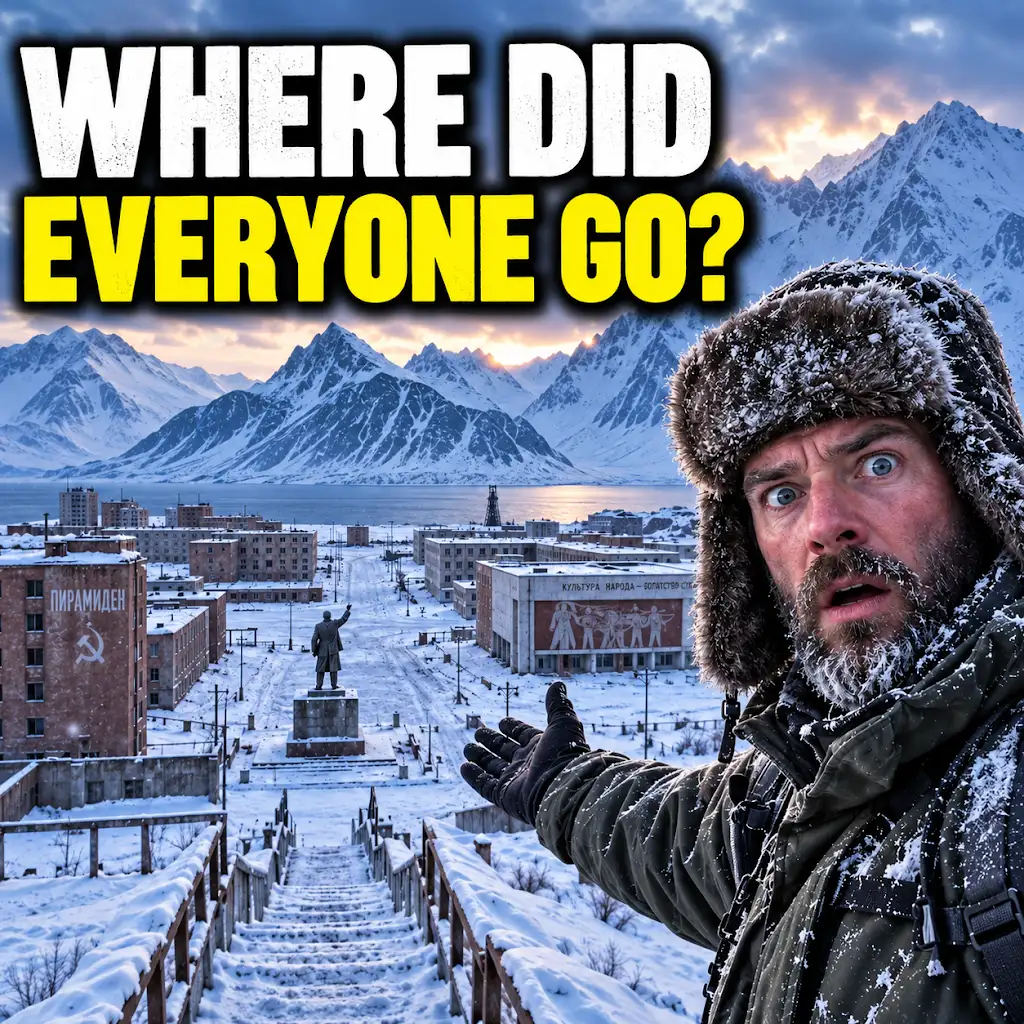
Why Did the Soviet Union Abandon This Arctic City?
FAQs
What is the Soviet Union city in Arctic Norway?
The Soviet Union city in Arctic Norway refers to the abandoned Russian mining settlement of Pyramiden, located on the archipelago of Svalbard.
When was Pyramiden founded?
Pyramiden was founded by Sweden in 1910 and later sold to the Soviet Union in 1927. It was a coal mining town that was operational until 1998.
What was life like in Pyramiden during its peak?
During its peak, Pyramiden was a bustling town with amenities such as a school, cultural center, sports facilities, and a swimming pool. The town had a population of around 1,200 people at its height.
Why was Pyramiden abandoned?
Pyramiden was abandoned in 1998 due to the declining coal industry and economic reasons. The Russian mining company that operated the town decided to close it down and evacuate the residents.
Can tourists visit Pyramiden today?
Yes, tourists can visit Pyramiden today. The town is now a popular tourist destination in Svalbard, with guided tours available to explore the abandoned buildings and learn about its history.