The arid landscapes of North Africa, often associated with vast deserts and ancient civilizations, hold a profound secret beneath their sands: a treasure trove of fossilized shark remains. These ancient predators, now long extinct, offer a captivating glimpse into prehistoric oceans that once covered this landmass, revealing a world teeming with colossal marine life. The discovery of these fossils is not merely an academic pursuit; it is a journey back in time, unearthing the ecological dynamics and evolutionary pathways of some of the planet’s most iconic predators.
The rich fossil record of sharks in North Africa is intrinsically linked to the region’s dramatic geological history. Millions of years ago, vast portions of North Africa were submerged under warm, shallow seas, forming part of ancient geological formations like the Tethys Sea. Understanding these paleogeographical shifts is crucial to appreciating the context of shark fossil discoveries.
The Tethys Sea: A Cradle of Marine Life
The Tethys Sea, a vast epicontinental sea that existed from the Permian to the Cenozoic eras, played a pivotal role in shaping North Africa’s fossil heritage. It stretched across Eurasia and North Africa, providing a diverse range of marine environments, from shallow coastal shelves to deeper oceanic trenches. These varied habitats supported an incredible biodiversity, including a significant population of sharks.
Bathymetric Gradients and Habitat Diversity
The Tethys Sea was not a uniform body of water. It featured significant bathymetric gradients, meaning variations in depth, which created distinct ecological niches. Shallow, sunlit areas were ideal for benthic (bottom-dwelling) sharks, while deeper, cooler waters might have supported pelagic (open-ocean) species. Fossil sites in North Africa often reflect these different zones, with specific types of sharks found in sediments corresponding to particular depths.
Paleoclimate and Oceanic Currents
The climate of the Tethys Sea era was generally warmer than today, facilitating the flourishing of many marine species. Ocean currents within the Tethys would have transported nutrients and plankton, supporting the food webs upon which sharks, as apex predators, relied. Evidence from fossilized shark teeth and jaws can sometimes provide clues about the dietary habits and migration patterns influenced by these ancient oceanic conditions.
Continental Drift and Shifting Coastlines
Over geological timescales, the continents have moved and rotated due to plate tectonics. North Africa’s position has shifted considerably, influencing its marine environments. What are now arid deserts were once vibrant coastlines and open ocean, and the fossil record is a direct testament to these transformations.
The Impact of Plate Tectonics on Marine Habitats
The opening and closing of ocean basins, as well as the formation and erosion of mountain ranges, drastically altered coastlines and the extent of shallow marine environments. These tectonic events directly impacted the distribution and evolution of shark populations in North Africa. For example, the formation of land bridges could isolate populations, leading to unique evolutionary adaptations.
Sedimentation Patterns and Fossil Preservation
The geological processes that accompanied continental drift also influenced sedimentation. Areas that experienced rapid deposition of sediment, such as river deltas and continental shelves, are often rich in fossils. The specific types of rock found in North African fossil sites, like limestones and sandstones, indicate the marine environments present during the fossilization process and are excellent matrices for preserving delicate skeletal remains, including shark teeth and vertebrae.
Fossil sharks of North Africa provide a fascinating glimpse into the ancient marine ecosystems that once thrived in the region. These prehistoric creatures, with their diverse adaptations and unique characteristics, have captured the interest of paleontologists and enthusiasts alike. For those interested in exploring more about ancient innovations and the advanced technologies of lost civilizations, a related article can be found at this link, which delves into the remarkable achievements of past societies and their connection to the natural world.
Giants of the Past: Notable Fossil Shark Discoveries
North Africa has yielded some of the most significant fossil shark discoveries globally, including the remains of some of the largest and most fearsome predators to have ever roamed the oceans. These finds have revolutionized our understanding of shark evolution and the ancient ecosystems they inhabited.
Otodus megalodon: The Undisputed King
Perhaps the most celebrated fossil shark unearthed in North Africa is Otodus megalodon, a colossal shark that dominated the oceans for millions of years. Its name, meaning “big tooth,” is a testament to the extraordinary size of its fossilized dentition.
The Scale of Megalodon
Fossil teeth of C. megalodon can reach lengths of over 18 centimeters (7 inches), with the largest reliably reported specimen exceeding 19 centimeters. Based on these teeth, scientists estimate that C. megalodon could have grown to lengths of 15 to 20 meters (50 to 65 feet) or even more, making it significantly larger than any modern shark, including the whale shark.
North African Provenance of Megalodon Teeth
Regions in Morocco, Egypt, and Libya have proven to be exceptionally rich sources of C. megalodon teeth. These teeth, often found in Miocene and Pliocene-aged deposits, indicate that North Africa was a prime hunting ground for these apex predators. The abundance of C. megalodon fossils in these areas suggests that the ancient North African seas provided a favorable environment with ample prey.
Ecological Role of Megalodon
As an apex predator, C. megalodon likely played a crucial role in regulating populations of large marine mammals, including whales and seals, as well as other large fish. Its immense size and powerful bite would have allowed it to tackle prey of considerable size. Fossil evidence, such as bite marks on whale bones, supports this predatory behavior.
Carcharocles chubutensis: A Predecessor to the Giant
Another prominent fossil shark found in North Africa is Carcharocles chubutensis, an ancestor or close relative of C. megalodon. While not as massive as its famous descendant, C. chubutensis was still a formidable predator.
The Evolutionary Link
C. chubutensis existed in the Oligocene and Miocene epochs and is characterized by its large, serrated teeth, though typically smaller than those of C. megalodon. The discovery of C. chubutensis fossils in North African deposits helps to trace the evolutionary lineage leading to the giant C. megalodon.
Coastal versus Pelagic Habitats
Fossils of C. chubutensis are often found in environments that suggest it may have inhabited both coastal and offshore waters. Its presence in certain North African strata indicates its widespread distribution and its adaptation to various marine ecosystems.
Other Notable Extinct Shark Species
Beyond the titans, North Africa’s fossil record reveals a diverse array of other extinct shark species, painting a comprehensive picture of prehistoric shark communities.
Lamniform Sharks: A Dominant Group
Many of the large, predatory sharks found in North Africa belong to the order Lamniformes, which includes modern great whites and makos. Fossils of extinct lamniforms, such as various species of Otodus (distinct from C. megalodon‘s genus classification as Otodus) and Carcharoides, are common.
Otodus (sensu lato): Ancestral Forms and Diversity
The genus Otodus encompasses a group of extinct mackerel sharks that are considered ancestors of C. megalodon. Fossils of earlier Otodus species, with their distinct tooth morphology, are found in older North African rock formations, demonstrating a gradual evolutionary progression.
Carcharoides: Early Lamniform Predators
Fossils of Carcharoides species, characterized by their robust, serrated teeth, have also been recovered. These sharks were likely formidable predators in their ancient marine environments.
Galeomorph Sharks: A Wider Range of Adaptations
While lamniforms often dominate the headlines, fossils of other galeomorph sharks, including extinct species of requiem sharks (Carcharhinidae) and hammerhead sharks (Sphyrnidae), have also been found, showcasing a broader spectrum of adaptations.
Extinct Carcharhinids: Early Tiger and Bull Sharks
Fossils attributed to extinct species of requiem sharks, the family that includes modern tiger and bull sharks, suggest that these lineages also thrived in ancient North African waters. Their teeth, often smaller and more numerous than those of lamniforms, indicate different feeding strategies.
Prehistoric Hammerheads: Ancient Origins
Evidence for extinct hammerhead sharks has also emerged, providing insights into the early diversification of this distinctive group. The presence of these fossils underscores the ancient origins of many shark lineages we recognize today.
The Science of Discovery: Paleontological Methods and Techniques
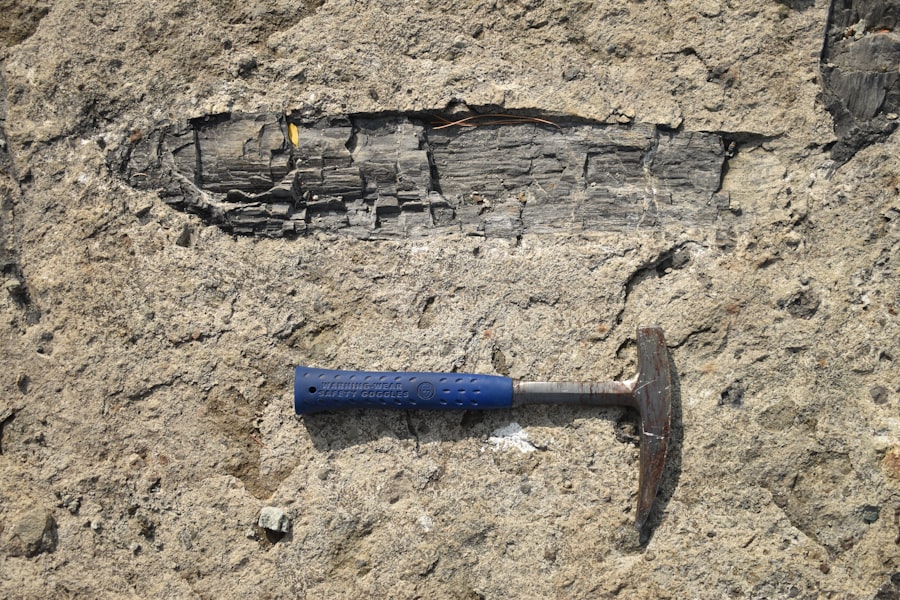
Unearthing and interpreting fossil shark remains requires a sophisticated understanding of paleontology and its associated scientific methodologies. From the initial fieldwork to the laboratory analysis, each step is crucial in piecing together the life of these ancient creatures.
Field Exploration: The Hunt for Fossils
The discovery of fossil sharks begins with dedicated fieldwork, often in challenging desert environments where erosion has exposed ancient rock layers. Paleontologists meticulously survey these areas, searching for signs of fossilized material.
Geological Surveying and Stratigraphy
Geologists and paleontologists work together to identify promising geological formations. Stratigraphy, the study of rock layers and their sequence, is essential for dating the fossils and understanding the relative ages of different shark species found in the same area. North African deposits, particularly those from the Paleogene and Neogene periods, are prime targets.
Locating Fossil-Bearing Sites
Specific rock types and geological features often indicate the presence of marine sediments, which are crucial for finding marine fossils. Coastal plains, ancient seabed formations, and sedimentary basins in North Africa are particularly rich in fossil shark material.
Excavation and Collection
Once potential fossil sites are identified, careful excavation takes place. Paleontologists employ specialized tools to extract delicate fossils, ensuring that as much of the specimen as possible is recovered without damage. This often involves painstaking work to remove surrounding rock.
Laboratory Analysis: Unlocking Fossil Secrets
Once collected, the fossils are transported to laboratories for detailed analysis. This is where the true work of understanding these ancient predators begins.
Tooth Morphology and Identification
Shark teeth are the most commonly found fossils because they are durable and were constantly shed and replaced throughout a shark’s life. The shape, size, serrations, and root structure of fossil teeth are critical for identifying the species of shark. This forms the basis of much of the classification of extinct sharks.
Dental Formula and Jaw Reconstruction
By analyzing numerous teeth from a single site, paleontologists can begin to reconstruct the dental formula (the arrangement of teeth in the jaw) of extinct sharks. In rare cases, fossilized jaw fragments or even more complete skeletons can provide insights into the overall jaw structure.
Histology and Growth Rings
In some instances, thin sections of fossil teeth can be examined under a microscope to study their internal structure. This can reveal growth rings, similar to those found in trees, providing information about the shark’s age and growth rate.
Analysis of Other Skeletal Elements
While teeth are most common, other fossilized shark remains can also be found, though they are rarer. These include vertebrae, dermal denticles (placoid scales, often referred to as “shark skin”), and occasionally calcified cartilage.
Vertebral Columns and Size Estimation
Fossilized vertebrae can provide information about the shark’s spinal column and, in conjunction with teeth, help to refine estimates of its overall size and body shape.
Dermal Denticles and Surface Texture
Dermal denticles, though small, can reveal details about the shark’s skin texture and its hydrodynamic adaptations. Their presence can also confirm the identification of a shark fossil.
Dating Techniques: Placing Fossils in Time
Accurately dating fossil shark remains is essential for understanding their evolutionary history and the ancient environments they inhabited.
Biostratigraphy: Using Fossils as Time Markers
Biostratigraphy relies on the principle that different rock layers contain distinct assemblages of fossils. By comparing the shark fossils found in North Africa with those found in well-dated rock sequences elsewhere, paleontologists can determine the relative age of the North African fossils.
Radiometric Dating: Absolute Timelines
In certain circumstances, radiometric dating techniques can be applied to the rocks surrounding the fossils. This method uses the decay rates of radioactive isotopes to provide absolute dates, offering precise timelines for when these ancient sharks lived.
Paleoecology: Reconstructing Ancient Ecosystems

The fossil shark record of North Africa is not just about individual species; it provides invaluable data for reconstructing the paleoecology of these ancient marine environments. By studying the types of sharks present, their prey, and the geological context, scientists can paint a vivid picture of life millions of years ago.
Food Webs and Predator-Prey Relationships
The diverse shark fauna found in North Africa allows for the reconstruction of ancient food webs. The presence of large predators like C. megalodon indicates a healthy population of large prey, such as whales, seals, and other large fish.
Evidence from Bite Marks
Fossilized whale bones and other marine mammal skeletons found in the same strata as shark teeth often exhibit distinct bite marks. These marks can be matched to the teeth of specific shark species, providing direct evidence of predator-prey interactions.
Stomach Contents and Coprolites
Occasionally, the fossilized stomach contents or coprolites (fossilized feces) of sharks can be found. These rare finds can offer direct evidence of their diet, revealing the types of fish, marine mammals, or even other sharks they consumed.
Environmental Indicators: What the Fossils Tell Us About the Past Seas
The types of sharks and the associated marine life found in North African fossil sites offer clues about the environmental conditions of the ancient seas.
Water Temperature and Salinity
The distribution of certain shark species is influenced by water temperature and salinity. The presence of tropical or subtropical species in North African fossils suggests that the ancient seas were warmer than today, consistent with paleoclimatic data.
Depth and Coastal Proximity
The morphology of fossil shark teeth and the sedimentary rocks in which they are found can indicate whether the sharks inhabited shallow coastal waters or deeper offshore environments. For example, fossils found in shallow marine sediments might belong to sharks that patrolled reefs or hunted in nearshore waters.
Oceanic Productivity and Nutrient Availability
The abundance of shark fossils, particularly those of apex predators, suggests that the ancient North African seas were highly productive, supporting large populations of prey animals. This indicates ample availability of nutrients and a robust marine ecosystem.
Fossil sharks of North Africa provide fascinating insights into the ancient marine ecosystems that once thrived in the region. These prehistoric creatures, with their diverse adaptations and unique characteristics, have captured the interest of paleontologists and enthusiasts alike. For those interested in how technological advancements are reshaping our understanding of history, a related article discusses revolutionary tech breakthroughs that are changing the way we study and interpret fossil records. You can read more about these innovations in the field by visiting this informative article.
Significance and Future Directions
| Species | Location | Period |
|---|---|---|
| Otodus obliquus | Morocco | Eocene |
| Carcharocles megalodon | Libya | Miocene |
| Carcharhinus leucas | Tunisia | Miocene |
The fossil shark discoveries in North Africa are of immense scientific and public interest. They not only illuminate our planet’s deep past but also inspire awe and wonder about the natural world.
Understanding Evolution and Extinction
The North African fossil record is a crucial data set for understanding the evolutionary history of sharks, including the development of their unique anatomical features and their adaptation to various marine environments. It also provides insights into the causes of shark extinction events throughout Earth’s history.
Evolutionary Pathways of Modern Sharks
By studying the fossil record, scientists can trace the evolutionary lineages of modern shark species back to their ancient ancestors. This helps to explain the diversity of shark forms we see today and the processes that drove their diversification.
Mass Extinction Events and Their Impact on Sharks
North Africa’s fossil record, when analyzed in conjunction with global data, can contribute to our understanding of how mass extinction events have affected shark populations throughout geological time. This is particularly relevant given the current conservation concerns for many shark species.
Public Engagement and Education
The discovery of colossal shark fossils, especially those of C. megalodon, captures the public imagination. These discoveries provide a tangible link to the prehistoric world and can be powerful tools for educating the public about paleontology, evolution, and the importance of marine conservation.
Museum Exhibitions and Scientific Communication
Fossil shark teeth and reconstructions of ancient sharks are often featured in museums, captivating visitors of all ages. These exhibits play a vital role in making scientific discoveries accessible and engaging to a wider audience.
The Allure of the Megatooth Shark
The sheer size and power of C. megalodon continue to fascinate. Efforts to communicate the scientific findings about this extinct predator, from its diet to its habitat, are crucial for fostering public interest in paleontology and marine biology.
Ongoing Research and New Frontiers
Despite the significant discoveries made, the exploration of North Africa’s fossil shark heritage is far from over. New research avenues and potential discoveries continue to emerge.
Exploring Underexplored Regions
Vast areas of North Africa remain underexplored paleontologically. Continued fieldwork in these regions holds the promise of uncovering new fossil sites and previously unknown shark species.
Advanced Analytical Techniques
The application of advanced analytical techniques, such as stable isotope analysis and advanced imaging technologies, can provide even deeper insights into the diet, physiology, and behavior of fossil sharks, pushing the boundaries of what we can learn from these ancient remains.
The Interplay of Paleontology and Climate Change Research
Understanding past climate change and its impact on marine ecosystems, as revealed by the fossil shark record, can offer valuable context for current discussions about climate change and its potential effects on marine life today.
In conclusion, the fossil sharks of North Africa represent a remarkable window into our planet’s ancient oceans. From the colossal teeth of C. megalodon to the diverse array of extinct species, these discoveries offer a profound glimpse into a world long gone, reminding us of the immense power of evolution and the enduring mysteries that still lie buried beneath the sands.

They Found a Shark Graveyard in the Egyptian Desert
FAQs
What are fossil sharks of North Africa?
Fossil sharks of North Africa refer to the remains and fossils of ancient shark species that have been discovered in the region of North Africa. These fossils provide valuable information about the diversity and evolution of sharks in this area over millions of years.
Where are fossil sharks of North Africa found?
Fossil sharks of North Africa have been found in various locations across the region, including Morocco, Algeria, Tunisia, and Libya. These fossils have been unearthed from sedimentary rock formations and ancient marine deposits.
What species of fossil sharks have been discovered in North Africa?
Several species of fossil sharks have been discovered in North Africa, including the famous Carcharocles megalodon, a giant prehistoric shark that lived during the Miocene and Pliocene epochs. Other species include Otodus obliquus, Squalicorax, and Hexanchus griseus.
What do fossil sharks of North Africa tell us about ancient marine ecosystems?
The discovery of fossil sharks in North Africa provides valuable insights into the ancient marine ecosystems of the region. By studying the fossilized remains of sharks and other marine creatures, scientists can reconstruct the food webs, environmental conditions, and biodiversity of ancient seas.
Why are fossil sharks of North Africa important for scientific research?
Fossil sharks of North Africa are important for scientific research because they help scientists understand the evolutionary history of sharks and the broader marine ecosystem. By studying these fossils, researchers can gain a better understanding of how sharks have adapted to changing environments over millions of years.