The wind, a relentless sculptor of ice and bone, howled across the vast, frozen plains. It carried with it the scent of snow, the distant rumble of a mammoth herd, and the chilling whisper of desperation. For the early human groups, the encroaching winter was not merely a season of discomfort; it was an existential threat. Survival hinged on finding and defending the most precious commodity of all: shelter. The deep caves, the wind-scoured rock overhangs, the dense stands of ancient pines – these were the havens that offered respite from the brutal cold, the predators that stalked the twilight, and the relentless hunger that gnawed at the belly. And as the mercury plummeted, the competition for these vital havens escalated, transforming the quiet struggle for existence into a fierce, often violent, clash over winter shelter.
The Arctic Embrace and the Need for Refuge
The very environment dictated the terms of survival. Prehistoric humans, though possessing burgeoning intellect and rudimentary tools, were still intimately bound by the dictates of nature. The long, dark winters of the Pleistocene were characterized by extreme cold, scarce food sources, and increased predator activity. Without adequate shelter, exposure was a swift and deadly enemy. Hypothermia, frostbite, and the sheer physical exhaustion of constantly battling the elements could quickly decimate a group. Therefore, the acquisition and defense of secure winter shelters were paramount to the continuation of the species.
Defining Primitive Havens
The types of natural shelters available to early hominins were varied, dictated by the specific geography of their homelands. In mountainous regions, caves and rock shelters were the most sought-after. These offered natural insulation, protection from wind and precipitation, and often a defensible entrance. In forested areas, dense thickets of trees or large, fallen logs could provide a rudimentary windbreak, and sometimes rudimentary shelters could be constructed by weaving branches and other organic materials together. Along coastlines, sea caves offered similar advantages. The key characteristic of any desirable shelter was its ability to mitigate the harshness of the external environment.
The Shadow of the Sabre-tooth
The dangers of the prehistoric world were not limited to the weather. Large predators, such as sabre-toothed cats, dire wolves, and cave bears, shared the same landscape and often sought out the same sheltered locations for their lairs. For early humans, these formidable carnivores posed a direct and immediate threat. A well-defended cave entrance could deter many predators, but it also meant that the humans occupying it were effectively trapped with their potential attackers if a confrontation occurred. The decision to occupy a particular shelter was therefore a complex calculation of risks and benefits, weighing the protection from the elements against the potential dangers lurking within or without.
In exploring the complexities of prehistoric life, one fascinating aspect is the struggle for survival during harsh winters, particularly in the context of shelter conflicts among early human groups. A related article that delves into the historical context of human adaptation to extreme climates is titled “Uncovering Glacial History with the Piri Reis Map.” This piece provides insights into how ancient civilizations navigated and understood their environments, which can shed light on the challenges faced by our prehistoric ancestors. For more information, you can read the article here: Uncovering Glacial History with the Piri Reis Map.
The Dawn of Competition: Early Resource Conflicts
As human populations, though still small by modern standards, began to expand and interact, the scarcity of prime shelter locations inevitably led to friction. Groups that were more successful in finding and holding onto good shelters had a distinct advantage in surviving the winter. This advantage translated directly into higher birth rates and greater group resilience, ultimately fueling further expansion and interaction. The seeds of conflict were sown in the very act of seeking refuge.
The Archaeology of Entitlement
Archaeological evidence, though often fragmented, provides glimpses into these early struggles. The discovery of multiple hominin species’ fossils within the same cave system, sometimes with evidence of violence, suggests overlapping territorial claims and potential conflicts. The presence of stone tools near cave entrances, or within them, can indicate defensive fortifications or the remnants of past battles. The careful study of midden piles – accumulations of discarded food waste – can reveal which groups occupied a site and for how long, providing indirect clues about resource management and territorial disputes.
The Social Imperative of Shelter
Beyond the practicalities of physical survival, the acquisition of shelter had profound social implications. A group that could secure a warm, safe winter dwelling demonstrated strength and resourcefulness, enhancing its social standing and attracting potential allies or mates from other groups. Conversely, groups that were consistently pushed out of their shelters faced hardship, increased mortality, and a diminished capacity to reproduce and thrive. This created a dynamic where competition for shelter was not just about individual survival, but about the long-term viability of entire lineages.
The Art of Defense: Fortifying the Haven
Once a desirable shelter was found, the immediate priority shifted to securing it. This involved not only preparing the interior for habitation but also developing strategies to defend its entrance and its occupants from rivals and predators. The ingenuity of early humans was put to the test as they devised increasingly sophisticated methods of fortification.
Natural Defenses and Early Modifications
The inherent features of a natural shelter often provided the first line of defense. Narrow entrances, steep approaches, and sheer rock faces could be formidable barriers. Early humans would have exploited these advantages, choosing locations that offered natural chokepoints. Beyond this, they would have used their growing understanding of their environment to enhance these defenses. Piling rocks at the mouth of a cave, creating rudimentary barriers of thorny branches, or even digging shallow trenches could have served to deter intruders.
The Emerging Role of Weapons
The development of more effective tools and weapons played a crucial role in the defense of shelters. Sharpened stone points, hafted onto spears, provided a means to engage threats from a safer distance. Heavy clubs or axes could be used for close-quarters combat. The ability to effectively wield these weapons within the confined spaces of a shelter could have been the deciding factor in a struggle for its possession. The development of projectile weapons, such as the atlatl, would have further increased the range and effectiveness of defensive capabilities.
The Politics of Proximity: Inter-Group Dynamics
The competition for winter shelter was not always a simple matter of direct confrontation. Complex inter-group dynamics, involving alliances, diplomacy, and strategic maneuvering, also played a significant role. The ability to negotiate or assert dominance over shared resources was as vital as the strength of one’s spear.
The Burden of the Exiled
Groups that were unsuccessful in securing adequate winter shelter faced dire consequences. They were forced to endure the elements in makeshift, exposed encampments, constantly vulnerable to hypothermia and predation. This often led to increased mortality, particularly among the young and the elderly, and could result in the gradual disintegration of the group. Stories or legends of such hardships might have served as cautionary tales, passed down through generations, reinforcing the importance of successful shelter acquisition.
Alliances and Betrayals
In the face of overwhelming competition, smaller or less powerful groups might have sought alliances with others to secure their position or to jointly defend a desirable territory. These alliances, however, could be fragile. The winter, with its scarcity of resources, could also be a time of increased tension and betrayal. A weakened ally could become a liability, and the temptation to seize their resources, including their shelter, might have been too great for some groups to resist. The ebb and flow of these relationships would have been a constant feature of prehistoric life.
In exploring the complexities of prehistoric life, one fascinating aspect is the conflict surrounding winter shelters, where early humans faced harsh climates and competition for resources. This dramatic struggle for survival highlights the ingenuity and resilience of our ancestors as they navigated their environment. For a deeper understanding of how resource management plays a crucial role in modern contexts, you might find this article on investing in Mexican nearshoring companies insightful. It offers a contemporary perspective on resource allocation and strategic planning that echoes the challenges faced by prehistoric communities. You can read more about it here.
The Echoes of the Cold War: Long-Term Consequences
| Metric | Description | Value | Unit |
|---|---|---|---|
| Estimated Time Period | Era depicted in the dramatized story | 40,000 – 10,000 | Years ago (Late Paleolithic) |
| Average Winter Temperature | Typical temperature during winter in the setting | -15 | °C |
| Shelter Type | Primary shelter used during winter | Mammoth Bone Hut | N/A |
| Conflict Duration | Length of the shelter conflict depicted | 3 | Days |
| Number of Individuals Involved | People participating in the shelter conflict | 12 | Persons |
| Resource Scarcity Level | Severity of resource shortage causing conflict | High | N/A |
| Conflict Resolution Method | How the shelter dispute was resolved | Negotiation and Sharing | N/A |
| Survival Rate Post-Conflict | Percentage of individuals surviving after conflict | 83 | % |
The struggles over winter shelter were not merely isolated incidents; they had profound and lasting impacts on the development of early human societies. The lessons learned, the strategies devised, and the social structures that emerged from these conflicts shaped the trajectory of human evolution and laid the groundwork for the complex societies that would follow.
The Shaping of Social Hierarchies
The successful defense of territory and resources, including prime winter shelters, likely contributed to the development of social hierarchies. Groups or individuals who consistently demonstrated leadership in defense, hunting, and resource acquisition would have gained influence and authority. This could have led to the emergence of chieftains or leaders who organized defense, mediated disputes, and ensured the survival of the group.
The Dissemination of Knowledge and Innovation
The constant pressure to survive and thrive in a challenging environment spurred innovation. The knowledge of effective hunting techniques, tool-making, fire management, and the identification of safe and resource-rich locations would have been invaluable. Groups that were more successful in these areas would have been better positioned to transmit this knowledge to their offspring and to potentially share it with allied groups, fostering a gradual but continuous improvement in survival strategies across the wider human population.
The Foundation of Territoriality
The repeated defense of specific locations, particularly those offering crucial winter refuge, would have fostered a strong sense of territoriality. This concept of ownership and defense of land, born out of the primal need for shelter from the unforgiving cold, would become a fundamental element of human social organization and a recurring theme in the history of human conflict and cooperation. The cold, hard reality of winter, and the desperate need for its embrace to be a comforting one rather than a deadly one, forged the very essence of early human society.
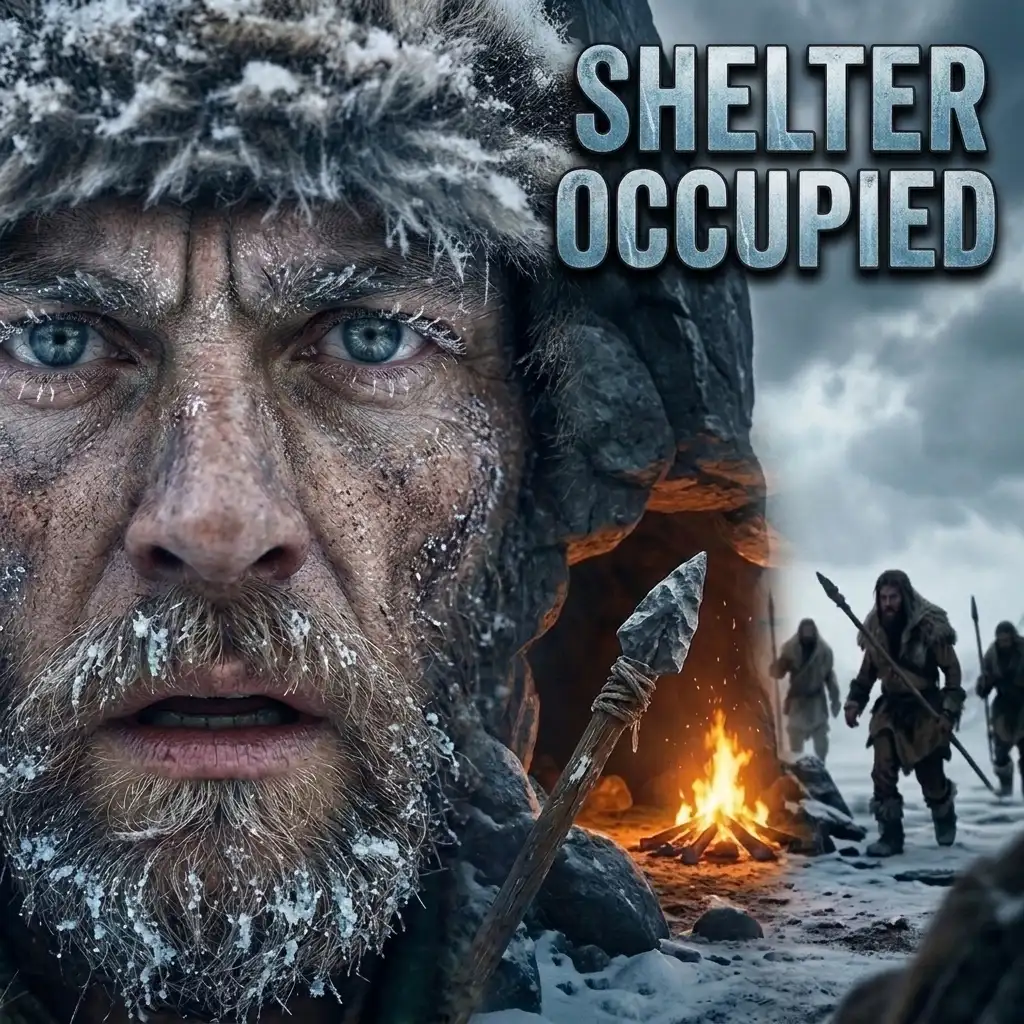
➡️Life 20,000 Years Ago | When Strangers Claim Your Winter Shelter 🚨
FAQs
What is the main theme of the dramatized prehistoric life story?
The main theme of the dramatized prehistoric life story revolves around survival and conflict during the harsh winter months. It explores how early humans navigated challenges such as resource scarcity, territorial disputes, and the need for shelter, highlighting the social dynamics and instincts that drove their actions.
What types of shelters are depicted in the story?
The story depicts various types of prehistoric shelters, including caves, huts made from branches and animal hides, and structures built from stone. Each type of shelter reflects the environmental conditions and available resources, showcasing the ingenuity of early humans in creating safe havens from the elements.
How does the conflict arise in the story?
Conflict arises in the story primarily due to competition for limited resources, such as food and shelter. Different groups of early humans may clash over territory or the right to use a particular shelter, leading to confrontations that test their survival instincts and social bonds.
What role do social dynamics play in the story?
Social dynamics play a crucial role in the story, as they influence group cohesion, alliances, and rivalries. The interactions between characters reveal how cooperation and communication are essential for survival, while also highlighting the tensions that can arise from differing priorities and leadership styles within the group.
What lessons can be learned from the prehistoric life story?
The prehistoric life story offers valuable lessons about resilience, adaptability, and the importance of community in overcoming challenges. It emphasizes the need for collaboration in the face of adversity and illustrates how conflicts can shape social structures and relationships among early humans.