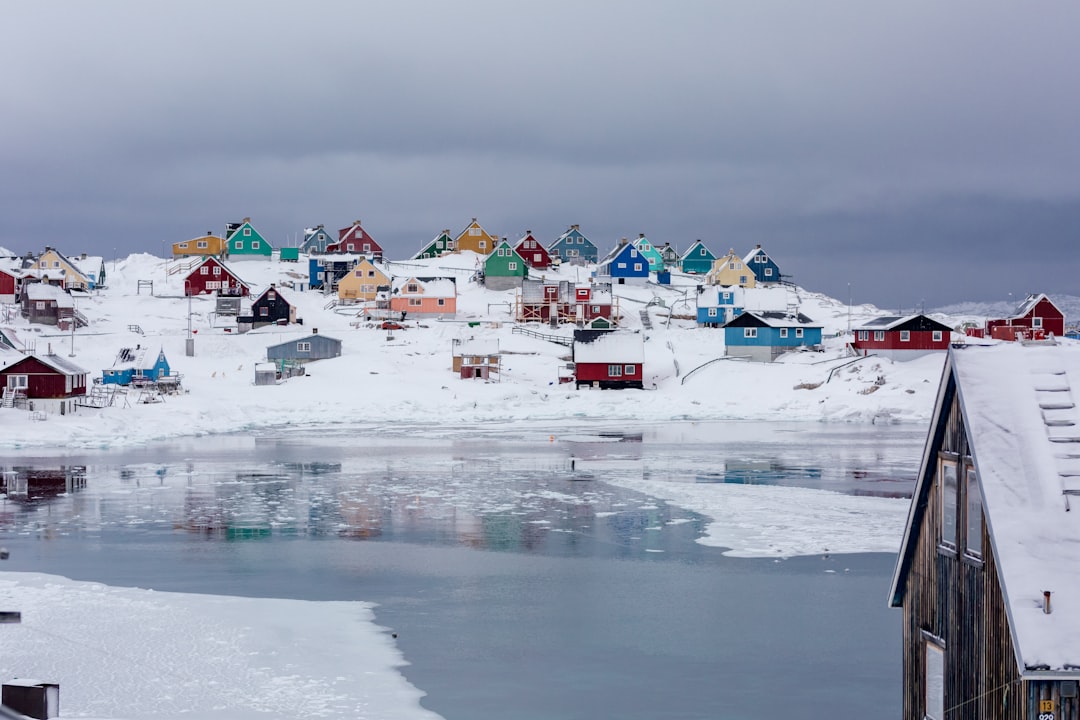
The icy expanse of Greenland, a land synonymous with pristine wilderness and ancient glaciers, harbors a darker, more chilling secret: a forgotten legacy of the Cold War. Beneath the seemingly untouched snow and ice lies a buried arsenal of waste, a testament to a time of geopolitical tension and scientific ambition. This is the story of “Frozen Legacy,” the Cold War waste buried in Greenland, a subterranean testament to human activity that continues to pose a silent threat to the Arctic environment and the world at large.
The year is 1959. The Cold War is in full swing, a tense standoff between the United States and the Soviet Union. Amidst this atmosphere of strategic maneuvering, the U.S. Army conceived of a clandestine project that would etch its name into the annals of environmental concern: Operation Iceworm. This ambitious undertaking was not about warfare in the traditional sense, but about the strategic placement of a potential nuclear missile base, Project Iceworm, deep within the Greenland ice sheet. The idea was to leverage the seemingly impenetrable ice as a natural shield for intercontinental ballistic missiles (ICBMs), capable of striking targets deep within Soviet territory.
Genesis of a Cold War Strategy
The genesis of Operation Iceworm lay in the perceived need for a forward operating base that could bypass Soviet air defenses. Greenland, with its vast, largely unpopulated interior and its strategic proximity to North America, presented an ideal, albeit unconventional, location. The U.S. military envisioned a network of tunnels and launch facilities, dug into the ice sheet itself, housing a substantial arsenal of nuclear weapons. This would provide a significant retaliatory capability, a crucial element in the nuclear deterrence strategy of the time.
The Promise of the Ice: A Deceptive Sanctuary
The allure of the Greenland ice sheet was its perceived permanence and its ability to conceal. Military planners believed that the immense thickness of the ice would not only provide a stable platform for missile deployment but also offer an unparalleled level of secrecy. The sheer scale of the ice, a frozen behemoth, seemed to promise an impenetrable fortress, a place where even the most sophisticated surveillance could be thwarted.
The Harsh Reality of Arctic Construction
However, the reality of constructing and maintaining such a base in the Arctic proved to be a formidable challenge. The unforgiving climate, the constant shifting of the ice, and the extreme cold presented unprecedented engineering hurdles. The project required a vast logistical operation, including the construction of a sprawling network of access roads and supply depots. Despite these difficulties, the U.S. Army pressed on, driven by the strategic imperatives of the Cold War.
The Cold War era left behind numerous environmental legacies, including the troubling issue of nuclear waste buried beneath the ice of Greenland. This hidden danger poses significant risks not only to the local ecosystem but also to global environmental stability as climate change continues to melt the ice. For a broader understanding of how international conflicts and crises can lead to urgent humanitarian needs, you can read about the situation in Yemen and the pressing requirement for international aid in this related article: Yemen Crisis: The Urgent Need for International Aid.
Unveiling the Subterranean City
The core of Project Iceworm was to be a subterranean city, a network of tunnels carved into the heart of the ice sheet. This “city” was envisioned to be self-sufficient, housing barracks, command centers, and, most importantly, the launch mechanisms for nuclear missiles. The sheer scale of the excavation and the engineering required to stabilize the tunnels in a constantly moving ice mass were remarkable feats of military ingenuity.
The Ice Tunnels: A Frozen Metropolis
Imagine a network of interconnected tunnels, stretching for kilometers beneath the surface of the Greenland ice. This was the grand vision of Project Iceworm. The tunnels were to be dug by specialized equipment, creating a self-contained environment where soldiers could live and work, shielded from the elements and the prying eyes of adversaries. The ambition was to create a fully functional military base, a testament to American technological prowess and strategic foresight.
The Mammoth Excavation Efforts
The excavation process itself was a monumental undertaking. Heavy machinery was brought in to chew through the dense ice. The material removed was then used to reinforce the tunnel walls, creating a surprisingly robust structure. The challenges of working in extreme cold, with limited daylight and the constant threat of ice shifts, pushed the boundaries of engineering and human endurance.
The Nuclear Threat Within
Crucially, the plans for Project Iceworm included the deployment of nuclear missiles. These were not just conventional weapons; they were weapons of mass destruction, capable of leveling cities and altering the course of history. The thought of such destructive power being housed within a fragile, dynamic ice sheet was a chilling prospect, even at the time.
The Unforeseen Consequences: Environmental Hazards
As the Cold War drew to a close, so too did the direct military interest in Project Iceworm. However, the project left behind a legacy far more enduring and potentially devastating than any missile ever launched. The immense amount of waste generated during the construction and operation of the base, coupled with the potential for nuclear contamination, created a ticking time bomb beneath the ice.
The Accumulation of Hazardous Materials
The construction of the subterranean base involved more than just ice excavation. It required the transport and use of a vast array of materials, many of which are now recognized as hazardous. These include fuels, lubricants, chemicals, and potentially radioactive materials associated with the military operations. The sheer volume of these substances, buried deep within the ice, raises significant concerns about their long-term containment and potential leakage.
The Specter of Nuclear Contamination
While the base was never fully operational with nuclear missiles, the possibility of leftover radioactive materials, even small amounts, cannot be entirely dismissed. The handling and storage of such materials in an environment prone to ice melt and movement pose a perpetual risk of contamination. The thought of radioactive elements seeping into the Arctic ecosystem, a delicate and interconnected web of life, is a deeply unsettling prospect.
The Global Impact of Arctic Melt
The Greenland ice sheet is not a static entity. It is a dynamic force, constantly melting and reforming. As global temperatures rise, the rate of melting is accelerating. This presents a direct threat to the buried waste. As the ice recedes, it exposes these buried hazards, making them vulnerable to dispersal into the environment. The implications of this are far-reaching, as contaminants could enter the ocean currents, spreading across the globe and impacting ecosystems and human health for generations to come.
The Ongoing Scientific and Political Scrutiny
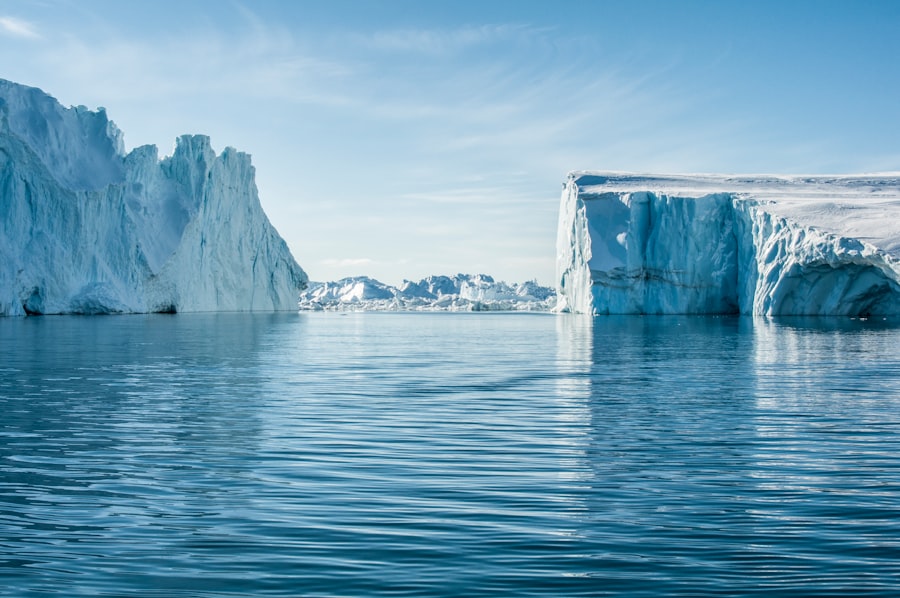
The existence of Project Iceworm and its buried waste has not gone unnoticed by the scientific community and international bodies. The environmental risks are too significant to ignore, prompting ongoing research and calls for international cooperation to address this Cold War relic.
The Arctic Monitoring and Assessment Programme (AMAP)
Organizations like the Arctic Monitoring and Assessment Programme (AMAP) have been instrumental in highlighting the potential dangers of buried Cold War sites in the Arctic. AMAP’s research has shed light on the types of waste present, the risks associated with their potential release, and the need for proactive measures. Their reports serve as crucial calls to action for governments and international organizations.
The Challenge of Remediation
The sheer scale and remote location of the Project Iceworm site present formidable challenges for remediation. The cost of excavation and safe disposal of the buried waste would be astronomical, and the engineering required to do so without further environmental damage is a complex undertaking. The world is now grappling with the question of who bears the responsibility and the financial burden of cleaning up this legacy of the past.
International Cooperation: A Necessary Step
Given the transboundary nature of the Arctic environment and the potential global impact of any contamination, international cooperation is paramount. No single nation can adequately address this issue alone. Collaborative efforts, involving scientific research, technological development, and a shared commitment to environmental protection, are essential for finding sustainable solutions.
Recent discoveries have shed light on the Cold War waste buried beneath Greenland, raising concerns about environmental impacts and the legacy of military operations in the region. This topic is intricately connected to broader discussions about the militarization of remote areas, as explored in a related article that examines the strategic significance of the Moon’s south pole. For more insights on this subject, you can read about it in detail here. The intersection of military history and environmental stewardship continues to be a pressing issue as nations navigate their responsibilities toward both security and sustainability.
A Frozen Warning for the Future
| Location | Depth | Type of Waste |
|---|---|---|
| Greenland | 33 feet | Radioactive waste, PCBs, and other hazardous materials |
The story of Project Iceworm and its buried waste serves as a stark reminder of the unintended consequences of geopolitical conflict and technological ambition. It is a “Frozen Legacy” that demands our attention and action, a tangible representation of how past decisions can continue to shape the future of our planet.
Lessons Learned from the Ice
The lessons from Project Iceworm are multifaceted. They underscore the importance of considering the long-term environmental implications of military and industrial activities, especially in fragile ecosystems like the Arctic. They highlight the need for transparency and international oversight in such ventures.
The Imperative of Environmental Stewardship
As the world faces mounting environmental challenges, the story of Greenland’s buried waste serves as an urgent call for greater environmental stewardship. It is a reminder that our actions today have lasting repercussions, and that protecting the planet requires a proactive and responsible approach.
Towards a Sustainable Future
The ultimate hope is that the “Frozen Legacy” of Project Iceworm can be transformed from a source of potential danger into a catalyst for positive change. By confronting this buried threat, the international community can forge new pathways for collaboration, innovation, and a shared commitment to safeguarding the Arctic and the planet for generations to come. The ice may have preserved this waste for decades, but it is up to humanity to ensure that this frozen warning does not become a catastrophic reality.
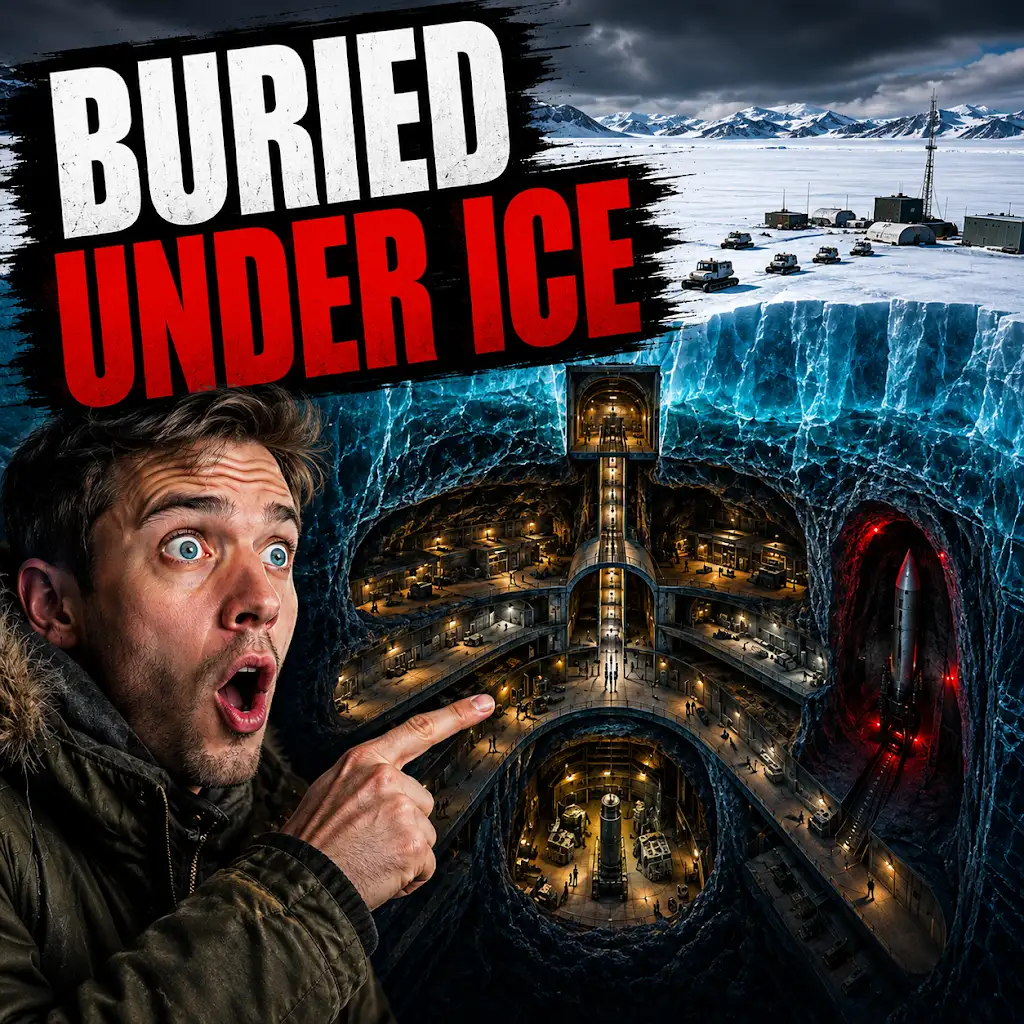
The U.S. Built a Nuclear City Under Greenland. The Ice Won.
FAQs
What is the Cold War waste buried beneath Greenland?
During the Cold War, the United States military built a secret base in Greenland known as Camp Century. This base was used to house nuclear missiles and was also a research facility. When the base was decommissioned in 1967, its infrastructure and waste, including radioactive coolant, were left behind and buried under the ice.
Why is the Cold War waste buried beneath Greenland a concern?
The concern arises from the fact that the ice in Greenland is melting due to climate change. As the ice melts, there is a risk that the buried waste, including radioactive materials, could be exposed and potentially contaminate the surrounding environment.
What are the potential environmental and health risks associated with the buried waste?
If the buried waste is exposed, it could contaminate the surrounding soil and water, posing a risk to the local ecosystem and potentially to human health. Radioactive materials, in particular, can have long-lasting effects on the environment and living organisms.
What is being done to address the issue of the buried Cold War waste in Greenland?
Efforts are being made to monitor the situation and assess the potential risks associated with the buried waste. Additionally, discussions are ongoing about potential clean-up efforts and how to mitigate the environmental and health risks posed by the buried waste.
What can be done to prevent similar situations in the future?
Lessons learned from the Cold War waste buried beneath Greenland can inform future military and research activities in environmentally sensitive areas. Proper disposal and clean-up protocols should be established to prevent similar situations from occurring in the future.