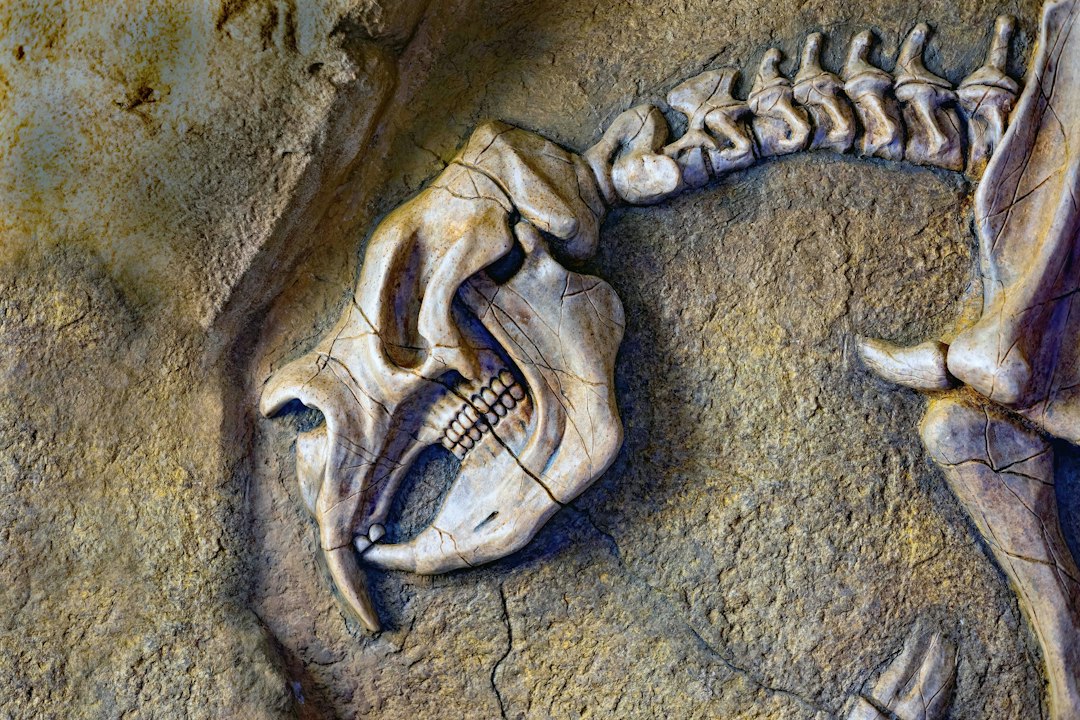
The world of paleontology has been consistently captivated by the whispers of ancient life, but few discoveries ignite the imagination quite like the unearthing of prehistoric creatures preserved in ice. These frozen titans, locked away for millennia, offer an unparalleled glimpse into a long-vanished past, providing scientists with invaluable data that goes far beyond fossilized bones. The process of cryo-preservation, nature’s own time capsule, has yielded specimens so remarkably intact that they allow for a level of study once considered science fiction. From the fur of mammoths to the stomach contents of saber-toothed cats, these icy relics are rewriting our understanding of prehistoric ecosystems, animal behavior, and the very evolution of life on Earth.
The Mammoth’s Embrace: Giants of the Pleistocene Unearthed
The most iconic inhabitants of the frozen prehistoric world are undoubtedly the mammoths. These magnificent, shaggy relatives of modern elephants roamed vast swathes of the Northern Hemisphere during the Pleistocene epoch, a period characterized by its harsh, icy climate. The discovery of intact mammoth carcasses, often in Siberia and Alaska, has been nothing short of revolutionary. Unlike fossilized remains, which are often fragmented and altered by geological processes, these frozen specimens offer an astonishing degree of preservation, allowing scientists to study not just their skeletal structure, but also their soft tissues, organs, and even their last meals.
Lyuba and Dima: Iconic Infant Mammoths
Among the most celebrated mammoth discoveries are those of young individuals, affectionately nicknamed Lyuba and Dima. Lyuba, a female woolly mammoth calf, was discovered in 2007 on the Yamal Peninsula in Siberia. Her preservation was exceptional, with her skin, fur, eyelashes, and even her trunk largely intact. Radiocarbon dating placed her age at approximately 42,000 years old. The detailed examination of Lyuba has provided invaluable insights into mammoth anatomy and physiology. Scientists were able to study her internal organs, reproductive system, and digestive tract, revealing details about her diet and the microbial communities that inhabited her gut. The discovery of Lyuba’s milk in her stomach further solidified the understanding of juvenile mammoth care and feeding habits.
Dima, another young woolly mammoth, was found in 1977 in the Yakutia region of Siberia. Although slightly older and less perfectly preserved than Lyuba, Dima was still a monumental find. His discovery, predating Lyuba’s by several decades, was one of the first to truly showcase the potential of frozen mammoth finds for scientific research. The study of Dima’s tissues and organs contributed significantly to the early understanding of mammoth biology and the ecological conditions they faced. Both Lyuba and Dima represent crucial windows into the early stages of mammoth life, offering data on growth, development, and the challenges of survival in an Ice Age environment.
The Mammoth’s Genome: Decoding Ancestry and Extinction
The advent of advanced genetic sequencing techniques has transformed the study of frozen mammoths. The ability to extract and analyze DNA from these ancient remains has opened up entirely new avenues of research. Scientists have successfully sequenced the genomes of several mammoth individuals, providing unprecedented insights into their evolutionary history, genetic diversity, and the ultimate causes of their extinction.
The mammoth genome reveals their close relationship to modern elephants, offering a detailed roadmap of the genetic changes that occurred as they adapted to cold climates. Researchers have identified genes associated with the development of thick fur, small ears, and a layer of subcutaneous fat, all crucial adaptations for surviving frigid temperatures. Furthermore, genetic analysis has shed light on the complex migration patterns of mammoth populations across Eurasia and North America.
Perhaps most compellingly, genetic studies are contributing to the ongoing debate about mammoth extinction. By comparing the genetic diversity of populations before and after the suspected extinction events, scientists can infer population bottlenecks and identify potential genetic vulnerabilities. While climate change and human hunting are widely accepted as major drivers, the genetic record can help pinpoint specific environmental pressures or the impact of reduced genetic diversity on population resilience. The possibility of “de-extinction,” while still highly speculative, is also a direct consequence of these genomic breakthroughs, raising complex ethical and scientific questions about bringing back long-lost species.
Recent advances in palaeontology have led to remarkable discoveries of frozen prehistoric beasts, providing invaluable insights into the Earth’s ancient ecosystems. For those interested in the intersection of technology and exploration, a related article discusses how autonomous systems are enhancing our understanding of lunar operations, which could parallel the innovative techniques used in uncovering these ancient specimens. You can read more about this fascinating topic in the article available at Advancing Lunar Operations with Autonomous Systems.
Beyond the Mammoth: A Diverse Array of Icy Encounters
While mammoths often steal the spotlight, the frozen world has yielded a remarkable diversity of prehistoric creatures. From colossal rhinoceroses to ancient canids, the ice has preserved an array of fauna that paint a richer picture of Ice Age ecosystems. These discoveries are crucial for understanding the intricate web of life that existed millions of years ago and the complex interactions between predators and prey in these challenging environments.
Woolly Rhinoceroses: Horned Giants of the Steppe
Closely associated with mammoths in the minds of many are the woolly rhinoceroses. These powerful herbivores, characterized by their thick, shaggy coats and impressive horns, were also widespread during the Pleistocene. Discoveries of frozen woolly rhinoceros carcasses, though less frequent than those of mammoths, have provided invaluable information about their physiology and behavior.
One notable specimen, found in Siberia, offered insights into the diet of these ancient behemoths. Analysis of their stomach contents revealed a diet primarily consisting of grasses and sedges, highlighting their role as grazers in the vast steppe environments of the time. The preservation of their skin and hair allows for studies into the unique adaptations that enabled them to withstand extreme cold. Examining the musculature and skeletal structure provides clues about their locomotion and their ability to navigate challenging terrain. The presence of woolly rhinos alongside mammoths underscores the fact that these Ice Age landscapes were populated by a suite of large, cold-adapted megafauna.
Ancient Canids and Other Mammals
The frozen tundra has also yielded the remains of ancient canids, including early wolves and even prehistoric dogs. The preservation of their fur and musculature allows for detailed study of their hunting strategies and social structures. For instance, discoveries of pack formations of ancient wolves suggest complex social behaviors that may have contributed to their success as predators. The study of their dental wear patterns can reveal information about their diet and the types of prey they hunted.
Beyond these prominent examples, less commonly found but equally significant discoveries include preserved remains of other Ice Age mammals such as steppe bison, cave lions, and even small rodents. Each discovery, no matter how seemingly minor, contributes a piece to the grand puzzle of prehistoric life. The stomach contents of a saber-toothed cat, for example, might reveal the species of its last meal, offering direct evidence of predator-prey relationships. The study of ancient horse remains can provide insights into their migratory patterns and the vegetation they consumed. These diverse finds collectively build a more complete and nuanced understanding of the Ice Age biosphere.
The Microscopic World Within: Insights from Frozen Tissues
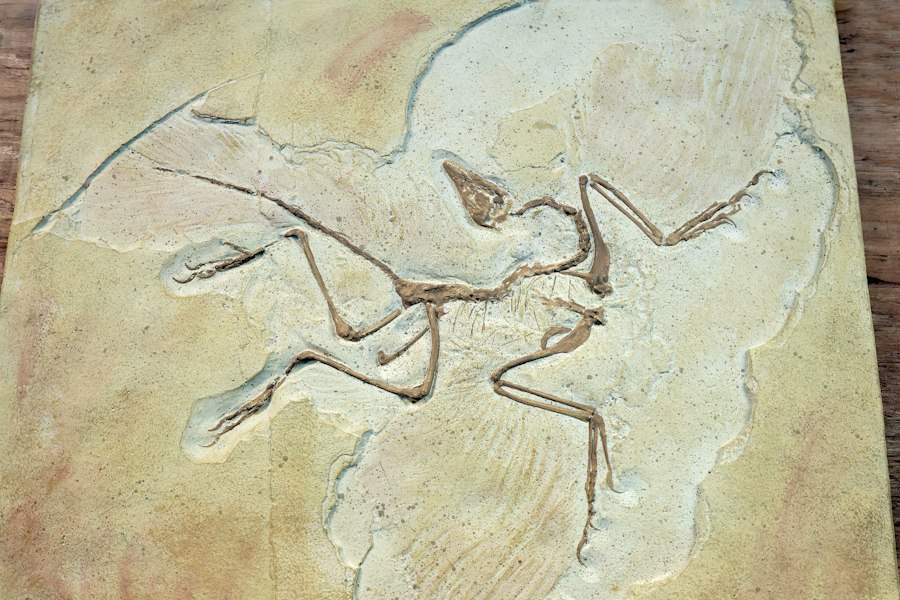
The true marvel of frozen prehistoric beasts lies not just in their external form, but in the microscopic details preserved within their tissues. When organic matter is rapidly frozen, the cellular structures are often remarkably preserved, allowing for a level of analysis that is simply not possible with fossilized remains. This preservation of soft tissues, organs, and even cellular components opens up a treasure trove of biological information.
Ancient Microbiomes: A Glimpse into Prehistoric Gut Flora
One of the most exciting frontiers in paleontology is the study of ancient microbiomes. The digestive tracts of frozen animals often contain a rich diversity of bacteria and other microorganisms. By extracting and sequencing the DNA of these ancient microbes, scientists can reconstruct the gut flora of these extinct animals. This research provides insights into their diet, their digestive processes, and even their immune systems.
The study of mammoth gut microbiomes, for example, has revealed a community of bacteria that were highly efficient at breaking down the tough plant matter that formed their diet. Comparing these ancient microbiomes to those of modern herbivores can highlight evolutionary changes in digestive physiology and microbial evolution. Furthermore, understanding these ancient microbial communities can offer clues about the microbial life of the past and the potential for pathogens that may have impacted these animals.
Cellular and Molecular Paleontology: Beyond Bones and Fur
The preservation of cellular and molecular components allows for advanced analyses that were once the realm of science fiction. Scientists can examine cellular structures under electron microscopes, revealing details about cell walls, organelles, and even preserved DNA within cells. The integrity of this preserved biomaterial is crucial for groundbreaking genetic studies, as mentioned previously with the mammoth genome.
Beyond DNA, other biomolecules like proteins and lipids can also be preserved. The study of ancient proteins can reveal details about an animal’s physiology, its metabolic pathways, and even its relationships to other species through the analysis of conserved protein sequences. Lipid analysis can provide information about diet, fat metabolism, and the composition of cell membranes. These molecular clues, locked away in the frozen tissues, offer a dynamic picture of the animal’s life and its biological functions, moving beyond static anatomical descriptions to a more dynamic understanding of ancient life.
The Permafrost Paradox: Challenges and Opportunities in Excavation
The very element that preserves these incredible specimens – permafrost – also presents significant challenges for paleontologists. Excavating these frozen treasures requires specialized techniques and careful planning to avoid damaging the delicate remains. The thawing of permafrost due to climate change, however, presents both a threat to existing finds and a potential opportunity for new discoveries.
Navigating the Frozen Frontier: Excavation Techniques
Extracting a frozen prehistoric beast from its icy tomb is a delicate operation. Researchers often work in remote and extreme environments, facing sub-zero temperatures and challenging logistical hurdles. Specialized tools are employed to carefully chip away at the ice and soil surrounding the specimen, ensuring that no part of the animal is damaged. Portable heated tents or controlled refrigeration units may be used to maintain a stable environment during excavation. The goal is to minimize any temperature fluctuations that could lead to thawing and degradation of the remains.
The process is meticulously documented, with detailed notes, photographs, and 3D scans taken at every stage. Samples of surrounding soil and ice are often collected for environmental analysis, which can provide context about the conditions under which the animal was buried and preserved. The transportation of these precious specimens back to research facilities also requires careful temperature control to prevent thawing during transit.
Climate Change and the Thawing Treasure Trove
The accelerating rate of global warming is having a profound impact on permafrost regions. As the permafrost thaws, it releases ancient organic matter, including the remains of prehistoric animals that have been locked away for thousands of years. This thawing presents a dual-edged sword for paleontology. On one hand, it risks the irreversible degradation of already exposed specimens. Once thawed and exposed to the elements, these delicate tissues can decompose rapidly.
However, the thawing permafrost also acts as a vast, albeit unpredictable, archive. New discoveries are emerging with increasing frequency as the ice recedes. Local communities, often living in these permafrost-rich regions, are playing an increasingly vital role in reporting these finds. This necessitates a closer collaboration between scientists and indigenous populations to ensure that these discoveries are documented and studied before they are lost to decomposition. The challenge lies in developing rapid response protocols and ensuring that the necessary expertise and resources are available to study these specimens as soon as they are unearthed.
Recent palaeontology discoveries have shed light on frozen prehistoric beasts, revealing insights into their biology and the environments they inhabited. These remarkable findings not only enhance our understanding of ancient ecosystems but also raise intriguing questions about the preservation of life in extreme conditions. For a deeper exploration of the scientific principles that underpin these discoveries, you can read more in this fascinating article about the challenges of understanding physics in relation to ancient life forms. Check it out here: the lost science defying physics.
Unlocking the Secrets of the Past: The Future of Frozen Paleontology
| Discovery Name | Location | Species | Age (Years Ago) | Significance | Year Discovered |
|---|---|---|---|---|---|
| Lyuba | Siberia, Russia | Woolly Mammoth Calf | ~42,000 | Best preserved mammoth calf ever found | 2007 |
| Yuka | Siberia, Russia | Woolly Mammoth | ~39,000 | Nearly complete frozen mammoth specimen | 2010 |
| Jarkov Mammoth | Siberia, Russia | Woolly Mammoth | ~20,000 | Large frozen mammoth with soft tissue | 1997 |
| Blue Babe | Alaska, USA | Steppe Bison | ~36,000 | Frozen steppe bison with preserved DNA | 1979 |
| Khroma Mammoth | Siberia, Russia | Woolly Mammoth | ~32,000 | Well-preserved mammoth with intact stomach contents | 2013 |
| Doggerland Cave Lion Cub | North Sea (Doggerland) | Cave Lion Cub | ~28,000 | Frozen cave lion cub with fur and whiskers preserved | 2021 |
The study of frozen prehistoric beasts is a dynamic and rapidly evolving field. Advances in technology, coupled with a growing understanding of these unique preservation environments, promise to unlock even more profound insights into Earth’s ancient past. The ethical considerations surrounding the study and potential manipulation of ancient DNA are also becoming increasingly important as the field progresses.
Technological Innovations: From Imaging to Synthesis
The future of frozen paleontology is intrinsically linked to technological innovation. Advanced imaging techniques, such as CT scans and MRI, allow researchers to visualize the internal structures of frozen specimens without invasive procedures. This non-destructive approach is crucial for preserving the integrity of rare and fragile remains. As mentioned earlier, genomic sequencing technologies are becoming more sophisticated and accessible, enabling deeper analysis of ancient DNA and the reconstruction of complex evolutionary histories.
Looking further ahead, advancements in artificial intelligence and bioinformatics are revolutionizing the analysis of the vast datasets generated by these studies. Machine learning algorithms can identify patterns in genetic data, analyze complex microbial communities, and even help reconstruct ancient ecosystems based on the available evidence. The possibility of synthesizing ancient proteins or even recreating extinct microbial life in controlled laboratory settings, while still in its nascent stages, represents a frontier that could dramatically expand our understanding of prehistoric biology.
Ethical Considerations and the Return of Ancient Life
As our ability to study and even potentially manipulate ancient DNA grows, so too do the ethical considerations. The concept of “de-extinction,” while scientifically fascinating, raises profound questions about conservation, ecological balance, and the potential unintended consequences of reintroducing extinct species into modern ecosystems. Paleontologists and ethicists are increasingly engaging in discussions about the responsible use of ancient genetic material and the potential risks associated with such endeavors.
Furthermore, the ownership and repatriation of ancient remains are crucial ethical discussions, particularly when discoveries are made in ancestral lands of indigenous communities. Ensuring respectful collaboration, benefit sharing, and the preservation of cultural heritage are paramount. The study of frozen prehistoric beasts is not just about unearthing fossils; it is about understanding our planet’s history, the intricate tapestry of life, and our responsibility as custodians of this knowledge for future generations. The frozen world, once a silent sentinel of time, is now speaking volumes, and science is listening intently.

Beneath the Ice: Surviving the Ice Age 20,000 Years Ago
FAQs
What is palaeontology?
Palaeontology is the scientific study of prehistoric life through the examination of plant and animal fossils.
What are frozen prehistoric beasts?
Frozen prehistoric beasts are ancient animals that have been preserved in ice for thousands or even millions of years, allowing researchers to study them in their frozen state.
What kind of discoveries have been made in palaeontology regarding frozen prehistoric beasts?
Palaeontologists have discovered well-preserved mammoths, woolly rhinos, cave lions, and other ancient creatures in frozen environments like Siberia and Alaska.
How do frozen prehistoric beasts provide valuable information to scientists?
Studying frozen prehistoric beasts can provide insights into the biology, behavior, and environment of these ancient animals, as well as information about the climate and ecosystems of the past.
What challenges do scientists face when studying frozen prehistoric beasts?
Scientists face challenges such as preserving the specimens once they are thawed, dealing with ethical concerns regarding the handling of ancient remains, and navigating the remote and often harsh environments where these frozen beasts are found.