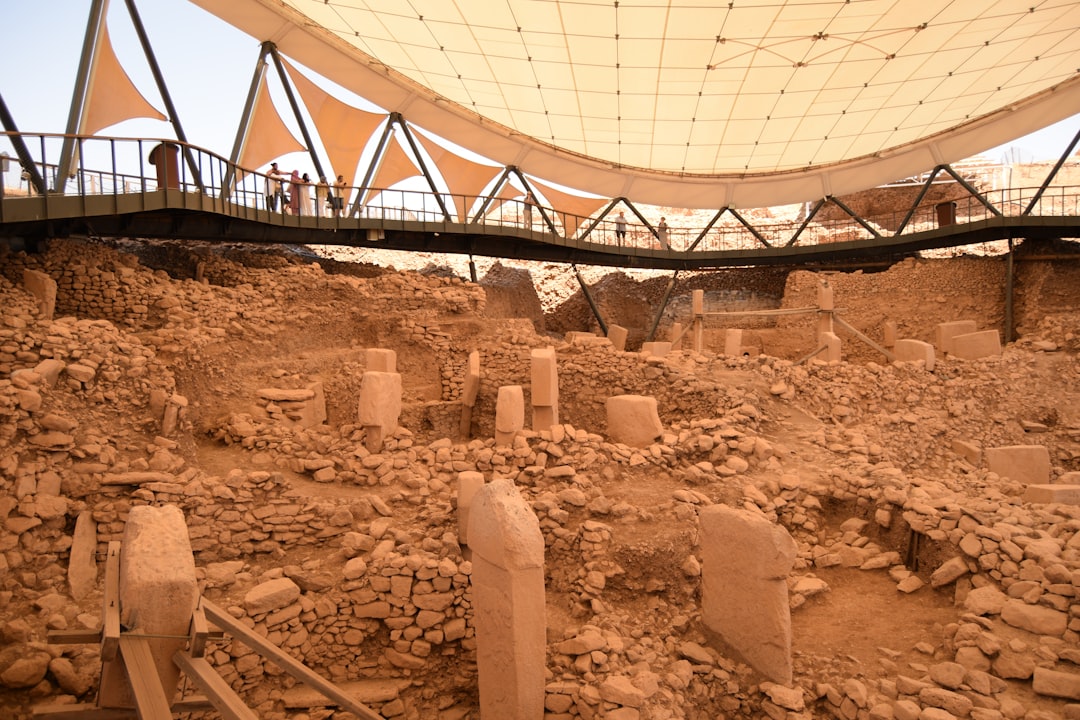
The allure of the past has always captivated humanity, fueling a persistent curiosity about the lives, achievements, and eventual downfalls of those who came before. Archaeology, the scientific study of human history and prehistory through the excavation and analysis of artifacts and other physical remains, stands at the forefront of this quest, constantly pushing back the boundaries of our understanding. Each discovery, from the smallest shard of pottery to the grandest lost city, offers a tangible link to bygone eras, providing invaluable insights that can fundamentally alter our perception of human civilization. This article delves into some of the most game-changing archaeological discoveries, unearthing the secrets that have reshaped our historical narratives and continue to inspire awe and wonder.
For centuries, the established narrative of civilization’s origins pointed towards Mesopotamia and Egypt as the primary cradles of complex societies. While these regions undeniably hold immense historical significance, a series of groundbreaking discoveries in the 20th and 21st centuries have challenged and expanded this understanding, revealing the independent emergence and sophisticated development of human societies in other parts of the world, often far earlier than previously imagined.
The Mesopotamian Revolution: Unlocking Cuneiform and the City-State
The fertile crescent, the land between the Tigris and Euphrates rivers, has long been recognized as a pivotal region for early human development. The decipherment of cuneiform, the earliest known system of writing, was a monumental achievement that unlocked a treasure trove of information about Sumerian, Akkadian, Babylonian, and Assyrian civilizations.
The Epic of Gilgamesh: A Glimpse into Early Literature and Beliefs
The discovery and translation of the Epic of Gilgamesh, one of the oldest surviving works of literature, provided an unparalleled window into the thoughts, beliefs, and social structures of ancient Mesopotamia. This epic poem, detailing the adventures of King Gilgamesh of Uruk, explores themes of mortality, friendship, and the human condition, offering profound insights into early Mesopotamian cosmology and their attempts to grapple with the existential questions that continue to resonate today.
The Ziggurats of Ur and Babylon: Monumental Architecture and Religious Practices
The excavation of impressive ziggurats, massive stepped pyramids, at sites like Ur and Babylon revealed the sophisticated architectural capabilities and deep religious devotion of Mesopotamian peoples. These structures served as religious temples, connecting the earthly realm with the divine, and their scale and complexity attest to the organized labor and advanced engineering skills possessed by these early societies. Studying their construction methods and the artifacts found within provides crucial data on their social hierarchy, religious rituals, and astronomical knowledge.
The Indus Valley Civilization: A Mystery of Urban Planning and Unsolved Scripts
Further east, the vast Indus Valley Civilization, flourishing between approximately 2600 and 1900 BCE, presented archaeologists with a profound enigma. Its well-planned cities, characterized by advanced sanitation systems, standardized brick sizes, and intricate street grids, demonstrated a level of urban sophistication that rivaled, and in some aspects surpassed, contemporary civilizations.
Mohenjo-daro and Harappa: Evidence of Advanced Urbanism
The meticulous excavations of Mohenjo-daro and Harappa revealed cities of unprecedented scale and complexity. The presence of sophisticated drainage systems, public baths, and granaries suggests a highly organized society with a strong emphasis on public health and resource management. The discovery of numerous seals, often bearing animal motifs and a yet-undeciphered script, hints at extensive trade networks and a complex social structure.
The Unreadable Script: A Lingering Puzzle
The Indus script remains one of archaeology’s greatest unsolved mysteries. Despite numerous attempts, its decipherment has eluded scholars, leaving a significant gap in our understanding of the Indus people’s language, beliefs, and history. The continued pursuit of this enigma fuels ongoing research and highlights the limitations of our current knowledge when faced with truly alien cultural expressions.
The Rise of Mesoamerica: Independent Innovations and Astounding Civilizations
Across the Atlantic, independent centers of civilization emerged in Mesoamerica, developing unique calendrical systems, complex writing, and monumental architecture without apparent influence from the Old World. The Olmec, Maya, and Aztec civilizations stand as testaments to the independent ingenuity of humankind.
Recent archaeological discoveries have the power to reshape our understanding of ancient civilizations, revealing insights that challenge long-held beliefs. For instance, an intriguing article discusses how a recent excavation in Mesopotamia unearthed artifacts that suggest advanced societal structures existed thousands of years earlier than previously thought. This finding not only sheds light on the complexities of early human societies but also emphasizes the importance of ongoing research in the field. To explore more about the implications of such discoveries and how they can influence our perception of history, you can read the article on safeguarding wealth against hyperinflation here.
Teotihuacan: The City of the Gods and its Mysterious Builders
The colossal city of Teotihuacan, flourishing in central Mexico between the 1st and 7th centuries CE, remains one of the most awe-inspiring archaeological sites in the Americas. Its massive pyramids, including the Pyramid of the Sun and the Pyramid of the Moon, and its grid-like urban layout demonstrate an extraordinary level of planning and organization. The identity of its builders and the reasons for its eventual decline are subjects of ongoing debate, adding to its mystique.
Palenque and Tikal: Maya Achievements in Astronomy and Art
The Maya civilization, renowned for its sophisticated hieroglyphic writing, advanced mathematics, and precise astronomical observations, left behind an incredible legacy. Sites like Palenque and Tikal in present-day Mexico and Guatemala have yielded intricate carvings, elaborate tombs, and stelae detailing dynastic histories and religious beliefs. The Maya’s understanding of celestial cycles, reflected in their complex calendar systems, was centuries ahead of their European counterparts.
Archaeological discoveries have the power to reshape our understanding of history, revealing insights into ancient civilizations and their cultures. One such fascinating exploration can be found in the article titled “Uncovering Ancient Secrets: Revealed Wisdom from the Past,” which delves into significant archaeological finds that have illuminated the lives of our ancestors. By examining artifacts, structures, and ancient texts, researchers have been able to piece together narratives that challenge long-held beliefs about human development and societal evolution. For more on this intriguing topic, you can read the full article here: Uncovering Ancient Secrets: Revealed Wisdom from the Past.
Unearthing Lost Worlds: Resurrecting Empires from Oblivion
Throughout history, empires have risen and fallen, leaving behind echoes of their former glory buried beneath the earth or swallowed by the relentless march of time. Archaeological endeavors have played a crucial role in resurrecting these lost worlds, piecing together the fragments of forgotten civilizations and revealing the grandeur and complexity of their societies.
The Lost City of Petra: A Nabataean Marvel Carved in Stone
The ancient city of Petra, nestled in the desert canyons of Jordan, is a testament to the ingenuity and artistry of the Nabataeans. Hidden for centuries, its magnificent rock-cut architecture, most famously the Treasury (Al-Khazneh), was brought back to global attention in the early

These Footprints Could Rewrite the Story of the First Americans
FAQs
What are some archaeological discoveries that changed history?
Some archaeological discoveries that changed history include the Rosetta Stone, which helped decipher Egyptian hieroglyphics, the Terracotta Army in China, which revealed the grandeur of the Qin Dynasty, and the Dead Sea Scrolls, which provided valuable insights into ancient Jewish history and religious texts.
How do archaeological discoveries impact our understanding of history?
Archaeological discoveries provide tangible evidence of past civilizations, allowing historians and researchers to piece together a more accurate understanding of ancient cultures, societies, and historical events. These discoveries often challenge or confirm existing historical narratives and can lead to significant revisions in our understanding of the past.
What are some recent archaeological discoveries that have changed our understanding of history?
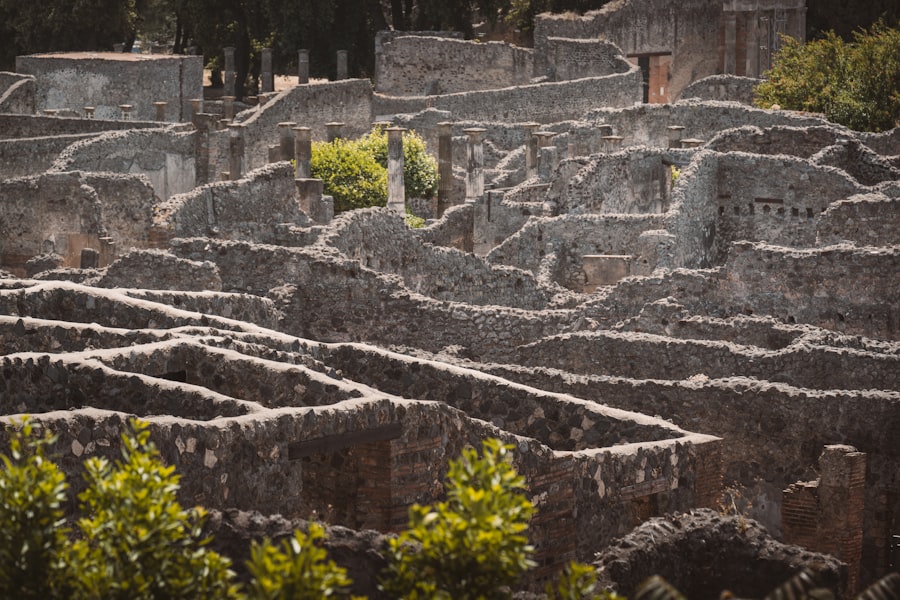
Recent archaeological discoveries that have changed our understanding of history include the unearthing of the ancient city of Pompeii, which shed light on daily life in a Roman city, the discovery of the lost city of the Maya civilization in Guatemala, and the finding of the oldest known human burial in Africa, which provided insights into early human rituals and beliefs.
How do archaeologists determine the significance of a discovery?
Archaeologists determine the significance of a discovery based on several factors, including its age, rarity, condition, and the insights it provides into a particular historical period or culture. They also consider the potential impact of the discovery on existing historical knowledge and its ability to fill gaps in our understanding of the past.
What are some challenges associated with archaeological discoveries?
Some challenges associated with archaeological discoveries include the preservation of artifacts, the ethical considerations of excavation and cultural heritage, the interpretation of findings, and the dissemination of information to the public. Additionally, funding and resources for archaeological research and excavation can also pose significant challenges.