The quest to understand one’s lineage, to trace the roots that anchor an individual to the tapestry of human history, is a deeply ingrained human desire. For centuries, this pursuit relied on the painstaking collection and analysis of genealogical records. These documents, painstakingly preserved in archives, courthouses, and family Bibles, offer tangible links to our ancestors. However, the advent of DNA technology has ushered in a new era, transforming the landscape of family history research. The intersection of these two powerful tools – traditional records and genetic evidence – presents both exciting opportunities and unique challenges in unraveling the complexities of our family histories.
The Enduring Power of Paper Trails
Genealogical records represent the bedrock of family history research. They are the tangible remnants of past lives, meticulously created and often unintentionally preserved. These documents provide context, names, dates, and places, allowing researchers to construct a narrative of their ancestors’ existence. Without them, the stories of our forebears would largely remain untold, lost to the mists of time. The meticulous nature of record-keeping, though varying in consistency and completeness across different eras and cultures, has provided an invaluable resource for generations of family historians.
Types of Genealogical Records and Their Significance
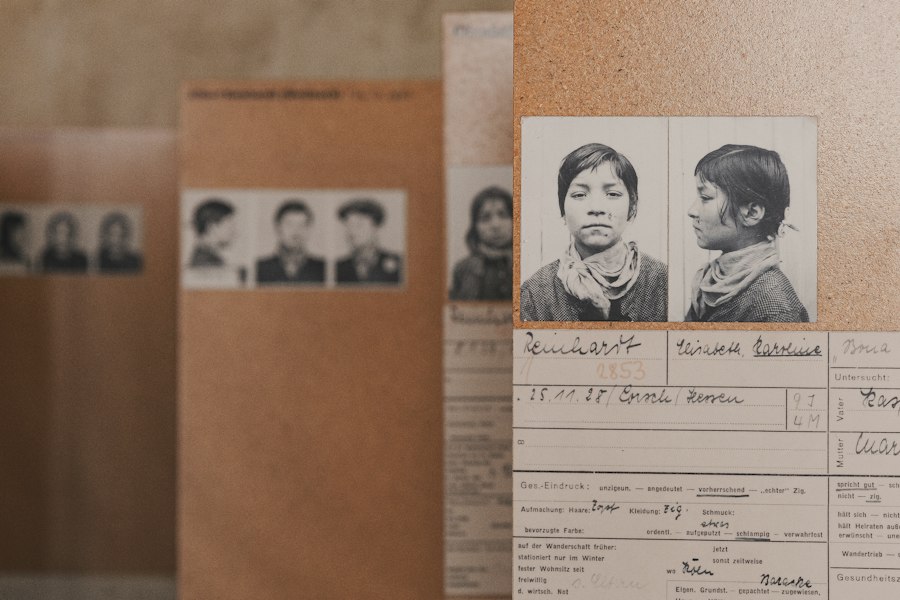
The spectrum of genealogical records is vast, each offering a distinct window into the past. Vital records, such as birth, marriage, and death certificates, are fundamental, providing the essential building blocks of a family tree. Census records offer snapshots of households at specific points in time, revealing family structures, occupations, and migration patterns. Land records, wills, and probate documents shed light on an ancestor’s financial standing, property ownership, and family relationships. Church records, including baptisms, confirmations, and burials, often predate civil registration and can be crucial for tracing earlier generations, particularly in communities where religious institutions played a central role in civic life. Military records, immigration and passenger lists, and even newspaper obituaries can provide crucial details about an individual’s life and their connections to others. The interpretation of these records requires a skilled eye, an understanding of historical context, and a detective’s persistence.
Challenges and Limitations of Traditional Research
Despite their immense value, genealogical records are not without their limitations. The accuracy and completeness of records can vary significantly. Gaps in information, intentional or unintentional inaccuracies, and the loss or destruction of documents due to events like wars, fires, or natural disasters can create significant roadblocks. The handwriting in older documents can be difficult to decipher, and the language used may be archaic. Furthermore, accessing records can be challenging, requiring visits to distant archives, navigating complex cataloging systems, or dealing with privacy restrictions. The sheer volume of information can also be overwhelming, demanding considerable time and effort to sift through and identify relevant data. Moreover, traditional records are often limited to documented individuals and may not capture the full spectrum of relationships, particularly informal unions or children born outside of marriage.
In the ongoing debate between genealogical records and DNA evidence in tracing ancestry, it’s interesting to consider how financial security can play a role in preserving family history. For instance, the article on securing your savings highlights the importance of protecting one’s financial assets, which can indirectly influence the ability to invest in genealogical research. Understanding the implications of both genealogical records and DNA evidence can help individuals make informed decisions about their heritage and financial stability. To learn more about safeguarding your financial future, you can read the article here: Securing Your Savings: Protecting Bank Deposits from Collapse.
The Genetic Revolution in Genealogy
The emergence of DNA testing for genealogical purposes has revolutionized the field, offering a new dimension to family history research. By analyzing specific segments of an individual’s DNA, researchers can gain insights into their ancestral origins and identify living relatives who share common ancestors. This technology complements, and in some cases, surpasses the capabilities of traditional record-keeping, opening up new avenues for discovery and resolving long-standing genealogical mysteries.
Understanding Different Types of Genealogical DNA Tests
Several types of DNA tests are relevant to genealogical research, each providing different types of information. Autosomal DNA (atDNA) tests, the most common, examine DNA inherited from both parents and are passed down from all ancestors in the last five to seven generations. This makes them ideal for identifying close and distant relatives. Mitochondrial DNA (mtDNA) tests trace lineage through the maternal line, as mtDNA is inherited exclusively from the mother. This can be useful for tracing ancient maternal ancestors. Y-chromosome DNA (Y-DNA) tests are exclusively passed from father to son, making them ideal for tracing paternal lineage. Understanding the nuances of each test type is crucial for researchers to effectively utilize the data they generate.
How DNA Evidence Bridges Gaps and Reveals New Connections
DNA evidence excels at overcoming the limitations of traditional records. It can confirm or refute relationships suggested by paper trails, especially when records are ambiguous or missing. For individuals who have been adopted or have unknown parentage, DNA testing can provide invaluable clues to their biological families. Furthermore, DNA can connect individuals to relatives they never knew existed, leading to the discovery of entire branches of their family tree that were previously undocumented. Ancestry ethnicity estimates, while not precise historical records, can offer insights into the geographical origins of an individual’s ancestors, providing a broad overview that can guide further research. The ability to connect with living relatives through DNA databases is perhaps one of its most significant contributions, fostering a collaborative approach to genealogy.
Synthesizing Data: The Synergy of Records and DNA

The true power of modern genealogical research lies not in choosing between records and DNA, but in their intelligent integration. Each method offers unique strengths, and when used in conjunction, they create a more complete and nuanced understanding of family histories. The synergy between these two approaches allows for the verification of findings, the resolution of conflicting information, and the discovery of entirely new ancestral narratives.
Cross-Referencing Findings for Enhanced Accuracy
The most robust genealogical research involves cross-referencing findings from both genealogical records and DNA evidence. If DNA suggests a close relationship between two individuals, researchers can then delve into records to find the specific marriage and birth records that document their common ancestor. Conversely, if records indicate a particular family line, DNA can help confirm the genetic link and potentially identify living cousins who can share additional family information or documentation. This iterative process of verification builds confidence in the accuracy of the reconstructed family tree and minimizes the risk of perpetuating errors.
Unlocking Mysteries and Resolving Genealogical Debates
DNA evidence can be particularly effective in resolving long-standing genealogical mysteries that have eluded researchers for years. For instance, if a family legend speaks of a particular immigrant ancestor, DNA can help confirm or deny this claim by identifying matches to individuals known to descend from that alleged ancestor in the target country. Similarly, DNA can help shed light on disputed parentage or identify the biological parents of individuals without a known paper trail. The ability of DNA to provide objective, scientific data can cut through speculation and provide definitive answers, bringing closure to generations of unanswered questions.
Ethical Considerations and Responsible Use
As genealogical DNA testing becomes more widespread, it is crucial to consider the ethical implications and to approach the interpretation and use of DNA evidence responsibly. The privacy of individuals, the potential for unexpected discoveries, and the interpretation of genetic information all warrant careful attention.
Privacy, Consent, and Data Security
The information contained within DNA databases is deeply personal. Individuals who choose to test must be aware of how their data will be used, who will have access to it, and what security measures are in place to protect it. Consent is paramount, especially when dealing with the DNA of deceased relatives or when sharing information with other researchers. Genealogy companies have a responsibility to be transparent about their data policies and to implement robust security protocols to prevent unauthorized access or breaches. The ethical use of genetic information extends to respecting the privacy of one’s relatives, even those who have not directly consented to testing, by exercising discretion when sharing sensitive findings.
Interpreting Ethnicity Estimates and Managing Expectations
While ancestry ethnicity estimates can be an exciting starting point for exploring one’s heritage, it is important to understand their limitations. These estimates are based on comparisons to reference populations and can vary between testing companies. They represent a snapshot of broad ancestral origins and should not be considered definitive historical accounts. Researchers should manage their expectations and understand that ethnicity percentages are estimates and can evolve as reference populations are refined. Furthermore, ethnicity estimates should be viewed as a complementary tool to traditional genealogical research, rather than a replacement for it. The narrative of family history is built not just on where ancestors came from, but also on who they were, their life experiences, and their interactions with the world.
In the ongoing debate about the reliability of genealogical records versus DNA evidence, many researchers are exploring how these two sources can complement each other. A fascinating article that delves into the complexities of historical records and their implications for understanding ancient societies can be found at this link. By examining the collapse of Bronze Age trade networks, the article sheds light on how both genealogical data and genetic analysis can provide insights into our past, ultimately enriching our understanding of human history.
The Future of Family History Research
| Aspect | Genealogical Records | DNA Evidence |
|---|---|---|
| Type of Data | Written documents (birth, marriage, death certificates, census, wills) | Biological data from genetic markers in DNA |
| Time Span Covered | Typically up to 10-15 generations depending on record availability | Can trace ancestry back thousands of years through haplogroups |
| Accuracy | Dependent on record accuracy and completeness; prone to errors and omissions | Highly accurate for biological relationships but limited in specific identity without context |
| Relationship Type | Documented familial relationships (legal and social) | Biological relationships (genetic relatedness) |
| Limitations | Records may be lost, incomplete, or falsified; may not reflect biological relationships | Cannot specify exact relationships beyond certain degrees without genealogical context |
| Use Cases | Building family trees, historical research, legal inheritance claims | Confirming biological relationships, ethnicity estimation, identifying unknown relatives |
| Cost | Often low or free, depending on archive access | Moderate cost for DNA testing kits and analysis |
| Data Source | Archives, libraries, government records | Saliva, blood, or other biological samples |
The ongoing advancements in both genealogical record preservation and DNA technology promise an even more dynamic future for family history research. As these fields continue to evolve, the ways in which we uncover and understand our ancestral past will undoubtedly become more sophisticated and accessible. The collaborative potential of these tools is immense, promising to weave an ever more intricate and accurate tapestry of human lineage.
Technological Advancements and Future Possibilities
The future holds exciting possibilities for both paper and genetic genealogy. Digitization efforts are making vast collections of historical records more accessible than ever before, with artificial intelligence and machine learning poised to assist in deciphering difficult handwriting and indexing vast datasets. In the realm of DNA, advancements in sequencing technology may lead to more detailed insights into an individual’s genetic makeup, potentially revealing more about specific traits, health predispositions, and even more granular ancestral origins. The integration of genealogical data with other historical sources, such as digitized historical newspapers, social media archives, and even archaeological findings, will offer even richer contextual information for understanding our ancestors’ lives. The ongoing development of predictive algorithms and sophisticated matching tools within DNA databases will further enhance the ability to connect with relatives and discover lost branches of the family tree.
Building a Collaborative and Inclusive Genealogical Landscape
Ultimately, the most profound impact of genealogical records and DNA evidence is their potential to foster a more connected and inclusive understanding of humanity. By bridging geographical and temporal divides, these tools allow individuals to see themselves as part of a much larger human story. The collaborative nature of DNA matching, where individuals share information and research efforts, encourages a sense of community among genealogists. As more records become digitized and more people engage with DNA testing, the tapestry of family history will become richer, more detailed, and more accessible to everyone, revealing the shared humanity that binds us all. This pursuit of understanding our past is not merely an academic exercise; it is a journey of self-discovery that connects us to our ancestors and, in turn, to each other.

The Lincoln DNA Study: Why the Internet is Wrong
FAQs
What are genealogical records?
Genealogical records are documents that provide information about a person’s family history, such as birth certificates, marriage records, census data, and wills.
How can genealogical records help in tracing family history?
Genealogical records can help individuals trace their family history by providing details about ancestors, their relationships, and important life events, which can be used to create a family tree.
What is DNA evidence in genealogy?
DNA evidence in genealogy involves using genetic testing to analyze an individual’s DNA to determine their ancestry, find relatives, and confirm or refute genealogical relationships.
How accurate is genealogical research based on records?
Genealogical research based on records can be accurate, but it is subject to human error, inconsistencies in documentation, and limited availability of records, which can sometimes lead to incorrect conclusions.
How does DNA evidence compare to genealogical records in tracing ancestry?
DNA evidence can provide more direct and scientifically-backed information about ancestry, while genealogical records offer historical context and details that may not be captured in DNA testing alone. Combining both methods can provide a more comprehensive understanding of one’s family history.