The Allure of Ancestral Narratives
The human desire to understand one’s origins is as old as humanity itself. From the earliest oral traditions to the sophisticated digital databases of today, people have sought to connect with their past, to find a narrative that explains who they are and where they come from. This pursuit often takes two distinct, yet frequently intertwined, paths: the comforting embrace of family traditions and the rigorous pursuit of historical evidence. Family traditions, passed down through generations, offer a sense of continuity, identity, and belonging. They are the stories whispered around the hearth, the heirlooms cherished for their connection to departed relatives, the shared memories that bind a family together. These narratives, however cherished, are not always perfectly aligned with the verifiable facts of history. The passage of time, the embellishment of tales, the selective memory of individuals, and the inherent human tendency to create meaningful stories can all lead to discrepancies between what a family believes and what historical records might reveal.
The Comfort and Connection of Family Lore
Family traditions serve as more than just anecdotal evidence; they are the very fabric of familial identity. These are the tales of great-grandparents who arrived with nothing but dreams, of courageous ancestors who fought in wars, of creative spirits who pursued art or music, or of resilient individuals who overcame immense hardship. These narratives often imbue family members with a sense of pride, purpose, and shared destiny. They can explain personality traits, family quirks, and even perceived talents, creating a comforting framework for understanding oneself. For instance, a family might recount the legend of a pioneering ancestor who was a master storyteller, and this narrative could inspire younger generations to embrace writing or public speaking. Similarly, stories of hardship and resilience can foster a deep sense of gratitude and inner strength in descendants.
The emotional weight of these traditions is undeniable. Holding a locket passed down from a great-aunt, even if its exact provenance is fuzzy, can evoke a powerful connection to that individual. Tasting a family recipe that has been perfected over decades can transport one back to childhood memories and the presence of loved ones. These tangible and intangible links to the past provide a sense of rootedness in a rapidly changing world. They offer a continuity that can be profoundly reassuring, a reminder that one is part of something larger and older than oneself. In this sense, family traditions are not merely data points; they are emotional anchors that provide solace and strengthen familial bonds.
The Subjectivity and Evolution of Oral Histories
While invaluable for their emotional resonance, family traditions are inherently subjective. Oral histories are filtered through the memories and perspectives of individuals, and these perspectives are rarely perfectly objective. Over time, details can be forgotten, conflated, or even intentionally altered. A brave act might be exaggerated into heroism, a minor setback into a devastating tragedy, or a simple anecdote into a profound turning point. Furthermore, families often find comfort in certain narratives, and there can be an unconscious or even conscious effort to maintain a particular image or legacy. This desire for a coherent and positive family narrative can lead to the perpetuation of myths that, while comforting, may not reflect historical reality.
The evolution of oral histories is also a significant factor. As stories are retold, they inevitably change. Each retelling is an opportunity for a slight embellishment, a forgotten detail, or a modern interpretation. What began as a factual account can morph into folklore, embellished with romantic notions or dramatic flair. This process is not necessarily malicious; it is often a natural consequence of human storytelling and the desire to make narratives engaging and memorable. However, it means that the further back in time one traces a family tradition, the less likely it is to be a verbatim account of past events. The stories become stylized, symbolic, and imbued with the values and interpretations of subsequent generations.
Genealogy often sparks a rich debate between family tradition and documented evidence, as many individuals seek to trace their ancestry through stories passed down through generations. While family traditions can provide a sense of identity and connection, they may sometimes lack the accuracy that documented evidence can provide. For a deeper exploration of this topic, you can read the article “Genealogy: Family Tradition vs. Evidence” on Real Lore and Order, which discusses the importance of balancing oral histories with verifiable records. To learn more, visit Real Lore and Order.
The Pursuit of Verifiable Ancestry

In contrast to the often fluid nature of family traditions, genealogical research strives for factual accuracy. This discipline, rooted in historical methodology, relies on tangible evidence to reconstruct ancestral lineages. It involves the systematic examination of records such as birth, marriage, and death certificates, census data, land deeds, military records, immigration manifests, and probate documents. The goal is to build a verifiable timeline of individuals, identifying their relationships, movements, and life events based on concrete documentation. This process is often meticulous, requiring patience, critical thinking, and a keen eye for detail, as records can be incomplete, contradictory, or even contain errors.
Navigating the Landscape of Historical Documents
The world of historical documents is vast and varied. Each type of record offers a unique window into the past, but also presents its own set of challenges. Vital records, such as birth, marriage, and death certificates, are often considered the bedrock of genealogical research. They typically provide essential information like names, dates, and locations. However, accuracy can vary, especially in earlier periods when record-keeping was less standardized. A misspelling of a name or an incorrect date can create significant hurdles for researchers. Census records, taken at regular intervals, offer snapshots of households at specific points in time, revealing family structures, occupations, and places of residence. The granularity of census data can be incredibly useful, but it’s important to remember that these were often compiled by enumerators who might have made mistakes or had limited information.
Immigration records, such as passenger lists, can trace an ancestor’s journey to a new land, often providing details about their origin, age, and sometimes even their profession. However, the spellings of names could be anglicized or misunderstood upon arrival, leading to significant variations from original documents. Land records, like deeds and wills, can illustrate an ancestor’s economic status, their family connections through inheritance, and their geographic movements. Military records can reveal service histories, potential physical descriptions, and even pension applications that might contain autobiographical details. Probate records, detailing the distribution of an estate, can offer insights into family relationships, debts, and assets. The key to successful genealogical research lies in understanding the context and limitations of each record type and in cross-referencing information from multiple sources to corroborate findings.
The Role of DNA in Unraveling Family Mysteries
In recent decades, genealogical DNA testing has emerged as a powerful tool, revolutionizing the way individuals explore their ancestry. Autosomal DNA tests, the most common type, can trace a person’s ancestry back an average of five to seven generations, revealing percentages of ethnicity from various geographic regions around the world. This can be particularly illuminating for individuals who lack detailed family histories or who have unanswered questions about their heritage. Furthermore, autosomal DNA matches individuals with living relatives who share a common ancestor, opening up new avenues for research and collaboration. By comparing DNA segments, genealogists can identify distant cousins and potentially fill in gaps in their family trees.
While autosomal DNA provides a broad overview of ethnicity and distant connections, Y-DNA and mitochondrial DNA (mtDNA) tests offer more specific insights into paternal and maternal lineages, respectively. Y-DNA follows the direct paternal line (father to son), allowing individuals to trace their surname origins and connect with men who share the same paternal ancestor. mtDNA, on the other hand, follows the direct maternal line (mother to child, to mother, and so on), providing information about deep ancestral origins and migrations. The scientific rigor behind DNA testing lends a new layer of objectivity to genealogical pursuits. However, it is crucial to understand that DNA results are not a definitive genealogical tree. Ethnicity estimates are based on algorithms and reference populations, which can change over time as more data becomes available. DNA matches indicate shared ancestry but do not automatically reveal the exact relationship; further genealogical research is often required to pinpoint the common ancestor.
Reconciling Tradition and Evidence: The Genealogical Detective

The most rewarding genealogical journeys often involve the delicate art of reconciling family traditions with historical evidence. It is a process that requires both respect for ancestral narratives and a commitment to factual accuracy. This reconciliation is not always a straightforward endeavor; it can lead to the humbling realization that cherished family stories may be inaccurate, or it can reveal fascinating historical truths that were previously unknown. The genealogist, in this role, acts as a detective, piecing together clues from both the personal and the public spheres to construct a more complete and accurate picture of the past.
Genealogy often intertwines family tradition with historical evidence, leading to fascinating discoveries about our ancestors. While many families pass down stories that shape their identity, these narratives can sometimes diverge from documented facts. For those interested in exploring the balance between these two aspects, a related article discusses the importance of understanding the nuances of family history. You can read more about this topic in the article here, which highlights the significance of evidence in genealogy research.
When Family Stories Align with the Records
There are moments of profound satisfaction when a long-held family tradition is validated by historical documents. The story of a brave ancestor who fought in a particular battle, a narrative that has been passed down through generations, might be confirmed by military service records. The tale of a family fleeing persecution and immigrating to a new land might be corroborated by immigration manifests and local historical accounts. These moments serve as powerful bridges between the past and the present, solidifying the sense of connection and identity that family traditions foster. They can imbue historical research with a sense of purpose, transforming the act of sifting through dusty records into a quest to uncover and confirm the living legacy of one’s ancestors.
When a family story is confirmed, it often enhances its significance. It is no longer just a tale; it is a documented historical event that shapes the family’s narrative. This can be particularly impactful for stories of hardship, resilience, or notable achievement. For example, if a family has a tradition of a relative who was an accomplished artist, finding documented evidence of their work, exhibitions, or commissions can elevate that story from a fond memory to a tangible historical contribution. This alignment also strengthens the credibility of family lore, encouraging a greater appreciation for the accuracy of other inherited narratives, while still acknowledging the need for further verification.
When Family Narratives Diverge from Historical Facts
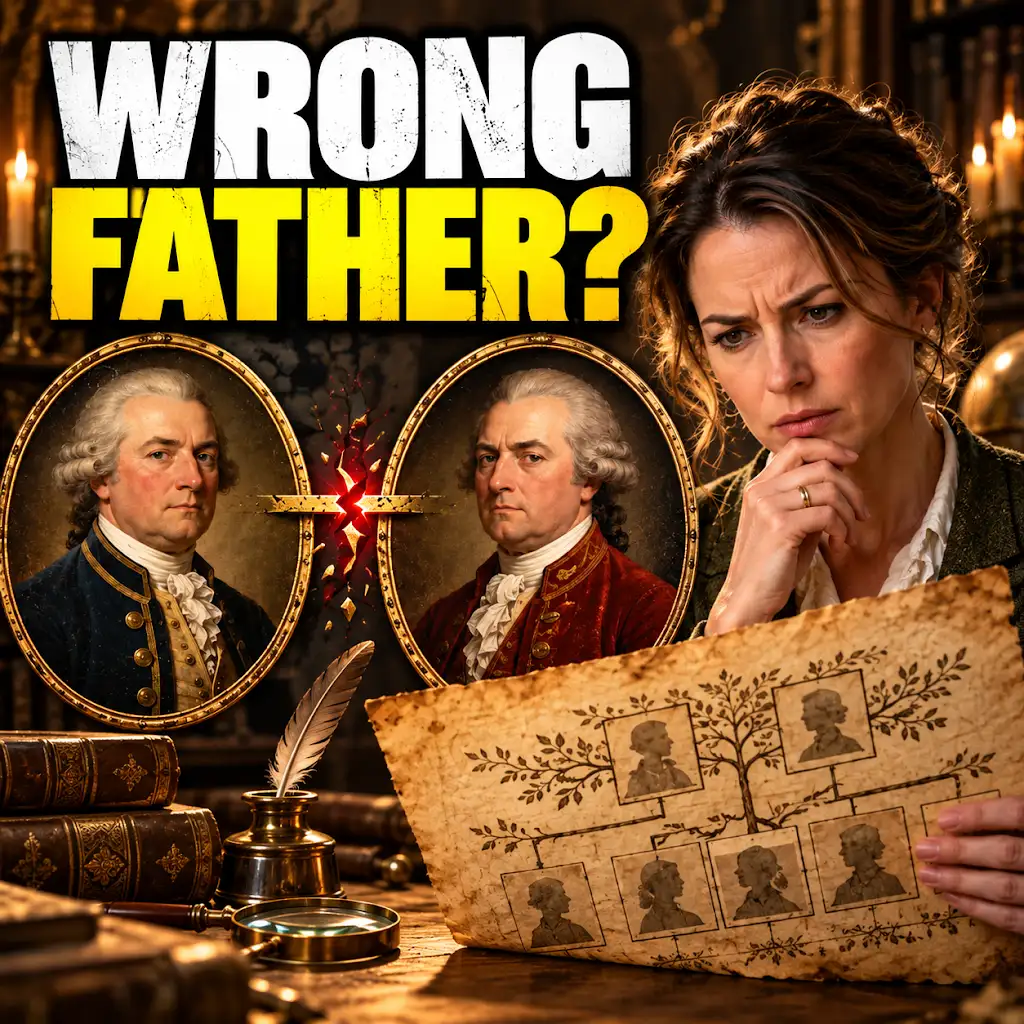
More frequently, however, genealogical research reveals discrepancies between cherished family traditions and historical evidence. This divergence can be a source of initial disappointment or even disbelief. Perhaps the brave ancestor was a conscientious objector, or the family fleeing persecution arrived years later than the tradition suggests, or the story of a wealthy benefactor was a simplification of a more complex financial situation. These discrepancies are not a failure of the family’s memory, but rather a testament to the selective nature of memory, the evolution of storytelling, and the inherent inaccuracies that can creep into oral histories over time.
The task of the genealogist is not to debunk family traditions, but to understand them within their historical context. A story of a great-grandfather who was a renowned musician might, upon closer inspection, reveal he was a talented amateur who played at local gatherings, rather than a professional performer. The embellished tale, while not factually accurate in its grandest claims, still holds a kernel of truth and an emotional significance that should be respected. Genealogists can often find value in these divergences by exploring why a particular narrative might have developed or persisted. Was it to inspire later generations? To downplay a less desirable aspect of an ancestor’s life? To create a romanticized past? Understanding these motivations can be as insightful as uncovering the historical facts themselves.
The Art of Constructing a Balanced Family History
The ultimate goal of reconciling family traditions and historical evidence is to construct a balanced and nuanced family history. This involves acknowledging and respecting the emotional weight and cultural significance of family lore, while also grounding the narrative in verifiable facts. It means being willing to question and investigate, to challenge assumptions, and to embrace the complexities that emerge. A truly compelling family history does not shy away from the imperfections or the less glamorous aspects of an ancestor’s life. Instead, it seeks to understand the full human experience, the triumphs and the struggles, the documented events and the remembered anecdotes.
This balanced approach allows for a richer and more authentic understanding of one’s heritage. It recognizes that family traditions, even when not perfectly accurate, often carry important cultural and emotional messages. They speak to the values, aspirations, and shared experiences of previous generations. By integrating these traditions with the verifiable evidence unearthed through genealogical research, one can create a narrative that is both deeply personal and historically grounded. This synthesis allows for a more profound appreciation of the journey of one’s ancestors, acknowledging both the stories they told and the lives they actually lived.
The Enduring Significance of Our Ancestral Threads
Ultimately, the pursuit of genealogy, whether driven by cherished family traditions or meticulous historical research, speaks to a fundamental human need: the need to understand our place in the grand tapestry of time. The stories we inherit and the facts we uncover weave together to form the complex and often surprising narrative of our lineage. This exploration is not merely an academic exercise; it is a journey of self-discovery, a way to connect with the past and to understand the threads that bind us to those who came before.
Legacy as a Living Connection
The concept of legacy extends far beyond material possessions. It encompasses the values, the character, the resilience, and the very essence of who our ancestors were. Family traditions, in their own way, attempt to preserve this legacy, passing down lessons and inspirations from one generation to the next. Historical evidence, when carefully pieced together, reveals the tangible reality of their lives, their struggles, and their achievements. When these two aspects are thoughtfully integrated, they create a living connection to our ancestors, allowing us to learn from their experiences, to be inspired by their courage, and to appreciate the sacrifices that have shaped our present. This understanding of legacy can provide a profound sense of continuity and purpose, reminding us that we are not isolated individuals but part of an ongoing human story.
The Ethical Considerations in Genealogical Exploration
As genealogists delve into the lives of their ancestors, they also encounter ethical considerations. The privacy of living individuals must always be respected, and sensitive information about deceased relatives should be handled with care and discretion. When sharing research, it is important to be mindful of how certain revelations might impact living family members. Furthermore, the interpretation of historical evidence requires a commitment to fairness and accuracy, avoiding sensationalism or the perpetuation of harmful stereotypes. A responsible genealogist seeks to tell the stories of their ancestors with integrity, acknowledging both their strengths and their weaknesses, and presenting a truthful, albeit complex, picture.
A Continuous Journey of Discovery
Genealogy is rarely a destination; it is a continuous journey of discovery. With each new record found, each DNA match made, and each family story unearthed, the picture of our ancestral past becomes clearer and more nuanced. The interplay between family traditions and historical evidence provides a rich and dynamic landscape for exploration. By embracing both the sentimental value of inherited narratives and the objective truth of historical documentation, individuals can gain a profound and multifaceted understanding of their heritage, enriching their sense of self and their connection to the enduring legacy of their ancestors. The past, as revealed through genealogy, is not static; it is a vibrant and evolving narrative that continues to shape who we are today.
DNA Challenged This Family’s Pocahontas Ancestry Claim
FAQs
What is genealogy?
Genealogy is the study of family history and lineage, tracing the descent of individuals or families through the examination of historical records, oral traditions, and genetic analysis.
What is a family tradition in genealogy?
A family tradition in genealogy refers to stories, beliefs, or practices that have been passed down through generations within a family. These traditions often include information about ancestors, cultural practices, or significant events.
How does genealogy differ from family tradition?
Genealogy relies on factual evidence such as birth certificates, census records, and DNA testing to establish relationships and connections between individuals. Family tradition, on the other hand, is based on oral history and personal accounts that may not always be supported by concrete evidence.
Why is it important to balance family tradition with genealogical evidence?
It is important to balance family tradition with genealogical evidence to ensure the accuracy and reliability of the information being passed down through generations. While family traditions can provide valuable insights and connections, genealogical evidence helps to verify and validate the information.
How can genealogy and family tradition complement each other?
Genealogy and family tradition can complement each other by combining the personal stories and cultural heritage passed down through generations with the factual evidence and documentation that genealogical research provides. This integration can create a more comprehensive and accurate understanding of one’s family history.