The question of identity is a complex and deeply personal one, often shaped by a confluence of biological heritage, cultural belonging, and societal constructs. In contemporary discourse, two prominent frameworks for understanding who we are have emerged: genetic ancestry and tribal citizenship. While both offer lenses through which individuals can explore their roots and connections, they operate on fundamentally different principles and carry distinct implications for self-perception and community. This article delves into the nuances of these two concepts, highlighting their divergences and exploring how they contribute to the multifaceted nature of identity.
The Biological Blueprint: Unpacking Genetic Ancestry
Genetic ancestry, a field that has gained significant traction with the advent of direct-to-consumer DNA testing, seeks to trace an individual’s lineage back through generations by analyzing their DNA. This form of identity exploration is rooted in the tangible, inherited material that forms the basis of human life. It provides a scientific methodology for understanding the geographical origins of one’s ancestors, the proportions of different ancestral populations within their genetic makeup, and even the potential for encountering distant relatives.
Tracing the Threads of Inheritance
The core of genetic ancestry lies in the concept of shared genetic material. Every human inherits a unique combination of DNA from their parents, who in turn inherited it from their parents, and so on. By examining specific markers within this DNA, such as single nucleotide polymorphisms (SNPs), genetic ancestry tests can identify patterns that are more common in certain geographical regions or among particular populations. These patterns are not static; they evolve over millennia as populations migrate, intermingle, and adapt to different environments.
A genetic ancestry report typically presents a breakdown of an individual’s heritage in terms of percentages attributed to various broad geographical regions. These regions are often defined by historical population movements and genetic clustering. For instance, a report might indicate a percentage of ancestry from Western Europe, another from East Asia, and a smaller portion from Sub-Saharan Africa. These estimations are based on comparing an individual’s DNA to reference populations whose genetic profiles have been extensively studied.
The Science Behind the Estimates
The accuracy of genetic ancestry testing is a subject of ongoing scientific development and discussion. The algorithms used by testing companies are sophisticated and constantly being refined as more data is collected and analyzed. However, it is important to understand the inherent limitations. Genetic ancestry is an estimation, not a definitive historical record. The further back in time one goes, the more diluted and mixed the ancestral contributions become. Furthermore, the geographical regions used in reporting are often broad and can encompass vast areas with diverse populations.
Moreover, genetic ancestry tests primarily focus on autosomal DNA, which is inherited from both parents and is most useful for tracing recent ancestry. Other types of DNA, like mitochondrial DNA (mtDNA) and Y-chromosome DNA, are inherited uniparentally and can trace maternal and paternal lines, respectively, much further back in time. While these provide valuable insights into deep ancestral migrations, they offer a more limited picture of an individual’s overall genetic heritage. The companies that provide these services often employ bioinformaticians and geneticists to interpret the raw data, but the interpretation itself is based on statistical models and reference databases, which are subject to change and improvement.
Beyond Percentage: Familial Connections and Health Predispositions
While the percentage breakdown of regional ancestry is a primary output, genetic ancestry testing also offers the possibility of discovering genetic relatives. By comparing an individual’s DNA to others in the company’s database, users can find matches who share a certain percentage of their DNA, indicating a recent common ancestor. This can lead to unexpected discoveries, reconnecting individuals with estranged family members or revealing branches of the family tree that were previously unknown.
Beyond kinship, genetic ancestry can also touch upon health predispositions. Some companies offer reports that link certain genetic variants to an increased or decreased risk of developing specific health conditions. It is crucial to emphasize that these are predispositions, not diagnoses. A genetic predisposition does not guarantee the development of a disease, and conversely, the absence of a predisposition does not mean one is immune. These reports should be interpreted with caution and discussed with healthcare professionals. The scientific understanding of the complex interplay between genetics and health is still evolving, and these reports should be viewed as supplementary information rather than definitive pronouncements.
The ongoing debate surrounding genetic ancestry versus tribal citizenship raises important questions about identity and belonging in Indigenous communities. A related article that explores the implications of government policies on personal and communal identity can be found at this link. This article delves into how governmental actions can impact the rights and recognition of individuals within tribal nations, further complicating the conversation about who qualifies for tribal membership based on genetic lineage versus cultural and historical ties.
Belonging to the Collective: Understanding Tribal Citizenship

In stark contrast to the biological focus of genetic ancestry, tribal citizenship is a sociopolitical construct rooted in shared cultural identity, history, and belonging to a specific nation or indigenous group. It is not determined by DNA percentages but by formal recognition as a member of a tribe, often through adherence to tribal laws, customs, and lineage requirements. This form of identity is inherently communal and emphasizes shared experiences, responsibilities, and a collective destiny.
The Foundations of Tribal Membership
Tribal citizenship is typically defined by a tribe’s own constitution or governing documents, which outline the criteria for membership. These criteria can vary significantly from tribe to tribe. Historically, lineage has been a primary factor, with membership often passed down through descent from recognized tribal members. This can be based on matrilineal or patrilineal lines, depending on the tribe’s traditions. In many indigenous nations, a minimum degree of “blood quantum”—a measure of ancestral lineage to the tribe—has been a requirement for enrollment. However, the concept and application of blood quantum have been a subject of considerable debate and evolving understanding within tribal communities, with some tribes moving towards more inclusive membership criteria based on lineal descent or cultural affiliation.
Beyond biological descent, cultural affiliation and adherence to tribal laws and customs also play a crucial role in tribal citizenship for some groups. This can include participation in tribal governance, adherence to traditional practices, and a commitment to the tribe’s collective well-being. Tribal citizenship carries with it specific rights and responsibilities, which can include voting in tribal elections, accessing tribal resources and services, and participating in cultural ceremonies and events.
A Nation Within a Nation: Rights and Responsibilities
Tribal citizenship is intrinsically linked to the concept of tribal sovereignty. Indigenous nations are recognized as sovereign entities with the inherent right to govern themselves, their lands, and their people. Therefore, tribal citizenship is not merely a matter of cultural identity but also a legal and political status. Citizens of a tribe are subject to tribal laws and regulations, and they are entitled to the protections and benefits afforded by their tribal government.
This sovereignty means that tribes have the authority to determine their own membership criteria, manage their own resources, and enter into agreements with federal, state, and international governments. For tribal citizens, this translates into a unique position of belonging to both their indigenous nation and the broader nation-state in which their territory is located. This duality of citizenship can be a source of strength and cultural resilience, but it can also present challenges in navigating different legal and political systems.
The Living Legacy: Culture, Community, and Governance
The essence of tribal citizenship lies in its dynamic and living nature. It is not a static declaration of past lineage but an ongoing commitment to a shared present and future. Tribal citizens are active participants in the preservation and evolution of their cultural heritage. This includes the transmission of languages, traditions, ceremonies, and storytelling from one generation to the next. It also involves engagement in contemporary issues facing the tribe, such as environmental protection, economic development, and cultural revitalization.
The collective identity fostered by tribal citizenship provides a powerful sense of belonging and mutual support. It creates a framework for community action and advocacy, allowing tribes to collectively address challenges and celebrate successes. Governance structures within tribes, whether traditional or modern, are designed to serve the interests of their citizens and ensure the continuity of the nation. Therefore, tribal citizenship is a profound connection to a people, a history, and a future.
Intersections and Divergences: Where the Concepts Meet and Part

While genetic ancestry and tribal citizenship are distinct, they are not entirely mutually exclusive. For many indigenous individuals, their genetic heritage may align with their tribal affiliation, providing a biological confirmation of their ancestral connection. However, the divergences between these two concepts are significant and merit careful consideration, as conflating them can lead to misunderstandings and misrepresentations of identity.
The Genetic vs. The Social Contract
The fundamental difference lies in their basis: genetic ancestry is rooted in biology, a tangible, inherited biological inheritance, while tribal citizenship is a social and political contract, a recognition of belonging to a community and nation. An individual can have a certain percentage of genetic ancestry from a particular region without being formally recognized as a citizen of any tribe associated with that region. Conversely, someone may be a recognized citizen of a tribe without having a significant percentage of genetic markers associated with the broader geographical grouping of that tribe, particularly if historical migrations or intermarriage have occurred over centuries.
This distinction is crucial. Genetic ancestry can reveal a shared biological past, but it does not confer membership in a contemporary political or cultural entity. Tribal citizenship, on the other hand, is about active membership and participation within a living, self-governing nation. It involves adherence to a specific set of laws, customs, and a collective identity that transcends mere genetic markers. For instance, a person might discover through a DNA test that they have distant Scandinavian ancestry, but this does not automatically grant them citizenship in Norway or any specific Scandinavian tribal or ethnic group. Similarly, genetic findings may suggest a connection to Native American ancestry, but this does not translate into tribal citizenship without meeting the tribe’s enrollment requirements.
The Limits of DNA in Defining Belonging
Genetic ancestry, while offering fascinating insights, has inherent limitations when it comes to defining a person’s complete identity, especially in relation to tribal belonging. DNA tests do not capture the lived experience of cultural practice, the immersion in language and tradition, or the participation in governance and community life that are central to tribal citizenship. A person might have a high percentage of a certain ancestral marker, but if they have not been raised within a particular cultural context or recognized by that community, their genetic connection does not equate to tribal membership.
Moreover, the concept of “blood quantum,” while sometimes used in genetic ancestry contexts as a proxy for lineage, is a complex and often fraught concept within indigenous communities. Many tribes are moving away from strict blood quantum requirements, recognizing that cultural connection, lineal descent, and individual commitment are more important markers of belonging. Genetic ancestry, with its reliance on broad regional estimations and statistical probabilities, cannot fully replicate the nuanced and self-determined criteria that tribes establish for their own citizens. The DNA simply points to a biological origin; it does not define the social, political, and cultural allegiance that underpins tribal citizenship.
Navigating Identity in a Complex World
For individuals with complex heritage, understanding the difference between genetic ancestry and tribal citizenship is paramount. It allows for a more nuanced and respectful approach to identity formation. Acknowledging one’s genetic predispositions and ancestral origins can be a valuable part of self-discovery. Simultaneously, recognizing and honoring the principles of tribal citizenship, where applicable, involves engaging with the communities that define it and understanding the responsibilities and privileges that come with membership.
In essence, genetic ancestry offers a glimpse into the biological tapestry of human migration and inheritance, providing a fascinating, albeit statistical, map of where our ancestors may have come from. Tribal citizenship, conversely, is an active declaration of belonging to a sovereign nation, a commitment to a shared cultural and political future, and a recognition of the unique rights and responsibilities that come with being part of a collective. Both are important facets of identity, but they operate on different planes and require distinct forms of understanding and engagement.
The Social Construction of Identity: Beyond the Biological
Identity is not solely determined by immutable biological factors. The concept of identity is also profoundly shaped by social interactions, cultural norms, and the narratives we construct about ourselves and our place in the world. Genetic ancestry, while rooted in biology, is also subject to social interpretation. Similarly, tribal citizenship, though a formal designation, is deeply intertwined with cultural narratives and community understanding.
How Society Interprets Genetic Data
While genetic ancestry tests provide raw data, the way this data is presented, marketed, and understood is inherently a social process. The broad geographical categories used in reports, the language employed to describe ancestral proportions, and the potential health implications presented are all influenced by societal perspectives and scientific discourse. For example, the historical context of colonialism and migration has shaped how different populations are categorized and understood genetically. The interpretation of genetic findings can be influenced by existing societal biases and prejudices.
Furthermore, the very act of taking a DNA test and engaging with its results is a social phenomenon. It reflects a desire to understand oneself in a particular cultural moment, often driven by a growing interest in genealogy, heritage tourism, and a broader societal trend towards individual self-discovery through scientific means. The results can become a talking point, a conversation starter, and even a basis for forming new social connections, demonstrating how biological data is quickly woven into the fabric of social interaction.
Culture as the Fabric of Tribal Identity
Tribal citizenship is an embodiment of identity as a social construct. While lineage may be a factor, it is the shared culture—the language, traditions, spiritual beliefs, artistic expressions, and historical narratives—that truly binds individuals together as citizens of a tribe. This culture is not static; it is a living entity that is constantly being transmitted, adapted, and reinterpreted by its members. The collective understanding and practice of this culture are what define the boundaries and essence of tribal identity.
The recognition of tribal citizenship by the tribe itself, and by external entities, further solidifies its status as a social construct. It is a legal and political status granted and maintained through community consensus and governance. This contrasts sharply with genetic ancestry, where the interpretation of biological data is largely an individual or consumer-driven process, mediated by companies and scientific methodologies rather than community agreement. The collective affirmation of identity within a tribal context is a powerful force that shapes individual self-perception and belonging.
The Fluidity of Self-Perception
Ultimately, both genetic ancestry and tribal citizenship contribute to the complex and often fluid nature of self-perception. An individual may feel a strong connection to their genetic heritage, finding personal meaning in the geographical origins revealed by DNA testing. Simultaneously, they may also identify deeply with a tribal nation, embracing its cultural values and participating in its community life. These aspects of identity do not necessarily compete; they can coexist and enrich one another.
However, it is crucial to maintain a clear distinction between the biological information provided by genetic ancestry and the socio-political and cultural belonging signified by tribal citizenship. To equate the two risks oversimplifying the intricate nature of identity and potentially diminishing the significance of cultural heritage and self-governance inherent in tribal nationhood. Understanding these differences allows for a more informed and respectful approach to how individuals explore, express, and define their identities in an increasingly interconnected world. The journey of understanding who we are is a continuous process, informed by both our biological inheritance and the communities to which we belong.
The ongoing debate surrounding genetic ancestry and tribal citizenship has gained significant attention, particularly in light of recent legal discussions. For a deeper understanding of the implications of such issues, you may find it helpful to read an article that explores the complexities of tribal sovereignty and asset management under the IIEPA Act. This article provides insights into how these legal frameworks intersect with questions of identity and belonging. To learn more, you can visit this informative resource that sheds light on these important topics.
Bridging the Understanding: Towards Informed Self-Discovery
| Aspect | Genetic Ancestry | Tribal Citizenship |
|---|---|---|
| Definition | Biological lineage determined through DNA analysis | Legal and cultural membership in a recognized tribe |
| Basis | Genetic markers inherited from ancestors | Tribal enrollment criteria such as blood quantum, descent, or community ties |
| Measurement | Percentage of DNA linked to specific populations or regions | Enrollment records, certificates, or tribal rolls |
| Purpose | Understanding ancestral origins and population history | Access to tribal rights, benefits, and cultural identity |
| Variability | Can show mixed ancestry and complex heritage | Often fixed by tribal laws and policies |
| Recognition | Scientific and genealogical communities | Tribal governments and federal/state authorities |
| Limitations | Does not confer legal or cultural membership | May exclude individuals with genetic ties but lacking documentation |
| Example Metric | Percentage of Native American DNA (e.g., 25%) | Blood quantum requirement (e.g., 1/4 Native blood) |
Navigating the landscape of identity requires a nuanced understanding of the different frameworks available. Genetic ancestry and tribal citizenship, while both valuable in their own right, offer distinct pathways to self-discovery. Recognizing their differences and potential intersections is crucial for fostering informed self-understanding and respectful engagement with diverse forms of identity.
Education as a Foundation for Clarity
A fundamental step towards bridging the understanding between genetic ancestry and tribal citizenship is through education. Both concepts need to be demystified, presenting their methodologies, limitations, and implications in a clear and accessible manner. For genetic ancestry, this involves educating individuals about the science behind DNA testing, the nature of estimations, and the difference between regional ancestry and direct lineage. It means emphasizing that genetic data is a piece of a larger puzzle, not the entirety of one’s heritage.
For tribal citizenship, education should focus on the principles of tribal sovereignty, the diversity of tribal governance structures, and the criteria for membership. It’s vital to highlight that tribal citizenship is not a monolithic concept but varies significantly from one nation to another. Understanding the historical context of indigenous nations, their ongoing struggles for self-determination, and the importance of cultural preservation is essential for appreciating the depth of tribal citizenship. Public discourse and accessible resources that explain these concepts accurately can help prevent misinformation and foster a more informed public.
Respecting Self-Determination in Identity Claims
A core principle in understanding identity is respecting an individual’s right to self-determination. This means acknowledging that how a person identifies themselves is a personal journey, shaped by their own experiences, beliefs, and relationships. For individuals who have discovered genetic ties to a particular ancestral group, their personal connection to that heritage is valid. Similarly, for individuals who are citizens of a tribe, their identity as such is grounded in their lived experience and their belonging to that nation.
It is not the role of external observers to dictate or invalidate someone’s identity claims, especially when those claims are rooted in legitimate frameworks like genetic ancestry or formal tribal enrollment. Instead, the focus should be on fostering an environment where individuals can explore their heritage with accurate information and make choices about their identity that feel authentic to them. This respect for self-determination extends to understanding that not everyone who discovers a genetic link to an indigenous population is necessarily seeking or eligible for tribal citizenship, and that an individual can be a tribal citizen without having a significant genetic percentage from a generalized regional grouping.
Fostering Inclusive Conversations and Intersectional Identities
Ultimately, the goal is to foster inclusive conversations about identity that acknowledge the multifaceted nature of human experience. This involves recognizing that individuals often hold multiple identities that intersect and inform one another. Someone may identify with their genetic ancestry from Ireland, be a citizen of the United States, and also be a member of a professional organization that fosters a sense of community and shared purpose. All of these contribute to their overall sense of self.
In the context of genetic ancestry and tribal citizenship, this means appreciating that an individual’s journey might involve discovering a genetic predisposition to a certain health condition, understanding their geographical ancestral roots, and simultaneously being a proud citizen of a sovereign indigenous nation. These are not mutually exclusive; they can be complementary aspects of a rich and complex identity. By encouraging dialogue that respects the distinctions while acknowledging potential overlaps, we can move towards a more nuanced and empathetic understanding of who we are, both as individuals and as members of diverse communities. The quest for identity is a continuous exploration, and by embracing the complexities, we can better understand ourselves and the world around us.
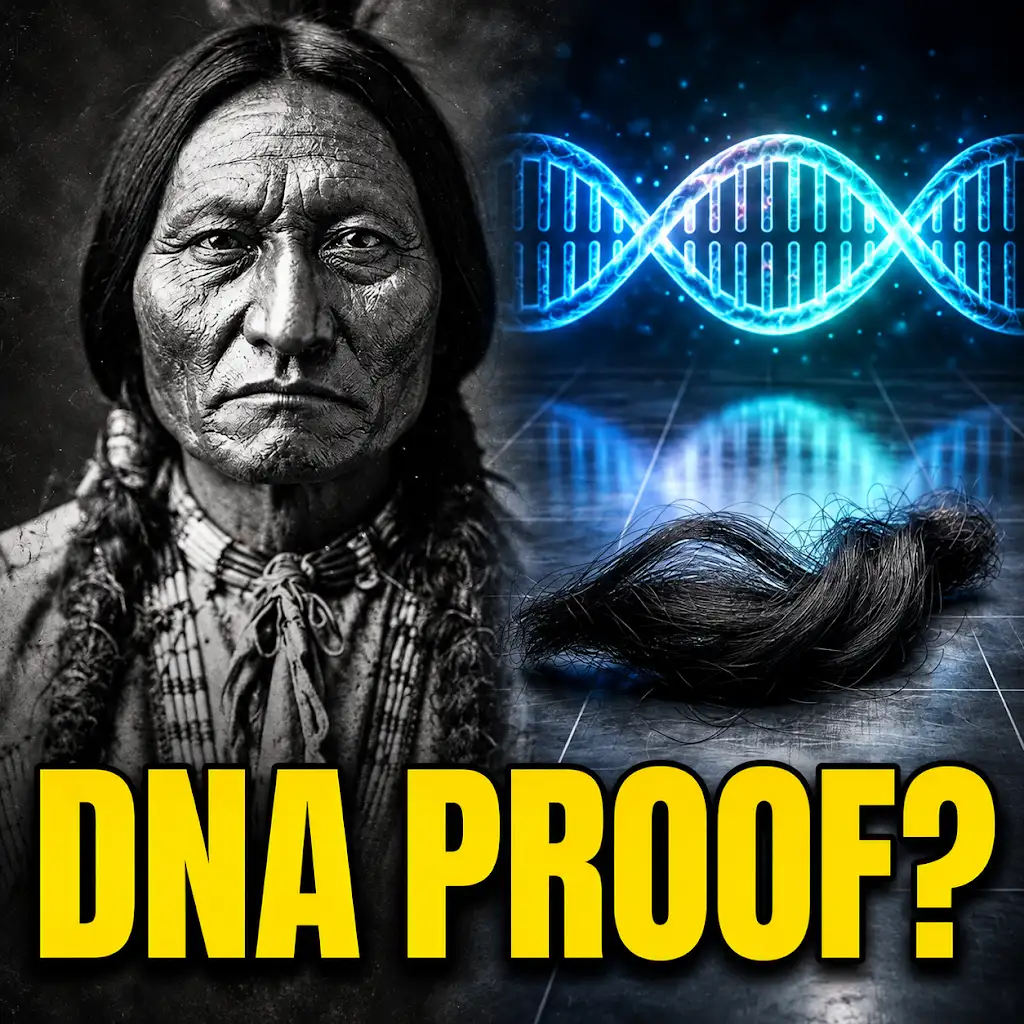
The Sitting Bull DNA Test: What Did It Actually Prove?
FAQs
What is genetic ancestry?
Genetic ancestry refers to the study of an individual’s genetic background and heritage based on their DNA. It can provide information about a person’s ethnic origins, migration patterns, and genetic connections to different populations.
What is tribal citizenship?
Tribal citizenship is the official membership status in a Native American tribe or indigenous community. It is typically determined by the tribe’s own criteria, which may include ancestry, lineage, blood quantum, or other cultural factors.
How does genetic ancestry differ from tribal citizenship?
Genetic ancestry focuses on the biological and genetic heritage of an individual, while tribal citizenship is a legal and cultural affiliation with a specific indigenous community. One can have genetic ties to a tribe without being a tribal citizen, and vice versa.
Can genetic ancestry testing be used to prove tribal citizenship?
Genetic ancestry testing alone is generally not sufficient to establish tribal citizenship. Tribes have their own enrollment criteria, which may include genealogical records, historical documentation, and cultural affiliation in addition to genetic information.
Why is the distinction between genetic ancestry and tribal citizenship important?
The distinction is important because genetic ancestry and tribal citizenship represent different aspects of identity and belonging. Recognizing this difference helps to respect the sovereignty of indigenous tribes and the complexity of individual and communal identities.