The Unearthing of Ancestral Ties: Genetic Science as a Catalyst for Indigenous Repatriation
For centuries, indigenous communities across the globe have sought to reclaim their ancestral heritage, a legacy often disrupted by colonial policies, displacement, and the appropriation of sacred artifacts and human remains. The process of repatriation, the return of these cultural and biological materials to their rightful custodians, has often been a painstaking and fraught endeavor, relying on historical records, oral traditions, and archaeological evidence. However, a powerful new ally has emerged in this crucial effort: genetic science. The study of DNA, once primarily a tool for forensic investigation and medical research, is now proving to be an invaluable asset in unequivocally establishing kinship and provenance, offering irrefutable scientific backing to indigenous claims and accelerating the path towards justice and reconciliation.
The application of genetic evidence in repatriation is not merely a scientific curiosity; it is a profound reassertion of indigenous sovereignty and a critical step in healing historical traumas. It provides a tangible, undeniable link to the past, validating the deep-seated connections indigenous peoples have always maintained with their lands, their ancestors, and their cultural patrimony. This scientific validation can be particularly impactful in contexts where colonial records are deliberately biased, incomplete, or intentionally erased, offering an objective measure of truth that can overcome entrenched skepticism and bureaucratic inertia. The journey from genetic discovery to successful repatriation is multifaceted, involving complex ethical considerations, collaborative partnerships, and the dismantling of long-standing barriers.
The ongoing debate surrounding the repatriation of cultural artifacts often intersects with genetic evidence, shedding light on the ancestral connections between modern populations and their historical counterparts. A related article that explores the evolving understanding of human migration and its implications for cultural heritage can be found at this link. This piece delves into how advancements in genetic research are reshaping our perceptions of identity and ownership, providing a compelling backdrop to discussions on the rightful return of indigenous artifacts.
The Genetic Bridge: DNA as a Modern-Day Rosetta Stone
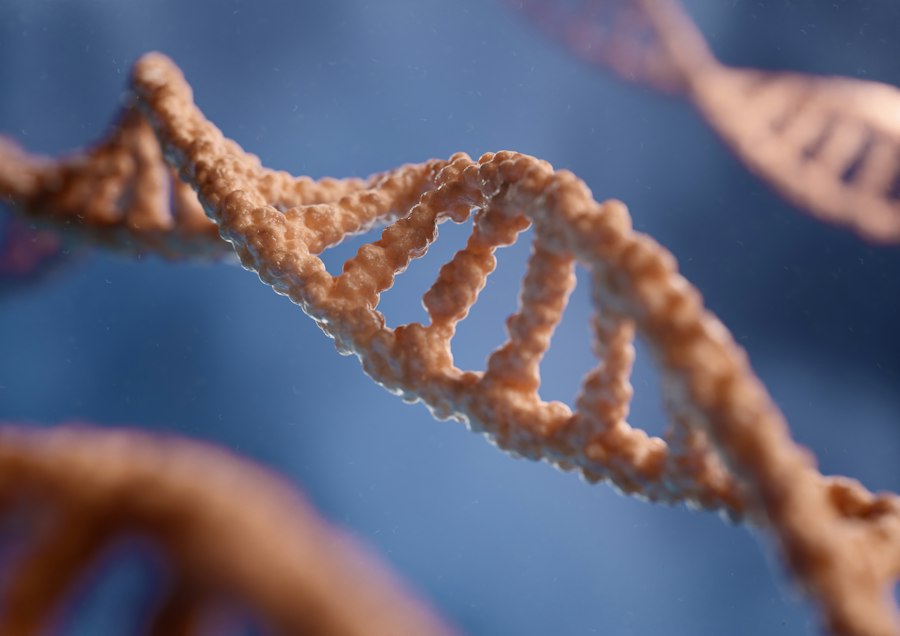
The fundamental power of genetic evidence in repatriation lies in its ability to trace lineage and establish relationships with an unprecedented degree of certainty. Human DNA, inherited from both parents, contains a wealth of information about an individual’s ancestry. By analyzing specific segments of DNA, particularly those on the Y-chromosome (passed down from father to son) and mitochondrial DNA (inherited from the mother), scientists can identify distinct genetic markers and haplogroups that are characteristic of particular ancestral populations. These markers act as genetic signatures, allowing researchers to determine the geographic origins and ancient migrations of human groups.
Unraveling Ancestral Lineages: Haplogroups and Their Significance
Haplogroups are large groups of people who share a common ancestor on the patrilineal or matrilineal line. These groups are defined by specific sets of genetic markers, such as Single Nucleotide Polymorphisms (SNPs), that are passed down through generations with relatively few changes. For indigenous communities, identifying the haplogroup of an individual whose remains are being repatriated, or of living community members, can be a crucial piece of evidence. If the haplogroup of a deceased individual aligns with the haplogroups predominantly found within a specific indigenous community, it provides strong support for their ancestral connection to that group. This is particularly relevant when dealing with human remains that may have been removed from their original burial sites and are now housed in museums or private collections, often without proper documentation or consent.
For example, studies focusing on the genetic makeup of indigenous populations in the Americas have identified specific haplogroups that are unique to these groups, such as Haplogroup Q on the Y-chromosome and Haplogroup A and B on the mitochondrial DNA. When remains exhumed from historical sites or discovered in museum collections are found to possess these characteristic haplogroups, it offers compelling evidence that they belong to the indigenous peoples of that region. This scientific data can then be used to supplement and strengthen the oral histories and traditional knowledge that have always asserted these connections, providing a powerful, objective validation.
Beyond Borders: Tracing Migratory Patterns and Connections
Genetic analysis also allows for the reconstruction of ancient human migratory patterns. By comparing the genetic profiles of different populations across continents, scientists can infer how and when different groups moved and settled. This is particularly important for indigenous peoples whose ancestral territories may have spanned vast regions or crossed modern political boundaries. Genetic evidence can reveal deep historical connections between seemingly disparate groups, reinforcing claims to ancestral lands and cultural practices that may have been fragmented by colonization and forced relocation.
Consider the indigenous peoples of the Arctic, whose migratory routes have historically connected communities across North America, Greenland, and Siberia. Genetic studies have shown shared haplogroups and genetic admixtures among these populations, underscoring their common ancestry and historical interconnectedness. When remains or artifacts are found in one region that exhibit genetic markers associated with another, it can provide vital clues about ancient trade routes, marriage alliances, or shared origins, further bolstering repatriation efforts by demonstrating a continuum of connection. The ability to trace these genetic threads across vast distances and historical epochs offers a powerful counter-narrative to colonial attempts to define indigenous peoples as isolated or static groups.
Ethical Frameworks: Respect, Consent, and Collaboration in Genetic Repatriation

While genetic science offers powerful tools for repatriation, its application must be guided by rigorous ethical principles. The history of scientific research involving indigenous peoples is often marred by exploitation, lack of informed consent, and the commodification of indigenous genetic material. Therefore, any genetic analysis undertaken for repatriation purposes must prioritize respect for indigenous sovereignty, cultural protocols, and the right to self-determination. This means that the decision to use genetic evidence, how it is used, and how the results are interpreted and shared must always be made in full partnership with the relevant indigenous communities.
The Cornerstone of Consent: Navigating Informed and Ongoing Agreement
Informed consent is paramount in any genetic research involving human remains or living individuals. For repatriation, this translates to obtaining clear, voluntary, and ongoing consent from the rightful custodians of the remains – the indigenous community itself. This consent process must be culturally appropriate, ensuring that the community fully understands the scientific procedures involved, the potential implications of the genetic analysis, and the ways in which the data will be used and protected. It is not a one-time agreement but an ongoing dialogue, acknowledging that community priorities and perspectives may evolve over time.
When dealing with ancestral remains, the concept of consent takes on a different dimension. It is often the descendants who provide consent on behalf of their ancestors, guided by their understanding of ancestral protocols and the spiritual significance of their human remains. This requires a deep level of trust and mutual respect between researchers and indigenous representatives. The genetic data itself should not be treated as a commodity; its ownership and control must reside with the indigenous community. This principle is enshrined in international declarations such as the United Nations Declaration on the Rights of Indigenous Peoples (UNDRIP), which affirms the right of indigenous peoples to maintain, control, protect, and develop their cultural heritage, including their human remains.
Collaborative Partnerships: Building Bridges Between Science and Culture
Successful genetic repatriation hinges on the establishment of robust and equitable collaborative partnerships between scientists and indigenous communities. These partnerships move beyond a simple transactional relationship where scientists extract data and communities receive it. Instead, they foster a shared understanding and ownership of the research process, from the initial research questions to the final interpretation and dissemination of findings. Indigenous knowledge holders, elders, and cultural advisors should be integral members of the research team, providing invaluable context and ensuring that the scientific investigation is conducted in a culturally sensitive and respectful manner.
This collaborative approach can also lead to the development of new scientific methodologies that are more attuned to indigenous cultural values and priorities. For instance, researchers might work with communities to develop non-destructive genetic sampling techniques, minimizing any perceived violation of the remains. Furthermore, indigenous communities can guide the interpretation of genetic data, ensuring that scientific findings are understood within the broader context of their cultural narratives, cosmologies, and historical experiences. This co-creation of knowledge strengthens the validity and impact of the repatriation efforts, moving beyond mere scientific proof to a deeper, shared understanding of ancestral connections.
Global Impact: Indigenous Repatriation Efforts Powered by Genetic Insights
The application of genetic evidence in repatriation is not confined to a single region or continent; it is a global phenomenon, empowering indigenous communities worldwide to reclaim their heritage. From the ancestral lands of Australia and the Pacific Islands to the ancient burial grounds of North America and Europe, genetic insights are providing the scientific bedrock for long-overdue returns. These efforts are not only about recovering physical objects and human remains but also about restoring narratives, affirming identities, and strengthening the cultural resilience of indigenous peoples.
Reclaiming Ancestral Remains: From Museum Shelves to Sacred Ground
One of the most significant applications of genetic science in repatriation involves the return of ancestral human remains. For decades, museums and private collections have held vast numbers of these remains, often collected under colonial duress or without any form of consent. Genetic analysis has provided a crucial tool for identifying the ancestral origins of these remains, particularly when historical documentation is absent or unreliable. By comparing the DNA of skeletal remains with the genetic profiles of contemporary indigenous populations, researchers can establish clear links and facilitate their repatriation to their rightful communities for reburial according to cultural traditions.
In Australia, for example, genetic studies have played a vital role in identifying the origins of Aboriginal and Torres Strait Islander ancestors whose remains were removed and are held in institutions overseas. By matching genetic markers in these remains with those found in living Indigenous Australians, repatriation efforts have been significantly bolstered. Similarly, in North America, genetic analysis has been instrumental in identifying the ancestral affiliations of remains discovered during construction or archaeological digs, allowing for their return to descendant communities who can then ensure their proper care and honor their ancestors’ spirits.
Cultural Artifacts and Their Genetic Signatures: Beyond Physical Provenance
While human remains are a primary focus, genetic evidence can also extend to the provenance of cultural artifacts, particularly those made from organic materials that might contain residual DNA. While less common than skeletal DNA analysis, in certain cases, trace DNA on ancient tools, textiles, or other organic artifacts could potentially link them to specific ancestral groups, corroborating oral traditions or historical accounts of their creation and use. This area is still developing but holds promise for further strengthening repatriation claims.
More broadly, the principles of genetic analysis – the identification of unique markers and ancestral connections – can serve as a conceptual model for understanding the deep cultural signatures embedded within artifacts. Even without direct DNA extraction, the scientific understanding of population genetics and ancestral migration patterns can inform the interpretation of artifact distribution and style, providing a scientific framework for understanding their indigenous origins and connections. This interdisciplinary approach, combining genetic insights with archaeological and anthropological expertise, can offer a more holistic understanding of cultural heritage and its rightful custodians.
The ongoing discussions about the repatriation of cultural artifacts often intersect with genetic evidence, highlighting the importance of understanding the ancestral connections between communities and their heritage. A compelling article that delves into the complexities of such issues can be found in a piece discussing the Sudan conflict, which emphasizes the broader implications of cultural identity and historical claims. For more insights on this topic, you can read the article on the continuing struggle for peace in Sudan at Sudan Conflict: A Continuing Struggle for Peace.
Challenges and the Future of Genetic Repatriation
| Metric | Description | Example Data | Significance for Repatriation |
|---|---|---|---|
| Genetic Match Percentage | Proportion of genetic markers shared between remains and descendant populations | 85% match with local indigenous group | High match supports rightful repatriation to the identified community |
| mtDNA Haplogroup Concordance | Similarity in mitochondrial DNA haplogroups between remains and living populations | Haplogroup A2 found in both remains and community members | Indicates maternal lineage connection, aiding repatriation claims |
| Y-Chromosome Haplogroup Concordance | Similarity in paternal lineage markers | Haplogroup Q1a3a identified in remains and male descendants | Supports paternal lineage ties for repatriation purposes |
| Autosomal DNA Relatedness | Degree of overall genetic relatedness based on autosomal markers | Kinship coefficient of 0.125 (first cousins) | Helps establish familial relationships for repatriation claims |
| Ancient DNA Preservation Rate | Percentage of usable DNA recovered from remains | 70% usable DNA from bone samples | Higher preservation enables more accurate genetic analysis |
| Population Genetic Structure Analysis | Assessment of genetic clustering with known populations | Remains cluster genetically with regional indigenous groups | Supports cultural and geographic affiliation for repatriation |
Despite the immense promise of genetic evidence in supporting indigenous repatriation, several challenges remain. These include the cost and accessibility of genetic technologies, the potential for misuse or misinterpretation of genetic data, and the ongoing need to address the historical power imbalances that have characterized scientific research involving indigenous peoples. However, the trajectory of genetic repatriation is overwhelmingly positive, with increasing recognition of its importance and the development of more ethical and collaborative approaches.
Navigating the Ethical Minefield: Data Sovereignty and Protection
Ensuring the ethical stewardship of genetic data derived from indigenous ancestors is a critical ongoing challenge. Indigenous communities must have full sovereignty over their genetic information, including the right to control its collection, storage, use, and dissemination. This requires the development of robust data governance frameworks that are co-designed and co-managed by indigenous peoples. Concerns about potential future misuse of genetic data for discriminatory purposes or commercial exploitation necessitate strong legal protections and community-led oversight.
The development of indigenous-led biobanks and data repositories, where genetic information is stored and managed according to community protocols, is a crucial step in asserting data sovereignty. These initiatives empower communities to control their ancestral genetic legacy and ensure that it is used solely for their benefit and in accordance with their cultural values. Furthermore, ongoing dialogue and capacity-building are essential to ensure that indigenous communities are equipped to understand and engage with the complex ethical and technical aspects of genetic science.
The Evolving Landscape: Advances in Technology and Policy
The future of genetic repatriation is likely to be shaped by ongoing advancements in genetic technologies, making analysis more efficient, affordable, and less invasive. Developments in ancient DNA extraction and sequencing techniques continue to push the boundaries of what is possible, enabling the analysis of increasingly degraded samples. Concurrently, policy frameworks at national and international levels are evolving to better recognize and support indigenous rights in relation to their ancestral remains and cultural heritage.
The growing emphasis on Indigenous Data Sovereignty, as outlined in initiatives like the CARE Principles for Indigenous Data Governance, provides a crucial roadmap for ensuring that genetic research in repatriation is conducted ethically and equitably. As genetic science continues to mature, its role as a powerful, evidence-based tool in the global movement for indigenous repatriation will undoubtedly grow, fostering greater understanding, justice, and the healing of historical wounds. The unearthing of ancestral ties through the lens of genetic science offers a profound testament to the enduring connections that bind indigenous peoples to their past and pave the way for a more just and culturally rich future.
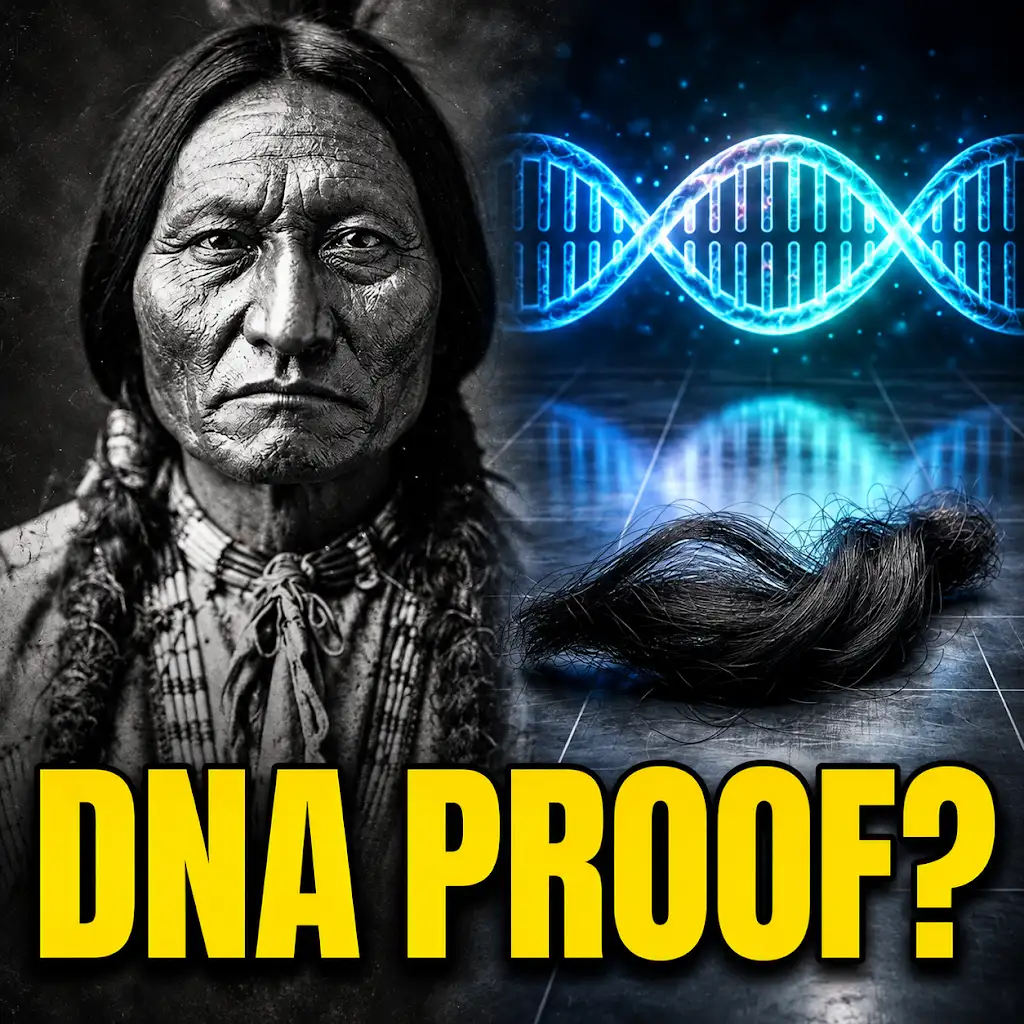
The Sitting Bull DNA Test: What Did It Actually Prove?
FAQs
What is genetic evidence for repatriation?
Genetic evidence for repatriation refers to the use of DNA analysis to establish a biological connection between human remains and modern-day descendants or indigenous communities, supporting the repatriation of ancestral remains to their rightful resting places.
How is genetic evidence used in repatriation efforts?
Genetic evidence is used in repatriation efforts by comparing the DNA of ancient remains with that of living individuals or populations who claim ancestral ties to the remains. This comparison helps confirm the biological relationship and supports the repatriation process.
What are the benefits of using genetic evidence for repatriation?
Using genetic evidence for repatriation provides a scientific basis for establishing ancestral connections, helping to validate claims of indigenous communities and descendants. It also contributes to the preservation of cultural heritage and promotes reconciliation and healing.
Are there any challenges associated with using genetic evidence for repatriation?
Challenges related to using genetic evidence for repatriation include the complexity of DNA analysis, potential limitations in sample quality or quantity, ethical considerations surrounding the handling of ancestral remains, and the need for collaboration and consent from all involved parties.
How does genetic evidence complement other forms of evidence in repatriation cases?
Genetic evidence complements other forms of evidence, such as historical records, cultural knowledge, and archaeological findings, by providing a scientific confirmation of ancestral relationships. When used in conjunction with other evidence, genetic analysis strengthens the case for repatriation and helps ensure a more comprehensive and accurate outcome.