
Genetic genealogy has revolutionized the way individuals approach family history research. By combining traditional genealogical methods with DNA testing, researchers can uncover ancestral connections, break down brick walls, and gain profound insights into their heritage. However, the effectiveness of genetic genealogy hinges on employing best practices to ensure accuracy and maximize the potential of DNA evidence. This article delves into these best practices, offering a comprehensive guide for anyone embarking on or refining their genetic genealogy journey.
Understanding Your DNA Test Results
Embarking on genetic genealogy begins with selecting and understanding the type of DNA test best suited for your research goals. Each type of DNA test provides a different lens through which to view your ancestry, and knowing their strengths and limitations is crucial for accurate interpretation.
Autosomal DNA for Recent Ancestry
Autosomal DNA tests are the most common type offered by major direct-to-consumer DNA testing companies. These tests analyze DNA from all 22 pairs of autosomes, which are inherited from both parents. As a result, autosomal DNA provides insights into your ancestral makeup over the past five to seven generations. The percentages reported by these tests represent estimates of your ethnicity or ancestral origins, broken down into broad regions and sometimes more specific populations. It is important to remember that these percentages are estimates, and the algorithms used by different companies can produce slightly varying results. This is because the reference populations used to train these algorithms are constantly being updated and refined. Therefore, viewing these ethnicity estimates as a starting point for further investigation rather than definitive pronouncements is key.
Interpreting Ethnicity Estimates
Ethnicity estimates are often the most exciting aspect of a DNA test for beginners. They can reveal surprising connections to regions you might not have expected. However, it is vital to approach these percentages with a critical eye. For instance, a 10% Iberian peninsula result doesn’t necessarily mean you have a direct ancestor from Spain or Portugal in every generation. It could represent a small ancestral contribution that has been passed down through many ancestors, or it could be a result of migration patterns and historical admixture. Many companies provide a confidence level for their ethnicity estimates, indicating how certain they are of a particular segment of DNA being from a specific region. Lower confidence percentages should be treated with more caution. Furthermore, these estimates are based on historical population movements and genetic clustering. As our understanding of human migration and population genetics evolves, so too will the ethnicity estimates provided by testing companies.
Utilizing Autosomal DNA Matches
Beyond ethnicity estimates, the true power of autosomal DNA lies in the “matches” you receive. These are individuals who share a statistically significant amount of DNA with you, indicating a likely recent common ancestor. The amount of shared DNA is measured in centimorgans (cM). Generally, the more cM you share with a match, the closer your relationship. However, the relationship is not always straightforward. A match might appear as a distant cousin, but the shared DNA could be inherited from a different branch of your family tree than you are currently investigating. This is where best practices in analysis become paramount.
Mitochondrial DNA for Matrilineal Ancestry
Mitochondrial DNA (mtDNA) is inherited exclusively from your mother. This means that it traces your direct maternal line – your mother, her mother, her mother, and so on, all the way back to your maternal ancestor. mtDNA mutations occur at a relatively slow and consistent rate, allowing scientists to estimate the time of common ancestry. The results of an mtDNA test are typically reported as a haplogroup, which indicates the ancient migratory path of your maternal ancestors. For example, haplogroup H is one of the most common haplogroups in Europe. While mtDNA can confirm a maternal connection or reveal ancient migratory patterns, it is less useful for identifying recent ancestors because mutations occur too slowly to pinpoint specific individuals within the last few centuries.
Understanding Haplogroups and Deep Ancestry
mtDNA haplogroups provide a fascinating glimpse into your deep ancestral past, tracing the journeys of your maternal line across continents and millennia. These haplogroups are essentially markers that indicate common ancestry from tens of thousands of years ago. For instance, if you have haplogroup L, it signifies an African origin for your maternal lineage. While these deep ancestral connections are intriguing, they don’t directly help in identifying your great-grandparents. Their value lies in understanding the vast sweep of human migration and the ancient origins of your maternal lineage. Comparing your haplogroup with others can reveal broader ancestral connections, but it requires knowledge of population genetics and ancient migration routes.
Limitations of mtDNA for Genealogical Research
While mtDNA offers a unique window into deep maternal ancestry, its limitations for genealogical research are significant. Because mtDNA is passed down virtually unchanged from mother to child, it can be challenging to distinguish between close and distant maternal relatives based solely on mtDNA results. A match with someone who shares your mtDNA haplogroup might represent a common ancestor from hundreds or even thousands of years ago, making it difficult to connect to specific genealogical records. Therefore, mtDNA is best used to confirm or explore a maternal line and to understand ancient migratory patterns, rather than to identify specific individuals in your recent family tree.
Y-DNA for Patrilineal Ancestry
Y-DNA is inherited only by males from their fathers. Consequently, Y-DNA testing traces the direct paternal line – your father, his father, his father, and so on, all the way back to your paternal ancestor. Like mtDNA, Y-DNA results are reported as haplogroups, indicating the ancient migratory path of your paternal ancestors. Y-DNA tests are also valuable for identifying potential paternal relatives and can be particularly useful in cases where there are no living males in a particular paternal line to provide DNA. However, it is crucial to remember that Y-DNA testing is only effective for males.
Tracing Paternal Lines with Y-DNA
Y-DNA testing is a powerful tool for tracing the paternal lineage, offering a direct line of inquiry into one’s father’s father’s father’s ancestry. By analyzing specific markers on the Y chromosome, researchers can determine Y-DNA haplogroups, which, similar to mtDNA, reveal ancient migratory patterns. Beyond haplogroups, Y-DNA tests can also pinpoint common ancestors within a relatively recent timeframe, typically within the last few hundred years, depending on the marker resolution. For individuals seeking to confirm a paternal surname or investigate a specific paternal line, Y-DNA testing can provide strong evidence.
Y-DNA Matches and Surname Projects
The true genealogical power of Y-DNA testing emerges when combined with Y-DNA matches and surname projects. When you receive Y-DNA matches, it signifies individuals who share a common paternal ancestor with you. The closer the match in terms of shared markers (often reported as the number of “mutations” between your Y-STR profiles), the more likely a recent common paternal ancestor. Surname projects, often hosted by DNA testing companies or independent genealogical societies, group individuals with the same surname (or related surnames) who have tested their Y-DNA. This facilitates collaboration and can help identify ancestral origins of specific surnames and confirm or refute suspected paternal connections. For instance, if you share a Y-DNA profile with multiple individuals who all share your surname and have documented ancestry in a particular region, it strengthens the evidence that your paternal line originated there.
For those interested in exploring genetic genealogy best practices, it is essential to consider the broader implications of data privacy and security. A related article that delves into the importance of safeguarding personal information in various contexts can be found at Understanding the Risks of Mexico’s Supply Chain. This piece highlights the significance of protecting sensitive data, which is crucial for anyone engaging in genetic genealogy research.
Mastering DNA Analysis Tools and Techniques
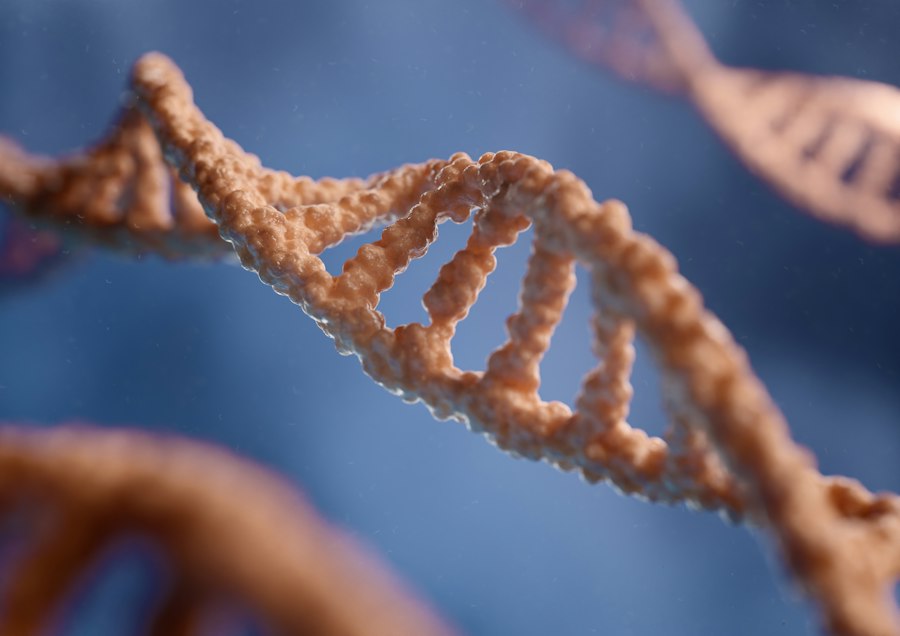
Once DNA data is obtained, the next crucial step is to effectively utilize the available analysis tools and techniques to extract meaningful genealogical information. This involves understanding how to interpret match lists, utilize triangulation, and integrate DNA findings with traditional genealogical research.
Navigating Your DNA Match List
Your DNA match list is a dynamic compilation of individuals who share DNA with you. The sheer volume of matches can be overwhelming, but understanding how to navigate and organize this list is fundamental to successful research. Most DNA testing companies provide tools to sort and filter your matches by estimated relationship, shared centimorgans, and common ancestors.
Sorting and Filtering Matches
Effective sorting and filtering of your match list is the first step in making sense of your DNA results. Start by prioritizing matches with the highest number of shared centimorgans, as these are statistically more likely to be closer relatives. Many platforms allow you to filter by estimated relationship categories (e.g., parent, sibling, first cousin, second cousin). However, remember these are estimates, and the actual relationship can sometimes be different. Filtering by common ancestors listed on shared trees can also be a powerful way to identify relevant matches. Additionally, utilizing search functions within your match list, based on shared surnames or known ancestral locations of your matches, can help you quickly identify individuals who might be on your lines of interest.
Utilizing Shared Matches
The concept of “shared matches” is a cornerstone of genetic genealogy. When you and two other individuals all match each other, it strongly suggests that you all share a common ancestor. By examining the shared matches between you and a specific individual, you can gain further clues about your relationship. If you and a match share a third person who is on your known family tree, it helps to confirm that your match likely descends from that particular branch of your family. Conversely, if you and a match share many individuals who are not on your tree, it indicates that your connection likely lies on a different ancestral line. This shared match analysis is crucial for understanding which branches of your family tree your DNA matches belong to.
The Power of Triangulation
Triangulation is a fundamental technique in genetic genealogy that leverages the principle of shared DNA segments. When you, a DNA match, and another DNA match all share the same segment of DNA, it is highly probable that you inherited that segment from a common ancestor. This is because DNA segments are inherited in chunks, and if multiple individuals share the exact same chunk, it strongly indicates a common source.
Identifying Identical By Descent (IBD) Segments
The goal of triangulation is to identify “Identical By Descent” (IBD) segments. An IBD segment is a portion of DNA that has been inherited from a common ancestor by two or more individuals. DNA testing companies’ algorithms are designed to detect these shared segments and estimate their lengths in centimorgans. When you look at your match list, you will see the total number of centimorgans you share with each match. However, for triangulation, you need to identify specific shared segments. Tools within DNA testing platforms and third-party analysis sites allow you to compare your DNA with multiple matches and visualize overlapping segments.
Applying Triangulation to Your Research
To apply triangulation effectively, you need to identify a DNA match and then look at their shared matches with you. If you find a second match who shares DNA with both you and your initial match, you can then examine the shared DNA segments between all three individuals. If these segments overlap and are of a significant length, it provides strong evidence that you, your first match, and your second match all inherited that segment from a common ancestor. By systematically triangulating segments with multiple matches, you can begin to assign specific segments to specific ancestral lines, thereby confirming or refuting hypotheses about your genealogical connections. This process is particularly valuable for breaking through brick walls where documentary evidence is scarce.
Integrating DNA with Traditional Research
Genetic genealogy is most powerful when it complements, rather than replaces, traditional genealogical research methods. DNA evidence can provide clues and confirmations, but historical records are essential for building a complete and accurate family tree.
Using DNA to Guide Document Discovery
DNA matches can be invaluable in directing your traditional research efforts. If a DNA match has a public family tree that connects to your own, it can point you to specific ancestral surnames, locations, and time periods to investigate further using historical records. Even if a match doesn’t have a tree, their user-provided information (e.g., surname, location) can be a starting point for searching census records, vital records, and other genealogical documents. DNA can help you prioritize which ancestral lines to focus on, saving you time and effort in sifting through potentially irrelevant records.
Verifying Genealogical Findings with DNA
Conversely, DNA can serve as a powerful tool for verifying your existing genealogical research. If you have documented an ancestral line and find DNA matches who are predicted to be related through that line, it provides strong corroboration for your findings. Conversely, if you have a documented connection but your DNA matches do not align with that expected relationship, it signals a potential error in your documentation and warrants further investigation. This iterative process of hypothesis, research, and DNA verification leads to more robust and accurate family histories.
Ethical Considerations and Privacy in Genetic Genealogy

As with any technology that deals with personal information, genetic genealogy carries significant ethical and privacy considerations. Understanding these aspects is paramount for responsible research and for protecting the privacy of yourself and your relatives.
Understanding DNA Privacy Policies
When you submit your DNA to a testing company, you are entrusting them with highly sensitive personal information. It is imperative to thoroughly understand the privacy policies of the DNA testing company you choose. These policies outline how your DNA data will be stored, who will have access to it, and under what circumstances it might be shared.
Data Ownership and Usage
Key aspects of privacy policies to scrutinize include questions of data ownership and usage. Do you retain ownership of your DNA data, or does the testing company acquire rights to it? Will your data be used for research purposes, and if so, will it be anonymized? Some companies may use your data for scientific research, which can benefit the broader understanding of genetics and population history. However, it is important to be aware of this and to consent to such usage only if you are comfortable with it. The ability to download your raw DNA data and transfer it to other platforms can also be a factor in privacy considerations, as it offers you more control over where your data resides.
Anonymization and De-identification
The practice of anonymization and de-identification is crucial for protecting your privacy. Anonymization means removing any personally identifiable information from your DNA data, so that it cannot be linked back to you. De-identification is a similar process. However, it is important to note that complete anonymization of genetic data can be challenging, as unique genetic markers can potentially be used to re-identify individuals, especially when combined with other publicly available information. Understanding the extent to which a company practices anonymization and de-identification is a key factor in assessing their commitment to your privacy.
Consent and Relatives’ DNA
A significant ethical consideration in genetic genealogy involves the DNA of relatives. When you test your DNA, you are not just revealing information about yourself, but also about your close relatives. This raises questions about informed consent.
Obtaining Consent from Living Relatives
When conducting genetic genealogy, it is considered best practice to obtain informed consent from living relatives before testing their DNA or sharing their DNA information. This means explaining to them what the DNA test entails, what kind of information it might reveal, and how their data will be used. Even if you are testing a parent or sibling, it is courteous and ethical to discuss your intentions with them. For more distant relatives, especially if you plan to contact their descendants based on DNA matches, gaining their consent is even more critical.
Ethical Use of Deceased Relatives’ DNA
The ethical considerations extend to the DNA of deceased relatives. If you are using a relative’s DNA sample that was collected prior to their passing, or if you are accessing their DNA data from a testing company account after their death, you should consider their wishes regarding the use of their genetic information. In many cases, obtaining consent from the executor of their estate or from their closest living relatives might be appropriate. The principle of respecting the autonomy and privacy of individuals, even after their death, is a guiding ethical standard.
Navigating Shared Ancestry Databases
Many genetic genealogy platforms allow users to opt-in to sharing their DNA data with other researchers, creating vast databases of shared genetic information. While these databases are incredibly valuable for making connections, they also present privacy challenges.
Opt-in vs. Opt-out Policies
Understanding whether a platform uses an “opt-in” or “opt-out” policy for data sharing is crucial. Opt-in means users must actively choose to share their data, while opt-out means their data is shared by default unless they actively choose not to. Opt-in policies are generally considered more privacy-friendly, as they empower individuals to make a deliberate choice about their data. It is always advisable to be aware of the platform’s data sharing settings and to adjust them according to your comfort level.
Protecting Third-Party Information
When you access DNA match information, you are not only seeing your connection but also information about your matches and potentially their relatives. It is essential to be mindful of protecting the privacy of individuals who are not directly involved in your research. Avoid sharing personal details about your matches or their family members without their explicit consent. The goal is to build accurate family trees, not to inadvertently expose sensitive information about others.
Advanced Techniques for Deeper Discovery
Once foundational best practices are established, advanced techniques can unlock even greater depths of ancestral discovery. These methods often involve more complex analysis, the use of external tools, and a deeper understanding of population genetics.
Utilizing Third-Party Analysis Tools
While DNA testing companies provide excellent platforms for initial analysis, a wealth of third-party tools can enhance your genetic genealogy research. These tools often offer more sophisticated analysis capabilities, greater customization, and the ability to combine data from multiple testing companies.
GEDmatch and DNA Painter
GEDmatch is a widely used third-party platform that allows users to upload raw DNA data from various testing companies. It offers a suite of tools for comparing DNA, identifying overlapping segments, and analyzing ethnicity estimates. GEDmatch can be particularly useful for finding matches who tested with different companies. DNA Painter is another invaluable tool that allows you to visually map your DNA segments to your known ancestors. By coloring segments on a chromosome browser according to their ancestral origin, you can begin to understand which segments come from which side of your family, a process known as “chromosome painting.”
Phasing Your DNA and Identifying Ancestral Segments
Phasing your DNA is a process that separates your chromosomes into maternal and paternal halves. This is crucial for accurately assigning DNA segments to specific ancestors. While some testing companies offer phasing services, third-party tools can also assist. Once phased, you can use tools like DNA Painter to assign specific segments to known ancestors. This allows you to identify “ancestral segments” – segments of DNA that are likely inherited from specific individuals or lines within your family tree. This technique is extremely powerful for confirming documented relationships and for investigating unknown ancestral lines.
Exploring Pedigree Collapse and Endogamy
Pedigree collapse and endogamy are phenomena that can complicate genetic genealogy research, particularly in isolated or closely-knit populations. Understanding these concepts is key to correctly interpreting DNA matches.
Understanding Pedigree Collapse
Pedigree collapse occurs when individuals in a family tree have common ancestors who appear multiple times. This is common in societies where marriage between cousins or relatives was prevalent. In such cases, you might share more DNA with a relative than would be expected based on a simple genealogical calculation. For example, if your parents are second cousins, you will share DNA from both sides of your shared grandparents. This can lead to higher centimorgan (cM) counts with relatives than anticipated, requiring careful genealogical research to untangle the multiple lines of connection.
Identifying and Analyzing Endogamy
Endogamy refers to the practice of marrying within a specific social group, often defined by religion, ethnicity, or geographic location. This can lead to a higher prevalence of shared DNA among individuals from that group, even if they are not closely related genealogically. If you suspect endogamy in your ancestry, you might see a higher number of DNA matches than expected, with many of them sharing smaller amounts of DNA. Analyzing these matches requires careful genealogical research to determine the specific ancestral communities and the extent of intermarriage within those communities. Recognizing endogamy is crucial to avoid misinterpreting shared DNA as closer relationships than they actually are.
Collaborating with Other Researchers
Genetic genealogy is often a collaborative endeavor. Connecting with other researchers, particularly those who share DNA matches with you, can significantly accelerate your progress.
Building Relationships with DNA Matches
When you receive a DNA match, especially one who seems to be on an ancestral line you are investigating, reaching out to them is a valuable step. Start by introducing yourself and explaining your genealogical goals. Be respectful of their privacy and their willingness to collaborate. Sharing information about your known tree can help them see where they might fit in. Sometimes, a match may have information or documents that you lack, and vice versa.
Participating in Surname and Regional Projects
Joining surname or regional DNA projects can be incredibly beneficial. These projects often bring together individuals who share a common surname or ancestral origin. By participating in these projects, you can connect with a concentrated group of researchers focused on specific genealogical areas. These projects can help identify common ancestral lines, share research findings, and even facilitate collaborative efforts to break down genealogical brick walls. The collective knowledge and shared resources within these projects are invaluable for in-depth research.
For those interested in the intersection of genetic genealogy and historical research, a fascinating article explores the secrets of ancient writings and their implications for understanding our ancestry. You can read more about this intriguing topic in the article titled “Unveiling Ancient Scribe Secrets” at Unveiling Ancient Scribe Secrets. This resource provides insights that can enhance your approach to genetic genealogy by highlighting the importance of historical context in tracing lineage.
Documenting and Managing Your Genealogical Data
| Best Practice | Description | Recommended Tools/Resources | Purpose |
|---|---|---|---|
| Document Your Sources | Keep detailed records of where DNA matches and genealogical information come from. | Genealogy software, spreadsheets, citation management tools | Ensures accuracy and allows verification of data |
| Use Multiple DNA Testing Companies | Test with more than one company to access a broader database of matches. | AncestryDNA, 23andMe, MyHeritage, FamilyTreeDNA | Increases chances of finding relevant matches |
| Analyze Segment Data | Examine shared DNA segments to confirm relationships and triangulate matches. | GEDmatch, DNA Painter, segment analysis tools | Improves confidence in genetic relationships |
| Build and Share Family Trees | Create detailed family trees and share with DNA matches for collaboration. | FamilySearch, Ancestry, MyHeritage family tree builders | Facilitates connection and verification of common ancestors |
| Respect Privacy and Ethics | Obtain consent before sharing DNA data and respect others’ privacy preferences. | Ethical guidelines, privacy policies of testing companies | Maintains trust and legal compliance |
| Use Chromosome Browsers | Visualize shared DNA segments to better understand genetic relationships. | FamilyTreeDNA chromosome browser, GEDmatch tools | Helps identify specific shared DNA regions |
| Verify Matches with Traditional Research | Corroborate DNA findings with historical records and documents. | Census records, birth/marriage/death certificates, archives | Confirms genetic evidence with documented genealogy |
| Stay Updated on Genetic Genealogy Advances | Follow latest research, tools, and best practices in the field. | Blogs, webinars, conferences, genetic genealogy societies | Ensures use of current and effective methods |
The meticulous documentation and organization of your genealogical data are as critical as the DNA analysis itself. Without proper record-keeping, the insights gained from DNA testing can become lost or muddled.
Creating a Robust Family Tree
Your family tree is the central repository for all your genealogical findings, both traditional and genetic. It should be a living document that is regularly updated and meticulously maintained.
Software and Online Platforms
Numerous genealogical software programs and online platforms are available to help you build and manage your family tree. Popular options include Ancestry.com, MyHeritage, FamilySearch, and dedicated desktop software like RootsMagic and Legacy Family Tree. These tools allow you to input biographical data, add sources for all information, and link DNA matches to specific individuals in your tree. Choosing a platform that allows for robust sourcing and the ability to attach documents and media is essential.
Sourcing and Citations
Accurate sourcing is the bedrock of reliable genealogy. For every piece of information you add to your family tree, you must cite its source. This includes birth, marriage, and death certificates, census records, obituvers, wills, land records, and, importantly, DNA evidence. Proper citations allow you to retrace your steps, verify information, and demonstrate the reliability of your research. When incorporating DNA findings, cite the DNA test provider, the specific match, the shared centimorgan count, and the date of analysis. This allows others (and yourself in the future) to understand the basis of your conclusions.
Organizing and Storing Your DNA Data
Beyond your family tree, it is crucial to have a systematic approach to organizing and storing your raw DNA data and analysis results.
Downloading and Backing Up Raw DNA Files
Most DNA testing companies allow you to download your raw DNA data file. This file contains the entirety of your genetic information as interpreted by the company’s algorithms. It is highly recommended to download this file and store it securely in multiple locations, such as on an external hard drive and cloud storage services. This backup ensures that you have your data even if the testing company goes out of business or changes its data policies.
Maintaining Records of DNA Matches and Analysis
Keep detailed records of your DNA matches, including their usernames, shared centimorgan counts, estimated relationships, and any notes you have made about your potential connection. Consider creating a dedicated spreadsheet or database to track this information. Similarly, keep records of your analysis sessions, including which matches you triangulated, what conclusions you drew, and any challenges you encountered. This organized approach will prevent you from having to repeat analyses and will make it easier to revisit your research as new information or tools become available.
Visualizing and Presenting Your Findings
Once you have gathered and organized your genealogical data, presenting it in a clear and understandable way is the final step. This can range from personal family trees to more formal reports.
Creating Visual Family Charts
Various genealogical software and online platforms offer tools to create visually appealing family charts. These can include traditional pedigree charts, descendant charts, and fan charts. These charts provide a clear overview of your family history and can be a wonderful way to share your research with family members who may not be as technically inclined. Attaching DNA-confirmed relationships to individuals on these charts can add another layer of evidence and interest.
Writing Research Reports and Summaries
For more complex genealogical investigations, or when presenting findings to others, writing research reports or summaries can be very effective. These reports can detail specific ancestral lines, explain the evidence used (including DNA findings), and articulate any conclusions or hypotheses. Clearly explaining the role of DNA in your research, and how it supports or clarifies traditional documentary evidence, is crucial for a comprehensive presentation of your family history. Such reports can be invaluable for future reference and for sharing with other researchers.

The Lincoln DNA Study: Why the Internet is Wrong
FAQs
What is genetic genealogy?
Genetic genealogy is the use of DNA testing in combination with traditional genealogical and historical records to infer relationships between individuals and determine ancestry.
How can genetic genealogy help in tracing family history?
Genetic genealogy can help in tracing family history by providing information about one’s ethnic origins, connecting with distant relatives, confirming or disproving existing genealogical research, and breaking through brick walls in traditional research.
What are some best practices for genetic genealogy testing?
Best practices for genetic genealogy testing include researching and choosing a reputable testing company, understanding the different types of tests available, carefully reading and understanding the terms and conditions, and considering the potential emotional impact of unexpected results.
How can privacy be maintained in genetic genealogy testing?
Privacy in genetic genealogy testing can be maintained by using a pseudonym or initials when sharing results online, being cautious about sharing personal information in public forums, carefully reviewing the privacy policies of testing companies, and considering the implications of sharing DNA data with third-party sites.
What should be done with genetic genealogy test results?
Genetic genealogy test results should be carefully analyzed and interpreted in conjunction with traditional genealogical research, shared responsibly with family members, used to connect with potential relatives, and stored securely to protect sensitive genetic information.