The Double Helix of History: How Genetic Genealogy Rewrites the Past
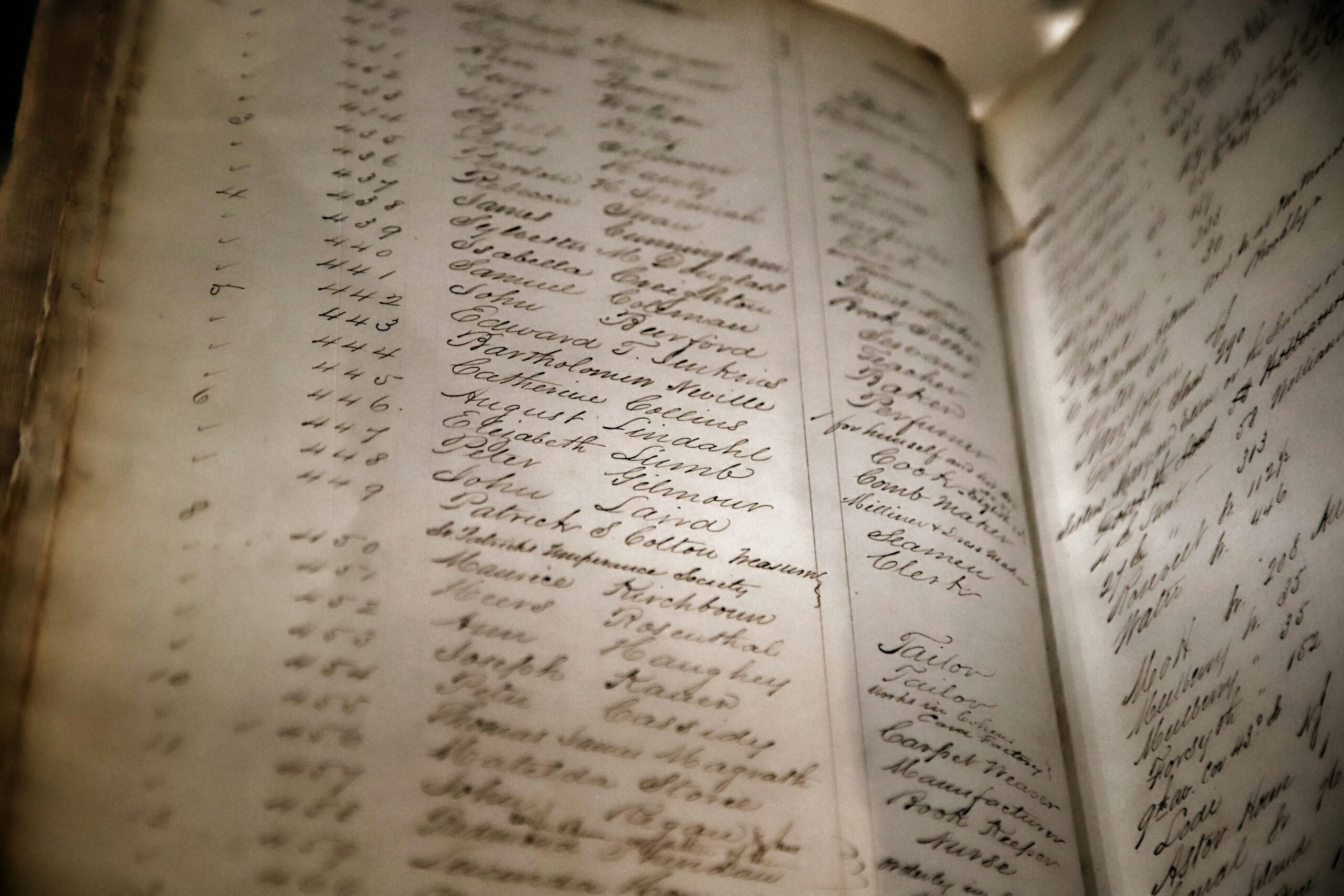
For centuries, historians have meticulously pieced together the human story through dusty archives, fading manuscripts, and the silent pronouncements of archaeological digs. They have traced lineages through meticulously crafted family trees, relied on the often biased accounts of chroniclers, and inferred societal structures from the remnants of material culture. Yet, a silent revolution has been brewing, one that bypasses the paper trail and delves directly into the very blueprint of humanity: DNA. Genetic genealogy, once a niche pursuit for amateur enthusiasts, is rapidly becoming an indispensable tool in the historian’s arsenal, offering unprecedented insights into migration patterns, family relationships, population dynamics, and the very fabric of our shared past. This interdisciplinary field is not merely confirming existing historical narratives; it is challenging them, enriching them, and in some cases, fundamentally rewriting them.
The advent of accessible and affordable DNA testing has democratized historical inquiry, empowering individuals to connect with their ancestral roots in ways previously unimaginable. For historians, this translates into a vast, untapped reservoir of data, capable of illuminating dark corners of history, corroborating oral traditions, and even uncovering entirely new narratives. The power of genetic genealogy lies in its ability to provide empirical evidence for events and relationships that have long been debated, speculated upon, or lost to the mists of time. It offers a tangible, biological dimension to the often abstract and interpretive world of historical research, creating a powerful synergy between the humanities and the sciences.
Genetic genealogy has emerged as a powerful tool for historians, enabling them to uncover ancestral connections and trace lineage in ways that traditional methods cannot. For those interested in the implications of truth and perception in historical narratives, the article “The Illusion of Truth: How Power Conceals Reality” offers a thought-provoking perspective on how narratives are shaped and manipulated. This exploration can provide valuable context for understanding the role of genetic data in reconstructing history and the potential biases that may arise. To read more about this intriguing intersection of power and truth, visit the article here: The Illusion of Truth: How Power Conceals Reality.
Unraveling Ancestral Journeys: The Power of Genetic Markers

At its core, genetic genealogy leverages the inherent heritability of DNA to trace familial relationships and reconstruct ancestral origins. Unlike traditional genealogical methods, which rely on documented evidence that can be incomplete, biased, or lost, DNA provides a direct link to our biological ancestors. This is achieved through the analysis of specific genetic markers, each carrying unique clues about our heritage. The most commonly utilized types of DNA for genealogical purposes are autosomal DNA, Y-chromosome DNA, and mitochondrial DNA, each offering distinct avenues of exploration.
Autosomal DNA: The Broad Spectrum of Ancestry
Autosomal DNA, inherited from both parents, is the most comprehensive for tracing recent ancestry, typically within the last five to seven generations. It comprises the vast majority of our DNA and is passed down in chunks from our parents, grandparents, and so on. When individuals share autosomal DNA, it indicates they share a common ancestor. Genetic genealogy companies analyze these shared DNA segments and compare them to vast databases of other users, allowing for the identification of potential relatives and estimations of the ethnicity of our ancestors based on the geographic distribution of specific genetic markers. For historians, this opens up a powerful new way to understand migration patterns and the movement of populations. By analyzing the autosomal DNA of individuals from different regions and time periods, researchers can identify genetic admixtures that reflect historical population movements, such as the Roman Empire’s expansion, the Viking voyages, or the Silk Road trade routes. This data can confirm or challenge existing theories about the origins and dispersal of ancient peoples, providing a biological validation for historical movements.
Y-Chromosome DNA: Tracing the Patrilineal Line
The Y-chromosome is passed down virtually unchanged from father to son. This makes Y-DNA testing an invaluable tool for tracing a direct paternal lineage, stretching back hundreds of thousands of years. By analyzing specific mutations on the Y-chromosome, known as Single Nucleotide Polymorphisms (SNPs), researchers can assign individuals to specific haplogroups, which represent large ancestral populations with a common paternal ancestor. For historical research, Y-DNA can shed light on the origins and migration routes of ancient patrilineal groups. For instance, studies of Y-DNA haplogroups have provided compelling evidence for the spread of early human populations out of Africa, the expansion of Indo-European language families, and the peopling of continents. Historians can use this data to corroborate or re-evaluate theories about the ancestral homelands of various ethnic groups and the paths they took across the globe.
Mitochondrial DNA: The Maternal Thread Through Time
Mitochondrial DNA (mtDNA) is inherited solely from the mother, passed down through the egg cell. Like Y-DNA, mtDNA is inherited with minimal recombination and mutation, making it excellent for tracing deep maternal ancestry. mtDNA analysis also identifies haplogroups, representing maternal lineages that can be traced back tens of thousands of years. For historical studies, mtDNA offers a unique perspective on female migration patterns and the genetic contributions of women to ancient populations. It can help researchers understand how maternal lines spread across continents, the genetic diversity within ancient communities, and the extent to which women participated in major migrations. For example, mtDNA studies have been instrumental in understanding the settlement of the Americas, the peopling of Australia, and the genetic history of various island populations, often revealing patterns that differ from those observed in patrilineal Y-DNA studies.
Bridging the Gap: Genetic Data Meets Historical Records

The true power of genetic genealogy for historians lies not in the DNA data alone, but in its integration with traditional historical research. DNA provides the biological framework, while historical records offer the context, the narratives, and the documented evidence of human activity. This synergy allows for a more comprehensive and nuanced understanding of the past.
Corroborating and Challenging Existing Narratives
Genetic data can act as a powerful validator or a disruptive force in established historical narratives. For example, if historical records suggest a particular migration event or population interaction, genetic studies can provide biological evidence to support or refute these claims. Conversely, genetic findings can sometimes challenge long-held beliefs. Perhaps a group believed to have originated from one region shows strong genetic links to another, prompting historians to re-examine their documentary evidence and search for explanations. The discovery of unexpected genetic admixtures within a population can lead to the reinterpretation of historical events, suggesting previously unknown contacts or exchanges between groups. This iterative process of comparing genetic evidence with documentary evidence is crucial for refining our understanding of historical processes.
Illuminating Unwritten Histories
While written records are invaluable, they often represent the perspectives of the powerful and can omit the experiences of marginalized groups, women, or ordinary people. Genetic genealogy, by revealing deep ancestral connections, can bring these “unwritten histories” to light. It can demonstrate the shared ancestry of groups that may have been historically separated or in conflict, revealing a deeper biological unity. It can also identify the genetic legacy of populations whose histories have been lost or suppressed. For example, genetic studies have been crucial in understanding the diaspora of African populations, tracing their ancestral origins and migration routes, and providing biological evidence for their historical resilience and dispersal. Similarly, genetic data can help reconstruct the genetic heritage of indigenous populations whose histories have been largely oral or poorly documented.
Uncovering the Social and Political Landscape
Beyond simple migration patterns, genetic data can offer insights into the social and political structures of past societies. For instance, the analysis of Y-DNA and mtDNA within ancient burial sites can reveal patterns of kinship, social stratification, and marriage practices. If certain Y-DNA haplogroups are found predominantly in elite burials, it might suggest patrilineal inheritance of status or power. Conversely, variations in mtDNA could indicate the movement of women between communities, shedding light on alliance-building or exogamy. Furthermore, genetic studies can help identify the genetic impact of historical events like conquests, enslavement, or forced migrations, revealing the complex tapestry of human interaction and its lasting biological consequences.
Methodological Considerations and Ethical Frontiers
The integration of genetic genealogy into historical research is not without its challenges and ethical considerations. As the field matures, historians and geneticists must grapple with methodological complexities and ensure responsible and ethical application of this powerful technology.
The Limitations of DNA Data
It is crucial to acknowledge that DNA data is not a perfect historical record. Genetic inheritance is complex, and DNA testing has limitations. Autosomal DNA can only trace back a certain number of generations with high confidence. Y-DNA and mtDNA, while excellent for deep ancestry, only represent specific lineages and may not reflect the full genetic diversity of an individual’s ancestors. Furthermore, the interpretation of ethnicity estimates provided by genetic genealogy companies can be imprecise and can vary between companies due to different reference populations and algorithms. Historians must be mindful of these limitations and avoid drawing overly simplistic conclusions solely from genetic data. DNA should be viewed as one piece of the puzzle, to be integrated with other forms of evidence, rather than a definitive answer.
Navigating the Ethics of Ancestry Research
The ethical implications of genetic genealogy for historical research are profound. The retrieval and analysis of DNA from ancient remains raise questions about consent, respect for the dead, and the potential for misinterpretation or misuse of genetic information. When studying historical populations, especially those with a history of exploitation or discrimination, it is imperative to approach the research with sensitivity and respect. Historians must consider the potential impact of their findings on living descendant communities and engage in collaborative research where possible. Transparency in methodology, clear communication of results, and a commitment to avoiding harmful stereotypes or generalizations are paramount. The potential for genetic data to be used to fuel racist ideologies or divisive narratives necessitates a vigilant and ethically grounded approach to its interpretation and dissemination.
The Future of Interdisciplinary Collaboration
The burgeoning field of genetic genealogy for historians represents a powerful testament to the value of interdisciplinary collaboration. As historians increasingly engage with geneticists, anthropologists, and other scientists, new avenues of research will undoubtedly emerge. The development of more sophisticated analytical tools, the creation of larger and more diverse genetic databases, and the refinement of interpretive methodologies will continue to push the boundaries of what we can learn about our past. The ongoing dialogue between these fields promises to unlock even deeper insights into the human story, enriching our understanding of who we are and how we came to be. The convergence of the humanities and the sciences offers a potent pathway to a more complete and accurate historical narrative.
Genetic genealogy has become an invaluable tool for historians seeking to uncover the intricate tapestry of human ancestry and migration patterns. By analyzing DNA, researchers can trace lineage and establish connections that traditional records may overlook. A fascinating example of this can be found in the context of Belgian history, where the cultural and historical distinctions between regions like Flanders and Wallonia play a significant role in understanding the nation’s past. For a deeper dive into the complexities of Belgian identity and its historical implications, you can explore this related article on the Battle of Belgium.
Case Studies: Genetic Genealogy in Action
| Metric | Description | Relevance to Historians | Example Data |
|---|---|---|---|
| Y-DNA Haplogroups | Genetic markers passed from father to son | Tracing paternal lineage and migration patterns | R1b, I1, E1b1a |
| mtDNA Haplogroups | Genetic markers passed from mother to offspring | Tracing maternal lineage and ancient population movements | H, U5, L3 |
| Autosomal DNA Matches | Shared DNA segments inherited from all ancestors | Identifying recent relatives and family connections | Shared centimorgans (cM) values, e.g., 50 cM |
| Genetic Distance | Measure of genetic difference between individuals | Estimating time to most recent common ancestor | 0-10 mutations difference |
| Ethnicity Estimates | Percentage breakdown of ancestral origins | Contextualizing historical migration and admixture | 40% Western European, 30% East Asian |
| Ancient DNA Samples | Genetic data from archaeological remains | Comparing modern populations to historical groups | Neolithic farmer genomes, Bronze Age samples |
| Mutation Rate | Frequency of genetic mutations over generations | Calibrating timelines for genealogical events | 1 mutation per 100 years (approx.) |
The theoretical power of genetic genealogy is best illustrated through real-world applications. Numerous historical questions, once confined to speculative debate, are now being illuminated by DNA evidence. These case studies demonstrate the tangible impact of genetic genealogy on our understanding of the past.
The Peopling of the Americas: A Genetic Retelling
For decades, the prevailing theory for the peopling of the Americas posited a single migration event across the Bering Land Bridge. However, genetic studies, analyzing both indigenous American DNA and ancient Siberian DNA, have painted a more complex picture. Autosomal DNA studies have revealed a distinct Native American genetic cluster, suggesting a unique founder population. Furthermore, Y-DNA and mtDNA analyses have indicated multiple, potentially earlier, migration waves, and a period of isolation for the nascent populations before their dispersal across the continents. This genetic evidence has prompted historians and archaeologists to re-examine the timelines and routes of human migration into the Americas, suggesting a more nuanced and protracted settlement process than previously understood. The genetic data has provided a biological underpinning for the incredible diversity of indigenous cultures and languages found across the Americas, hinting at deep genetic roots and divergent evolutionary paths.
Tracing the Migrations of Ancient Europeans
The genetic landscape of Europe is a complex mosaic, shaped by millennia of migrations and interactions. Genetic genealogy has played a pivotal role in unraveling these movements. For example, studies of ancient DNA from Neolithic farmers migrating into Europe from Anatolia have provided direct evidence of their genetic contribution to modern European populations, challenging earlier theories that emphasized later Indo-European migrations as the primary source of European ancestry. Similarly, the analysis of Y-DNA haplogroups has provided strong support for the widespread expansion of Indo-European speakers across the continent, linking specific haplogroups to the spread of these language families. Genetic studies have also illuminated the genetic impact of historical events such as the Roman Empire’s expansion, the Germanic migrations, and the Viking Age, demonstrating how these historical movements left lasting genetic imprints on the populations of Europe.
Uncovering the Hidden Ancestry of Diaspora Communities
For diaspora communities, whose ancestral homelands may be distant or whose historical records are fragmented, genetic genealogy offers a powerful tool for reconnecting with their heritage. For instance, genetic studies have been instrumental in tracing the origins and dispersal of Jewish populations worldwide, revealing genetic connections between Ashkenazi, Sephardi, and Mizrahi Jewish communities, as well as their shared ancestry with ancient Near Eastern populations. Similarly, the genetic history of the Romani people, often subject to prejudice and misinformation, has been illuminated by DNA studies that confirm their origins in the Indian subcontinent and trace their complex migration routes across continents. These studies not only provide biological confirmation of historical narratives but also offer a sense of identity and belonging to communities who have faced historical displacement and persecution.
The Evolving Landscape of Historical Inquiry
The integration of genetic genealogy into historical research is not a static phenomenon; it is a rapidly evolving field with the potential to transform how we understand the human past. As technology advances and methodologies become more sophisticated, the scope and depth of historical inquiry will expand exponentially.
Advancements in DNA Analysis Technologies
The continuous development of more sensitive and precise DNA sequencing technologies is at the forefront of this evolution. Next-generation sequencing (NGS) allows for the analysis of degraded ancient DNA samples with greater accuracy and efficiency. Innovations in ancient DNA extraction and purification techniques are enabling researchers to retrieve genetic material from increasingly challenging environments and historical periods. Furthermore, the development of advanced computational tools and algorithms is enhancing the interpretation of complex genetic data, allowing for more nuanced insights into population structure, admixture events, and evolutionary relationships. The ability to analyze larger datasets and to extract more detailed information from each genetic sample will undoubtedly lead to new discoveries and a more granular understanding of historical processes.
The Rise of Citizen Science and Collaborative Projects
The increasing accessibility of DNA testing has fostered a burgeoning citizen science movement in genealogy. Millions of individuals are now participating in genetic genealogy, creating vast databases of personal genetic information. This collective effort, often facilitated by online platforms and collaborative projects, is proving invaluable for historical research. Historians can leverage these databases to identify individuals with specific ancestral profiles, recruit participants for targeted studies, and even collaborate with citizen genealogists who have extensive documentary research on particular families or regions. This democratization of genetic data allows for the exploration of historical questions that might have been impossible for traditional academic research alone, fostering a more inclusive and collaborative approach to historical discovery.
Ethical Frameworks and Responsible Data Management
As genetic genealogy becomes more integrated into historical research, the development of robust ethical frameworks and responsible data management practices is paramount. The collection, storage, and use of genetic information, particularly from historical populations and living descendant communities, requires careful consideration of privacy, consent, and the potential for misuse. Historians and geneticists must work together to establish clear guidelines for data sharing, anonymization, and the ethical handling of sensitive ancestral information. Ensuring that genetic research is conducted in a manner that respects the dignity of past individuals and the rights of present-day communities is essential for the long-term integrity and societal acceptance of this transformative field. The future of genetic genealogy for historians hinges on a commitment to both scientific rigor and ethical responsibility, ensuring that the pursuit of knowledge serves to illuminate, rather than exploit, our shared human story.

The Lincoln DNA Study: Why the Internet is Wrong
FAQs
What is genetic genealogy?
Genetic genealogy is the use of DNA testing in combination with traditional genealogical and historical records to infer relationships between individuals and determine ancestry.
How can genetic genealogy benefit historians?
Genetic genealogy can provide historians with new insights into family connections, migration patterns, and population movements that may not be evident from historical records alone.
What types of DNA tests are commonly used in genetic genealogy?
The most common types of DNA tests used in genetic genealogy are autosomal DNA tests, Y-DNA tests, and mitochondrial DNA tests, each providing different types of genetic information for genealogical research.
What are some limitations of genetic genealogy for historians?
Limitations of genetic genealogy for historians include the potential for misinterpretation of results, privacy concerns related to DNA testing, and the inability to provide a complete picture of an individual’s ancestry or history.
How can historians incorporate genetic genealogy into their research?
Historians can incorporate genetic genealogy into their research by collaborating with genetic genealogists, using DNA testing to confirm or refute historical hypotheses, and integrating genetic findings with traditional historical research methods.