The allure of DNA testing for genealogical purposes has exploded in recent years, promising to unlock ancestral secrets and connect individuals to their heritage like never before. Companies market their services with evocative imagery of ancient migrations, long-lost relatives, and definitive answers to lineage questions. While the technology is undoubtedly powerful and has revolutionized the field of genealogy, it is also a landscape ripe with misconceptions. Many individuals embark on this journey with expectations that are either too high or fundamentally misaligned with what genetic genealogy can actually deliver. Understanding the capabilities and limitations of DNA tests is crucial for a rewarding and accurate genealogical experience, preventing disappointment and misinterpretation of results.
Decoding the Ancestral Blueprint: What DNA Tests Primarily Uncover
At its core, genetic genealogy utilizes your DNA to infer ancestral origins and identify genetic relatives. The primary types of DNA tests used for genealogical purposes are autosomal, Y-DNA, and mitochondrial DNA (mtDNA) tests. Each targets a different part of your genetic inheritance and therefore reveals distinct aspects of your ancestry. Autosomal DNA, inherited from both parents, is the most common type tested by consumer genetic genealogy companies. It provides a snapshot of your ancestry across your entire genome, offering insights into your ethnic composition and identifying relatives who share a common ancestor within the last several hundred years. Y-DNA, passed down exclusively from father to son, traces the paternal lineage, while mtDNA, inherited from mother to child, follows the maternal line. While these tests are powerful tools, their interpretation requires careful consideration of what they actually reveal, not what one might wish them to reveal.
Ethnic Origins: A Patchwork of Probabilities
One of the most sought-after aspects of genetic genealogy is the breakdown of ethnic origins. Companies provide percentages attributed to various geographical regions, such as “Irish and Scottish,” “Italian,” “West African,” or “East Asian.” It is vital to understand that these percentages are not definitive ethnic classifications in a strict anthropological sense. Instead, they represent estimates based on comparison with reference populations. When you submit your DNA, it is compared against databases of individuals whose ancestors have lived in specific regions for many generations. If your DNA shares a significant number of genetic markers with individuals in, say, the “Scandinavian” reference group, the company will assign a percentage of Scandinavian ancestry to you.
The Fluidity of Ethnicity Percentages
A significant misconception is that these ethnic percentages are static and absolute. In reality, they can fluctuate between different testing companies and even between updates from the same company. This is because reference populations are constantly being refined and expanded. As more data is collected and sophisticated algorithms are developed, the way your DNA is assigned to a particular region can change. For example, a test taken five years ago might have shown 10% “Eastern European,” while a re-test today, with updated reference panels, might show 8% “Polish” and 2% “Russian,” or even a different regional breakdown altogether. This is not an indication of your DNA changing, but rather of the ongoing evolution of the reference databases and analytical methods. Furthermore, many ancestral populations were not geographically isolated for millennia. Ancestors from neighboring regions frequently intermingled, meaning that a given percentage might represent a blend of closely related ancestral groups rather than a single, distinct ethnicity.
Regional Specificity Versus Broad Strokes
The level of regional specificity in ethnicity estimates varies greatly. Some companies can provide granular breakdowns to specific countries or even sub-regions, while others offer broader continental categories. It is crucial to remember that even detailed regional estimates are still probabilities. Your DNA might show a high percentage of ancestry from the “British Isles,” but this encompasses a vast geographical area with a complex history of migration and intermingling. Pinpointing a single village or even a specific county with high certainty from autosomal DNA alone is often not feasible without corroborating genealogical research.
Identifying Genetic Relatives: A Network of Connections
Beyond ethnic origins, genetic genealogy excels at identifying individuals who share common ancestors with you. When you opt-in to the DNA matching feature, the testing company compares your DNA with that of other users in their database. If you share a significant amount of DNA with someone, it strongly suggests that you are related. The amount of DNA you share is used to estimate the relationship, such as a parent-child, sibling, first cousin, or more distant cousin. This is where genetic genealogy truly shines, as it can uncover relatives that traditional genealogical research might miss, especially when immigration or lost records create gaps.
The Cousins of Convenience and Clarity
The concept of “cousin” in genetic genealogy can be a source of confusion. Geneticists and genealogists use precise terminology to describe the amount of shared DNA, which then translates into predicted relationships. For instance, sharing approximately 7-10% of your DNA suggests a sibling relationship, while sharing 1.5-2.5% typically indicates a third or fourth cousin. However, the actual genealogical relationship can be more complex due to the way DNA is inherited. Two individuals might share the same amount of DNA but be related in slightly different ways (e.g., first cousins once removed versus second cousins). Furthermore, not all individuals who share DNA with you will appear in the matching list. This is because the algorithms set a threshold for detecting matches, and very distant relatives might share too little DNA to be flagged.
The Importance of the Shared DNA Metric
The key metric for understanding your relationship to a match is the amount of centiMorgans (cM) shared. CentiMorgans are units of genetic distance, and a higher number of shared cM generally indicates a closer relationship. However, even with cM data, predicting the exact relationship can be challenging. The inheritance of DNA is random; you will not inherit exactly 50% of your DNA from each of your four grandparents. Consequently, even siblings can share varying amounts of DNA. Genetic genealogy platforms provide tools to help you estimate relationships based on shared cM, but these are statistical probabilities.
Genetic genealogy has become an increasingly popular tool for tracing ancestry and understanding genetic heritage, yet many misconceptions persist about its accuracy and implications. For a deeper exploration of how knowledge and power intersect in the realm of genealogy and ancestry, you may find the article “Power and Knowledge: Ancient Elites Control” insightful. It discusses the broader themes of control and information dissemination, which can also apply to the understanding of genetic data. You can read the article here: Power and Knowledge: Ancient Elites Control.
The Boundaries of Insight: What DNA Tests Cannot Fully Reveal

While the capabilities of genetic genealogy are impressive, it is equally important to acknowledge its limitations. Expecting definitive answers to every genealogical question, particularly those concerning deep ancestry or obscure family branches, can lead to disappointment. Understanding these boundaries allows for a more realistic approach to genealogical research.
Deep Ancestry: Reaching the Limits of Current Technology
The further back in time you go, the more diluted your ancestral connections become. While autosomal DNA can reliably identify relatives within the last 5-7 generations, pinpointing specific ancestors or ethnic groups from thousands of years ago is considerably more challenging and often relies on probabilistic inference rather than direct evidence. The further back you go, the more ancestors you have, and the less DNA you inherit from any single one of them. By the time you reach the 10th generation, you have 1024 ancestors. The amount of DNA inherited from any individual ancestor in that generation is, on average, very small.
The “Ancient” and the Abstract
Many companies offer “ancient” or “deep ancestry” reports, claiming to trace your lineage back to prehistoric times. While these reports can be intriguing, they are often based on comparisons with very broad ancestral populations or on the analysis of Y-DNA and mtDNA haplogroups, which represent long, slow migratory paths rather than precise ancestral individuals. For instance, a Y-DNA haplogroup might indicate that your paternal lineage originated in Siberia thousands of years ago, but it does not tell you the name of your ancestor who lived 10,000 years ago, nor does it provide specific details about their life. These are broad strokes of human migration, not specific family trees.
The Ghost of Ancestors Past
The concept of “deep ancestry” often conjures images of direct ancestral lines. However, due to the random nature of inheritance, the DNA you have today is a random sample of your ancestral heritage. It is possible to inherit DNA from one ancestor in a particular time period and not from another, even if they are equally distant. Therefore, while your Y-DNA or mtDNA might point to a specific ancient lineage, your autosomal DNA might not show a significant trace of that same lineage, simply because you did not inherit the relevant DNA segments. This is particularly true when considering very ancient migrations.
Unraveling the Mysteries of Specific Pedigree Paths
While genetic genealogy can reveal the existence of relatives, it often struggles to provide the specific details of their lives or the precise path of your lineage. For instance, if you discover a close genetic match, the DNA test itself will not tell you the name of your shared great-great-grandparent or the year they immigrated. This information requires traditional genealogical research, such as examining census records, birth certificates, and family histories. The DNA provides the breadcrumbs; it’s up to you to follow them using other resources.
The Silence of the Unrecorded Lives
Many of our ancestors lived lives that were largely unrecorded. Births, marriages, and deaths were not always meticulously documented, especially for common folk, those who lived in remote areas, or during periods of social upheaval. DNA can connect you to a relative, but if that relative’s existence is not documented in surviving records, the DNA match will remain a genetic connection without a name or a story. This can be a source of frustration for those hoping for definitive answers about every branch of their family tree.
The Nuances of Inheritance and the Absence of Exact Duplication
You do not inherit the exact same DNA as your siblings. While siblings share a significant portion of their DNA, there are differences. This means that certain ancestral segments or connections that appear in one sibling’s DNA might not be present in another’s, or vice versa. This phenomenon, known as Mendelian inheritance, can lead to different perceived ancestral components or different distant matches between siblings. It underscores that genetic genealogy provides a probabilistic view of your heritage, not a perfect replication of your parents’ or siblings’ genetic makeup.
Navigating the Ethical Landscape: Privacy and Data Security
As with any technology that handles personal biological information, genetic genealogy raises significant ethical considerations, particularly concerning privacy and data security. Individuals entrust companies with some of the most intimate details of their biological identity, and it is essential to understand how this data is protected and potentially used.
The Digital Footprint of Your Genes
When you submit your DNA for testing, you are creating a permanent digital record of your genetic material. This data is stored by the testing company and is used to generate your ethnicity estimates and identify potential relatives. The terms of service for these companies often grant them broad rights to use your de-identified data for research and development purposes, which can include improving their algorithms or even contributing to scientific studies. Understanding these policies is crucial before proceeding with a test.
The Spectrum of Data Ownership
The question of who owns your DNA data is complex. While you are the source of the DNA, the testing company manages the digital representation of that data. Most companies state that you retain ownership of your raw DNA data, but they also have licenses to use it. It is important to differentiate between having access to your raw data and having complete control over its dissemination. Some individuals choose to download their raw data and upload it to other platforms to expand their potential for matches, but this also means distributing their data across multiple databases, each with its own privacy policies.
The Potential for Unforeseen Uses
The long-term implications of widespread genetic data collection are still being understood. While current uses are primarily focused on genealogical research, the potential for other applications exists. Law enforcement agencies have, in some instances, used publicly available genetic genealogy databases to identify suspects in criminal investigations, sometimes without the consent of the individuals whose DNA is being searched. This practice has sparked considerable debate about the ethical boundaries of using genetic data for non-genealogical purposes.
The Right to Be Forgotten, Or Not
The concept of the “right to be forgotten” is particularly relevant in the context of genetic genealogy. While some companies allow users to request the deletion of their DNA data and associated account information, the process and the extent of deletion can vary. It is important to investigate a company’s data deletion policy thoroughly. Even if your data is deleted from a company’s primary database, it is possible that de-identified data may have already been used in research or shared with third parties, making complete erasure challenging.
The Synergy of Science and Genealogy: Complementary Approaches
Genetic genealogy is not a standalone solution for understanding your family history. Its true power lies in its ability to complement and enhance traditional genealogical research. By combining DNA analysis with documentary evidence, individuals can build a more complete and accurate picture of their ancestors.
Bridging the Gaps with Documentary Evidence
DNA can provide clues, but it rarely tells the whole story. If a DNA match reveals a connection to a previously unknown branch of the family, the next step is to use traditional research methods to identify the individuals involved and their place in your family tree. This involves delving into archives, libraries, and online historical records to find birth, marriage, death, census, probate, and military records. These documents can provide names, dates, locations, occupations, and other vital details that bring your ancestors to life.
The Validation and Verification Process
Genetic matches serve as a powerful tool for validating existing genealogical research. If you have a suspected ancestor, and you find a DNA match to someone who also appears to be descended from that same ancestor, it significantly strengthens the likelihood of your hypothesis. Conversely, if your DNA results contradict a long-held family belief, it may prompt a re-examination of the documentary evidence. This iterative process of DNA analysis and documentary research is key to accurate genealogical discovery.
Building a Robust Family Tree
The most effective use of genetic genealogy involves building a comprehensive family tree that integrates both genetic and documentary findings. By identifying common ancestors with your matches and then researching those ancestors in historical records, you can systematically expand and verify your family tree. This approach helps to distinguish between close relatives identified by DNA and more distant connections, allowing for a clearer understanding of your ancestral lineage.
The Limitations of Raw DNA Data Alone
It is crucial to reiterate that raw DNA data, while informative, requires interpretation. Simply looking at a list of ethnic percentages or a list of DNA matches without further research is akin to having pieces of a puzzle without knowing what the final picture should be. The value of genetic genealogy is maximized when it is used in conjunction with other genealogical tools and methodologies.
The Contextualization of Genetic Clues
A DNA match is a clue, not a conclusion. For example, a match to someone who shares 200 cM with you suggests a relationship akin to a first cousin or a half-sibling. However, without further research, you won’t know which ancestor you share. It could be through your mother’s side, your father’s side, or a combination. Documentary research is essential to contextualize these genetic clues and determine the exact genealogical relationship.
The Art of Genealogical Sleuthing
Genetic genealogy has revitalized the practice of genealogical sleuthing. It provides new avenues for investigation and helps researchers overcome brick walls that might have previously seemed insurmountable. The combination of scientific insight and historical detective work offers a unique and deeply rewarding journey into the past.
Genetic genealogy has gained popularity in recent years, but many misconceptions still surround its use and implications. For a deeper understanding of how genetic information can be misinterpreted, you might find it helpful to explore a related article that discusses the evolving landscape of technology and its impact on various fields. This article highlights the importance of accurate information in the context of advancements in genetic research and its applications. You can read more about it in this insightful piece on embracing the future.
Future Frontiers and Evolving Expectations
| Misconception | Description | Common Impact | Clarification |
|---|---|---|---|
| DNA tests provide complete family history | Belief that genetic tests reveal full genealogical background | Overreliance on DNA results, neglecting traditional records | DNA tests show genetic relationships but do not replace historical documents |
| All relatives share the same DNA segments | Assuming all relatives inherit identical DNA segments | Misinterpretation of genetic matches and relationship predictions | Relatives share varying amounts of DNA; inheritance is random |
| Ethnicity estimates are exact | Belief that ethnicity percentages are precise and definitive | Misunderstanding of ethnic background and identity | Ethnicity estimates are approximations based on reference populations |
| Y-DNA and mtDNA tests trace entire ancestry | Thinking paternal or maternal line tests cover all ancestors | Ignoring other ancestral lines and incomplete picture | Y-DNA and mtDNA trace only direct paternal or maternal lines respectively |
| DNA matches always indicate close relatives | Assuming all DNA matches are immediate family | Confusion and false assumptions about family connections | Matches can be distant relatives or share common ancestors many generations back |
The field of genetic genealogy is constantly evolving, with new technologies and analytical methods emerging regularly. As these advancements occur, so too will the expectations and capabilities of DNA testing. Staying informed about these developments is essential for maximizing the benefits of genetic genealogy.
Innovations on the Horizon
Researchers are continually developing more sophisticated algorithms for ethnicity estimation, aiming for greater accuracy and finer regional granularity. Advances in understanding the human genome are also paving the way for new types of genetic insights, such as predispositions to certain health conditions, though these are often separate from genealogical testing services. The ability to analyze increasingly large datasets allows for more robust statistical comparisons and more reliable inference of ancestral origins.
The Promise of Deeper Ancestral Connections
Future developments may offer improved methods for tracing ancestry further back in time, potentially allowing for more specific insights into prehistoric migrations and population movements. This could involve analyzing ancient DNA samples directly or developing more sophisticated computational models that can infer deep ancestral links from modern DNA. However, it is important to temper these expectations with the understanding that the further back in time, the more diluted and complex the genetic signal becomes.
The Integration of Diverse Data Sources
The future of genetic genealogy will likely involve a greater integration of diverse data sources. This could include combining DNA data with historical records in new ways, or even incorporating information from other types of biological samples. The aim will be to create a more holistic understanding of an individual’s heritage, moving beyond simple percentage breakdowns to richer narratives.
Responsible Engagement with Genetic Information
As genetic genealogy becomes more accessible and sophisticated, responsible engagement with genetic information becomes paramount. This includes understanding the potential implications of your genetic data, respecting the privacy of others, and using the information you gain in an ethical and informed manner. Genetic genealogy offers a powerful lens through which to view our past, but its interpretation requires wisdom, discernment, and a commitment to accuracy. It is a journey of discovery, not a definitive declaration, and its true value is realized when combined with a critical mind and a dedication to historical truth.
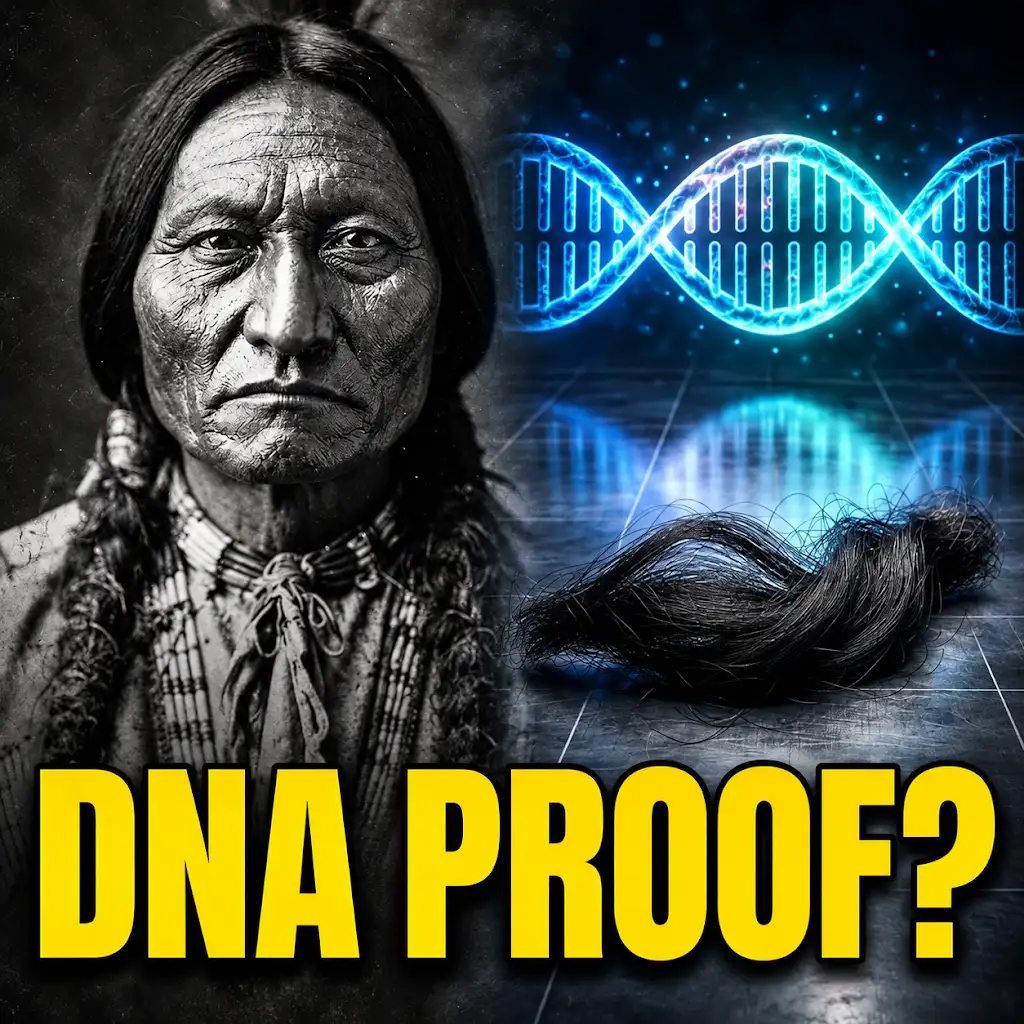
The Sitting Bull DNA Test: What Did It Actually Prove?
FAQs
What is genetic genealogy?
Genetic genealogy is the use of DNA testing in combination with traditional genealogical and historical records to infer relationships between individuals and determine ancestry.
Can genetic genealogy determine specific tribal or ethnic origins?
Genetic genealogy can provide broad ancestral information, such as regions or populations where one’s ancestors may have lived, but it cannot pinpoint specific tribal or ethnic origins with certainty.
Is genetic genealogy testing 100% accurate?
No, genetic genealogy testing is not 100% accurate. The results are estimates based on comparisons with reference populations and can be influenced by factors such as the size and diversity of the reference database.
Can genetic genealogy testing reveal medical information?
Genetic genealogy testing primarily focuses on ancestry and genealogical connections. However, some tests may provide limited health-related information, such as carrier status for certain genetic conditions.
Do genetic genealogy tests violate privacy?
Genetic genealogy tests raise privacy concerns as they involve sharing personal genetic information. It is important to carefully review the privacy policies of testing companies and understand how your data will be used and protected.