
Genetic research is shedding light on the journeys of 19th-century French Canadians, revealing surprising connections and patterns of movement that went beyond the commonly understood narrative of settling Quebec. While historical records paint a picture of a relatively contained population, genetic studies are showing that French Canadians were far more mobile than previously thought, with their DNA tracing paths to various regions within North America and even back to Europe.
Tracing Ancestral Threads: What Genetics Tells Us
Genetic analysis acts like a historical detective, sifting through the inherited DNA of living individuals to uncover clues about their ancestors. For French Canadians, this means examining specific markers in their genetic code that can be linked to particular geographical origins and migration events. It’s not about identifying specific individuals, but rather about seeing large-scale population movements and connections that might not be obvious from written documents alone. Think of it as a vast, ancient map being redrawn with every genetic study. These studies look at things like the Y-chromosome, which is passed down from father to son, and mitochondrial DNA, passed from mother to child, as well as autosomal DNA, which comes from all ancestors. Each provides a different piece of the puzzle.
The Y-Chromosome: A Father’s Journey
The Y-chromosome is particularly useful for tracking paternal lineage. When researchers analyze Y-chromosome DNA from French Canadians, they often find patterns that point to specific European ancestral groups. This helps confirm the well-established French origins, but also can reveal more subtle links. For example, certain Y-chromosome haplogroups (groups of people who share a common ancestor based on their Y-chromosome DNA) found in French Canadians can be traced back to particular regions in France, like Normandy or Brittany, further refining our understanding of where the initial settlers came from. More intriguingly, some Y-chromosome studies have indicated a presence of haplogroups more commonly found in other parts of Europe, suggesting either earlier migrations or intermingling that predates the bulk of French Canadian settlement. This means that the “French” in French Canadian might have had a more diverse European genetic heritage than we typically assume.
Mitochondrial DNA: The Maternal Route
Mitochondrial DNA (mtDNA) offers a complementary perspective, tracing the maternal line through generations. Studies of mtDNA in French Canadian populations often reveal a strong presence of haplogroups associated with Indigenous North American populations. This is a critical finding, as it directly reflects the intermarriage and integration that occurred between French settlers and the Indigenous peoples of what is now Quebec and surrounding areas. While historical records might touch upon these interactions, the genetic evidence provides a clear, quantifiable indication of the extent of this maternal contribution. It’s a powerful reminder that the formation of French Canadian identity was a dynamic process involving multiple cultural and genetic influences from the very beginning. The frequency of certain Indigenous mtDNA haplogroups can also vary between different French Canadian subgroups, suggesting regional differences in the intensity and nature of these early interactions.
Autosomal DNA: The Full Family Tree
Autosomal DNA, inherited from all ancestors, provides a broader, more comprehensive view of genetic heritage. When analyzing autosomal DNA from French Canadians, researchers can see a complex tapestry of European and Indigenous ancestry, often in varying proportions depending on the individual’s lineage. This is where the picture gets really nuanced. Autosomal studies can help untangle more recent migrations and intermingling. For instance, they can reveal whether a particular French Canadian individual has a higher proportion of recent French ancestry compared to someone with more distant French roots. Furthermore, autosomal DNA can sometimes point to genetic contributions from other European groups that may not be as readily apparent in Y-chromosome or mtDNA studies, hinting at further layers of ancestry beyond the primary French and Indigenous contributions.
The study of French Canadian migration in the 19th century has revealed fascinating insights into the genetic makeup of the population, highlighting how historical movements shaped contemporary genetic diversity. A related article that delves into the technological advancements in genetic research and their implications for understanding such migrations can be found at this link. This resource provides a comprehensive overview of how modern technology is revolutionizing our understanding of genetic heritage and migration patterns.
Beyond Quebec: Unforeseen Migration Pathways
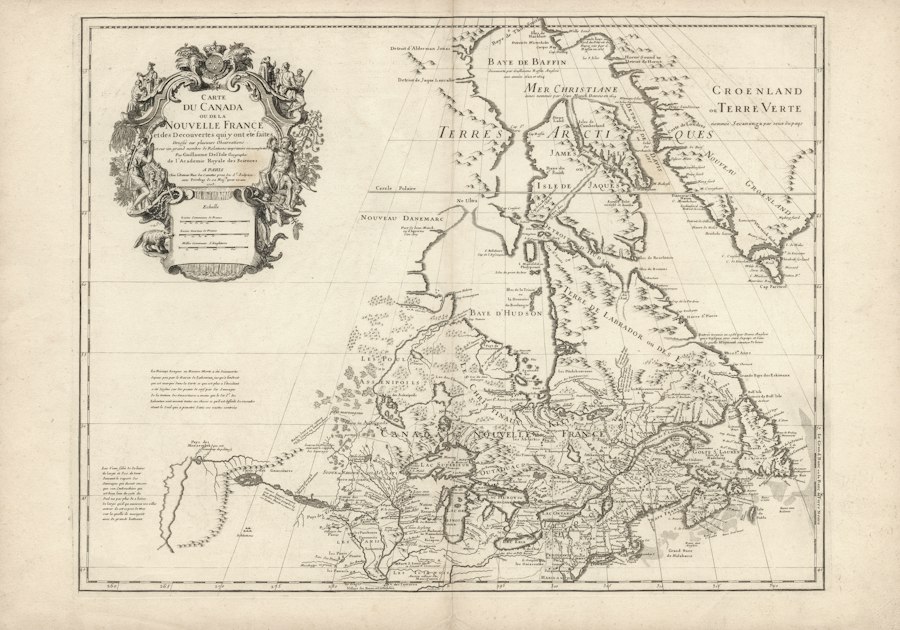
The traditional narrative of French Canadian migration often focuses on the establishment of New France and its subsequent consolidation in the Quebec region. However, genetic evidence is painting a much more dynamic and far-reaching picture of movement throughout the 19th century and beyond. It turns out that descendants of these French Canadian settlers didn’t just stay put. They moved, they resettled, and they dispersed in ways that historical documents alone might not fully capture.
The Great Lakes and American Heartland
One of the most significant genetic footprints of French Canadian migration outside of Quebec is found in the Great Lakes region of the United States. Areas like Michigan, Wisconsin, Minnesota, and even parts of New York and Vermont show a notable genetic signature of French Canadian ancestry. This migration was driven by various factors, including economic opportunities, land availability, and sometimes, a desire to find communities with similar cultural and linguistic backgrounds. Genetic studies have identified these regions as significant destinations, with French Canadian haplogroups and ancestral proportions being noticeably higher than in neighboring areas with different settlement histories. This isn’t just a trickle; it represents substantial demographic shifts that are clearly visible in the DNA of people living in these regions today.
Western Expansion and the Canadian Prairies
The westward expansion of both Canada and the United States in the 19th century also saw French Canadians participating. While perhaps not as dominant a force as in the Great Lakes states, genetic markers consistent with French Canadian ancestry can be found in the prairie provinces of Canada – Manitoba, Saskatchewan, and Alberta – and even further west in British Columbia. These individuals were often drawn by agricultural opportunities, the fur trade, and later, by the development of new industries. Their presence in these regions, while often in smaller numbers than in the East, still leaves a discernible genetic mark. These movements demonstrate a proactive engagement with the opportunities presented by the evolving North American landscape, not just passive settlement.
Reciprocal Movements: Back to France and Beyond
It might seem counterintuitive, but genetic data also hints at some movement back towards Europe, and to a lesser extent, other parts of the world. While the vast majority of French Canadian migration was westward, there were always individuals and families who, for various reasons, returned to France or moved to other European countries. These movements were likely less common and on a smaller scale, but they are detectable in genetic studies, especially when looking at individuals with very deep ancestral lines. It adds another layer to the complexity, showing that the migratory flows were not always a one-way street. Furthermore, some genetic studies have identified unexpected connections to other French-speaking communities outside of North America, suggesting historical ties that are less documented.
The Impact of Industrialization and Social Change

The 19th century was a period of immense societal transformation, and these changes profoundly influenced migration patterns for French Canadians. As the world industrialized, opportunities shifted, and people were compelled to move in search of work and better lives. This period saw a move away from purely agrarian-based migrations towards those driven by burgeoning industries.
Urbanization: New Centers of Population
The rise of industrial centers, both within Quebec and in the neighboring United States, acted as powerful magnets for French Canadian populations. Cities like Montreal, Quebec City, and later, manufacturing hubs in New England (such as Manchester, New Hampshire, and Lowell, Massachusetts) became destinations for those seeking employment in factories, mills, and other industrial enterprises. This urbanization led to the formation of distinct French Canadian enclaves within these cities, and the genetic legacy of this movement is clearly observable in the populations of these urban areas today. The DNA reflects not just where people came from, but where they ended up, creating concentrated pockets of ancestral heritage.
Economic Cycles and Push-Pull Factors
Economic downturns in Quebec, such as periods of agricultural hardship or limited industrial growth, often acted as “push” factors, encouraging people to seek opportunities elsewhere. Conversely, periods of economic prosperity and demand for labor in the United States and Western Canada served as “pull” factors. Genetic studies, by analyzing the distribution of specific genetic markers and ancestral proportions, can indirectly reflect these economic drivers. For example, a higher concentration of French Canadian ancestry in a particular American industrial city might correlate with historical periods of high demand for labor in that area. This interplay of economic forces shaped the demographic landscape in tangible ways, leaving an indelible mark on the genetic makeup of descendant populations.
Social Networks and Chain Migration
The establishment of existing French Canadian communities in new locations facilitated what is known as “chain migration.” Once a group of families settled in a particular area, they would often encourage relatives and friends to join them, creating established networks that facilitated further movement. This social phenomenon is also subtly reflected in genetic patterns. Areas with a higher density of French Canadian genetic markers might indicate the success of these chains, where initial settlements grew and attracted subsequent waves of migrants. These networks provided support and familiarity, making the daunting prospect of moving to a new land more manageable.
Decoding Genetic Markers: Specific Ancestral Clues
The real power of genetic insights lies in its ability to pinpoint specific ancestral origins. By examining particular genetic markers and comparing them to reference populations, researchers can make more precise statements about where French Canadians originated and how they moved. It’s like finding the specific origin point on a vast map.
Identifying French Regional Signatures
As mentioned earlier, Y-chromosome and autosomal DNA studies can often identify specific regions within France that contributed disproportionately to the French Canadian gene pool. This includes regions like Normandy, Brittany, and Poitou, which were significant departure points for early settlers. By analyzing the frequency of certain Y-chromosome haplogroups (e.g., R1b subclades) and autosomal DNA segments that are common in these French regions but rarer elsewhere, researchers can gain a clearer picture of the initial settlement geography. This refines the historical understanding of colonization efforts and the specific recruitment efforts that may have been in place.
Recognizing Indigenous Contributions and Variations
Beyond simply noting an Indigenous presence, genetic analysis can also differentiate between various Indigenous groups that interacted with French settlers. While broader studies might identify general Indigenous ancestry, more detailed research can sometimes distinguish between the genetic signatures of specific First Nations communities that were present in the St. Lawrence Valley and surrounding areas. This is a sensitive area of research, and it’s crucial to work collaboratively with Indigenous communities to interpret these findings respectfully and accurately, acknowledging the complex history of interaction. The genetic evidence here highlights the multifaceted nature of the interactions that shaped early Canadian societies.
Tracing European Admixture and Later Migrations
Genetic markers can also help identify instances of intermingling with other European groups. While the primary ancestral components are French and Indigenous, there are instances where genetic data reveals a minor, but detectable, contribution from other European populations, such as British, Irish, or even Iberian groups. These might stem from earlier migrations, periods of shared settlement, or later marriage patterns. Understanding these smaller contributions adds depth to the overall genetic profile and acknowledges the dynamic history of European populations in North America.
The study of French Canadian migration in the 19th century has revealed fascinating insights into the genetic makeup of modern populations in North America. Researchers have been able to trace the lineage of these early settlers, uncovering how their unique genetic traits have influenced contemporary health and ancestry. For a deeper understanding of the complexities surrounding migration and its impact on genetics, you can explore this related article that delves into the broader implications of historical movements on modern populations. To learn more, visit this insightful article.
The Future of Genetic Research in French Canadian History
| Metric | Data/Value | Notes |
|---|---|---|
| Primary Origin of Migrants | France (Normandy, Brittany, Île-de-France) | Majority of settlers came from these regions in the 17th and 18th centuries, influencing 19th-century genetics |
| Estimated Population Growth (1800-1900) | From ~70,000 to over 1 million | Population growth due to natural increase and limited migration |
| Y-Chromosome Haplogroups | R1b (over 80%) | Reflects Western European paternal lineage, especially French origin |
| mtDNA Haplogroups | H, U, K, T (majority European) | Maternal lineages predominantly European, consistent with French ancestry |
| Founder Effect | High prevalence of certain genetic diseases | Examples include Tay-Sachs, cystic fibrosis, and familial hypercholesterolemia |
| Genetic Drift Impact | Significant | Due to small initial population and relative isolation |
| Intermarriage with Indigenous Peoples | Low to moderate | Some genetic admixture detected but limited overall impact |
| Migration Patterns | Mostly rural to rural within Quebec and to New England | Maintained genetic continuity within communities |
The field of genetic genealogy is constantly evolving, with new technologies and analytical methods emerging regularly. For French Canadian history, this means that the insights we can glean from DNA are only going to become more detailed and revealing in the future. This isn’t the end of the story; it’s an ongoing discovery.
Larger Sample Sizes and More Refined Analysis
As more individuals from French Canadian backgrounds participate in genetic genealogy studies and as the reference databases of genetic information grow, the resolution of our findings will increase. Larger sample sizes allow for more robust statistical analysis, helping to distinguish between genuine ancestral signals and random genetic variations. This will enable researchers to identify even more subtle migration patterns and ancestral connections that are currently on the fringes of detection. The ongoing accumulation of data is crucial for painting a more complete picture.
Investigating Specific Migration Events and Family Histories
With increasingly sophisticated genetic tools, it may become possible to investigate the genetic legacy of specific, well-documented migration events or even to trace the ancestral pathways of particular historically significant families. While individual identification remains challenging and ethically complex, understanding the genetic patterns associated with known historical movements can validate or challenge existing historical accounts. This could lead to a more granular understanding of how families dispersed and how communities were formed.
Integrating Genetic Data with Historical Records
The most powerful insights will likely come from the integration of genetic data with traditional historical research. By cross-referencing genetic findings with archival documents, land records, and family histories, researchers can create a more comprehensive and nuanced understanding of French Canadian migration patterns. Genetic data can confirm or challenge historical hypotheses, while historical records can provide context and explanation for the genetic signals observed. This interdisciplinary approach is key to unlocking the full potential of genetic insights. The synergy between these two fields promises a richer, more complete narrative of this significant chapter in North American history.
Cajun or French Canadian? The DNA Looked the Same—Until Researchers Looked Closer
FAQs
1. What were the main reasons for French Canadian migration in the 19th century?
French Canadian migration in the 19th century was primarily driven by economic opportunities, land shortages in Quebec, and political instability in Canada.
2. How did French Canadian migration impact the genetic diversity of North America?
French Canadian migration in the 19th century contributed to the genetic diversity of North America by introducing unique genetic markers and traits from the French Canadian population.
3. Were there any genetic predispositions or health conditions associated with French Canadian migrants in the 19th century?
Some studies suggest that French Canadian migrants in the 19th century may have carried genetic predispositions to certain health conditions, such as Tay-Sachs disease and cystic fibrosis.
4. Did French Canadian migrants in the 19th century intermarry with other ethnic groups?
French Canadian migrants in the 19th century did intermarry with other ethnic groups, leading to further genetic mixing and diversity in North America.
5. How has modern genetic research shed light on the genetic legacy of French Canadian migration in the 19th century?
Modern genetic research has revealed specific genetic markers and traits that can be traced back to French Canadian migrants in the 19th century, providing insights into their genetic legacy and impact on North American populations.