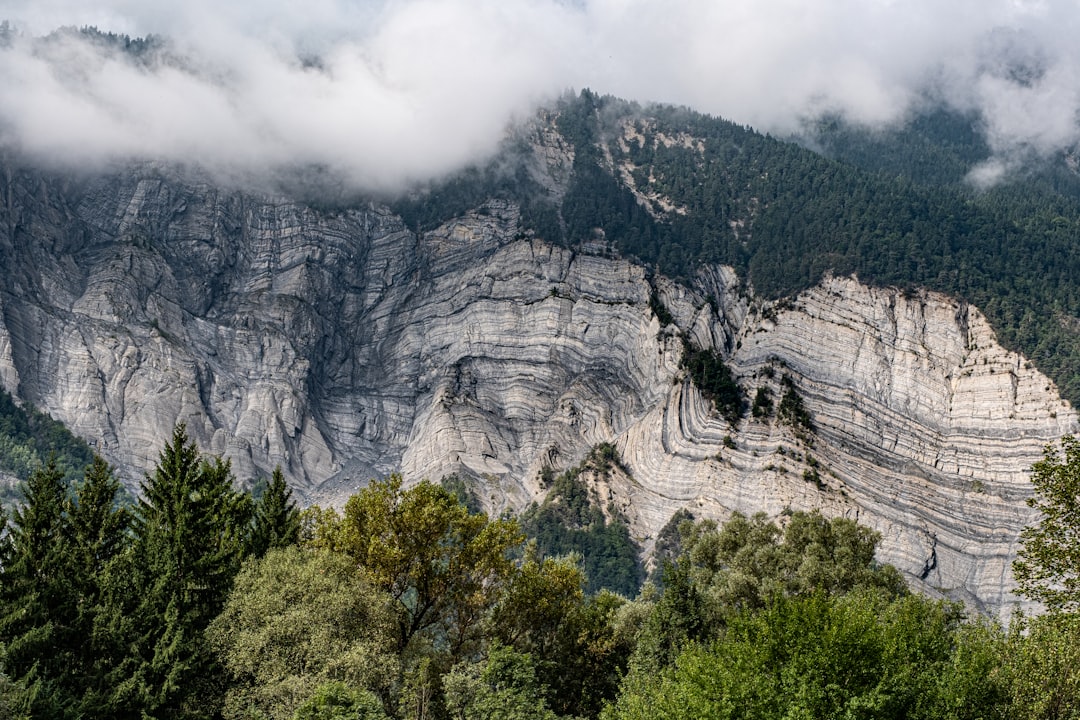
The Earth, a seemingly solid and unchanging sphere beneath our feet, is a dynamic and ever-evolving planet. Its surface is a tapestry woven from countless geological processes, a story etched in stone and sediment over billions of years. For the curious mind, geology offers a window into this grand narrative, revealing the forces that shape our landscapes, the treasures hidden within the Earth’s crust, and the profound history of our planet. This guide, “Geology Basics: A Beginner’s Guide,” aims to demystify the fundamental concepts of this fascinating science, equipping readers with the foundational knowledge to appreciate the geological wonders that surround them.
The Earth is not a uniform ball of rock. Instead, it comprises distinct layers, each with unique characteristics and playing a crucial role in the planet’s overall behavior. Understanding these layers is the first step in comprehending geological phenomena.
The Crust: Our Familiar Surface
The outermost layer, the crust, is the thinnest and most familiar part of the Earth. It’s where we live, where mountains rise, and where oceans lie. Geologists divide the crust into two main types:
Continental Crust
This thicker and less dense crust forms the continents and their shallow underwater shelves. It is primarily composed of granitic rocks, rich in lighter elements like silicon, oxygen, aluminum, and potassium. Continental crust is older and more varied in composition than oceanic crust due to processes like volcanic activity and mountain building. The continents themselves, with their diverse topography, are a testament to the complex geological history recorded within the continental crust. Think of the towering Himalayas or the vast plains of the American Midwest – these are surface expressions of deep geological forces acting on continental crust.
Oceanic Crust
Shorter and denser than continental crust, oceanic crust forms the ocean floor. It is predominantly basaltic, a volcanic rock rich in iron and magnesium. Oceanic crust is constantly being created at mid-ocean ridges and recycled back into the Earth’s mantle at subduction zones, making it significantly younger than continental crust. The relatively uniform nature of oceanic crust, punctuated by volcanic features like seamounts and trenches, reflects its ongoing cycle of formation and destruction.
The Mantle: The Earth’s Engine Room
Beneath the crust lies the mantle, a vast, thick layer that makes up about 84% of the Earth’s volume. It’s a region of immense heat and pressure, where rocks behave in a semi-solid, plastic-like manner.
The Lithosphere and Asthenosphere
The uppermost, rigid part of the mantle, along with the crust, forms the lithosphere. This rigid shell is broken into tectonic plates that float on the underlying, hotter, and more ductile layer called the asthenosphere. The slow, viscous flow within the asthenosphere is the driving force behind plate tectonics, the movement of these massive lithospheric plates. Imagine the lithosphere as ice floes drifting on a slow-moving river of warmer, more pliable ice – the asthenosphere. This concept is fundamental to understanding earthquakes, volcanic eruptions, and mountain formation.
The Lower Mantle
Deeper within the mantle, the pressure and temperature increase further. While still solid, the rocks here are denser and may exhibit different mineral structures due to the extreme conditions. The lower mantle plays a crucial role in the convection currents that drive plate tectonics, transferring heat from the Earth’s core outwards.
The Core: The Fiery Heart
At the very center of our planet lies the core, an intensely hot and dense region composed primarily of iron and nickel. The core is divided into two distinct parts:
The Outer Core
This liquid layer is responsible for generating the Earth’s magnetic field. The movement of molten iron within the outer core creates electrical currents, which in turn produce a powerful magnetic field that shields the planet from harmful solar radiation. This magnetic field is vital for life on Earth, guiding navigation and protecting our atmosphere.
The Inner Core
Despite its incredible temperature, the inner core is solid due to the immense pressure exerted by the overlying layers. It’s believed to be about the size of the moon and is the hottest part of the Earth, with temperatures potentially exceeding those on the surface of the sun. The inner core’s heat is a relic of the Earth’s formation and continues to contribute to the planet’s internal energy.
For those interested in expanding their understanding of geology, a fascinating article titled “Uncharted Territories: Piri Reis and the Mystery of Lost Maps” can provide intriguing insights into how ancient maps relate to geological features. This piece explores the historical context of Piri Reis’s maps and their implications for our understanding of the Earth’s surface. You can read the article here: Uncharted Territories: Piri Reis and the Mystery of Lost Maps.
Rocks: The Building Blocks of Earth
Rocks are the tangible evidence of Earth’s geological history. They are naturally occurring solid aggregates of one or more minerals. The study of rocks, known as petrology, classifies them into three main types based on their origin.
Igneous Rocks: Born from Fire
Igneous rocks are formed from the cooling and solidification of molten rock, known as magma or lava. The rate at which this molten material cools determines the texture of the resulting rock.
Intrusive (Plutonic) Igneous Rocks
When magma cools slowly beneath the Earth’s surface, it forms intrusive igneous rocks. This slow cooling allows large crystals to grow, giving these rocks a coarse-grained texture. Examples include granite, diorite, and gabbro. Geologists often find these rocks exposed at the surface only after millions of years of erosion have worn away the overlying rock layers.
Extrusive (Volcanic) Igneous Rocks
When lava erupts onto the Earth’s surface and cools rapidly, it forms extrusive igneous rocks. The rapid cooling prevents large crystals from forming, resulting in a fine-grained or even glassy texture. Examples include basalt, rhyolite, and obsidian. Volcanic eruptions are the dramatic events that create these rocks, often leaving behind distinctive landforms like cinder cones and lava flows.
Sedimentary Rocks: Layers of Time
Sedimentary rocks are formed from the accumulation and cementation of sediments. These sediments are fragments of pre-existing rocks, minerals, or organic matter that have been transported by wind, water, or ice and then deposited in layers.
Clastic Sedimentary Rocks
These rocks are composed of fragments of other rocks and minerals. The size of the fragments determines the classification of the rock. Examples include conglomerate (large, rounded pebbles), sandstone (sand-sized grains), and shale (clay-sized particles). The layering within clastic sedimentary rocks provides a chronological record of deposition, with older layers at the bottom and younger layers at the top.
Chemical Sedimentary Rocks
These rocks form when minerals precipitate out of water solutions. As water evaporates or its chemical composition changes, dissolved minerals can crystallize and accumulate. Examples include rock salt (halite) and gypsum.
Organic Sedimentary Rocks
These rocks are formed from the accumulation of organic material, such as the remains of plants and animals. Coal, formed from compressed plant matter, and some types of limestone, formed from the shells and skeletons of marine organisms, are examples. These rocks can be invaluable sources of fossil fuels and provide insights into past ecosystems.
Metamorphic Rocks: Transformed by Heat and Pressure
Metamorphic rocks are formed when existing igneous, sedimentary, or even other metamorphic rocks are subjected to intense heat and pressure deep within the Earth. These conditions cause the minerals within the rock to recrystallize and rearrange, leading to a change in texture and/or mineral composition.
Foliated Metamorphic Rocks
These rocks exhibit a layered or banded appearance due to the alignment of minerals under directional pressure. Examples include slate, schist, and gneiss. The degree of foliation often indicates the intensity of the metamorphic conditions.
Non-Foliated Metamorphic Rocks
These rocks do not have a layered appearance because the minerals are not aligned in any particular direction. This often occurs when the rocks are subjected to uniform pressure or when the original rock lacks platy minerals. Examples include marble (formed from limestone) and quartzite (formed from sandstone). The transformation from the parent rock to the metamorphic rock can be dramatic, changing a soft sedimentary rock like limestone into a hard, crystalline metamorphic rock like marble, prized for its beauty and durability.
Plate Tectonics: The Earth’s Moving Surface
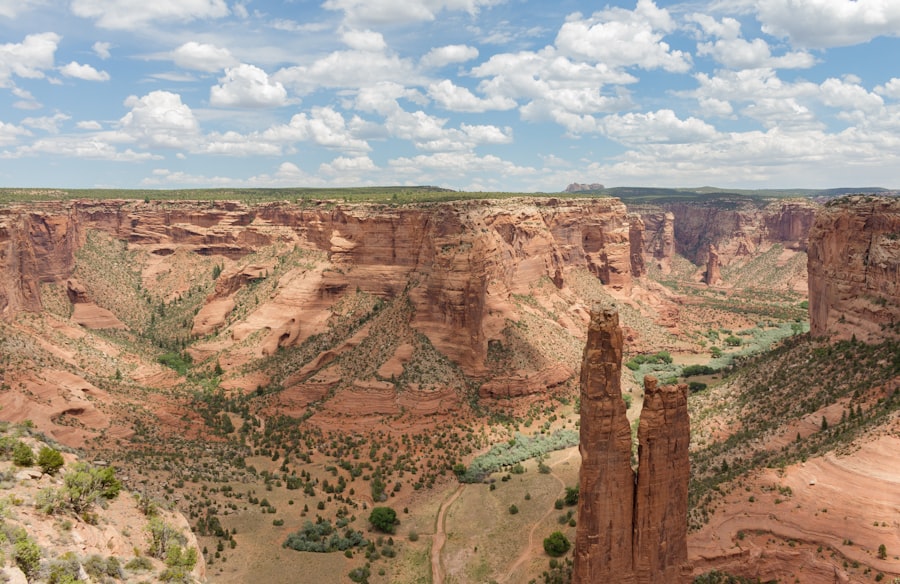
The theory of plate tectonics is the unifying framework of modern geology. It explains how the Earth’s lithosphere is divided into large, rigid plates that move relative to each other on the underlying asthenosphere. This slow, constant movement is responsible for most of Earth’s major geological features and phenomena.
Divergent Plate Boundaries: Plates Moving Apart
At divergent boundaries, tectonic plates move away from each other. This is where new crust is created.
Mid-Ocean Ridges
These underwater mountain ranges are formed as magma rises from the mantle, cools, and solidifies, creating new oceanic crust. The Mid-Atlantic Ridge is a prime example. These ridges are sites of seafloor spreading and volcanic activity.
Continental Rifts
When continents start to pull apart, continental rifts are formed. These are valleys characterized by faulting and volcanic activity. The East African Rift Valley is a classic example of a developing continental rift that could eventually lead to the formation of a new ocean basin.
Convergent Plate Boundaries: Plates Colliding
At convergent boundaries, tectonic plates collide. The outcome of the collision depends on the types of plates involved.
Oceanic-Continental Convergence
When a denser oceanic plate collides with a less dense continental plate, the oceanic plate is forced beneath the continental plate in a process called subduction. This creates deep ocean trenches and volcanic mountain ranges along the edge of the continent. The Andes Mountains are a result of this type of convergence. The subducting plate melts, feeding magma to the surface via volcanoes.
Oceanic-Oceanic Convergence
When two oceanic plates collide, one is typically subducted beneath the other, forming volcanic island arcs. The Mariana Islands, with the deepest trench on Earth, are an example. These arcs are characterized by chains of volcanic islands rising from the seafloor.
Continental-Continental Convergence
When two continental plates collide, neither can easily subduct due to their buoyancy. Instead, the crust is intensely crumpled and uplifted, forming massive mountain ranges. The Himalayas, formed by the collision of the Indian and Eurasian plates, are the most dramatic example of this process. These collisions can lead to extensive faulting and thickening of the continental crust.
Transform Plate Boundaries: Plates Sliding Past Each Other
At transform boundaries, plates slide horizontally past each other. This movement often results in significant earthquakes but generally does not create or destroy crust.
The San Andreas Fault
The San Andreas Fault in California is a famous example of a transform boundary, where the Pacific Plate is sliding northwest relative to the North American Plate. The friction between these plates builds up stress, which is released periodically as earthquakes. These boundaries are characterized by extensive fault systems and a lack of significant volcanic activity.
The Rock Cycle: A Constant Transformation

The rock cycle is a fundamental geological concept that describes the continuous process by which rocks are created, transformed, and destroyed. It illustrates how the three main types of rocks – igneous, sedimentary, and metamorphic – are interconnected through various geological processes.
Formation of New Rocks
The cycle begins with the formation of new igneous rocks from molten magma or lava. This molten material, originating from the mantle or the melting of pre-existing rocks deep within the Earth, cools and solidifies. This is the starting point of many rock transformations.
Weathering and Erosion: Breaking Down Rocks
Once a rock is exposed at the Earth’s surface, it is subject to weathering and erosion. Weathering is the physical and chemical breakdown of rocks into smaller pieces called sediment. Erosion is the transportation of these sediments by wind, water, or ice. This process can take millions of years, slowly breaking down even the hardest rocks into sand, silt, and clay. The forces of nature, from the gentle action of rain to the powerful forces of glaciers, play a crucial role in this stage.
Deposition and Lithification: Creating Sedimentary Rocks
As the agent of erosion loses energy, the transported sediments are deposited. Over time, these layers of sediment accumulate, and the weight of the overlying material compacts them. Dissolved minerals in groundwater then seep between the sediment grains, acting as a natural cement, binding them together in a process called lithification. This transforms loose sediment into solid sedimentary rock. The distinct layers within sedimentary rock formations are a direct result of this process, preserving a historical record of depositional environments.
Metamorphism: Transformation Under Pressure and Heat
Rocks, whether igneous, sedimentary, or even other metamorphic rocks, can be subjected to increased heat and pressure deep within the Earth. This can occur during mountain building events, when rocks are buried deeply, or when they are subjected to the heat of nearby magma intrusions. Under these conditions, the minerals within the rocks recrystallize and rearrange, transforming them into metamorphic rocks. The original mineral composition and texture of the rock are altered, creating new rock types with different properties.
Melting: Returning to the Source
Finally, if the heat and pressure become sufficiently intense, rocks can melt, returning to a state of magma. This molten rock can then rise towards the surface, initiating the formation of new igneous rocks and continuing the perpetual cycle. This molten material is the source of new volcanic activity and the genesis of new landforms. The rock cycle is a testament to the dynamic nature of our planet, where nothing is truly permanent and all geological materials are in a constant state of change.
For those interested in the foundational aspects of geology, exploring how geological features influence human activities can be quite enlightening. A related article discusses Mexico’s strategic development and industrial zone plan, which highlights the importance of understanding geological resources in urban planning and economic growth. You can read more about this fascinating intersection of geology and development in the article found here.
Minerals: The Jewels of Geology
| Topic | Definition |
|---|---|
| Geology | The study of the Earth’s structure, materials, and processes |
| Rocks | Naturally occurring solid aggregates of minerals or mineraloids |
| Minerals | Naturally occurring inorganic solid substances with a specific chemical composition and structure |
| Plate Tectonics | The theory that Earth’s outer shell is divided into several plates that glide over the mantle |
Minerals are the fundamental building blocks of rocks. They are naturally occurring, inorganic solids with a definite chemical composition and a characteristic crystalline structure. Understanding minerals is crucial for identifying rocks and deciphering Earth’s history.
Identifying Minerals: Properties to Look For
Geologists use a variety of physical and chemical properties to identify minerals. These properties are a direct result of their atomic structure and chemical bonding.
Color
While often the first property observed, color can be misleading as many minerals can have the same color due to impurities. However, it can still be a useful initial clue. For example, the vibrant blue of azurite or the deep green of malachite are distinctive.
Streak
The streak is the color of a mineral’s powder when rubbed against an unglazed porcelain plate. This property is more reliable than the mineral’s color, as it is less affected by impurities. Hematite, for instance, has a reddish-brown streak, even if the mineral itself appears black.
Luster
Luster describes how light reflects off the surface of a mineral. Common lusters include metallic (like a polished metal), vitreous (like glass), dull (no shine), and greasy. The way light interacts with the mineral’s surface is a key identifier.
Hardness
Hardness is a measure of a mineral’s resistance to scratching. Geologists use the Mohs scale of hardness, which ranks ten common minerals from softest (talc) to hardest (diamond). For example, a fingernail can scratch talc (hardness 1) but not quartz (hardness 7). This practical test is a hallmark of mineral identification.
Cleavage and Fracture
Cleavage describes the tendency of a mineral to break along smooth, flat planes of weakness, reflecting the internal arrangement of its atoms. Fracture describes how a mineral breaks when it does not exhibit cleavage, resulting in irregular or curved surfaces. The way a mineral breaks can reveal a lot about its internal structure.
Crystal Form
The crystal form refers to the characteristic external shape that a mineral assumes when it grows unimpeded. This geometric shape is a direct manifestation of the mineral’s internal crystalline structure. For example, quartz crystals often form hexagonal prisms, while halite crystals commonly form cubic shapes.
Specific Gravity
Specific gravity is the ratio of a mineral’s density to the density of water. Minerals with heavier elements will have a higher specific gravity. This property is determined by comparing the weight of the mineral to the weight of an equal volume of water.
Common Mineral Groups
Minerals are classified into groups based on their dominant anion (negatively charged ion).
Silicates
This is the largest and most abundant mineral group, making up over 90% of Earth’s crust. They are characterized by the presence of silicon and oxygen in their structure, often forming tetrahedral units. Examples include quartz, feldspar, mica, and olivine. The diversity of silicate structures leads to a wide range of mineral properties and appearances.
Carbonates
These minerals contain the carbonate ion (CO₃²⁻). Calcite, the main component of limestone, is a very common carbonate mineral. Dolomite is another important carbonate mineral. These minerals are often formed by precipitation from water.
Oxides
Minerals in this group contain oxygen as their primary anion, often bonded with metals. Hematite (iron oxide) and magnetite (iron oxide) are important examples, serving as sources of iron. Corundum, which includes ruby and sapphire, is another important oxide.
Sulfides
These minerals contain the sulfide ion (S²⁻) bonded with metals. Pyrite (iron sulfide), also known as “fool’s gold” due to its brassy luster, is a common example. Galena (lead sulfide) is an important ore of lead.
Halides
Minerals in this group contain halogen elements like chlorine, fluorine, bromine, or iodine as their primary anion. Halite (rock salt) is a familiar example. Fluorite, known for its diverse colors and low hardness, is another common halide.
This introductory exploration of geology provides a foundation for understanding the complex and dynamic Earth we inhabit. From the layered structure of our planet to the intricate processes that transform rocks and the fundamental building blocks of minerals, each concept offers a glimpse into the profound geological story unfolding all around us. As you continue to explore, remember that geology is not just a science confined to textbooks; it is the story of our planet, written in every mountain, every riverbed, and every grain of sand.

When the Mediterranean Became a Desert | The Messinian Salinity Crisis Explained
FAQs
What is geology?
Geology is the study of the Earth’s structure, composition, and processes that have shaped the planet over time. It involves the study of rocks, minerals, fossils, and the forces that have shaped the Earth’s surface.
Why is geology important?
Geology is important because it helps us understand the Earth’s history, natural resources, and environmental processes. It also plays a crucial role in fields such as mining, construction, and environmental protection.
What are the different branches of geology?
The main branches of geology include physical geology (study of Earth’s materials and processes), historical geology (study of Earth’s history and evolution), mineralogy (study of minerals), petrology (study of rocks), and paleontology (study of fossils).
How do geologists study the Earth?
Geologists study the Earth through fieldwork, laboratory analysis, and the use of advanced technologies such as satellite imagery, seismic surveys, and remote sensing. They also use tools such as rock hammers, hand lenses, and GPS devices.
What are some common geological phenomena?
Common geological phenomena include earthquakes, volcanic eruptions, landslides, erosion, and the formation of mountains, valleys, and canyons. These processes are driven by the movement of tectonic plates, erosion by water and wind, and the Earth’s internal heat.