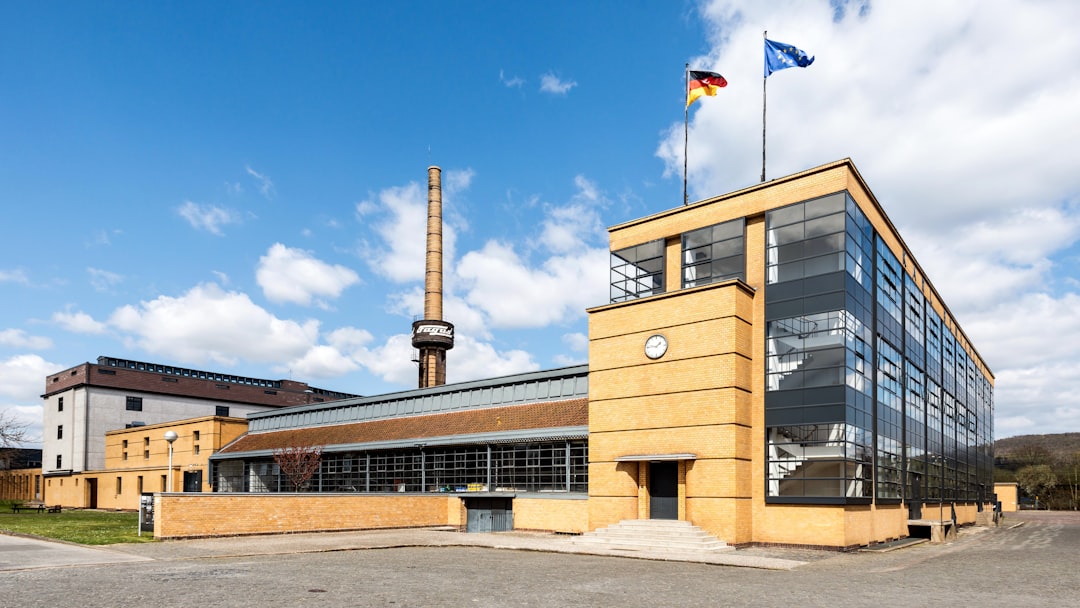
The German manufacturing sector, long a bedrock of the nation’s economic might, is undergoing a profound and potentially permanent shift away from its traditional strongholds. This “German factory exodus,” as it is increasingly being termed, is not a sudden gale but a slow, persistent tide eroding established industrial landscapes. While some argue for a temporary recalibration, a growing body of evidence suggests that underlying structural changes are ushering in a new era, one where manufacturing’s center of gravity may be permanently relocating. Understanding the drivers and implications of this exodus is crucial for grasping the future trajectory of the German economy and its role on the global stage.
The exodus is not attributable to a single seismic event, but rather a confluence of persistent pressures that have been gradually accumulating like sediment at the base of a dam. These factors, acting in concert, are forcing industries to re-evaluate their operational bases, and for many, Germany is no longer the optimal location.
Escalating Energy Costs: A Price Too High to Bear
Renewable Transition and the Energy Bill
The ambitious transition to renewable energy sources, while environmentally laudable, has come with a substantial price tag. The phasing out of nuclear power and the increasing reliance on an intermittent energy supply have led to a surge in electricity prices, making Germany one of the most expensive locations for energy-intensive industries in Europe, if not the world. This is akin to a powerful engine attempting to run on a dwindling and increasingly costly fuel supply. For industries like chemicals, metals, and glass, where energy constitutes a significant portion of production costs, this is a critical vulnerability. Companies are finding that the cost of keeping the lights on, literally and figuratively, is becoming untenable. The reliance on fossil fuels for price stability, while a temporary balm, is increasingly scrutinized and ultimately unsustainable in the long term.
Geopolitical Instability and Supply Chain Fragility
The war in Ukraine and subsequent geopolitical tremors have exposed the fragility of global supply chains. Germany, with its historically deep integration into international markets, has been particularly exposed. The disruption of energy supplies from Russia, a key source for decades, forced a rapid and often costly search for alternatives. This has not only driven up immediate energy costs but has also introduced a new layer of uncertainty into long-term operational planning. Factories that once relied on predictable and affordable energy flows are now facing a landscape of volatile prices and potential supply disruptions. This instability acts like unpredictable weather patterns, making it difficult for businesses to plant their seeds of production with confidence.
Wage Pressures and Labor Shortages: The Human Factor in Production Costs
The Strength of the Unions and Collective Bargaining
Germany’s robust labor relations, a hallmark of its social market economy, have historically ensured fair wages and working conditions. However, in an increasingly competitive global environment, these strong unions and the resulting wage levels can present a significant cost disadvantage. While worker welfare is a vital component of any healthy economy, relentless upward pressure on wages without corresponding increases in productivity can erode a company’s profitability. This is like a ship carrying a valuable cargo but facing strong headwinds that slow its progress and increase fuel consumption.
Demographic Shifts and Skilled Labor Gaps
Germany is grappling with a rapidly aging population and declining birth rates, leading to a shrinking workforce and a growing shortage of skilled labor. This demographic squeeze is exacerbating wage pressures as companies compete for a diminishing pool of qualified workers. The “Fachkräftemangel,” or shortage of skilled professionals, is a persistent thorn in the side of German industry, impacting everything from research and development to the operational floor. This is akin to a gourmet chef trying to prepare a feast with fewer and fewer skilled assistants, making the ultimate output more expensive and potentially less efficient.
The ongoing exodus of factories from Germany has raised significant concerns about the future of the country’s manufacturing sector. As companies seek more favorable conditions abroad, the implications for the German economy could be profound. For a deeper understanding of how historical engineering marvels have influenced modern industrial practices, you can explore the article on ancient hydraulic engineering at Uncovering Ancient Hydraulic Engineering Marvels. This piece sheds light on the innovations that have shaped industrial development over the centuries, providing context to the current shifts in manufacturing.
Shifting Horizons: The Magnet of Lower Costs Elsewhere
The “exodus” is not simply a flight from Germany, but a migration towards perceived advantages in other locations. The siren song of lower operational costs and more favorable regulatory environments is proving increasingly irresistible for many manufacturers.
Emerging Markets as Production Hubs: A Race to the Bottom or a New Equilibrium?
Lower Labor Costs and Wage Expectations
Many emerging economies offer a significant advantage in terms of labor costs. While this raises ethical considerations and necessitates vigilance against exploitation, it remains a powerful economic driver for companies seeking to reduce their cost of goods sold. The difference in wage expectations between Germany and countries in Eastern Europe, Asia, or Latin America can be substantial, directly impacting a company’s bottom line. This is like a farmer deciding to cultivate their crops in a region where the cost of planting and harvesting is significantly lower, allowing for greater profit margins on their produce.
Favorable Tax Regimes and Investment Incentives
Beyond labor costs, numerous countries actively court foreign investment with attractive tax incentives, subsidies, and streamlined regulatory processes. These policies can significantly reduce the initial capital outlay and ongoing operational expenses for businesses looking to establish or expand their manufacturing footprint. Germany, with its established tax structure and sometimes intricate bureaucratic procedures, can appear less inviting in comparison. This is akin to choosing a well-maintained highway with clear signage and minimal tolls over a winding, often congested route with unexpected detours.
Proximity to Growing Consumer Markets
As emerging economies develop, their domestic consumer markets expand. Manufacturers are increasingly recognizing the strategic advantage of producing goods closer to these burgeoning customer bases. This reduces transportation costs, shortens lead times, and allows for greater responsiveness to local market demands and preferences. This is like setting up shop in a bustling marketplace rather than shipping goods across continents to reach eager buyers.
The Digital Divide: Technology’s Double-Edged Sword
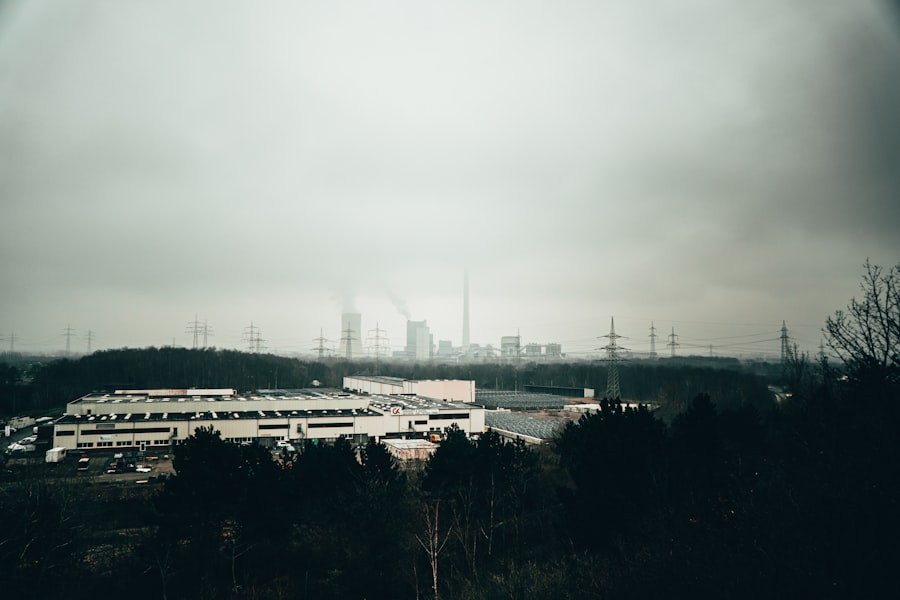
The ongoing digital transformation, often heralded as a panacea for industrial challenges, is also playing a complex role in the German factory exodus, introducing both opportunities and further pressures.
Automation and the Shifting Demand for Labor
The increasing adoption of automation and artificial intelligence in manufacturing can reduce the reliance on human labor, particularly for repetitive tasks. While this can boost productivity and efficiency, it also fundamentally alters the skills profile required within factories. Germany, with its highly skilled but also more expensive workforce, may find it challenging to adapt at the same pace as economies with lower baseline labor costs and a greater willingness to invest in new technological paradigms. The focus shifts from sheer numbers of workers to highly specialized individuals capable of managing and maintaining advanced automated systems. This is like upgrading from a manual plow to a sophisticated tractor; while it requires a different kind of operator, the overall output can be significantly enhanced.
Industry 4.0 and the Need for Infrastructure
The successful implementation of Industry 4.0 principles – the integration of digital technologies into manufacturing processes – requires robust digital infrastructure, including high-speed internet, reliable data networks, and advanced cybersecurity measures. While Germany possesses strong technological capabilities, the widespread and equitable deployment of this infrastructure across all regions, particularly in rural areas that have historically housed manufacturing, can be a challenge. Countries with a more concentrated and government-backed push for digital modernization may offer a more seamless transition. This is like building a high-speed rail network; the foundation of reliable infrastructure is paramount for the trains of digital innovation to run smoothly.
Digitalization as a Competitive Lever
Companies that successfully leverage digitalization can gain a significant competitive edge. This includes optimizing production, improving supply chain management, and developing innovative new products and services. However, the investment required for such a transformation can be substantial. For some German companies, particularly those with aging infrastructure and a more conservative approach to technological adoption, the perceived burden of digitalization, coupled with the existing cost disadvantages, can push them towards relocating to environments that offer a more streamlined path to digital integration. This is like outfitting a team for a modern sports competition; success hinges not only on individual talent but also on the adoption of cutting-edge equipment and training methodologies.
The Policy Conundrum: Germany’s Response to Industrial Relocation
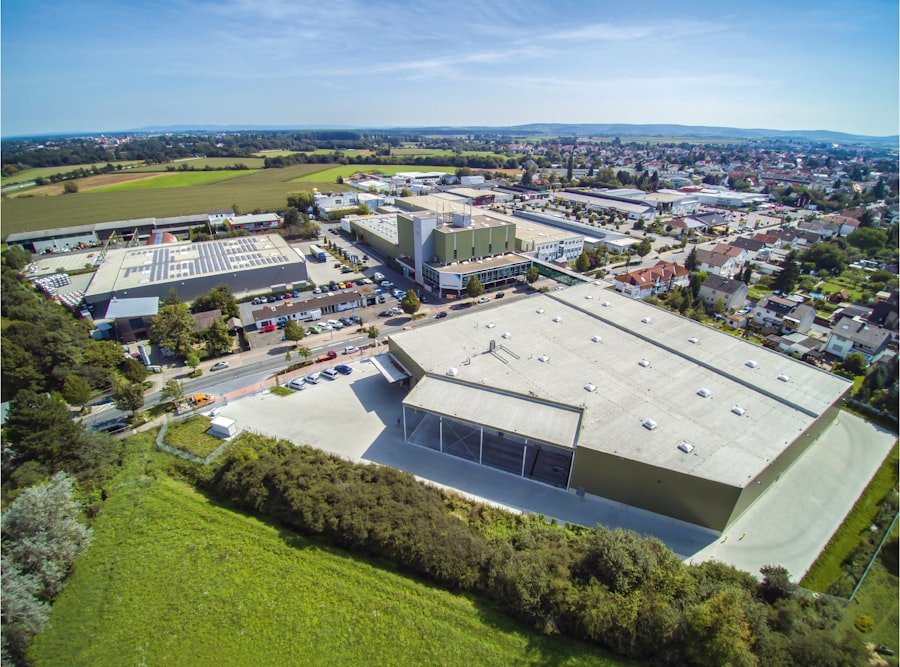
The German government and policymakers are not passively observing this industrial redeployment. A range of strategies are being considered and implemented, though their long-term effectiveness remains a subject of debate.
Government Support and Investment Incentives: Can Policy Stem the Tide?
Reindustrialization Initiatives and Subsidies
There is a growing recognition within government circles of the need to support and incentivize domestic manufacturing. This includes offering subsidies for energy costs, investing in research and development for green technologies, and providing tax breaks for companies investing in domestic production. However, the scale and effectiveness of these measures are still being tested. Critics argue that they may not be enough to counteract the fundamental cost advantages elsewhere. This is like trying to reinforce eroding cliffs with sandbags; while it offers some temporary protection, the underlying forces of erosion may prove too powerful.
Streamlining Bureaucracy and Reducing Red Tape
Efforts are underway to simplify bureaucratic processes and reduce red tape, which has often been cited as a hindrance to business growth in Germany. Faster permitting processes, more efficient approval procedures, and a reduction in regulatory burdens are seen as crucial steps in making Germany a more attractive location for investment. This is like clearing away debris from a construction site; the smoother the path, the faster and more efficiently the building can proceed.
Ensuring a Future for Skilled Labor: Retraining and Education
Adapting Education and Training Systems
The changing nature of manufacturing demands a corresponding evolution in education and training systems. There is a strong emphasis on retraining the existing workforce for new roles in digital manufacturing and automation, as well as on attracting and educating the next generation of skilled workers. This includes promoting STEM education and apprenticeships in emerging technological fields. This is like updating the curriculum at a technical college to reflect the latest advancements in engineering, ensuring graduates are equipped for the demands of modern industry.
Attracting and Integrating International Talent
To address the skilled labor shortage, Germany is also exploring ways to attract and integrate international talent. This includes simplifying immigration procedures for skilled workers and promoting Germany as an attractive destination for highly qualified professionals. This is like opening the doors of the national team to promising players discovered from abroad, strengthening the overall competitiveness.
The ongoing exodus of factories from Germany has raised concerns about the long-term implications for the country’s economy and workforce. Many experts believe that this trend could become permanent, driven by factors such as rising energy costs and regulatory challenges. For those interested in understanding the broader context of economic shifts and their historical precedents, a related article explores the history of government asset confiscation, shedding light on how such actions have influenced industrial landscapes in the past. You can read more about it here.
The Long Shadow: Potential Long-Term Impacts of the Exodus
| Year | Number of Factories Closed | Percentage Decrease in Manufacturing Jobs | Primary Reasons for Exodus | Regions Most Affected | Impact on GDP (%) |
|---|---|---|---|---|---|
| 2018 | 120 | 1.2% | Rising labor costs, automation | Bavaria, North Rhine-Westphalia | 0.1% |
| 2019 | 150 | 1.5% | Global competition, supply chain shifts | Saxony, Baden-Württemberg | 0.15% |
| 2020 | 180 | 2.0% | COVID-19 impact, relocation to Eastern Europe | Berlin, Hesse | 0.2% |
| 2021 | 200 | 2.3% | Energy costs, regulatory environment | Thuringia, Lower Saxony | 0.25% |
| 2022 | 220 | 2.5% | Supply chain disruptions, inflation | Brandenburg, Saxony-Anhalt | 0.3% |
The ongoing factory exodus, if it continues on its current trajectory, will cast a long shadow over the German economy, necessitating a fundamental reassessment of its industrial identity and future.
Economic Diversification and the Risk of Over-Reliance on Services
The “Deindustrialization” Debate
A significant and prolonged factory exodus raises concerns about the potential “deindustrialization” of Germany. While a shift towards a more service-oriented economy is a natural progression for developed nations, an over-reliance on services without a robust manufacturing base can create vulnerabilities. Manufacturing provides high-paying jobs, fosters innovation, and contributes significantly to exports and trade balances. This is like a seasoned carpenter relying solely on selling their tools rather than also building furniture; the former is dependent on others, while the latter creates tangible and valuable products.
Impact on Regional Economies and Social Cohesion
The closure or relocation of major factories can have devastating effects on regional economies that are heavily dependent on industrial employment. This can lead to job losses, declining tax revenues, and social disruption. Preserving regional economic vitality and maintaining social cohesion in the face of industrial change is a significant challenge for policymakers. This is like a single large tree in a forest; its removal can destabilize the entire ecosystem.
The Future of German Engineering and Innovation
Maintaining the “Made in Germany” Brand
The “Made in Germany” brand has long been synonymous with quality, precision, and innovation. A decline in domestic manufacturing could, over time, dilute this brand and its associated premium. While German engineering prowess extends beyond the factory floor, the direct experience of designing, producing, and refining physical products is a crucial engine for innovation. This is like a renowned chef whose signature dish is no longer prepared in their own kitchen; the essence of the craft might be lost in translation.
The Role of Research and Development in a Shifting Landscape
German research and development will remain critical, but its effectiveness will be influenced by the proximity and integration of R&D with actual production. A disconnect between research institutions and manufacturing facilities could stifle the practical application and rapid iteration of new ideas. Ensuring that Germany remains a hub for translating scientific breakthroughs into tangible industrial applications is paramount. This is like a laboratory developing groundbreaking technologies but lacking the factories to bring them to market; the innovation risks remaining theoretical.
In conclusion, the German factory exodus represents a significant inflection point. While the nation’s adaptability and commitment to innovation offer pathways forward, ignoring the underlying structural forces driving this shift would be a perilous oversight. The challenge lies not in reversing the tide, but in learning to navigate its new currents, ensuring that Germany’s economic future remains strong and prosperous, even if its industrial landscape undergoes a permanent transformation.
FAQs
What does the term “German factory exodus” refer to?
The term “German factory exodus” refers to the trend of manufacturing companies relocating their production facilities from Germany to other countries, often seeking lower labor costs, reduced regulations, or closer proximity to emerging markets.
Is the German factory exodus considered a temporary or permanent trend?
The exodus is generally viewed as a permanent trend, driven by structural changes in the global economy, technological advancements, and competitive pressures that make it difficult for some manufacturers to maintain large-scale production within Germany.
What are the main reasons behind the relocation of factories from Germany?
Key reasons include high labor and production costs in Germany, stringent environmental and regulatory requirements, the desire to be closer to growing markets in Asia and Eastern Europe, and the pursuit of more flexible manufacturing environments.
How has the German government responded to the factory exodus?
The German government has implemented various measures such as investing in advanced manufacturing technologies, promoting Industry 4.0 initiatives, offering incentives for innovation, and supporting workforce training to maintain competitiveness and attract investment.
What impact does the factory exodus have on the German economy?
The exodus can lead to job losses in traditional manufacturing sectors and challenges for local economies dependent on factories. However, it also encourages a shift toward high-tech industries, research and development, and service-oriented sectors, potentially fostering long-term economic transformation.