
The history of Girraween Lagoon is inextricably linked to the elemental force of fire. For millennia, the landscape surrounding this vital water source has been shaped, sculpted, and regenerated by wildfires, a natural and, in many ways, essential component of its ecosystem. Understanding these events, their frequency, their intensity, and their impact, is crucial to appreciating the enduring resilience and unique character of Girraween Lagoon and its surrounding wildlands.
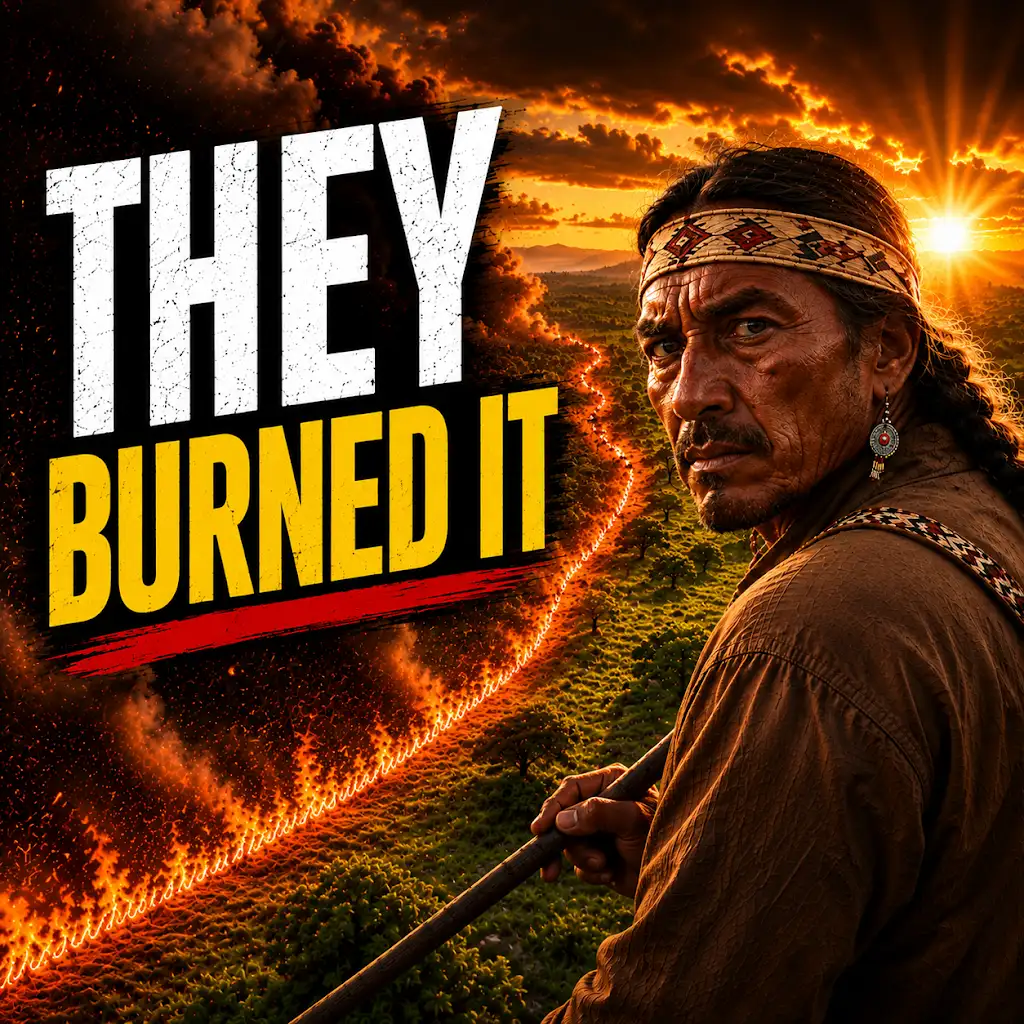
The Indigenous custodians of this land, the Bundjalung people, understood the intimate relationship between fire and country. For them, fire was not a destructive force to be feared, but a tool for management, a catalyst for renewal, and a source of spiritual significance. Their traditional burning practices, carried out with deep ecological knowledge, played a vital role in shaping the vegetation patterns, promoting the growth of important food sources, and maintaining the health of the landscape. These controlled burns, often ignited intentionally, would clear out dense undergrowth, create mosaics of different vegetation types, and reduce the risk of more severe, uncontrolled wildfires.
The Role of Lightning
While Indigenous burning practices were instrumental, natural ignition sources, primarily lightning strikes, were also a consistent driver of fire in the Girraween region. The dry eucalyptus forests and heaths are highly flammable, and during periods of prolonged drought and high temperatures, a single lightning strike could ignite fires that would spread rapidly across the landscape. These lightning-induced fires, often occurring in remote areas, would burn with a natural intensity, clearing out old growth and allowing new life to emerge from the ashes.
Seasonal Patterns of Ignition
The seasonal patterns of rainfall and vegetation dryness dictated the timing and frequency of these natural ignitions. The hot, dry summers, particularly following periods of little rain, created the perfect conditions for fires to ignite and spread. Conversely, the wetter periods of autumn and winter would often extinguish or slow the progress of any fires that had begun. This natural cycle of ignition, spread, and eventual suppression by weather events was a fundamental aspect of the Girraween ecosystem.
The fire history of Girraween Lagoon is a fascinating topic that highlights the interplay between natural events and historical human activities. For those interested in exploring how ancient inventions and technological advancements have been obscured over time, a related article provides intriguing insights. You can read more about this subject in the article titled “Uncovering Ancient Inventions: The Conspiracy to Hide Technological Advancements” available at this link.
The Pre-European Era: A Landscape in Balance
Before the arrival of European settlers, the landscape around Girraween Lagoon was a dynamic tapestry woven by the interplay of fire, rainfall, and the activities of its human inhabitants. The fires, both natural and Indigenous-managed, were integral to maintaining the ecological balance of the region. This balance ensured the health and diversity of plant and animal life, and the continued vitality of Girraween Lagoon itself.
Vegetation Succession and Fire
The different types of vegetation found in the Girraween area exhibit varying degrees of fire adaptation. Some species, like certain eucalypts, have thick, protective bark that shields their vital tissues from heat. Others have seeds that are stimulated to germinate by the heat of a fire, ensuring their survival and propagation. This relationship between fire and plant life is a cornerstone of ecological succession, where fire acts as a reset button, clearing the way for new growth and a subsequent, often more diverse, community of plants.
The Impact on Wildlife
The impact of fire on the wildlife of Girraween was multifaceted. While some animals might have been directly affected by flames, the broader impact was often one of renewal. Fires cleared out dense habitats, making it easier for herbivores to access new growth. They also created opportunities for predators by exposing prey species. The mosaic of burnt and unburnt areas provided a variety of habitats, catering to the needs of a diverse range of fauna, from small insects to larger mammals.
Colonial Impacts and Changing Fire Regimes
The arrival of European colonists brought significant changes to the traditional fire regimes of Girraween. The disruption of Indigenous practices, coupled with new land-use patterns, led to a shift in how fire interacted with the landscape. The concept of fire as an uncontrollable threat, rather than a natural process, began to take hold, leading to policies focused on suppression.
Land Clearing and Increased Fuel Loads
European settlement often involved extensive land clearing for agriculture and grazing. While this might seem counterintuitive to fire risk, it often resulted in altered vegetation structures. Large areas of native forest were replaced with pasture or more susceptible introduced grasses, and the removal of traditional burning practices led to the accumulation of fuel loads in the remaining native bushland. These increased fuel loads meant that when fires did ignite, they had the potential to be far more intense and destructive.
The Introduction of New Fire Threats
The colonial era also saw the introduction of new ignition sources. Careless campers, escaped agricultural burns, and the use of machinery in dry conditions all contributed to an increase in the frequency of human-caused wildfires. These fires, often lacking the context of traditional burning practices, could ignite at inappropriate times of year or in areas where the vegetation was not adapted to frequent burning.
The Modern Era: Suppression and Its Consequences
In the 20th and 21st centuries, the prevailing approach to wildfires in Australia, including the region around Girraween Lagoon, has been one of aggressive suppression. While intended to protect life and property, this policy has, in many cases, had unintended ecological consequences, disrupting the natural fire cycles that the ecosystem had evolved with.
Fuel Accumulation and the “Fire Exclusion” Era
The relentless pursuit of fire suppression led to decades where natural fires were quickly extinguished, often before they could achieve their ecological role. This resulted in a significant accumulation of fuel – dead leaves, branches, and undergrowth – in the forests and heaths. This build-up of flammable material created a dangerous situation, where any fire that did manage to escape suppression efforts would be more intense, hotter, and faster-moving, posing a greater threat to both the environment and human infrastructure.
The Paradox of Intense Wildfires
The irony of fire exclusion is that it can ultimately lead to more destructive fires. When the natural cycle of frequent, less intense fires is broken, the landscape becomes primed for catastrophic events. These intense wildfires, when they eventually occur, can devastate entire ecosystems, destroying long-established trees, killing wildlife that has not had time to adapt to such extreme conditions, and fundamentally altering the vegetation composition for decades to come. The memories of large, devastating fires in the region serve as stark reminders of this paradox.
The fire history of Girraween Lagoon offers fascinating insights into the ecological changes in the region over time. Researchers have noted how past fire events have shaped the landscape and influenced local biodiversity. For those interested in understanding the broader context of environmental changes, a related article explores the mysteries surrounding ancient reservoir ruins and their impact on surrounding ecosystems. You can read more about this intriguing topic here.
The Future of Fire Management at Girraween
| Year | Number of Fires | Area Burned (hectares) |
|---|---|---|
| 2015 | 3 | 120 |
| 2016 | 2 | 90 |
| 2017 | 5 | 200 |
| 2018 | 1 | 40 |
Recognizing the limitations of complete fire suppression, there is a growing understanding and implementation of more nuanced fire management strategies in areas like Girraween. These approaches aim to reinstate some of the ecological benefits of fire while mitigating the risks associated with uncontrolled, high-intensity wildfires. The goal is to foster a more resilient landscape that can better withstand the challenges of a changing climate.
The Return of Cultural Burning
There is a resurgence of interest in the traditional burning practices of Indigenous Australians. Cultural burning, guided by the knowledge and wisdom of the Bundjalung people, is being incorporated into modern fire management plans. This involves carefully planned burns at specific times of year, using traditional techniques to achieve ecological objectives such as promoting native plant growth, reducing fuel loads in a controlled manner, and restoring biodiversity.
Prescribed Burning Programs
Prescribed burning, also known as controlled burning, is another key tool in modern fire management. These burns are carefully planned and executed by trained professionals under specific weather conditions. They aim to reduce fuel loads, clear out undergrowth, and promote healthy vegetation growth. The strategic application of prescribed burns can help to create a mosaic of burnt and unburnt areas, thereby reducing the likelihood of large, catastrophic wildfires.
Community Engagement and Education
Effective fire management also relies on the active participation of the local community. Educating residents about fire behavior, the importance of fire-safe practices, and the role of fire in the ecosystem is crucial. Encouraging responsible behavior in the bush, such as proper campfires and the safe disposal of cigarettes, can significantly reduce the incidence of human-caused ignitions. Furthermore, fostering a sense of shared responsibility for the landscape encourages a more proactive approach to fire preparedness and response.
The history of wildfires at Girraween Lagoon is a testament to the enduring power of nature and the complex relationship between fire, landscape, and life. By understanding this history, and by embracing more enlightened fire management practices, the unique beauty and ecological significance of Girraween Lagoon can be preserved for generations to come, ensuring that the ancient rhythms of fire continue to play their vital role in shaping this precious environment.
The Wilderness Was Engineered
FAQs
What is the history of fires at Girraween Lagoon?
Girraween Lagoon has a history of fires dating back to the early 1900s. The area has experienced both natural and human-caused fires over the years.
How have fires impacted the ecosystem at Girraween Lagoon?
Fires have played a significant role in shaping the ecosystem at Girraween Lagoon. They have influenced the vegetation composition, soil fertility, and wildlife habitat in the area.
What measures are in place to prevent and manage fires at Girraween Lagoon?
Parks and wildlife authorities have implemented fire management strategies at Girraween Lagoon to prevent and manage wildfires. These strategies include prescribed burning, firebreaks, and monitoring systems.
What are the potential causes of fires at Girraween Lagoon?
The potential causes of fires at Girraween Lagoon include lightning strikes, human activities such as campfires, and accidental ignition from equipment or machinery.
How does fire play a role in the natural ecosystem of Girraween Lagoon?
Fire is a natural part of the ecosystem at Girraween Lagoon and plays a crucial role in maintaining biodiversity, nutrient cycling, and regeneration of plant species.