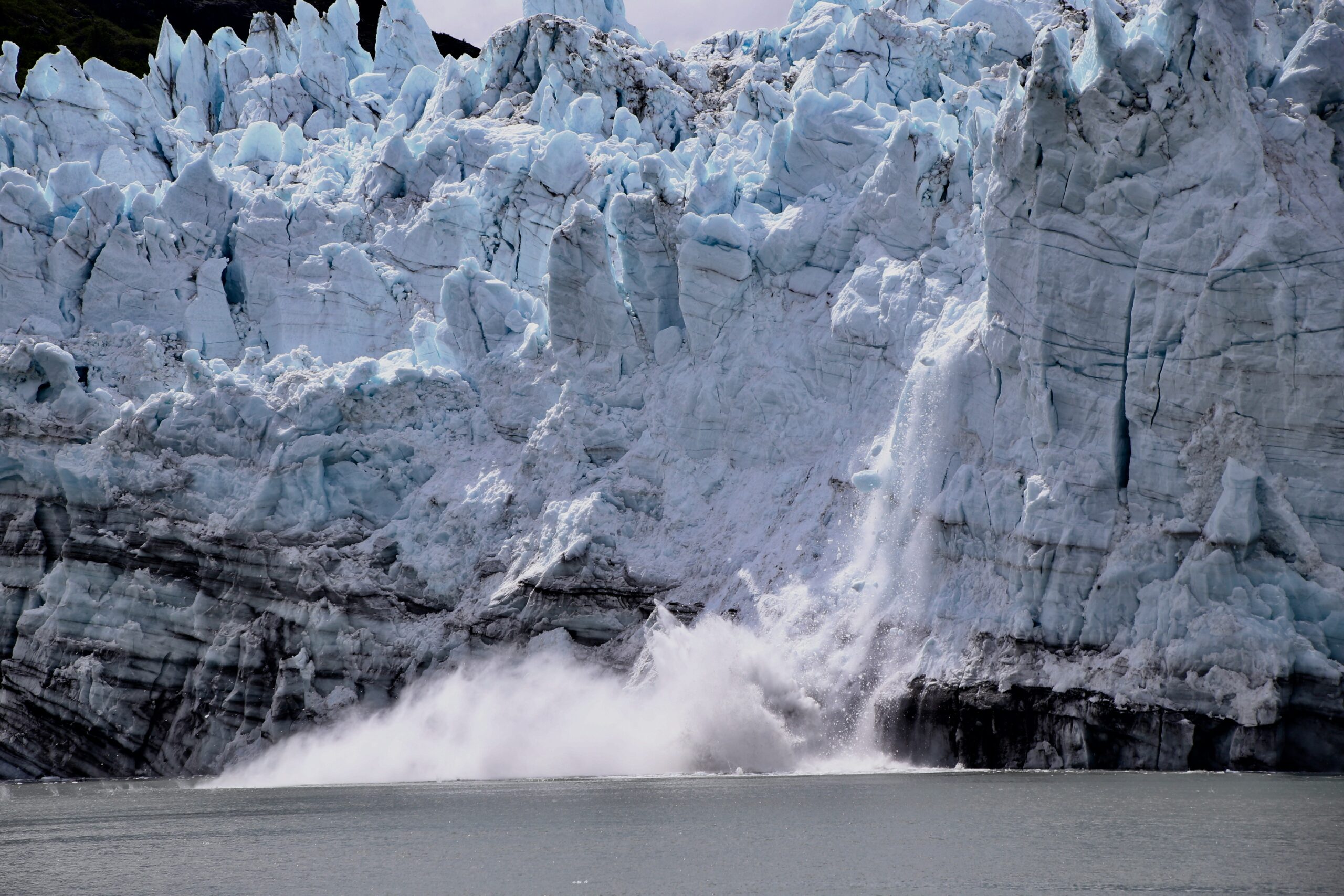
Glacial forces, like colossal sculptors, have been shaping Earth’s landscapes for millennia, their immense power evident in the dramatic features that punctuate continents and islands alike. Among their most awe-inspiring feats is the ability to move boulders of incredible size across vast distances, leaving behind enigmatic geological puzzles that speak to the immense power and slow, persistent logic of ice. These erratics, as they are known, are not merely scattered stones; they are frozen records of glacial journeys, testament to an ancient and potent force that continues to influence our planet’s topography. Understanding how these massive rocks were transported offers a profound glimpse into the dynamic history of our world.
Glaciers are not static rivers of ice but dynamic, flowing entities, akin to extremely slow-moving rivers of solid water. Their formation is a testament to persistent cold and accumulated snowfall. Over long periods, the weight of successive snowfalls compacts the lower layers, transforming fluffy snowflakes into dense, granular ice called firn, and eventually into the crystalline structure of glacial ice. This ice, despite its solid appearance, is remarkably plastic under pressure. The immense weight of the ice mass causes it to deform and flow downslope under its own gravity, a process driven by incredibly slow but ceaseless movement.
Formation and Accumulation
The genesis of a glacier begins in regions where the rate of snowfall consistently exceeds the rate of melting and sublimation. These conditions are typically found at high altitudes in mountain ranges or at high latitudes towards the Earth’s poles. Over thousands of years, snow accumulates in accumulation zones, often in sheltered hollows or cirques. As the layers build up, the pressure exerted by the overlying snow compacts the lower layers.
The Transformation of Snow to Ice
This transformation is a multi-stage process. Initially, the hexagonal crystals of fresh snow, with their intricate structures and trapped air, begin to settle and compact. As more snow falls, the sharp edges of the snowflakes round off, and the air spaces become smaller. This granular ice, known as firn, is denser than fresh snow and marks the intermediate stage. Further compression, coupled with pressure melting and refreezing at the microscopic level, leads to the formation of solid glacial ice. This ice is characterized by its bluish hue, a result of the absorption of red light within its dense crystalline structure.
The Dynamics of Ice Flow
Once a significant mass of glacial ice has formed, it begins to move. This flow is governed by two primary mechanisms: internal deformation and basal sliding. Internal deformation occurs within the ice itself, where the immense pressure causes layers of ice crystals to slide past one another, similar to how a deck of cards can be shuffled. This process leads to a slow, plastic flow of the entire ice mass.
Internal Deformation: The Plasticity of Ice
At the microscopic level, glacial ice is composed of interlocking ice crystals. Under the enormous stresses exerted by the overlying ice sheet, these crystals are forced to deform. This deformation involves the breaking and reforming of molecular bonds within the ice lattice, allowing the crystals to slide and deform without fracturing. This phenomenon is known as creep. The rate of internal deformation is influenced by temperature; warmer ice is more ductile and deforms more readily.
Basal Sliding: The Slippery Undertow
Basal sliding occurs when the bottom of the glacier slides over the bedrock. This can happen due to the presence of meltwater at the base of the glacier, which acts as a lubricant, reducing friction. The temperature of the ice base is crucial here; if it is at the pressure melting point, meltwater can form. Additionally, if the bedrock is relatively smooth and impermeable, basal sliding can be more efficient. Subglacial sediment, if present, can also play a role, although its texture and composition will influence the degree of sliding.
The fascinating phenomenon of boulders being moved by glaciers is intricately connected to the study of ancient climates, as explored in the article “Uncovering the Secret Inscription of Ancient Climate.” This piece delves into how glacial movements have shaped not only the landscape but also our understanding of past environmental conditions. To learn more about this intriguing relationship, you can read the full article here: Uncovering the Secret Inscription of Ancient Climate.
The Mechanisms of Boulder Transport
The movement of boulders by glaciers is a complex interplay of ice flow dynamics and the physical properties of the rocks themselves. These “erratics” – rocks that are geologically distinct from the bedrock on which they rest – are a clear indicator of glacial activity. Glaciers can transport boulders through several primary mechanisms, each contributing to their extraordinary journeys across the landscape.
Entrainment: The Grasp of the Ice
Entrainment is the process by which debris, including boulders, becomes incorporated into the glacier. This happens primarily at the base and sides of the glacier. As the glacier flows, it plucks rocks from the underlying bedrock. This “plucking” action is facilitated by meltwater that seeps into cracks and fissures in the bedrock. When this meltwater refreezes, it expands, exerting pressure that can break off pieces of rock.
Plucking: The Ice’s Powerful Grip
Plucking is a particularly effective mechanism for entraining large rocks. If meltwater freezes around a protruding section of bedrock, the expansion of the ice can exert enough force to detach that section. This is analogous to how ice can break apart pavement. The underlying bedrock must be jointed or fractured for this process to be efficient.
Subglacial Dredging: Scouring the Surface
In addition to plucking, glaciers can also entrain boulders through what is known as subglacial dredging. As the glacier flows, its base can abrade and scour the underlying bedrock, loosening and picking up fragmented material. This process is particularly effective in areas with relatively weak bedrock or where the glacier is carrying a significant load of sediment. The presence of loose, weathered material on the bedrock surface can be easily incorporated into the moving ice.
Transport Within the Ice: The Frozen Cargo
Once entrained, boulders are carried within the glacier. They can be located at the base, embedded within the ice, or even carried near the surface in debris-rich ice. The speed at which a boulder is transported depends on the speed of the ice flow and its position within the glacier. Boulders at the base, especially those caught in basal sliding, tend to move more rapidly.
Internal Transport: Embedded in the Flow
Most entrained boulders are carried within the body of the glacier. They are effectively frozen into the ice and move along with it as the glacier deforms and flows. The rate of transport for a boulder embedded deep within the ice will be directly proportional to the rate of internal deformation in that section of the glacier. This can be a very slow process, with rocks moving only a few meters per year.
Surface Transport: The Visible Load
In some cases, boulders can be carried on the surface of the glacier, particularly if they become exposed through melting or if they were incorporated into the upper layers of the ice. These surface boulders, often called “erratics at altitude,” are a striking sight and provide clear evidence of past glacial extents. Their journey is still dictated by the glacier’s flow, but their isolation can make them appear perched in improbable locations.
The fascinating movement of boulders by glaciers is a testament to the immense power of nature, showcasing how these massive ice formations can transport large rocks over great distances. For those interested in understanding more about the impact of natural forces on our environment, a related article discusses the importance of being prepared for unexpected events, which can include natural disasters. You can read more about this topic in the article found here.
Basal Sliding and Traction
Basal sliding contributes significantly to the movement of boulders, especially those at or near the glacier’s base. The lubricating effect of meltwater allows the glacier to slide over the bedrock, carrying its load of debris with it. If the boulder is large and relatively free, it can be “pulled” along by the basal ice.
The Role of Meltwater
Meltwater at the glacier’s base is a critical factor in basal sliding. It can occur through pressure melting (where the enormous weight of the ice reduces the melting point of water) or through geothermal heat. This water acts as a lubricant, reducing friction between the ice and the bedrock, allowing the glacier to slide more easily. Boulders caught at the base are then propelled forward with the sliding ice.
Rocky Foundations: Interaction with Bedrock
The interaction between the moving ice, the entrained boulders, and the underlying bedrock can lead to further abrasion and modification of both the boulders and the bedrock. This process, known as glacial erosion, sculpts the landscape and contributes to the fine sediment load carried by glaciers. The movement of large, hard boulders acts like sandpaper, grinding away at the bedrock.
The Evidence of Erratic Boulders

Erratic boulders are the most compelling and visually striking evidence of glacial transport. These rocks, often of significant size, are found resting on surfaces composed of entirely different geological material, hundreds

The Boulder That Shouldn’t Exist

FAQs
What are boulders moved by glaciers?
Boulders moved by glaciers are large rocks that have been transported and deposited by glaciers during periods of glaciation. Glaciers can pick up boulders as they move and then deposit them in new locations as the ice melts.
How do glaciers move boulders?
Glaciers move boulders through a combination of processes including plucking, where the glacier freezes onto the boulder and then carries it along as the ice moves, and abrasion, where the boulder is dragged along the ground and can carve out a path as the glacier moves.
Where can boulders moved by glaciers be found?
Boulders moved by glaciers can be found in areas that were once covered by glaciers, such as mountain valleys, moraines, and other glacial landforms. These boulders can also be found in areas where the glaciers have since retreated, leaving behind evidence of their movement.
What can boulders moved by glaciers tell us about the past?
Studying boulders moved by glaciers can provide valuable information about past glacial activity, including the extent and direction of glacial movement, as well as the types of rocks and minerals present in the area. This information can help scientists understand past climate conditions and the history of glaciation in a particular region.
How do scientists study boulders moved by glaciers?
Scientists study boulders moved by glaciers through a variety of methods, including analyzing the composition and characteristics of the boulders, mapping their distribution, and using dating techniques to determine when the boulders were deposited. These studies can help scientists reconstruct the history of glacial activity in a given area.