The Allure of the Ice Labyrinth
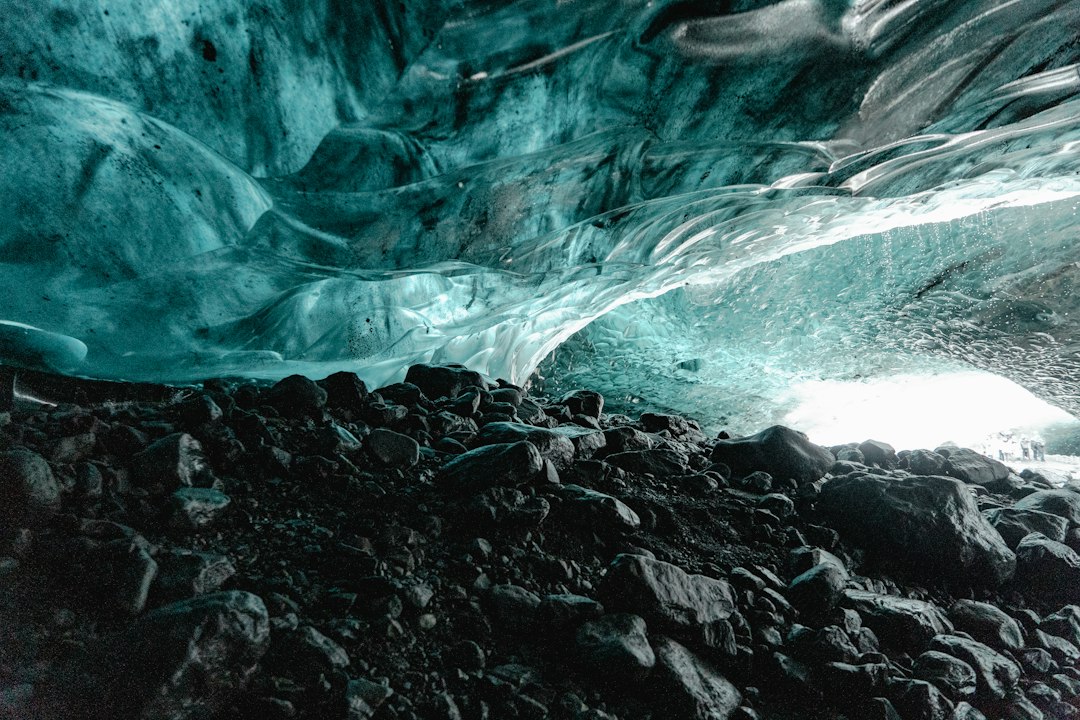
The concept of a glacier cave, an ephemeral world carved by meltwater within the ancient ice of a glacier, has long captured the human imagination. These crystalline cathedrals, formed by the relentless yet gentle sculpting power of flowing water, offer a glimpse into a realm both beautiful and perilous. Their history is intertwined with human curiosity and exploration, evolving from mere curiosities to invaluable scientific laboratories. The study of glacier caves, often referred to as glaciology or more specifically, cryokarstology, has unveiled a wealth of information about glacial dynamics, climate change, and even the ancient Earth. This article will delve into the historical tapestry of glacier cave exploration, charting its progression from early, tentative forays to sophisticated scientific investigations, and highlighting the significant discoveries that have emerged from these icy depths.
Glacier cave exploration has a rich history intertwined with scientific discovery, revealing the intricate dynamics of glacial environments and their impact on climate change. For those interested in the broader implications of ancient technologies and their catastrophic effects, a related article can provide fascinating insights into how lost innovations have shaped our understanding of natural phenomena. To explore this topic further, you can read the article here: Apocalyptic Ancient Tech: Catastrophic Effects of Lost Innovations.
Early Encounters with Subglacial Realms
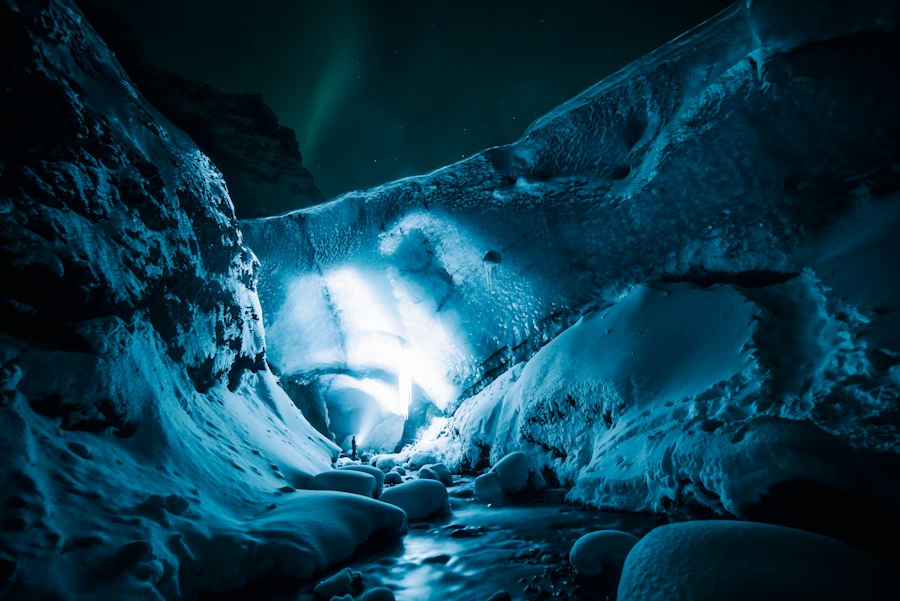
The initial encounters with glacier caves were likely accidental, born out of necessity or sheer curiosity by those who lived and worked near glaciers. For indigenous populations and early explorers, these ice formations were simply part of the formidable landscape, their interiors largely unknown and perhaps even feared. The first documented explorations of what we now recognize as glacier caves are difficult to pinpoint with absolute certainty, as early accounts often blended folklore with factual observation. However, the burgeoning interest in natural sciences during the 18th and 19th centuries began to formalize this exploration.
Folklore and First Accounts
Stories of hidden chambers and passages within glaciers exist in the oral traditions of many cultures inhabiting glaciated regions. These tales, often imbued with supernatural elements, speak to a primal fascination with the impenetrable mass of ice and the mysteries it concealed. While these narratives offer a cultural context for the wonder glacier caves inspired, they lack the scientific rigor that would characterize later explorations. Nevertheless, they represent the earliest expressions of humanity’s desire to understand and penetrate these frozen expanses.
The Dawn of Scientific Inquiry
As naturalists and geologists began to systematically study the Earth’s features, glaciers themselves became subjects of intense interest. Early glaciologists, such as Louis Agassiz in the mid-19th century, laid the groundwork for understanding glacial movement and formation. While their primary focus was on the macroscopic behavior of glaciers, their investigations inevitably led them to observe and sometimes enter the openings that appeared on the ice surface. These openings, often the entrances to supraglacial or englacial cavities, were the nascent glacier caves that would later become scientific hotspots. The descriptions from this era are often rudimentary, focusing on the visual spectacle of ice formations and the challenges of navigating the unstable environments.
The Golden Age of Glacier Cave Exploration
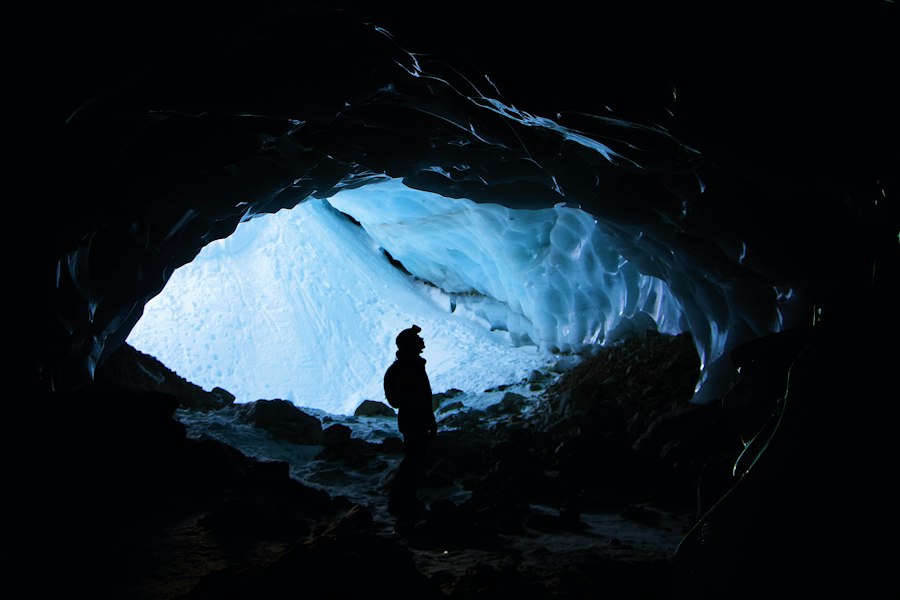
The late 19th and early 20th centuries marked a pivotal period in glacier cave exploration, transitioning from sporadic observations to more deliberate, albeit still dangerous, expeditions. Advances in equipment, coupled with a growing scientific appetite for understanding glacial processes, propelled intrepid explorers into the heart of these icy labyrinths. This era saw the documentation of the complex internal structures of glaciers and the first serious attempts to correlate these findings with broader glaciological theories.
Pioneering Expeditions and Ascents
Notable figures emerged during this period who dedicated themselves to exploring the interiors of glaciers. These were often individuals with a strong background in mountaineering and a keen scientific mind. Expeditions to prominent glaciers in the Alps, the Himalayas, and the Arctic began to systematically chart the known ice caves. The challenges were immense: navigating treacherous icefalls, coping with extreme cold, and the constant threat of collapse. Yet, the allure of the unknown, coupled with the potential for scientific discovery, drove these pioneers forward. Their accounts, often published in journals of geographical societies and scientific expeditions, provided invaluable early data.
Unveiling Internal Structures and Processes
The explorers of this era began to identify and describe the various types of ice caves, distinguishing between those formed by surface meltwater (supraglacial) and those carved by water flowing within the glacier’s ice mass (englacial). They observed the characteristic smooth, rounded tunnels formed by meltwater erosion, the majestic ice columns, and the dazzling ice formations that adorned the cave walls. These observations were crucial in developing early models of glacial hydrology and understanding how meltwater plays a role in glacial dynamics, including lubrication of the ice base and the potential for subglacial outburst floods.
Scientific Revelations from the Ice
The true value of glacier cave exploration began to be realized as scientists recognized these internal ice structures not just as fascinating geological formations, but as living laboratories offering insights into a range of scientific disciplines. The controlled environment and preserved nature of glacial ice made it an ideal medium for studying a variety of phenomena, from past climates to the very mechanics of ice deformation.
Paleoclimate Archives Within the Ice
One of the most significant scientific discoveries stemming from glacier cave research is the role of glacial ice as a repository of past climate information. Ice cores extracted from glaciers, often accessed or studied in conjunction with cave systems, provide a layered record of atmospheric conditions stretching back millennia. Trapped air bubbles within the ice act as time capsules, preserving samples of the ancient atmosphere. By analyzing the composition of these bubbles, scientists can reconstruct past atmospheric concentrations of greenhouse gases like carbon dioxide and methane, providing crucial data for understanding natural climate variability and the impact of human activities.
Analyzing Trapped Gases
The meticulous analysis of these trapped air bubbles is a complex process. Researchers use specialized drills to extract ice cores from deep within glaciers, carefully preserving them to avoid contamination. In laboratories, these cores are then analyzed using techniques such as gas chromatography and mass spectrometry. This allows for the precise measurement of isotopic ratios of gases like oxygen and nitrogen, which can reveal information about past temperatures. Furthermore, direct analysis of the trapped air allows for the direct measurement of past CO2 and methane concentrations. These paleoclimate records are vital for validating climate models and understanding the long-term trends of Earth’s climate system.
Reconstructing Past Temperatures and Precipitation
Beyond atmospheric composition, the isotopic composition of the ice itself provides further clues about past climates. The ratio of oxygen isotopes (¹⁸O to ¹⁶O) and deuterium (²H to ¹H) within the ice molecules varies with temperature at the time of snowfall. By analyzing these ratios at different depths within an ice core, scientists can reconstruct past temperature fluctuations with remarkable accuracy. Similarly, the thickness and density of ice layers can offer insights into past precipitation rates. These comprehensive paleoclimate reconstructions from glaciers are indispensable for understanding the context of current climate change.
Understanding Glacial Dynamics and Hydrology
Glacier caves are intrinsically linked to the dynamic processes within a glacier. Their formation, evolution, and eventual collapse are direct manifestations of meltwater flow and ice deformation. Studying these caves provides crucial data for understanding how glaciers move, how they respond to changing temperatures, and the potential hazards they pose.
Meltwater Pathways and Erosion
The intricate network of channels and conduits within a glacier, often revealed by glacier caves, is a testament to the power of flowing meltwater. Scientists have employed various techniques, including dye tracing and the deployment of sensors, to map these internal hydrological systems. Understanding these pathways is critical for predicting the rate of glacial melting, the volume of water released, and the potential for subglacial erosion, which can significantly influence glacial retreat and sea-level rise. The study of how meltwater carves out these ice tunnels also contributes to our understanding of erosion processes in other icy environments, both on Earth and on other celestial bodies.
Ice Deformation and Stability
Glacier caves are often located in areas of high ice deformation. Their presence and stability are influenced by the internal stresses and strains within the glacier. Studying the morphology and behavior of these caves can provide valuable insights into how glaciers deform and flow over time. This includes understanding the role of fractures, crevasses, and basal sliding in the overall movement of the ice mass. The eventual collapse of glacier caves, while posing a hazard to explorers, also offers scientific opportunities to study the mechanical properties of glacial ice and the forces that govern its stability. Monitoring changes in cave size and shape can provide real-time data on glacier health and its response to environmental changes.
Glacier cave exploration has a fascinating history intertwined with scientific discovery, shedding light on the intricate processes of climate change and glaciology. Researchers have delved into these icy realms to uncover ancient secrets, revealing how glaciers have shaped our planet over millennia. For those interested in the broader implications of historical knowledge and its impact on our understanding of the natural world, a compelling read can be found in the article about the deliberate erasure of ancient wisdom, which explores how past insights can inform our current challenges. You can read more about it here.
Modern Exploration and Technological Advancements
| Year | Event | Location | Significance | Scientific Contribution |
|---|---|---|---|---|
| 1647 | First recorded glacier cave exploration | Mer de Glace, France | Early documentation of glacier caves | Initial observations of ice formations and cave structures |
| 1895 | Systematic mapping of glacier caves | Rhône Glacier, Switzerland | Detailed cave surveys and mapping | Understanding of cave morphology and ice dynamics |
| 1930s | Scientific studies on glacier cave hydrology | Alaska, USA | Investigation of meltwater flow within glacier caves | Insights into subglacial water systems and glacier movement |
| 1960 | Introduction of modern exploration equipment | Vatnajökull Glacier, Iceland | Enhanced safety and depth of exploration | Improved data collection on cave temperature and ice properties |
| 1990 | Use of remote sensing and 3D mapping | Perito Moreno Glacier, Argentina | Non-invasive cave mapping techniques | Accurate 3D models of glacier cave systems |
| 2010 | Discovery of microbial life in glacier caves | Antarctica | Biological exploration of extreme environments | Understanding extremophiles and potential astrobiology analogs |
| 2020 | Climate change impact studies on glacier caves | Alps and Rockies | Monitoring glacier cave retreat and changes | Data on glacier melting rates and environmental impact |
The exploration of glacier caves has been revolutionized by modern technology. What was once a purely physical endeavor, fraught with inherent dangers, is now augmented by sophisticated tools that allow for safer, more comprehensive, and more detailed scientific investigations. This has opened up new avenues for research and significantly expanded our understanding of these icy environments.
Remote Sensing and Geophysical Techniques
The advent of remote sensing technologies has transformed glacier cave exploration by allowing for non-invasive study of these often inaccessible environments. Satellite imagery and aerial photography can help identify potential cave entrances and map large-scale glacial features that may be indicative of subglacial cavities. More advanced geophysical techniques, such as ground-penetrating radar (GPR) and seismic surveys, can penetrate the ice to reveal subsurface structures, including the presence and extent of ice caves and other voids. These methods provide valuable data without the need for direct human entry, significantly reducing risks.
Ground-Penetrating Radar (GPR)
GPR uses radio waves to image subsurface structures. By emitting pulses of electromagnetic energy into the ice and measuring the reflections, GPR can create a profile of what lies beneath the surface. This is particularly useful for detecting changes in ice density and identifying voids or cavities within the glacier. Researchers can deploy GPR units on the surface of a glacier to map the extent of ice caves or identify potential areas where caves might be forming. This technology allows for a broad overview of the subglacial landscape, guiding more targeted investigations.
Seismic and Acoustic Methods
Seismic surveys involve generating sound waves and measuring their travel times and reflections as they pass through the ice. This can reveal information about the internal structure of the glacier, including the presence of ice caves, water channels, and the bedrock beneath the ice. Acoustic methods, which rely on listening to sounds generated within the glacier, can also provide insights into meltwater flow and ice deformation. These techniques, often used in conjunction with GPR, offer a multi-faceted approach to understanding the internal architecture of glaciers.
Robotics and Autonomous Exploration
The inherent dangers of glacier cave exploration have spurred the development of robotic systems designed to venture into these environments. Remotely operated vehicles (ROVs) and autonomous underwater vehicles (AUVs), adapted for glacial conditions, are now being deployed to explore ice caves and subglacial environments. These robots are equipped with cameras, sensors, and sampling tools, allowing them to gather data and imagery from areas that are too hazardous for human explorers.
Submersible Drones for Subglacial Lakes
Many glaciers harbor subglacial lakes, vast bodies of water trapped beneath the ice. These lakes are unique ecosystems and can also provide insights into glacial hydrology and dynamics. Submersible drones and ROVs specifically designed for cold-water environments are being used to explore these lakes. They can collect water samples, measure water temperature and salinity, and record visual data of the lakebed and ice-ice interface. This research is crucial for understanding the potential role of subglacial lakes in lubricating glacial movement and influencing ice sheet stability.
Miniature ROVs for Cave Mapping and Sampling
For exploring the intricate networks of ice caves, miniature ROVs are proving invaluable. These small, agile robots can navigate narrow passages and complex geometries within the ice. Equipped with high-definition cameras and lights, they can create detailed 3D maps of cave systems, revealing their morphology and extent. Furthermore, these robots can be fitted with manipulators to collect ice and water samples, providing valuable material for scientific analysis without risking human lives. The data gathered by these robotic explorers is significantly enhancing our understanding of the internal workings of glaciers.
Future Frontiers and Conservation Concerns
The ongoing exploration of glacier caves continues to push the boundaries of scientific understanding, but it also brings to the forefront critical questions about their future and the need for their conservation. As glaciers worldwide face unprecedented melting due to climate change, these ephemeral ice formations are disappearing at an alarming rate, taking with them their invaluable scientific records and unique beauty.
The Impact of Climate Change on Glacier Caves
The most significant factor influencing the future of glacier caves is unequivocally climate change. Rising global temperatures lead to increased glacial melting, which in turn alters the formation, stability, and longevity of ice caves. Many caves that were once stable and accessible are now collapsing or disappearing altogether. This has profound implications for glaciological research, as the unique archives and insights they provide are being lost before they can be fully studied. The ephemeral nature of glacier caves, always a characteristic, is now being exacerbated to a critical level.
Accelerating Melt and Cave Collapse
The accelerated melting of glaciers directly impacts the structural integrity of ice caves. Meltwater, which forms and shapes these caves, can also lead to their erosion and eventual collapse. As temperatures rise, the rate of meltwater production increases, leading to larger and more dynamic hydrological systems within the glacier. This can destabilize cave ceilings and walls, making them increasingly dangerous to explore and ultimately leading to their complete disappearance. The loss of these formations represents a loss of unique geological features and potential scientific data.
Loss of Paleoclimate Archives
The disappearance of glaciers due to climate change also means the potential loss of invaluable paleoclimate archives. Ice cores extracted from glaciers are critical for reconstructing past climate conditions. If glaciers melt entirely, these records are gone forever. Glacier caves, as integral parts of the glacial system, can offer unique insights into the history of meltwater flow and its interaction with the ice, providing a complementary perspective to ice core data. Their loss signifies a diminishment of our ability to understand Earth’s climate history.
Conservation Efforts and Sustainable Exploration
Recognizing the fragility of glacier cave environments, there is a growing emphasis on responsible and sustainable exploration practices. This includes minimizing human impact, prioritizing research over recreation in sensitive areas, and advocating for broader conservation efforts to protect glaciers themselves. The future of glacier cave exploration lies in a delicate balance between scientific curiosity and ecological stewardship.
Ethical Guidelines for Exploration
As glacier cave exploration becomes more accessible, the establishment of ethical guidelines is paramount. These guidelines aim to ensure that exploration is conducted with minimal environmental impact, respecting the fragile nature of the ice formations and the surrounding glacial ecosystem. This includes careful planning of expeditions, adherence to strict waste management protocols, and avoiding actions that could destabilize ice structures or disturb wildlife. Collaboration between glaciologists, conservationists, and local authorities is essential for developing and enforcing these ethical frameworks.
The Role of Citizen Science and Public Awareness
Public awareness campaigns play a vital role in highlighting the importance of glacier caves and the threats they face. Citizen science initiatives can also contribute valuable data by engaging the public in responsible observation and reporting of glacier changes. By fostering a greater appreciation for these natural wonders, it is hoped that broader support for conservation efforts will emerge, ensuring that the study and wonder of glacier caves can continue for future generations, even as the glaciers themselves face an uncertain future. The ongoing dialogue about the future of these icy realms underscores their profound significance, both scientifically and aesthetically, in a changing world.

Beneath the Ice: Surviving the Ice Age 20,000 Years Ago
FAQs
What is a glacier cave?
A glacier cave is a cave that forms within or beneath a glacier. These caves are typically formed by meltwater flowing through or under the glacier, creating tunnels and chambers.
How are glacier caves different from regular caves?
Glacier caves are unique in that they are formed by the movement of ice and meltwater, rather than by the erosion of rock. They can be unstable due to the constantly changing nature of glaciers.
Why are glacier caves important for scientific research?
Glacier caves provide valuable insights into the dynamics of glaciers, climate change, and even microbial life that can survive in extreme conditions. Studying glacier caves can help scientists better understand the Earth’s past and future.
What are some risks associated with exploring glacier caves?
Exploring glacier caves can be dangerous due to the potential for collapse, falling ice, and changing conditions within the caves. It is important for explorers to have proper training, equipment, and knowledge of glacier cave environments.
How have advancements in technology impacted glacier cave exploration?
Advancements in technology, such as drones, 3D mapping, and remote sensing, have revolutionized glacier cave exploration. These tools allow researchers to safely explore and study glacier caves in ways that were not possible before.