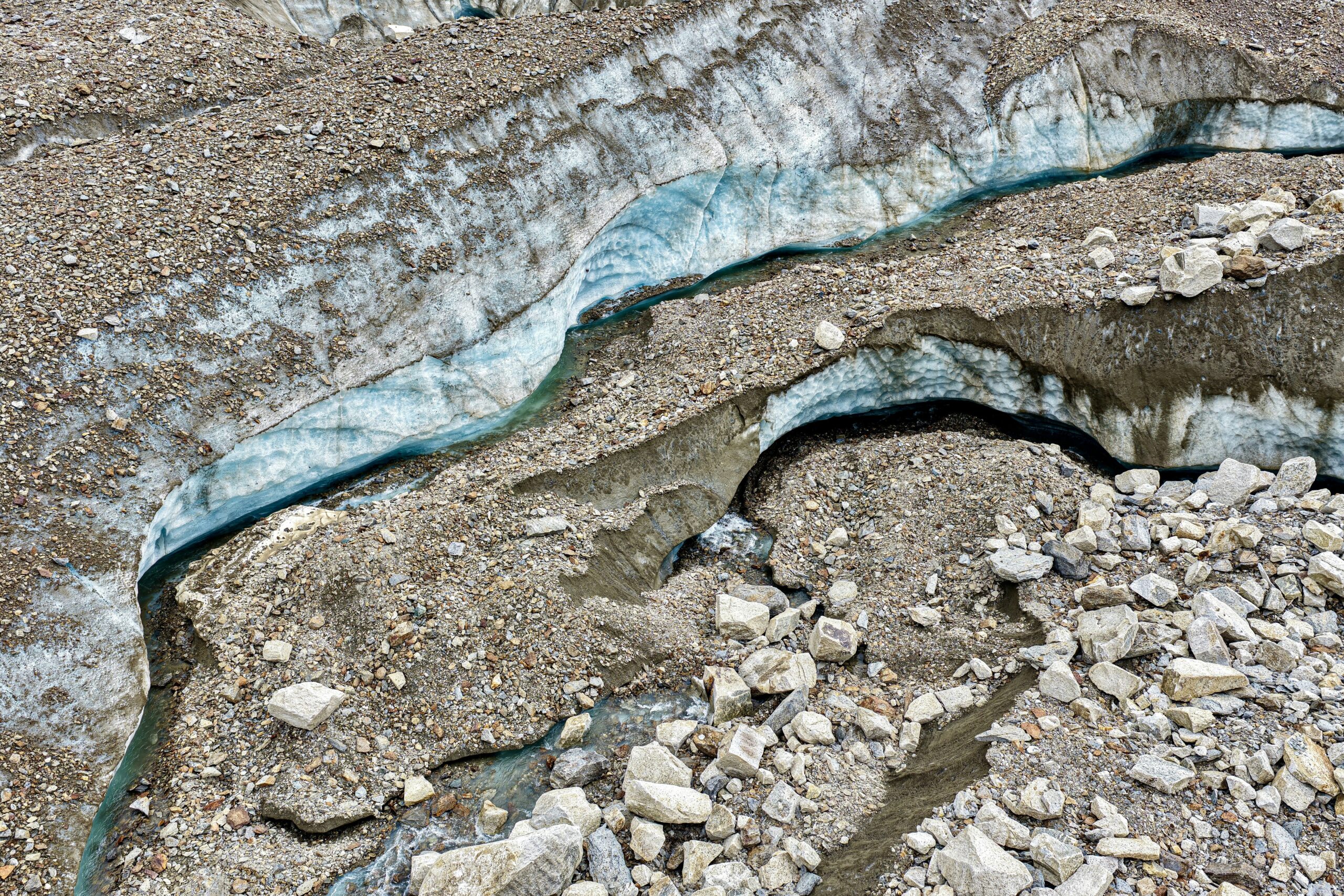
The Earth’s surface, a canvas of continents and oceans, is constantly being reshaped by powerful forces that often operate unseen. Among the most formidable of these agents of change are glaciers. Far from being static behemoths of ice, these vast rivers of frozen water are surprisingly dynamic, tirelessly sculpting landscapes and performing the remarkable feat of moving colossal amounts of rock. Their glacial pace belies an immense power, a slow but inexorable force that has shaped mountain ranges, carved out valleys, and transported material across continents. This article will delve into the extraordinary capabilities of glaciers as movers of rock, exploring the mechanisms by which they achieve this geological feat and the profound impact they have had and continue to have on our planet.
Glaciers are more than just collections of ice; they are complex, flowing systems that exert significant pressure on the land beneath them. Their immense mass, often thousands of meters thick, generates pressures that can exceed that of the surrounding atmosphere by orders of magnitude. This pressure, combined with the inherent properties of ice, allows glaciers to deform and move downslope under the influence of gravity. The rate of movement can vary dramatically, from a few meters per year in slow-moving alpine glaciers to hundreds of meters per year in some fast-flowing ice streams in polar regions. This continuous motion is the fundamental driving force behind their ability to transport rock.
The Genesis of a Glacier: From Snow to Flowing Ice
The formation of a glacier is a process that unfolds over centuries, even millennia. It begins with the accumulation of snow in areas where snowfall consistently exceeds melting. In these environments, typically at high altitudes or high latitudes, snow begins to pack down, losing its crystalline structure and becoming denser. This compacted snow, known as firn, undergoes further transformation under increasing pressure. The air spaces within the snow are gradually squeezed out, and the ice crystals begin to fuse together. Over time, this process leads to the formation of glacial ice, a dense, opaque material that has a characteristic bluish hue due to the way it absorbs and scatters light. Once a sufficient mass of glacial ice accumulates, it begins to deform and flow under its own weight. This initial movement is often slow, but as the glacier grows, its flow rate increases, and it begins to exert its immense erosional and transportational power.
The Engine of Movement: Internal Deformation and Basal Sliding
Glacier movement is a complex interplay of two primary mechanisms: internal deformation and basal sliding. Internal deformation occurs within the glacial ice itself. Under immense pressure, the ice crystals, which are essentially microscopic grains, can slide past one another along their internal planes. This process, akin to the plastic deformation of a metal, allows the ice to flow like a viscous fluid, albeit an extremely slow one. This is particularly dominant in colder glaciers where the base is frozen to the bedrock.
Basal sliding, on the other hand, is the movement of the entire glacier over the bedrock surface. This occurs when the temperature at the base of the glacier rises above the melting point, forming a thin layer of meltwater. This water acts as a lubricant, allowing the massive ice body to slide downslope. The presence of meltwater is influenced by geothermal heat from the Earth, basal friction, and the pressure melting effect of the overlying ice. In warmer glaciers, basal sliding can be a significant, if not dominant, component of their overall movement. The interaction between these two processes dictates the speed and efficiency with which glaciers transport material.
The Role of Crevasses and Seracs: Indicators of Stress and Strain
As glaciers flow, they encounter variations in the underlying topography and experience differing rates of movement. These stresses and strains result in the formation of characteristic glacial features such as crevasses and seracs. Crevasses are deep fissures or cracks that form in the ice, typically perpendicular to the direction of flow. They are a visual manifestation of the tensile stresses within the glacier. Seracs are irregular blocks or pinnacles of ice that form when crevasses intersect and the ice between them collapses and freezes. These features, while visually dramatic, also play a role in the glacier’s ability to abrade and transport rock, providing zones where ice can fracture and incorporate debris.
Glaciers are fascinating natural phenomena that not only shape landscapes but also play a crucial role in transporting rocks and sediments over vast distances. For an in-depth exploration of how glaciers move rocks, you can refer to the article titled “The Role of Glaciers in Erosion and Sediment Transport.” This article delves into the mechanisms of glacial movement and the impact it has on geological formations. To read more about this topic, visit here.
The Glacial Quarry: Mechanisms of Rock Erosion
Glaciers are formidable erosional agents, capable of grinding away at bedrock and excavating vast quantities of material. Their immense weight and the presence of sharp rock fragments embedded within their ice give them a powerful abrasive and plucking action that reshapes the landscape with relentless efficiency. Understanding these erosional mechanisms is key to appreciating how glaciers become such prodigious movers of rock.
Plucking: The Glacier’s Grasp on the Bedrock
One of the most significant erosional processes employed by glaciers is plucking, also known as quarrying. This occurs when meltwater seeps into cracks and fissures in the bedrock beneath the glacier. As the ice moves, it freezes onto the exposed rock surfaces, forming a strong bond. When the glacier continues to flow, it exerts immense force, pulling away chunks or blocks of rock from the bedrock. This process is particularly effective in areas where the bedrock is fractured or jointed. The glacier effectively acts like a giant ice chisel, prying loose fragments of rock that are then incorporated into the moving ice mass. Evidence of plucking can be seen in the angular, plucked appearance of rocks on the downstream side of glacial erosional features.
Abrasion: The Grinding Power of Embedded Debris
Abrasion is another crucial erosional process driven by glaciers. As the glacier flows, the rock fragments and sediment that have been plucked from the bedrock become embedded in its base. These sharp, angular pieces of rock act like sandpaper, grinding and scouring the underlying bedrock as the glacier moves. This process smooths and polishes the rock surface, leaving behind distinctive striations and grooves that run parallel to the direction of glacial flow. The finer sediment within the glacier, often called rock flour, contributes to a very fine-grained abrasion, creating a polished sheen on the bedrock. The larger, coarser debris, however, does the most significant work in terms of shaping the landscape and excavating material.
Roaring and Rumble: The Sound of Glacial Erosion
The processes of plucking and abrasion are not silent. Studies have shown that glaciers can produce a cacophony of sounds, from a dull roar to sharp cracks and clicks. These sounds are often associated with the movement of ice, the fracturing of bedrock, and the grinding of rock fragments. The intensity and frequency of these sounds can provide scientists with insights into the ongoing erosional activity of a glacier. While not a direct mechanism of rock movement, these sounds are a testament to the powerful forces at play.
Transportation: The Glacier as a Conveyor Belt
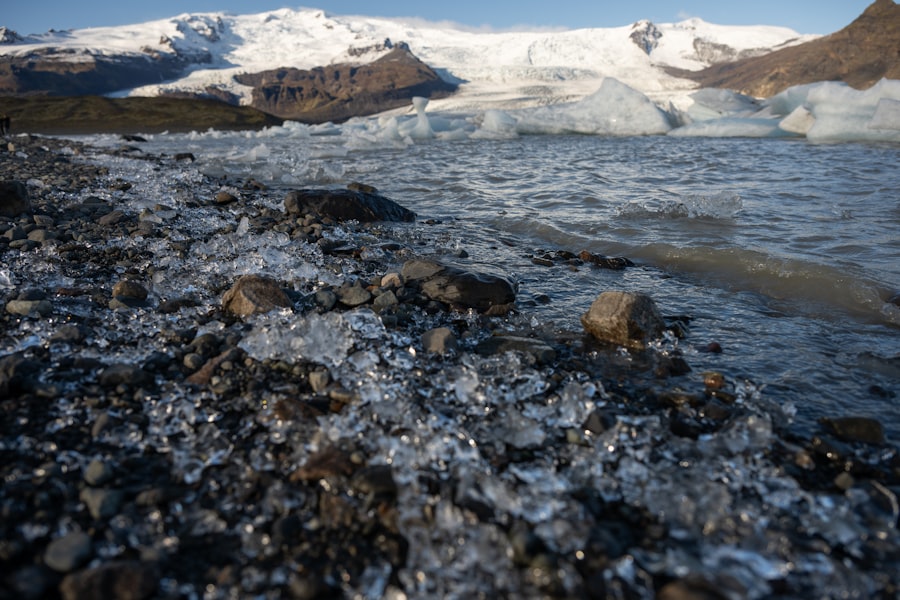
Once rock fragments are detached and embedded within the ice, the glacier becomes a colossal conveyor belt, transporting this material over vast distances. This glacial transport is responsible for many of the distinctive geomorphological features found in formerly glaciated regions. The sheer volume of ice and its sustained movement allow for the transport of even the largest boulders.
Basal Load: The Hidden Freight of the Glacier
The majority of the rock material transported by a glacier is carried at its base, embedded in the ice or within a layer of till. This basal load can consist of everything from fine silt and sand to massive boulders weighing hundreds or even thousands of tons. The plucking and abrasion processes at the glacier’s base continuously supply this basal load. As the glacier flows, this material is dragged along the bedrock, further contributing to abrasion and shaping the landscape. The till deposited by the glacier, which is an unsorted mixture of clay, sand, gravel, and boulders, is a direct reflection of the varied material that has been transported.
###englacial and Supraglacial Debris: Ice Can Float Loads
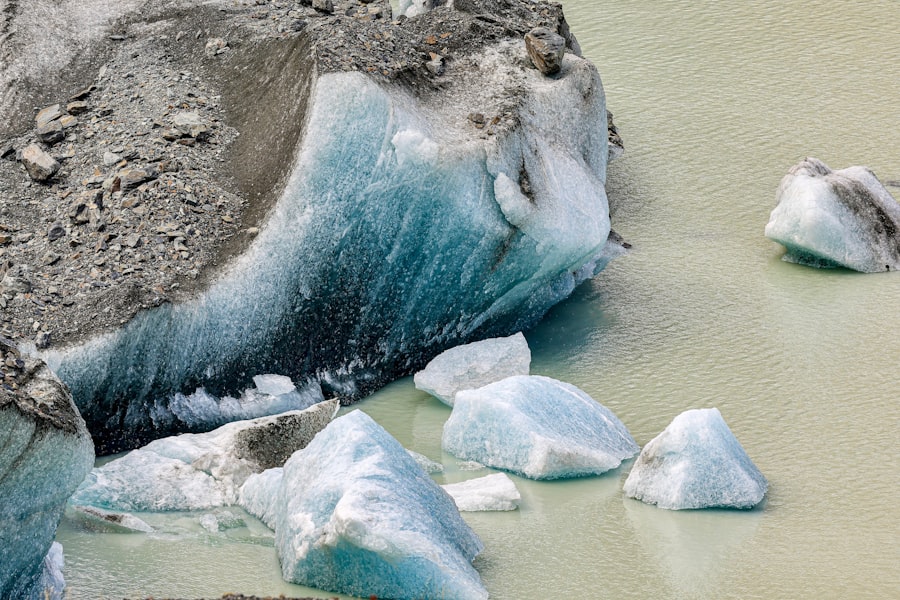
While the basal load is the most significant, glaciers also transport rock material within the ice itself (englacial debris) and on their surface (supraglacial debris). Englacial debris is incorporated into the ice as crevasses close, or as snow accumulates over exposed rock. Supraglacial debris, often seen as erratics perched on the surface of glaciers or deposited as the ice melts, is material that has fallen from valley walls or has been derived from nunataks (exposed rock peaks above the glacier). This supraglacial debris can travel for hundreds of kilometers, eventually being deposited far from its source as the glacier melts. The presence of these erratics, often composed of rock types not found in the immediate vicinity, is a clear indicator of past glacial activity.
The Scale of Transport: From Pebbles to Mountains
The scale of glacial transport is truly astonishing. Glaciers can move sediment ranging from microscopic rock flour to enormous boulders. Some of these boulders, known as glacial erratics, can weigh thousands of tons and have been transported for hundreds of kilometers from their original location. These massive transported rocks provide irrefutable evidence of the immense power and reach of glacial ice, serving as silent witnesses to a time when ice sheets covered vast continents. The transport of these monumental stones is a testament to the persistent, slow-moving force of glaciers.
Deposition: Leaving a Geological Legacy
As glaciers melt and retreat, they deposit the vast quantities of rock material they have accumulated. This process of deposition creates a distinctive suite of landforms and geological deposits that are hallmarks of glaciated landscapes. These deposits, known as glacial till or moraines, are a direct legacy of the glacier’s former presence and its role as a mover of rock.
Moraines: The Accumulations of Ice’s Journey
Moraines are the most recognizable depositional landforms created by glaciers. They are ridges or accumulations of till that mark the path and limits of glacial advance. Different types of moraines exist, each telling a story about the glacier’s activity. Terminal moraines form at the furthest extent of a glacier’s advance, while lateral moraines form along the sides of a valley glacier. Medial moraines form where two valley glaciers merge, carrying debris from their adjacent sides. Recessional moraines form as a glacier retreats, indicating pauses in its withdrawal. These ridged accumulations are composed of unsorted material, ranging from fine clay to large boulders, reflecting the diverse nature of materials carried by the glacier.
Till and Stratified Drift: The Material Left Behind
The unsorted, unstratified mixture of clay, silt, sand, gravel, and boulders deposited directly by glacial ice is known as till. It is characterized by its chaotic nature and the angularity of its clasts. In contrast, stratified drift is deposited by meltwater streams flowing away from the glacier. This material is sorted and layered, with finer sediments deposited further from the ice margin and coarser materials closer. Outwash plains, kames, and eskers are examples of landforms created by stratified drift. The distinction between till and stratified drift is crucial for geologists in understanding the processes that occurred during glacial retreat.
The Landscape Transformed: A Scars of Ice
The depositional legacy of glaciers extends beyond simple piles of debris. The sheer volume and distribution of deposited material have profoundly reshaped landscapes. Vast plains of till, sculpted valleys, and distinctive drumlin fields are all direct results of glacial deposition. These landforms not only provide evidence of past glaciation but also influence soil formation, drainage patterns, and the distribution of vegetation, shaping the very character of the regions they inhabit. The post-glacial landscape is a canvas painted by the slow but persistent hand of moving ice, bearing the marks of its erosive and transportive power.
Glaciers are fascinating natural phenomena that not only shape landscapes but also play a significant role in transporting rocks and sediments over vast distances. As they move, glaciers can carry boulders and smaller stones, which can lead to the formation of unique geological features. For those interested in exploring more about the impact of natural forces on our planet, a related article discusses the intriguing evidence of a lost advanced civilization and how geological processes may have influenced its development. You can read more about this captivating topic here.
The Modern Glacier: Continuing the Work
| Glacier Movement Metric | Description |
|---|---|
| Glacial Erosion | The process of glaciers picking up and carrying rocks as they move, which can result in the scraping and shaping of the underlying bedrock. |
| Glacial Transport | The movement of rocks and sediments by glaciers, which can range from small particles to large boulders being carried along with the ice. |
| Glacial Deposition | The process of glaciers depositing rocks and sediments as they melt, creating landforms such as moraines and drumlins. |
While the great ice sheets of the Pleistocene epoch have largely retreated, glaciers continue to be active geological agents in many parts of the world. Although their scale may be diminished compared to their glacial antecedents, their fundamental properties of ice flow, erosion, and transport remain. Understanding modern glaciers is crucial for predicting future landscape changes and for comprehending the ongoing influence of ice on our planet.
Alpine Glaciers: Sculptors of Mountain Ranges
Alpine glaciers, found in mountain ranges around the world, are still actively shaping their environments. They continue to pluck and abrade bedrock, carving out characteristic U-shaped valleys, cirques, and arêtes. As they flow downslope, they transport rock debris, contributing to the formation of moraines and influencing the sediment load of rivers. The study of these living glaciers provides invaluable insights into the processes that shaped larger ice masses in the past and continue to operate on a smaller scale today. Their dynamism serves as a constant reminder of the power inherent in frozen water.
Polar Ice Sheets and Their Dynamic Edges
The massive ice sheets of Greenland and Antarctica, though vast and seemingly static, are also dynamic systems. Their outlet glaciers and ice streams flow at considerable speeds, transporting enormous quantities of ice and sediment to the ocean. As global temperatures rise, these ice sheets are showing signs of increased melting and accelerated flow, raising concerns about sea-level rise. The edges of these ice sheets, where they interact with the ocean, are sites of intense glacial activity, including iceberg calving and meltwater discharge, all of which involve the movement and deposition of rock material.
The Impact of Climate Change: Amplifying Glacial Power
Climate change is having a profound and often accelerating impact on glaciers worldwide. As temperatures rise, glaciers are melting at an unprecedented rate. This accelerated melting can lead to increased meltwater production at the glacier’s base, potentially enhancing basal sliding and thus increasing the rate of rock transport in some areas. Conversely, in regions where glaciers are thinning significantly, their ability to erode and transport rock may diminish. The interplay between melting, ice flow, and remaining rock debris in a warming world is a complex area of ongoing research, with potential implications for future landscape evolution and geological processes. The continued observation and study of these vital ice bodies are paramount to understanding not only past geological processes but also the future of our planet.

The Boulder That Shouldn’t Exist
FAQs
1. How do glaciers move rocks?
Glaciers move rocks through a process called glacial erosion, where the immense weight and pressure of the ice slowly pushes and drags rocks along the glacier’s path.
2. What types of rocks do glaciers move?
Glaciers can move a wide variety of rocks, including large boulders, smaller stones, and even fine sediment. The size and type of rocks moved depend on the glacier’s size, speed, and the terrain it travels over.
3. What evidence shows that glaciers move rocks?
Glacial striations, glacial erratics (large rocks that differ from the surrounding bedrock), and polished rock surfaces are all evidence of glaciers moving rocks. These features can be found in areas that were once covered by glaciers.
4. How far can glaciers move rocks?
Glaciers can transport rocks for long distances, sometimes hundreds of kilometers from their original location. The movement of rocks by glaciers can significantly alter the landscape over time.
5. What impact do glaciers moving rocks have on the environment?
The movement of rocks by glaciers can contribute to the shaping of valleys, the formation of moraines, and the creation of unique landforms. It also plays a role in the transportation of sediment and the formation of new soil in areas affected by glaciation.