
Global Market Hesitation: Synchronized Uncertainty
The global financial landscape has entered a period characterized by a pervasive sense of hesitation. This is not a localized phenomenon but rather a synchronized uncertainty affecting major economic blocs and a multitude of asset classes. Investors, corporations, and policymakers are navigating a complex web of interconnected risks, leading to cautious behavior and a deceleration in previously robust growth trajectories. The underlying causes are multifaceted, ranging from geopolitical tensions and persistent inflation to policy shifts and the lingering effects of global supply chain disruptions. This era of hesitant markets demands a granular understanding of the forces at play and a sober assessment of the potential consequences.
The stubborn persistence of inflation continues to be a primary driver of market apprehension. Decades of relatively low price pressures have given way to a new reality where inflation has become a significant concern for households and businesses alike. The reasons for this shift are complex, involving a confluence of factors that have disrupted the delicate balance of global supply and demand.
Supply-Side Shocks and Their Enduring Impact
The initial surge in inflationary pressures was largely attributed to supply-side disruptions stemming from the COVID-19 pandemic. Lockdowns, factory closures, and labor shortages created bottlenecks in production and transportation, leading to shortages and higher prices for a wide range of goods.
The Semiconductor Shortage as a Case Study
The global semiconductor shortage serves as a stark illustration of these supply-side vulnerabilities. Crucial for everything from automobiles to consumer electronics, the scarcity of these microchips has reverberated through multiple industries, leading to production delays and increased costs for manufacturers. This not only impacts the final price of goods but also slows down innovation and the development of new technologies.
Energy Price Volatility and its Spillover Effects
The energy sector has experienced unprecedented volatility, with significant price swings driven by geopolitical events, particularly the conflict in Ukraine, and the ongoing energy transition. Higher energy costs directly impact transportation, manufacturing, and household budgets, creating a cascading effect throughout the economy. This volatility makes long-term planning and investment decisions challenging for businesses.
Labor Market Tightness
In many developed economies, labor markets remain exceptionally tight. A combination of demographic shifts, early retirements, and shifts in worker preferences post-pandemic has led to a scarcity of available workers. This forces businesses to offer higher wages to attract and retain talent, contributing to increased operating costs that are often passed on to consumers.
Demand-Side Resilience and its Contribution to Inflation
While supply-side issues have been central, demand-side factors have also played a role in sustaining inflationary pressures. Stimulus measures implemented during the pandemic, while necessary to cushion the economic blow, injected significant liquidity into economies, boosting consumer spending power.
Pent-up Consumer Demand
As economies reopened, pent-up consumer demand, particularly for services that were curtailed during lockdowns, manifested strongly. This surge in spending, coupled with limited supply, created an environment ripe for price increases.
The Role of Fiscal and Monetary Stimulus
The vast scale of fiscal and monetary stimulus deployed globally injected substantial purchasing power into economies. While intended to prevent collapse, the sheer volume of money circulating has, in retrospect, contributed to demand-pull inflation, especially when combined with supply constraints.
In exploring the complexities of synchronized hesitation in global markets, it is essential to consider the broader implications of environmental issues that can influence economic stability. A related article that delves into one such pressing concern is “The Deforestation Crisis: A Looming Catastrophe,” which highlights how environmental degradation can lead to significant economic repercussions. Understanding the interconnectedness of ecological health and market dynamics can provide valuable insights into the factors driving hesitation among investors and policymakers alike. For more information, you can read the article here: The Deforestation Crisis: A Looming Catastrophe.
Geopolitical Tensions and Global Fragmentation
The current geopolitical landscape is characterized by a surge in tensions and a growing trend towards economic fragmentation. Long-standing rivalries have intensified, and new conflicts have emerged, creating a climate of uncertainty that directly impacts global trade, investment, and economic cooperation.
The War in Ukraine and its Ramifications
The ongoing conflict in Ukraine has had profound and far-reaching consequences for the global economy. Beyond the immediate humanitarian crisis, the war has disrupted crucial supply chains, particularly for energy and food, leading to price spikes and exacerbating existing inflationary pressures.
Impact on Global Energy Markets
The weaponization of energy supplies by Russia has led to significant disruptions in global energy markets. Europe, in particular, has been forced to scramble for alternative energy sources, leading to price volatility and concerns about energy security. This also has knock-on effects for industries reliant on affordable energy.
Food Security Concerns
Both Russia and Ukraine are major global exporters of agricultural products, including wheat and fertilizers. The disruption of these supplies has created significant concerns about global food security, particularly in developing nations that are heavily reliant on these imports. This can lead to social unrest and humanitarian crises.
Rising US-China Tensions and Trade Decoupling
The strategic competition between the United States and China continues to be a defining feature of the geopolitical landscape. This rivalry has manifested in trade disputes, technological restrictions, and a general move towards decoupling in certain strategic sectors.
Technological Competition and Export Controls
The race for technological supremacy, particularly in areas like artificial intelligence, semiconductors, and 5G, has led to increased scrutiny and restrictions on technology flows between the US and China. Export controls and bans on specific companies have created uncertainty for global technology supply chains.
Diversification of Supply Chains Away from China
Companies are increasingly reassessing their reliance on China as a manufacturing hub. Concerns about geopolitical risks, trade barriers, and rising labor costs are driving a trend towards diversifying supply chains to other regions, such as Southeast Asia and Mexico. This transition is complex, costly, and can lead to short-term disruptions.
The “Friend-shoring” Trend
A growing narrative around “friend-shoring” suggests a preference for sourcing materials and manufacturing from countries that are considered geopolitical allies. While offering potential for greater supply chain resilience, this approach risks fragmenting the global economy and potentially increasing costs.
Monetary Policy Tightening and Its Economic Repercussions
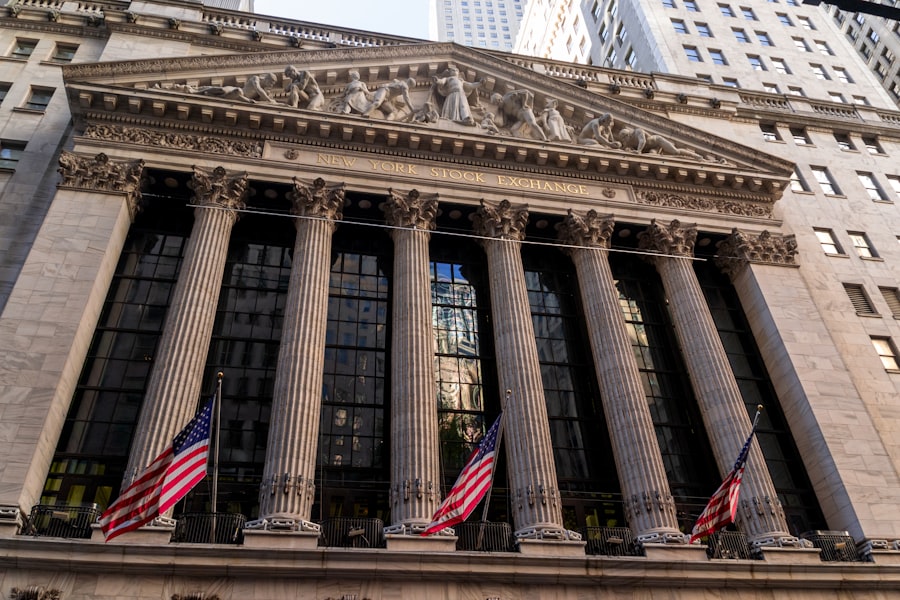
Central banks around the world have embarked on aggressive monetary policy tightening cycles to combat persistent inflation. This shift from an era of ultra-low interest rates has significant implications for economic growth, investment, and financial stability.
Raising Interest Rates to Curb Inflation
The primary tool being employed by central banks is the raising of benchmark interest rates. This action aims to cool down economic activity by making borrowing more expensive for consumers and businesses, thereby reducing aggregate demand.
The Impact on Borrowing Costs
Higher interest rates directly translate to increased borrowing costs for individuals and corporations. This affects mortgage payments, car loans, business loans, and corporate bond yields, potentially slowing down consumption and investment.
The Risk of a “Hard Landing”
A significant concern is that aggressive monetary tightening could lead to a “hard landing” for the global economy, where the aggressive pace of rate hikes triggers a recession. The challenge for central banks is to achieve a “soft landing,” bringing inflation under control without causing a severe economic downturn.
Quantitative Tightening and its Liquidity Effects
In addition to interest rate hikes, many central banks are also engaging in quantitative tightening (QT). This involves reducing the size of their balance sheets by allowing bonds to mature without reinvestment or by actively selling them.
Reducing the Money Supply
QT aims to reduce the amount of liquidity in financial markets, which can further tighten financial conditions and potentially weigh on asset prices.
Impact on Bond Markets
The unwinding of central bank balance sheets can lead to increased volatility in bond markets and potentially higher long-term interest rates as supply of bonds increases.
Corporate Sector Adjustments and Investment Hesitation

Corporations are facing a challenging operating environment characterized by rising costs, uncertain demand, and increased financing expenses. This has led to a more cautious approach to investment and expansion.
Navigating Rising Input Costs
Businesses are struggling to absorb the rising costs of raw materials, energy, and labor. This pressure on profit margins forces companies to make difficult decisions regarding pricing, production levels, and investment.
The Challenge of Passing on Costs
While some companies can pass on increased costs to consumers, many operate in competitive markets where price increases can lead to a loss of market share. This limits their ability to fully offset rising expenses.
Inventory Management in an Uncertain Environment
Managing inventory levels has become a delicate balancing act. Companies are hesitant to hold excessive stock due to uncertainty about future demand and the risk of obsolescence, while simultaneously trying to avoid stockouts that can damage customer relationships.
Re-evaluation of Capital Expenditure Plans
The prevailing economic uncertainty has led many corporations to put the brakes on previously planned capital expenditure. Investments in new equipment, facilities, and research and development are being scrutinized more closely.
Focus on Return on Investment (ROI)
The bar for approving new investments has been significantly raised. Companies are demanding higher and more immediate returns on their capital outlay, leading to a preference for projects with shorter payback periods.
Shifting Investment Priorities
Investment priorities are shifting. There is a greater emphasis on projects that enhance efficiency, reduce costs, or improve supply chain resilience, rather than purely growth-oriented initiatives.
In exploring the concept of synchronized hesitation in global markets, it is essential to consider the broader economic implications that can arise from such phenomena. For instance, the economic relationship between the United States and Mexico plays a crucial role in shaping market dynamics. A related article discusses this relationship and highlights the economic importance of Mexico for the U.S. economy, shedding light on how fluctuations in one market can lead to hesitations in others. You can read more about this interconnectedness in the article found here: the economic importance of Mexico for the US.
Emerging Market Vulnerabilities and Capital Flight Risks
| Market | Level of Synchronized Hesitation | Reasons |
|---|---|---|
| Stock Market | High | Uncertainty about global economic growth |
| Forex Market | Moderate | Geopolitical tensions and trade disputes |
| Commodity Market | Low | Fluctuating demand and supply dynamics |
Emerging markets often find themselves particularly exposed to the current global economic headwinds. Their reliance on foreign investment, commodity prices, and the strength of developed economies makes them susceptible to synchronized uncertainty.
The Impact of Global Interest Rate Hikes
As developed economies raise interest rates, capital tends to flow out of emerging markets and back to perceived safer havens. This can lead to currency depreciation, higher borrowing costs, and reduced investment in these economies.
Currency Depreciation and Import Costs
When emerging market currencies depreciate against major global currencies, the cost of imports, including essential goods and raw materials, rises significantly. This can fuel domestic inflation and erode purchasing power.
Debt Servicing Challenges
Many emerging market economies have accumulated significant levels of debt, often denominated in foreign currencies. As global interest rates rise and their currencies weaken, the cost of servicing this debt increases, potentially leading to fiscal stress.
Commodity Price Sensitivity
Many emerging markets are significant exporters of commodities. While high commodity prices can be beneficial, volatility in these markets, driven by global economic slowdowns or shifts in demand, can create significant economic challenges.
The Double-Edged Sword of Commodity Exports
Developing nations reliant on commodity exports can experience boom-and-bust cycles. Even if current prices are high, the threat of a global recession or a sharp decline in demand can create considerable uncertainty about future revenues.
Diversification as a Long-Term Strategy
The current environment highlights the importance of economic diversification for emerging markets. Reducing reliance on a narrow range of commodity exports and developing other sectors can build greater resilience against external shocks.
In conclusion, the global market is currently in a state of synchronized uncertainty, marked by persistent inflation, rising geopolitical tensions, aggressive monetary policy tightening, corporate caution, and emerging market vulnerabilities. This environment is characterized by hesitation rather than outright panic, as stakeholders grapple with complex and interconnected risks. Navigating this period requires a keen understanding of the underlying dynamics and a measured approach to investment and economic policy. The path forward is likely to be uneven, with periods of increased volatility and slower growth as the global economy adjusts to these new realities.
FAQs
What is synchronized hesitation in global markets?
Synchronized hesitation in global markets refers to a situation where multiple financial markets around the world experience a simultaneous period of uncertainty and indecision. This can manifest as a lack of significant movement in stock prices, currency values, or other financial indicators across different countries.
What causes synchronized hesitation in global markets?
Synchronized hesitation in global markets can be caused by a variety of factors, including geopolitical tensions, economic uncertainty, changes in monetary policy, and global events such as natural disasters or pandemics. These factors can create a sense of caution among investors and lead to a collective pause in market activity.
How does synchronized hesitation impact global economies?
Synchronized hesitation in global markets can impact global economies by creating a sense of instability and reducing investor confidence. This can lead to decreased investment, slower economic growth, and potential disruptions in international trade and financial flows. It can also contribute to increased volatility in financial markets.
What are some examples of synchronized hesitation in global markets?
Examples of synchronized hesitation in global markets include periods of uncertainty surrounding major political events, such as elections or geopolitical conflicts, as well as times of economic downturn or recession. The global financial crisis of 2008 and the COVID-19 pandemic are notable examples of events that led to synchronized hesitation in global markets.
How do policymakers and investors respond to synchronized hesitation in global markets?
Policymakers and investors may respond to synchronized hesitation in global markets by implementing measures to restore confidence and stability. This can include monetary policy adjustments, fiscal stimulus, international cooperation, and efforts to communicate reassurance to market participants. Investors may also adjust their portfolios and investment strategies to mitigate risk during periods of synchronized hesitation.