The ancient city of Gordion, nestled in the heart of modern-day Turkey, was once a thriving capital of the Phrygian kingdom, a civilization that flourished during the Iron Age. While its historical significance is well-established through archaeological discoveries and ancient texts, a more profound understanding of its past has recently been unlocked, not by grand pronouncements or deciphered hieroglyphs, but by the silent, microscopic whispers of trees. The Gordion Tree Ring Chronology, a meticulously constructed timeline derived from the annual growth rings of ancient wooden artifacts and preserved timbers, is proving to be an invaluable tool for reconstructing past climates, dating archaeological events with unprecedented precision, and offering a unique window into the environmental conditions that shaped this ancient civilization.
Unearthing the Secrets Within Wood
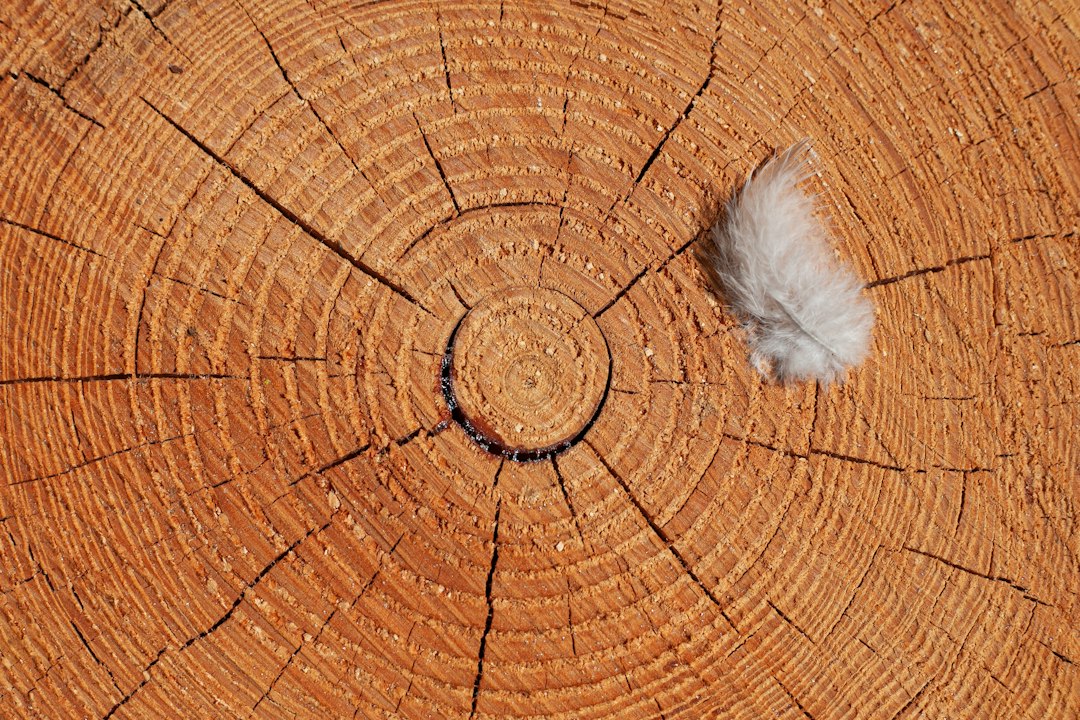
The fundamental principle behind dendrochronology, the science of dating and studying past events through tree rings, is elegantly simple. Each year, a tree produces a new layer of wood. In temperate climates, this growth occurs in two distinct phases: rapid growth in spring and early summer, resulting in lighter, wider cells, and slower growth in late summer and autumn, producing denser, darker cells. This annual cycle creates a distinct band, or ring, visible in a cross-section of the tree trunk. The width of these rings is influenced by a multitude of factors, most notably the availability of water and sunlight – key indicators of climatic conditions. Wider rings generally signify favorable growing seasons with ample rainfall and sunshine, while narrower rings suggest periods of drought, harsh winters, or other environmental stresses.
The Gordion Collection: A Unique Archive
The archaeological excavations at Gordion have yielded a remarkable collection of ancient wooden materials. These include structural timbers from buildings, furniture fragments, tools, and even chariots. What makes this collection particularly significant for dendrochronology is the exceptional preservation conditions in the region, allowing organic materials to survive for millennia. The dry climate, combined with rapid burial in sediment, has created a unique archive of wood, providing a long and continuous record of tree growth. Researchers have painstakingly collected samples from numerous wooden objects, each carrying its own unique pattern of ring widths.
The Art and Science of Cross-Dating
The true power of dendrochronology lies in the process of cross-dating. This involves matching the unique patterns of wide and narrow rings from different wood samples. Even if the exact age of a single sample is unknown, its ring pattern can be compared to those of other samples with established dates, or to a master chronology. By identifying overlapping sequences of ring widths, researchers can extend the chronology backward in time. For the Gordion project, this meant assembling a complex jigsaw puzzle of wooden pieces, some dating back thousands of years. This intricate process requires a deep understanding of tree physiology, statistical analysis, and an intimate knowledge of the local tree species, primarily oaks, that were abundant in the region during the Phrygian period.
The Gordion tree ring chronology provides valuable insights into the climatic conditions and historical events of ancient Anatolia. For those interested in exploring the broader implications of ancient cultures and their environmental interactions, a related article on the mystical sound of Chavín de Huantar offers a fascinating perspective. You can read more about this intriguing site and its significance in ancient Peru by visiting this article.
Constructing the Gordion Master Chronology
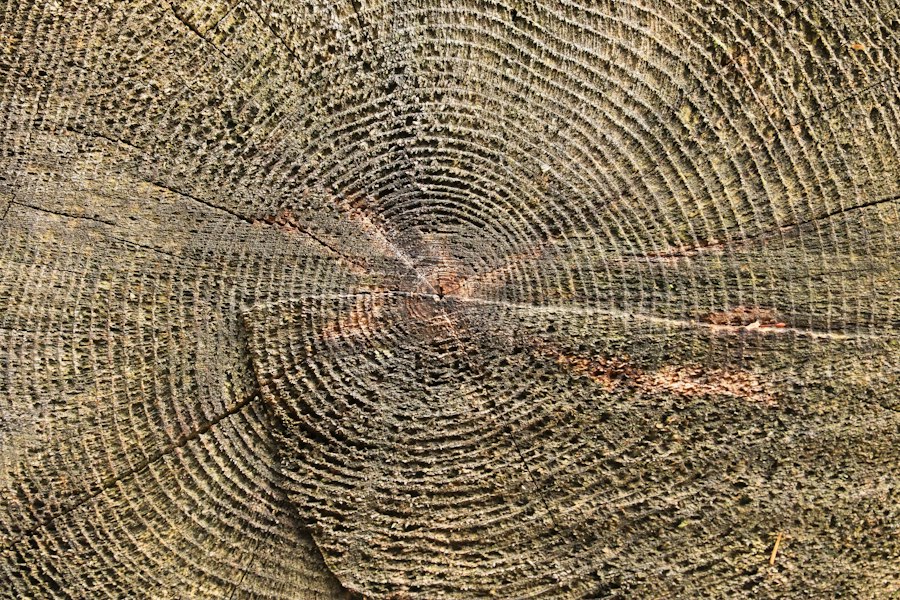
The establishment of a robust and continuous tree-ring chronology for Gordion was a monumental undertaking, requiring years of dedicated research and sophisticated analytical techniques. The goal was to create a master chronology that could serve as a precise dating framework for all wooden artifacts found at the site and, crucially, for reconstructing the past climate.
Sample Selection and Preparation
The initial phase involved the careful selection of well-preserved wooden samples from various archaeological contexts at Gordion. Samples were chosen based on the quality of preservation and the presence of a sufficient number of annual rings to provide a meaningful growth record. Once collected, these samples underwent meticulous preparation. This typically involved cleaning the wood to remove soil and debris, followed by careful sanding or planing to expose the surface of the annual rings clearly. Microscopic examination was then used to identify and mark the boundaries between individual rings.
The Long Road to Synchronization
The process of synchronizing individual sample chronologies was the most challenging aspect of the project. Each sample represents a portion of a tree’s life, and these portions might not overlap. By meticulously analyzing the width of each ring in a sample, researchers created a graphical or numerical representation of its growth pattern. This pattern was then compared to the patterns of other samples. The objective was to find sections where the patterns of wide and narrow rings matched perfectly, indicating that these sections correspond to the same period in time. This iterative process of comparison, adjustment, and refinement allowed for the gradual extension of the chronology. For Gordion, this meant piecing together potentially hundreds of individual tree-ring records, spanning centuries and even millennia, to form a coherent timeline.
Extending the Record: A Bridge to the Past
The ultimate aim was to create a master chronology that was as long and continuous as possible, extending back to the earliest periods of occupation at Gordion. This was achieved by finding “floating chronologies” – sequences of rings that could be dated relative to each other but not yet absolutely to calendar years. Once a sufficient number of these floating chronologies were established, they were then linked to known, precisely dated chronologies from other regions or to historical documents, allowing for the absolute dating of the entire Gordion sequence. This painstaking work, often involving the examination of thousands of individual rings, ultimately resulted in a chronology that extends back over 2,500 years, providing an unparalleled dating tool for the site.
Deciphering Ancient Climates from Ring Patterns

Beyond their function as precise dating tools, the Gordion tree rings serve as an incredibly sensitive archive of past climatic conditions. The subtle variations in ring width directly reflect the environmental stresses and opportunities that trees encountered throughout their lives, offering a high-resolution record of rainfall, temperature, and other climatic variables.
Rainfall and Drought: A Year-by-Year Account
The most readily apparent climatic signal encoded in tree rings is related to water availability. In semi-arid regions like Anatolia, rainfall is a critical factor for tree growth. Periods of abundant rainfall lead to wider rings, while prolonged droughts result in significantly narrower rings. By analyzing the sequence of ring widths in the Gordion chronology, researchers can reconstruct the pattern of wet and dry years over centuries. This provides invaluable data for understanding long-term climatic variability, identifying periods of severe drought that may have impacted agriculture and human settlements, and assessing the frequency and intensity of such events in the past.
Temperature Fluctuations and Growing Season Length
While rainfall is a primary driver, temperature also plays a significant role in tree growth. Variations in growing season length and average temperatures can influence the rate at which trees accumulate wood. By employing sophisticated statistical techniques and by comparing Gordion ring data with other paleoclimate proxies, scientists can glean insights into past temperature fluctuations. This allows for the reconstruction of seasonal temperature patterns, the identification of exceptionally warm or cold years, and a better understanding of how climatic shifts might have affected the Phrygian ecosystem and the agricultural practices of its inhabitants.
Extreme Events and Environmental Stressors
Tree rings can also record the impact of infrequent but significant climatic events. For instance, exceptionally cold winters or unseasonably late frosts can lead to narrow rings or even damage to the tree. Conversely, periods of significant pest outbreaks or soil degradation, often exacerbated by climatic conditions, can also leave their mark on ring width. By identifying these anomalous ring patterns, researchers can infer the occurrence of specific environmental stressors that may have impacted the ancient landscape and its inhabitants. This adds another layer of detail to our understanding of the environmental challenges faced by the people of Gordion.
Applications Beyond Climate Reconstruction
The Gordion Tree Ring Chronology is not merely an academic exercise in paleoclimatology; its impact extends far beyond understanding ancient weather patterns. Its precision dating capabilities have revolutionized archaeological interpretation, allowing for a more nuanced understanding of the Phrygian civilization and its interactions with neighboring cultures.
Pinpointing Archaeological Events with Unprecedented Accuracy
One of the most significant contributions of the Gordion chronology is its ability to provide absolute dates for archaeological strata and artifacts. Before the development of this master chronology, dating archaeological finds often relied on less precise methods such as radiocarbon dating, which has a margin of error, or by correlating finds with dated historical events. The tree-ring chronology, however, offers a year-by-year dating framework. This means that when a wooden artifact or a wooden structural element is dated using the chronology, its age can be determined with a high degree of confidence, often down to the specific year. This allows archaeologists to precisely date the construction of buildings, the deposition of artifacts, and even the occurrence of significant events such as fires or destructions within the city.
Understanding Phrygian Economy and Resource Management
The availability of wood was crucial for the development of any ancient civilization, and the Phrygians were no exception. By dating the use of timber in construction and in the manufacture of tools and artifacts, the tree-ring chronology provides insights into the Phrygian economy and their methods of resource management. Researchers can determine when certain types of wood were in high demand, what types of trees were being exploited, and how sustainable their forestry practices might have been. This allows for a more informed discussion of their agricultural output, their building technologies, and their overall economic development over time.
Interconnecting with Neighboring Cultures and Historical Events
Gordion was a significant player in the complex geopolitical landscape of the ancient Near East. Its interactions with civilizations such as the Assyrians, the Lydians, and later the Persians, are documented in historical records. The precise dating provided by the tree-ring chronology allows for a more accurate correlation of Phrygian events with these external historical narratives. For example, by precisely dating the destruction layers at Gordion, researchers can confirm or refine the timing of invasions or political upheavals described in cuneiform tablets or Greek historical accounts. This helps to build a more interconnected and accurate picture of the ancient world.
The Gordion tree ring chronology provides valuable insights into historical climate patterns and their impact on ancient civilizations. For a deeper understanding of how environmental factors can influence modern societies, you might find it interesting to explore an article that discusses the complexities of supply chains in Mexico. This piece highlights the risks associated with these supply chains and their connections to broader economic and environmental issues. You can read more about it in this informative article on understanding the risks of Mexico’s supply chain.
The Future of Dendrochronology at Gordion and Beyond
| Year | Ring Width (mm) | Climate Indicator | Notes |
|---|---|---|---|
| 800 BCE | 1.2 | Moderate rainfall | Stable growth period |
| 799 BCE | 0.9 | Dry conditions | Reduced growth |
| 798 BCE | 1.5 | Wet season | Increased growth |
| 797 BCE | 1.0 | Average rainfall | Normal growth |
| 796 BCE | 0.7 | Drought | Significant stress |
The Gordion Tree Ring Chronology represents a significant leap forward in our understanding of this ancient civilization and its environment. However, the field of dendrochronology is continuously evolving, with new analytical techniques and broader applications constantly emerging.
Expanding the Chronology and Incorporating New Discoveries
The work at Gordion is ongoing. Archaeologists continue to unearth new wooden artifacts, and researchers are constantly refining their analytical methods. The goal is to further extend the master chronology backward in time and to fill any remaining gaps. New discoveries of exceptionally well-preserved wooden materials could potentially push the chronology back even further, offering even deeper insights into the region’s past. Furthermore, as more tree-ring chronologies are developed from other sites in Anatolia and the surrounding regions, they can be cross-dated with the Gordion chronology, creating larger, more comprehensive paleoclimatic and historical datasets.
Advanced Analytical Techniques and Data Integration
The advent of advanced imaging technologies, such as high-resolution scanning and laser profilometry, allows for even more precise measurement and analysis of tree rings. Furthermore, the integration of tree-ring data with other paleoclimate proxies, such as ice cores, lake sediments, and pollen records, provides a more holistic understanding of past climate dynamics. By combining these different lines of evidence, scientists can build more robust and detailed reconstructions of past environmental conditions, allowing for a more nuanced understanding of the complex interplay between climate and human societies.
Lessons for Modern Climate Change Research
The study of past climate variability, as revealed by the Gordion tree rings, offers invaluable lessons for understanding and predicting future climate change. By examining how ancient societies coped with periods of drought, flood, and other climatic shifts, we can gain insights into the potential impacts of current and future climate change on human populations and ecosystems. The long-term perspective provided by dendrochronology highlights the cyclical nature of climate and the importance of resilience and adaptation. The silent rings of Gordion’s ancient trees, therefore, speak not only of the past but also offer a vital warning and a source of wisdom for the present and the future.
Your 401(k) Withdrawal Can Make More of Your Social Security Taxable
FAQs
What is the Gordion tree ring chronology?
The Gordion tree ring chronology is a record of tree ring patterns from ancient wooden beams found at the archaeological site of Gordion in Turkey. These patterns can be used to date the construction of the beams and provide insights into past climate conditions.
How was the Gordion tree ring chronology created?
The Gordion tree ring chronology was created by analyzing the tree ring patterns of wooden beams found at the site. By comparing these patterns with known tree ring sequences, researchers were able to establish a timeline of when the trees were cut down and used in construction.
What information can be obtained from the Gordion tree ring chronology?
The Gordion tree ring chronology can provide information about the age of the wooden beams found at the site, as well as the construction timeline of various structures. Additionally, the tree ring patterns can offer insights into past climate conditions and environmental changes.
Why is the Gordion tree ring chronology important for archaeology?
The Gordion tree ring chronology is important for archaeology because it allows researchers to accurately date the construction of ancient structures at the site. This information can help piece together the history of Gordion and understand the cultural and environmental factors that influenced the site over time.
How does the Gordion tree ring chronology contribute to our understanding of the past?
The Gordion tree ring chronology contributes to our understanding of the past by providing a detailed timeline of construction activities at the site. By correlating this timeline with historical events and environmental data, researchers can gain valuable insights into the development of Gordion and its inhabitants over the centuries.