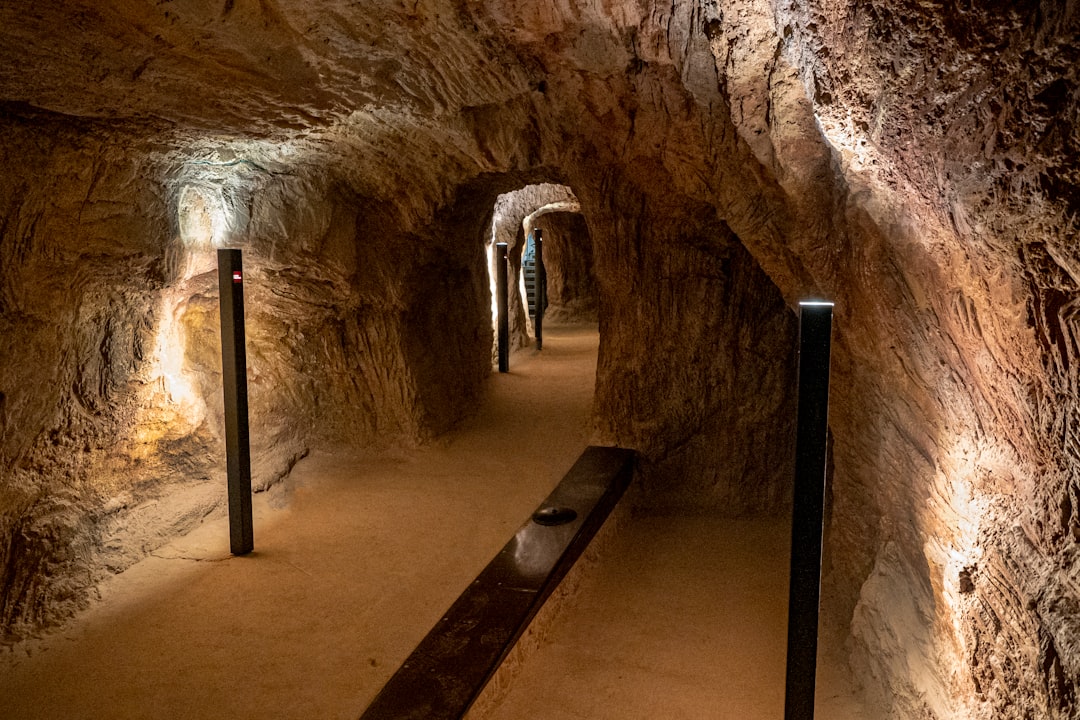
Governments around the world are increasingly looking to the past for solutions to modern strategic challenges, a process that involves the reactivation of ancient tunnel networks. These subterranean arteries, often carved centuries ago for purposes ranging from defense and escape to religious pilgrimage and trade, are now being reconsidered as vital assets for contemporary security, logistics, and infrastructure. This resurgence of interest stems from a confluence of factors, including the need for hardened, secure locations, the desire to alleviate surface-level congestion, and the potential for utilizing existing, often forgotten, underground real estate. The effort to bring these ancient passages back to life is a complex undertaking, requiring significant investment, technological innovation, and careful consideration of historical preservation, but the strategic benefits are proving to be a powerful catalyst.
The earth beneath our feet has long served as a hidden stage for human activity. From the catacombs of Rome to the extensive cave systems utilized by ancient civilizations for shelter and defense, subterranean spaces have played a pivotal role throughout history. Now, in an era defined by evolving geopolitical landscapes and the ever-present need for enhanced security and resilience, governments are once again turning their gaze downward. The revival of ancient tunnel networks represents a strategic pivot, leveraging long-dormant infrastructure for critical modern applications. This is not merely an academic curiosity; it is a practical response to pressing needs for secure communication channels, resilient transportation corridors, and protected facilities.
Historical Precedents of Subterranean Fortification
Throughout history, military strategists have recognized the inherent defensive advantages of underground fortifications. The ability to conceal troops, artillery, and supplies from aerial observation and conventional bombardment has been a constant allure.
Ancient Defensive Systems and Their Modern Parallels
Think of the Maginot Line, a monumental but ultimately flawed defensive system from the 20th century, or the more ancient examples of fortified hillsides with interconnected dugouts. These historical precedents demonstrate a consistent human drive to exploit the earth’s natural cover for security. Modern reactivation efforts are drawing lessons from these past endeavors, seeking to avoid previous pitfalls while capitalizing on the fundamental principles of concealment and protection. The challenge lies in adapting these ancient designs to the realities of modern warfare, including advanced surveillance technologies and precision-guided munitions.
The Role of Tunnels in Escape and Evasion
Beyond overt defense, tunnels have historically served as crucial routes for escape and evasion, allowing populations to weather sieges or political turmoil. The underground networks beneath cities like Paris and Istanbul are testament to this enduring purpose. These historical escape routes are now being examined for their potential to create secure evacuation pathways in the event of catastrophic events or for the covert movement of personnel.
Modern Security Imperatives Driving Tunnel Reactivation
The current geopolitical climate, marked by an increase in asymmetric warfare, cyber threats, and the potential for widespread disruption, has amplified the need for resilient infrastructure. Ancient tunnels, often dug at depths that offer natural protection from surface threats, are an attractive proposition for governments seeking to bolster their security posture.
The Need for Hardened Command and Control Centers
In an age where critical infrastructure, including command and control centers, are increasingly vulnerable to cyber attacks and physical assault, the appeal of underground facilities is undeniable. Ancient tunnels can be retrofitted to serve as secure bunkers, shielded from electromagnetic pulses and conventional weapons. These subterranean strongholds can ensure continuity of government and military operations even under extreme duress.
Secure Communication and Data Storage Facilities
The protection of sensitive data and communication networks is paramount. Ancient tunnel systems, with their inherent shielding properties, can offer a secure environment for housing critical data servers and communication infrastructure, safeguarding them from eavesdropping and physical compromise. This is akin to building a Faraday cage within the earth itself.
Governments around the world are increasingly reactivating ancient tunnels as part of their infrastructure development strategies, recognizing the historical significance and potential utility of these underground passages. One notable example is in Afghanistan, where the diverse terrain poses unique challenges for transportation and logistics. The reactivation of these tunnels not only aims to improve connectivity but also to preserve cultural heritage. For a deeper understanding of the geographical context that influences such initiatives, you can read more in the article about Afghanistan’s landscape at The Diverse Terrain of Afghanistan: A Geography Overview.
Unearthing Logistics and Infrastructure Advantages
Beyond the realm of defense and security, the reactivation of ancient tunnels offers significant potential for improving civilian logistics and infrastructure. As surface transportation networks become increasingly congested, the underutilized capacity of the subterranean world presents a compelling alternative.
Alleviating Surface Congestion and Environmental Impact
Urban sprawl and the exponential growth of traffic have placed immense strain on surface transportation systems. Ancient tunnels can be repurposed to create new arteries for moving goods and people, diverting traffic from overburdened roadways and reducing travel times. This can also lead to a reduction in air pollution and noise associated with surface traffic.
Subterranean Freight Transport Networks
The concept of underground freight pipelines and automated delivery systems is gaining traction. Ancient tunnel networks can provide a pre-existing framework for developing these innovative solutions, reducing the reliance on trucks and trains that contribute to surface congestion and emissions. Imagine a silent river of goods flowing beneath the hustle and bustle of the city.
Underground Public Transportation Systems
Similarly, the potential for expanding underground public transportation networks is significant. Ancient tunnels can be adapted to accommodate new metro lines or to create dedicated routes for autonomous public transport vehicles, offering a faster, more reliable, and environmentally friendly alternative to surface-based commuting.
Resource Management and Utility Conduit Expansion
Ancient tunnel systems can also serve as invaluable conduits for essential utilities, relieving pressure on surface infrastructure and facilitating maintenance and upgrades.
Housing Essential Utilities and Services
Water pipelines, power cables, and telecommunications lines can be rerouted into repurposed ancient tunnels, protecting them from surface damage and simplifying maintenance operations. This creates a robust and resilient utility backbone for cities and regions.
Facilitating Waste Management and Recycling Infrastructure
In some cases, ancient tunnel networks could even be adapted to house specialized waste management or recycling facilities, moving potentially hazardous or disruptive operations out of sight and into a more controlled environment.
The Engineering and Technological Challenges
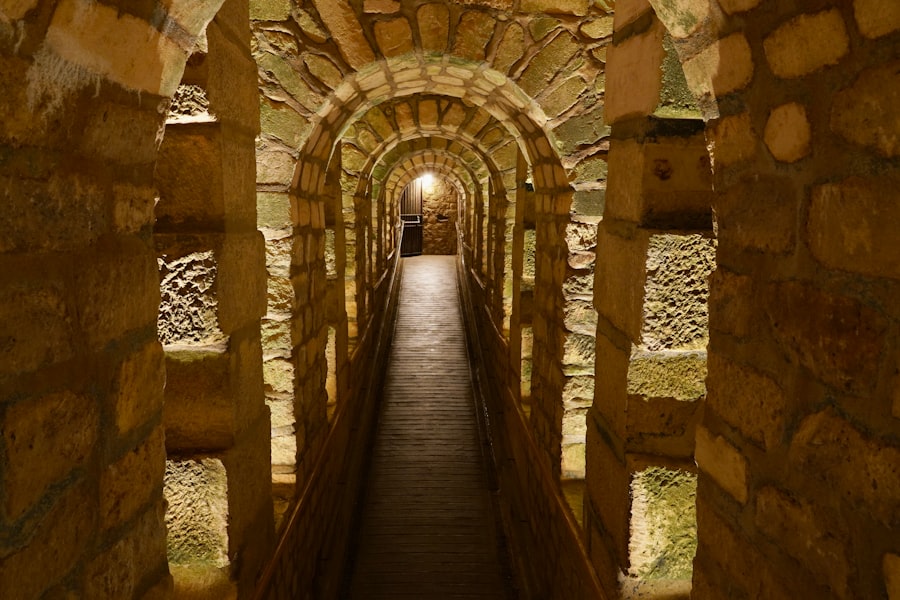
Reactivating ancient tunnel networks is not a simple matter of sweeping away dust. It presents a formidable set of engineering and technological hurdles that require careful planning, innovative solutions, and substantial investment. The very age and nature of these subterranean passages mean they were not built to modern specifications.
Structural Integrity and Geological Surveys
Many ancient tunnels have been subjected to centuries of geological shifts, water ingress, and degradation. A thorough assessment of their structural integrity is the first and most critical step.
Assessing Existing Structural Stability
Sophisticated geological surveys, including ground-penetrating radar and seismic imaging, are essential to identify weak points, potential collapses, and areas requiring reinforcement. The earth, like any aging structure, can develop its own ailments.
Reinforcement and Stabilization Techniques
Techniques such as shotcreting, grouting, and the installation of advanced structural supports are employed to stabilize and reinforce aging tunnel walls and ceilings. This is an exercise in breathing new life into a venerable skeleton.
Modernizing Ventilation, Lighting, and Safety Systems
Ancient tunnels, by their very design, often lack the modern amenities necessary for safe and efficient operation. This means equipping them with contemporary systems is a significant undertaking.
Implementing Advanced Ventilation Technologies
Ensuring adequate air circulation and quality is paramount for any human-occupied or operational underground space. Modern ventilation systems, often incorporating air purification and monitoring technologies, need to be integrated.
Integrating State-of-the-Art Lighting and Emergency Systems
Reliable and energy-efficient lighting, coupled with comprehensive emergency response systems, including fire suppression, communication networks, and evacuation signage, are critical for safety.
Historical Preservation Versus Modern Utility
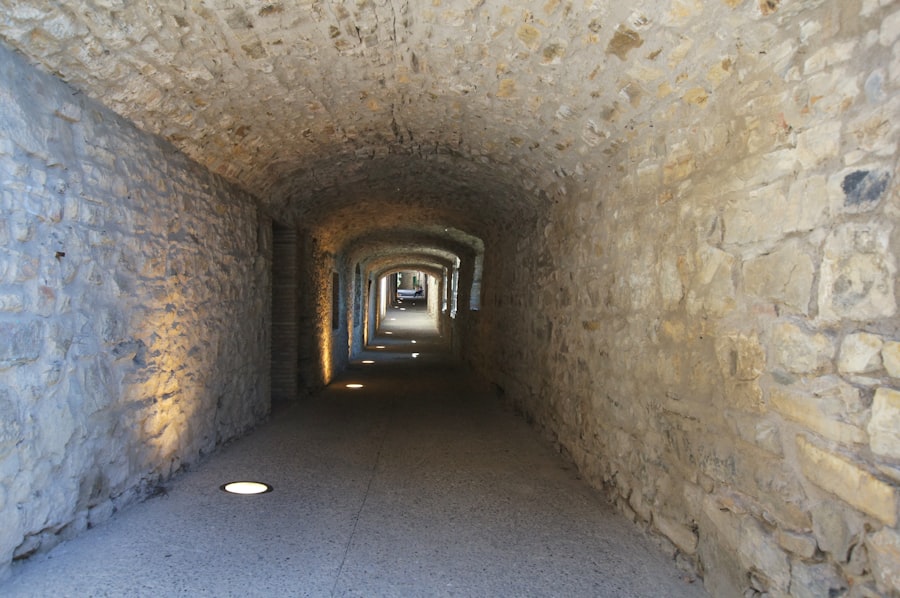
A significant ethical and practical consideration in reactivating ancient tunnels is the delicate balance between preserving their historical significance and adapting them for modern use. These structures are often more than just passages; they are tangible links to the past, bearing witness to centuries of human endeavor.
The Dilemma of Authenticity
Striking the right chord between preservation and modernization is a constant challenge. How much intervention is too much? Where does historical authenticity end and functional necessity begin?
Cultural Heritage Assessments and Safeguarding
Rigorous cultural heritage assessments are crucial to identify and document any artistic or historical elements within the tunnels. Safeguarding these elements during renovation is a priority.
Adaptive Reuse Strategies
Adaptive reuse strategies aim to integrate modern functionalities without compromising the historical character of the tunnel. This might involve using materials that are sympathetic to the original construction or designing new elements that are visually distinct but functionally integrated.
Public Engagement and Historical Interpretation
To foster public acceptance and appreciation for these reactivated spaces, effective public engagement and historical interpretation are vital.
Educational Programs and Public Access Initiatives
Developing educational programs and controlled public access initiatives can help to inform the public about the history and modern utility of these tunnels, transforming them from forgotten relics into valuable community assets.
Commemorating Historical Significance
Incorporating elements that commemorate the historical significance of the tunnels, such as interpretive panels or dedicated exhibition spaces, can ensure that their past is not overshadowed by their present utility.
As urban areas continue to expand and face challenges related to infrastructure and transportation, many governments are looking to reactivate ancient tunnels that have long been forgotten. These tunnels, often rich in history and engineering marvels, offer a unique solution to modern-day problems such as congestion and the need for efficient transit systems. A fascinating exploration of historical maps and their implications can be found in an article that delves into the mysteries of ancient navigation, shedding light on how past civilizations approached similar challenges. For more insights, you can read about it here.
The Future of Subterranean Infrastructure
| Metric | Data/Value | Explanation |
|---|---|---|
| Number of Ancient Tunnels Reactivated | 150+ | Governments worldwide have reactivated over 150 ancient tunnels in the last decade for various strategic and infrastructural purposes. |
| Increase in Urban Transportation Efficiency | 20-30% | Reactivating tunnels has improved urban transit times by reducing surface traffic congestion by up to 30% in some cities. |
| Cost Savings Compared to New Construction | 40-60% | Utilizing existing tunnels reduces construction costs by nearly half compared to building new underground infrastructure. |
| Reduction in Surface Disruption | Significant | Reactivating tunnels minimizes disruption to surface-level activities, preserving historical sites and reducing noise pollution. |
| Security and Emergency Use Cases | High Priority | Governments use ancient tunnels for secure transportation routes, emergency evacuation, and military logistics. |
| Environmental Impact | Lower Carbon Footprint | Reusing tunnels reduces the environmental impact compared to new excavation, preserving ecosystems and reducing emissions. |
| Tourism and Cultural Preservation | Enhanced | Some tunnels are reactivated to boost tourism and preserve cultural heritage, attracting millions of visitors annually. |
The reactivation of ancient tunnel networks represents a forward-thinking approach to infrastructure development and strategic planning. As populations grow and environmental pressures mount, the untapped potential of the subterranean realm is likely to become even more pronounced.
Emerging Trends in Underground Development
The ongoing advancements in tunneling technology, robotics, and smart infrastructure are paving the way for more ambitious and efficient underground development projects. These innovations, coupled with the historical knowledge gained from reactivating ancient networks, will shape the future of subterranean infrastructure.
Innovations in Tunnel Boring and Construction
New generations of tunnel boring machines (TBMs) are becoming more agile, precise, and environmentally friendly, allowing for the construction of new subterranean routes and the more efficient renovation of existing ones.
The Rise of Smart Underground Networks
The integration of sensors, IoT devices, and artificial intelligence will enable the creation of “smart” underground networks that can monitor conditions, optimize operations, and respond to emergencies in real-time. This is the evolution from a simple passage to an intelligent circulatory system.
Global Implications and Strategic Advantages
The strategic advantages derived from reactivated tunnel networks are not confined to individual nations. In an interconnected world, the ability to secure communication, ensure logistical resilience, and protect critical infrastructure has global implications.
International Cooperation and Knowledge Sharing
International cooperation and the sharing of best practices in tunnel reactivation and management will be crucial for maximizing the benefits of this emerging field.
A New Dimension in National Security and Resilience
Ultimately, the reactivation of ancient tunnels represents a new dimension in national security and resilience. By looking beneath the surface, governments are uncovering not just historical passageways, but pathways to a more secure, efficient, and sustainable future. This strategic foresight allows nations to build depth into their capabilities, a fortified defense and a resilient infrastructure that can withstand the tests of time, just as the tunnels themselves have.
FAQs
What are ancient tunnels and why were they originally built?
Ancient tunnels are underground passageways constructed by past civilizations for various purposes such as transportation, water management, defense, or secret communication. They were often built to connect important locations, protect inhabitants from invasions, or facilitate trade and resource distribution.
Why are governments interested in reactivating ancient tunnels today?
Governments are reactivating ancient tunnels to utilize their strategic advantages, such as improving modern infrastructure, enhancing transportation networks, preserving cultural heritage, or using them for tourism and educational purposes. Some tunnels also offer potential for emergency evacuation routes or military applications.
What challenges do governments face when reactivating ancient tunnels?
Challenges include structural instability due to age, lack of detailed historical records, potential archaeological preservation concerns, safety hazards like poor ventilation or flooding, and the high costs associated with restoration and modernization efforts.
How do governments ensure the safety and preservation of ancient tunnels during reactivation?
Governments typically conduct thorough archaeological and engineering assessments, employ modern technology for structural reinforcement, implement safety protocols, and collaborate with historians and conservation experts to balance preservation with functional use.
Are there any notable examples of ancient tunnels that have been successfully reactivated?
Yes, examples include the reactivation of Roman aqueduct tunnels in Europe for water management, the reopening of ancient underground cities in Turkey for tourism, and the restoration of historic tunnels in Asia for cultural heritage sites and transportation improvements.