Embracing the Chilling Embrace: The Allure of Frozen Inlet’s Gravel Bar Crossing
Winter transforms familiar landscapes into ethereal realms, and for those seeking an adventure that marries the raw beauty of nature with a touch of daring, the gravel bar crossing in Frozen Inlet emerges as a prime destination. This seemingly inhospitable environment, sculpted by frost and wind, offers a unique and unforgettable experience. The treacherous yet rewarding journey across the frozen gravel bars is not for the faint of heart, demanding careful planning, specialized gear, and a deep respect for the unforgiving power of winter. It is an expedition that tests one’s resilience, rewards perseverance, and ultimately, leaves an indelible mark on the adventurer’s soul. The stark beauty of the frozen landscape, punctuated by the crunch of ice underfoot and the whisper of the wind, creates a sensory tapestry that captivates and challenges in equal measure. This guide delves into the intricacies of navigating this frozen wonderland, providing the essential knowledge to transform a potentially perilous undertaking into a triumphant winter adventure.
When exploring the challenges of navigating gravel bar crossings in frozen inlets, it’s essential to consider the broader implications of environmental changes and resource management. An insightful article that delves into the importance of safeguarding valuable resources can be found here: Protecting Your Gold: Safeguarding Against Government Seizure. This piece highlights the necessity of understanding both the physical and legal landscapes that affect our interactions with natural resources, which is particularly relevant for those venturing into rugged terrains.
Preparation is Paramount: Gearing Up for the Frosty Expedition

The success and safety of any winter expedition, especially one involving traversing frozen waterways and their exposed peripheries, hinge entirely on meticulous preparation. Overlooking even a minor detail can have significant repercussions when temperatures plummet and the elements are less than forgiving. For the gravel bar crossing in Frozen Inlet, this means not just the standard winter clothing but specialized equipment designed to withstand extreme cold, ice, and potential submersion. The layers of clothing, the choice of footwear, and the essential safety and navigation tools all play critical roles in ensuring a successful and enjoyable adventure.
The Crucial Art of Layering: Mastering Insulation and Breathability
The foundation of any successful winter excursion lies in the strategic application of layered clothing. This approach allows for dynamic adjustment to changing conditions and activity levels, preventing overheating and subsequent chilling. The goal is to trap warm air close to the body while simultaneously allowing moisture (sweat) to escape.
The innermost layer, often referred to as the base layer, is designed to wick moisture away from the skin. Synthetic materials like polyester or merino wool are ideal choices. Cotton, with its notorious tendency to retain moisture, should be strictly avoided. This layer should be snug-fitting but not constricting, ensuring efficient heat retention and rapid moisture transfer.
The mid-layer provides the primary insulation. Fleece, down, or synthetic fill jackets are excellent options. The thickness of the mid-layer should be adaptable to the anticipated temperatures and the intensity of the activity. For a gravel bar crossing, where periods of stillness might be interspersed with periods of strenuous walking, having multiple mid-layers that can be added or removed is a wise strategy. A down or synthetic puffer vest can offer excellent core warmth without adding excessive bulk to the arms, allowing for better freedom of movement.
The outermost layer, the shell, is the crucial barrier against the elements. It must be waterproof and windproof to protect against snow, sleet, and biting winds. Breathability is also paramount; a Gore-Tex or similar high-performance fabric will allow perspiration vapor to escape, preventing the buildup of moisture that can lead to a dangerous drop in body temperature. The shell should be loose enough to accommodate the base and mid-layers comfortably without restricting movement. Features like adjustable hoods, cuffs, and a drawstring hem further enhance protection against the elements.
Footwear Fortitude: Keeping Toes Toasty and Traction Tenacious
Footwear is arguably the most critical component of winter gear, as cold or wet feet can quickly incapacitate an adventurer. For traversing frozen gravel bars, where ice, snow, and potentially slush are present, specialized boots are essential.
The ideal winter boot for this environment will be heavily insulated, waterproof, and extend at least to the calf. Consider boots with a temperature rating significantly lower than the expected conditions. Linings made of wool, Thinsulate, or other advanced synthetic insulators are crucial for maintaining warmth. A waterproof membrane, such as Gore-Tex, is non-negotiable.
Traction is another vital consideration. The outsoles of winter boots should feature aggressive lugs designed to grip ice and snow. For particularly slippery conditions, consider adding slip-on traction devices. These can be metal coils or spikes that attach to the sole of the boot, providing an extra layer of security on treacherous surfaces. While these can be bulky, the peace of mind and safety they offer on frozen terrain are invaluable.
Crucially, ensure that the boots are not too tight with thick socks, as this can restrict circulation and lead to cold feet. It is often advisable to try on winter boots with the type of socks you intend to wear. Wool or synthetic blend socks are preferred over cotton for their warmth and moisture-wicking properties. Carry at least one extra pair of socks, as even waterproof boots can accumulate moisture from sweat, and having dry socks can be a lifesaver.
Essential Survival and Navigation Tools: Navigating the White Wilderness
Beyond clothing and footwear, a suite of survival and navigation tools is indispensable for a safe and successful gravel bar crossing. These items are not merely suggestions but critical components of a well-prepared expedition.
A reliable GPS device or a good quality compass and map are paramount for navigation. Given the potential for limited visibility due to snow or fog, and the often featureless nature of frozen landscapes, getting disoriented can be a serious risk. Ensure you are proficient in using your chosen navigation tools before setting out. Download offline maps of the area onto your GPS or smartphone if possible.
A first-aid kit, specifically tailored for cold-weather emergencies, is essential. This should include bandages, antiseptic wipes, pain relievers, blister treatment, and any personal medications. Consider including hand and foot warmers, as well as emergency blankets that reflect body heat.
A multi-tool or a sturdy knife is invaluable for countless small tasks, from repairing gear to preparing kindling. A headlamp or flashlight with extra batteries is crucial, as daylight hours are significantly reduced in winter, and an unexpected delay could leave you navigating in the dark.
For any expedition involving potential water crossings, even frozen ones, safety equipment is paramount. A sturdy walking stick or trekking poles can aid balance on slippery surfaces and also serve as a probe to test the thickness and stability of ice. If venturing onto areas where thin ice is a concern, an ice pick set can be a life-saving device, providing a means to pull oneself out of the water if an accidental fall occurs. Carry a whistle to signal for help, and ensure someone knows your planned route and expected return time.
The Unfolding Terrain: Understanding Frozen Inlet’s Winter Character
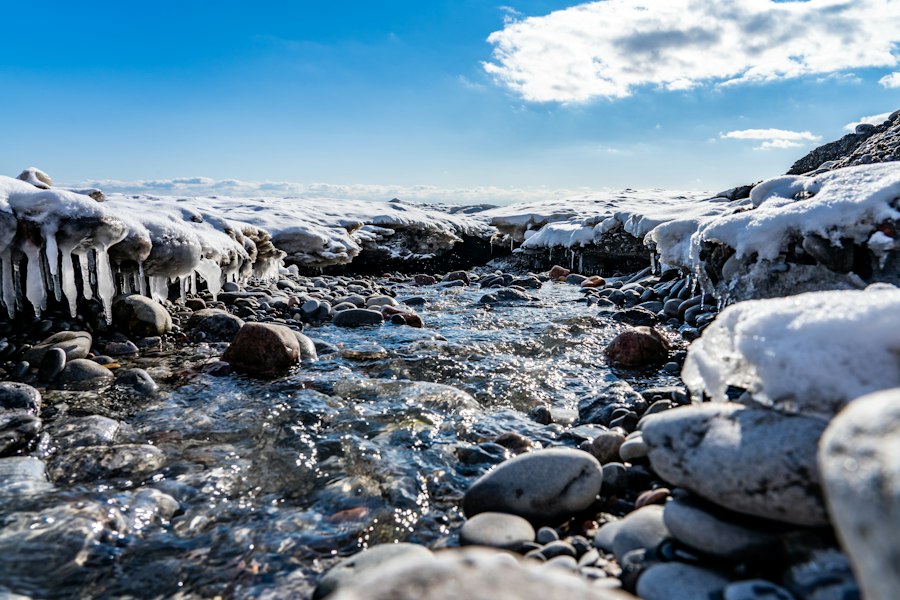
Frozen Inlet in winter is a realm of subtle yet profound transformations. The vibrant hues of autumn give way to a monochromatic palette of whites and grays, yet within this starkness lies a captivating beauty. The gravel bars, usually a riot of pebbles and sediment, are reshaped by the freeze-thaw cycle, becoming undulating expanses of ice-encrusted stone and packed snow. Understanding the unique characteristics of this winter landscape is fundamental to navigating it safely and appreciating its singular allure.
The Dance of Ice and Stone: Navigating the Gravel Bar’s Shifting Surface
The gravel bars themselves present a complex and dynamic terrain. During warmer months, they are defined by their loose, rocky surfaces. In winter, this changes dramatically. The water that saturates the gravel freezes, binding the stones together and creating a solid, albeit uneven, surface. However, this ice is not uniform.
Sections of the gravel bar may be covered in a thick, opaque layer of ice, while others might be exposed, revealing frozen pebbles. Areas where water has pooled and then frozen can create slick, glassy surfaces that demand extreme caution. Conversely, areas where snow has accumulated and been subjected to wind can form deep drifts that can be challenging to traverse, potentially hiding unseen obstacles beneath.
The edges of the gravel bars, where they meet the main body of Frozen Inlet, are particularly sensitive. The ice here can be thinner and more prone to breaking. It is crucial to assess the ice thickness visually and, if necessary, with a probing tool before venturing onto any section. Look for signs of open water, cracks, or areas of slush, which indicate weaker ice. The color of the ice can also be an indicator; clear, blue ice is generally stronger than white, opaque ice, which often contains trapped air bubbles and is therefore weaker.
Weather’s Whims: Predicting and Adapting to Winter’s Fury
Winter weather is notoriously unpredictable, and the environment around Frozen Inlet is no exception. The raw power of wind, the intensity of snowstorms, and the dramatic shifts in temperature can transform a pleasant excursion into a hazardous ordeal in a matter of hours.
Wind is a significant factor. It can create wind chill that drastically lowers the perceived temperature, making exposed skin vulnerable to frostbite. Strong winds can also whip up snow, reducing visibility to near zero and creating blizzard-like conditions. When venturing onto the gravel bar, be acutely aware of the wind direction and strength. If the wind is blowing from open water, it can be a sign of approaching moisture and a potential temperature drop.
Snowfall can range from light flurries to heavy blizzards. Heavy snow can quickly accumulate, making navigation difficult and potentially burying tracks, making it harder to retrace your steps. If a snowstorm is forecast, it is often prudent to postpone or reschedule the excursion. If caught in unexpected snowfall, focus on maintaining your route and seeking shelter if possible.
Temperature fluctuations are also a concern. Rapid drops in temperature can make ice more brittle, while sudden thaws can weaken ice and create slushy conditions. Understanding the forecast and being prepared for a range of temperatures is vital. Always err on the side of caution; if the weather appears to be deteriorating, it is better to turn back and attempt the crossing another day.
Signs of Life in the Frozen Expanse: Observing the Subtle Ecosystem
Despite its seemingly desolate appearance, the frozen landscape of Frozen Inlet is teeming with a unique winter ecosystem. Observing these subtle signs of life can add a rich dimension to the adventure and provide valuable insights into the environment.
Wildlife tracks are a common sight. Deer, foxes, and various bird species leave their imprints in the snow, offering a glimpse into their nocturnal activities. Understanding common animal behaviors in winter can help avoid encounters or appreciate their resilience. Keep an eye out for ptarmigan, which often camouflage themselves against the snow.
The vegetation, though dormant, still plays a role. The hardy grasses and shrubs that cling to the edges of the gravel bar, even when encased in ice, provide shelter and food for small creatures. The stark silhouettes of bare trees against the winter sky create a dramatic and beautiful panorama.
Understanding the ice formation process itself can be considered observing the “life” of the water. The way the inlet freezes, the formation of ice floes, and the interaction between the water and the cold air are all fascinating natural phenomena to witness. Paying attention to how the ice behaves can also offer clues about its stability.
The Art of the Crossing: Mastering Safe Passage Techniques
Successfully navigating the gravel bar crossing requires a blend of physical capability and strategic decision-making. The techniques employed will vary depending on the specific conditions encountered, but a core set of principles will ensure a safer and more enjoyable experience. This section focuses on the practical application of knowledge to traverse the frozen terrain.
Step-by-Step Strategy: A Methodical Approach to Ice and Snow
A methodical approach is the cornerstone of safe ice traversal. Rushing or taking shortcuts can lead to missteps and potential danger. The process begins long before placing a foot on the ice.
Begin by thoroughly assessing the ice from the shore. Look for any obvious signs of weakness. If the ice appears solid and consistent, take your first few steps cautiously, distributing your weight evenly. Avoid jumping or making sudden movements. As you move onto the gravel bar, continue to test the ice with each step. If you are using trekking poles, use them to probe the ice ahead of you, particularly in areas that appear less stable.
Maintain a steady, deliberate pace. Avoid walking directly behind someone, as a fall could have cascading consequences. Keep a reasonable distance between individuals in your group. If you encounter a section of thin ice or open water, do not attempt to cross it. Instead, find an alternative route. This might involve backtracking and finding a thicker ice path or even a different access point to the gravel bar.
When traversing areas with significant snowdrifts, be aware that you might be walking on a thin layer of ice covered by snow. If the snow is deep, use your trekking poles to feel for the solid surface beneath. If you are unsure about the integrity of the snow-covered ice, it is best to avoid it.
Reading the Ice: Advanced Indicators of Strength and Weakness
Developing the ability to “read” the ice is a critical skill for any winter water traveler. While visual inspection is the first line of defense, more nuanced observations can provide valuable insights into the ice’s structural integrity.
The color of the ice can be a strong indicator. Clear, blue ice is typically the strongest, as it contains fewer air bubbles and is denser. White or opaque ice, often referred to as “milk ice,” is weaker and can be formed by refreezing meltwater or trapped air.
Cracks are obvious signs of weakness. However, not all cracks are created equal. Hairline cracks might be superficial, but larger, jagged cracks indicate significant stress. If you encounter a crack, avoid stepping over it if possible; try to walk around it. If you must cross a crack, do so with extreme caution, ensuring your weight is distributed and your movements are slow and deliberate.
The presence of pressure ridges, where ice sheets have been pushed together and buckled, can indicate areas of instability. While these ridges can sometimes offer solid footing, they can also be fragile.
Water patterns on the ice are also telling. Areas of open water or slush are clear indicators of thin ice. If you see water bubbling up through the ice, it signifies that the ice is likely to be very thin and unstable. Conversely, a completely frozen surface with no signs of open water or slush is generally more trustworthy, assuming other indicators are favorable.
Group Dynamics and Communication: Safety in Numbers
When undertaking a gravel bar crossing, especially in a remote winter environment, group dynamics and clear communication are paramount for safety. The adage “there is safety in numbers” holds particularly true when dealing with the inherent risks of winter expeditions.
Establish clear roles and responsibilities within the group. Designate a leader who will make final decisions regarding the route and safety. Ensure everyone understands the plan and the agreed-upon procedures.
Maintain constant visual and verbal contact with all members of your group. Periodically count heads to ensure no one has fallen behind. If communication devices are available and reliable, use them to check in regularly.
Encourage open communication about any concerns or observations. If someone feels uncomfortable with a particular section of ice, their voice should be heard and respected. Disagreements about safety should always be resolved in favor of caution.
Before starting the crossing, conduct a thorough briefing on emergency procedures. What should happen if someone falls through the ice? How will rescue attempts be coordinated? Practicing these procedures, even in a theoretical sense, can significantly improve response time and effectiveness in a real emergency.
When exploring the challenges of gravel bar crossing in frozen inlets, it’s interesting to consider how infrastructure developments can impact various regions. A related article discusses how Mexico’s infrastructure improvements are enhancing nearshoring opportunities, which may indirectly influence logistics and transportation methods in areas with challenging terrains. For more insights on this topic, you can read the article here.
The Rewards of Resilience: Embracing the Winter’s Enduring Charm
| Metric | Description | Typical Values | Units |
|---|---|---|---|
| Ice Thickness | Thickness of frozen inlet ice covering the gravel bar crossing | 10 – 50 | cm |
| Gravel Bar Width | Width of the gravel bar crossing the inlet | 5 – 30 | meters |
| Water Depth Beneath Ice | Depth of water under the frozen inlet at the gravel bar crossing | 0.5 – 3 | meters |
| Surface Temperature | Air temperature at the gravel bar crossing during freezing | -15 to -5 | °C |
| Load Bearing Capacity | Maximum weight the frozen gravel bar crossing can support | 500 – 2000 | kg/m² |
| Crossing Length | Length of the gravel bar crossing over the frozen inlet | 10 – 100 | meters |
| Ice Surface Roughness | Measure of surface irregularities on the frozen inlet | 0.5 – 3 | cm |
The gravel bar crossing in Frozen Inlet is more than just a physical challenge; it is an immersion into a starkly beautiful and profoundly quiet world. The rewards of undertaking such an adventure are multifaceted, extending beyond the satisfaction of conquering the terrain to a deeper appreciation for the resilience of nature and the adventurer’s own capabilities.
A Symphony of Silence: The Profound Peace of the Frozen Landscape
One of the most striking aspects of a winter expedition to Frozen Inlet is the profound silence. The usual sounds of summer – the lapping of waves, the chatter of birds, the hum of insects – are absent. In their place, a hushed stillness prevails, broken only by the crunch of snow underfoot, the sigh of the wind, or the distant call of a raven.
This silence is not empty but rather a powerful presence. It allows for a heightened awareness of one’s surroundings, a deeper connection to the natural world. The intricate patterns of ice crystals, the subtle shifts in light as the sun arcs across the winter sky, the textures of snow and frozen earth – all become more vivid and engaging when experienced in such an environment. The absence of external distractions can also foster a sense of introspection and peace, allowing for a mental reset and a renewed perspective.
The Triumph of the Traveler: Personal Accomplishment and Enduring Memories
Completing a challenging winter crossing like that of the gravel bars in Frozen Inlet provides a profound sense of personal accomplishment. It is a testament to careful planning, meticulous preparation, and the courage to step outside of one’s comfort zone. The satisfaction derived from navigating treacherous conditions and emerging safely is immense and deeply gratifying.
These experiences forge indelible memories. The vivid imagery of the frozen landscape, the feeling of conquering a physical challenge, the shared camaraderie with fellow adventurers – all contribute to a rich tapestry of recollections that can be cherished for a lifetime. The stories of overcoming obstacles and embracing the elements become part of one’s personal narrative, a source of pride and inspiration.
A Deeper Respect for Nature’s Power and Beauty
Venturing into the heart of winter, especially in a dynamic environment like Frozen Inlet, instills a deep and abiding respect for the power and beauty of nature. Witnessing the transformative force of ice and snow, the resilience of the flora and fauna, and the sheer grandeur of the frozen wilderness fosters a humility and awe that can be difficult to replicate in other settings.
The winter landscape, though seemingly harsh, possesses a unique and delicate beauty. The way sunlight refracts through ice, the sculpted forms created by windblown snow, the stark elegance of bare branches – these are all elements that speak to the artistry of the natural world. The gravel bar crossing, therefore, becomes an opportunity not just for adventure but for a profound connection with and appreciation of the raw, untamed forces that shape our planet. It is a reminder of our place within the larger ecosystem and the importance of preserving these wild spaces for generations to come.