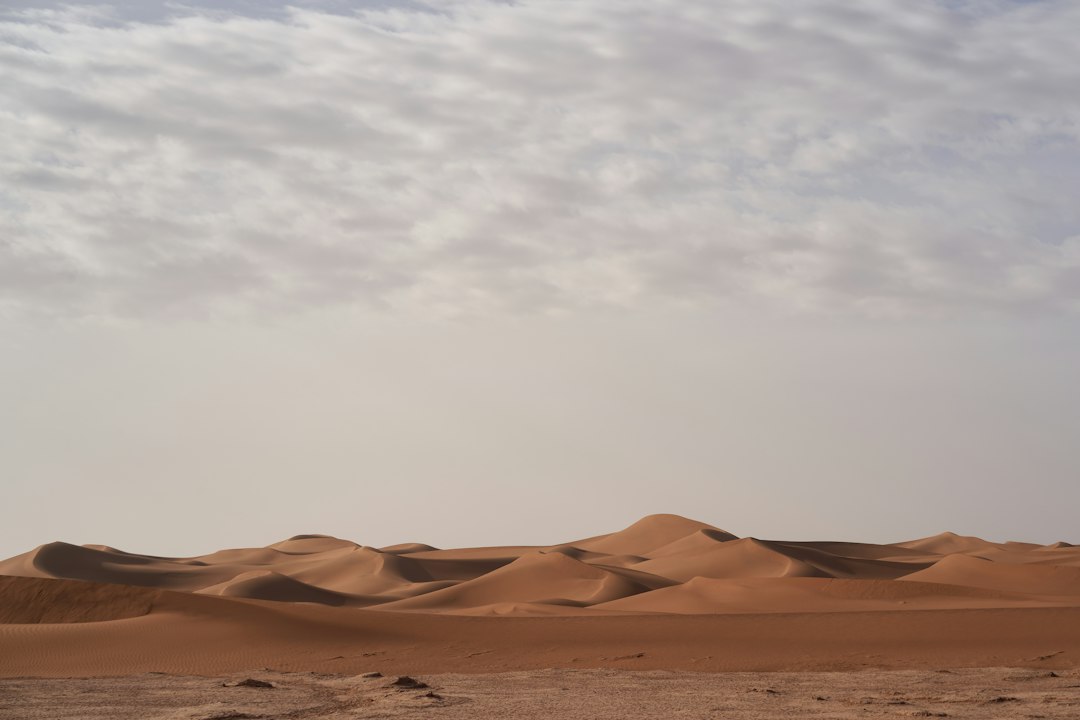
The Sahara Desert, a vast expanse of sand and rock, is often envisioned as an unchanging, arid wasteland. Yet, beneath this modern visage lies a profound history of transformation, a story of a once verdant landscape that would make the current aridity seem like a fleeting anomaly. This narrative extends beyond the Sahara, encompassing the Arabian Peninsula, revealing a shared, dramatic past of climatic swings and the remarkable resilience of life in the face of extreme environmental shifts. Unveiling these ancient environmental changes offers invaluable insights into Earth’s climate sensitivity, the long-term impacts of geological processes, and the potential for future climatic reconfigurations.
The Cradle of Life: The African Humid Period
The Sahara’s transformation from a thriving ecosystem to its current arid state is primarily attributed to a recurring phenomenon known as the African Humid Period, also sometimes referred to as the “Green Sahara.” This period, which occurred at intervals over the past several hundred thousand years, was characterized by significantly increased rainfall across the Sahara and Sahel regions. Scientists have pieced together this complex history through various lines of evidence, including paleoclimate archives like lake sediments, speleothems (cave formations), and marine sediment cores, as well as archaeological findings that reveal human presence and activity in areas now uninhabitable.
Triggers of the Green Sahara
The primary driver behind the African Humid Period is the Earth’s orbital cycles, specifically variations in its axial tilt and the shape of its orbit around the sun, known as Milankovitch cycles. These cycles influence the intensity and distribution of solar radiation reaching Earth. During periods of higher obliquity (axial tilt) and eccentricity (orbital shape), Northern Hemisphere summers receive more direct sunlight. This increased solar insolation intensifies the African monsoon system. The monsoon, a seasonal wind that brings heavy rainfall, becomes stronger and extends further north, pushing its influence into what is now the Sahara.
A Verdant Landscape Emerges
The increased rainfall transformed the Sahara into a landscape far removed from its current desertification. Evidence suggests the presence of numerous lakes, rivers, and wetlands across the region. These water bodies supported a diverse array of flora and fauna, including grasses, trees, and aquatic vegetation. Ancient riverbeds, like the Wadi Howar in Sudan, are tangible remnants of these wetter epochs, and their scale indicates substantial water flow. Paleobotanical studies of pollen and plant macrofossils unearthed from ancient lake sediments reveal the presence of species that require more than just sparse desert vegetation, pointing to savanna-like environments and even gallery forests along river systems.
Megafauna and Human Habitation
The abundant water and vegetation supported a rich and diverse megafauna, mirroring ecosystems found in present-day savannas and grasslands. Fossil discoveries have unearthed the remains of animals such as elephants, giraffes, hippopotamuses, crocodiles, and antelopes, species that are entirely incompatible with the modern Sahara’s hyperarid conditions. This flourishing environment also became a haven for early humans. Archaeological evidence, including rock art, stone tools, and skeletal remains, attests to human presence and sophisticated cultural practices during these green periods. The iconic rock art found in the Tassili n’Ajjer in Algeria, for instance, depicts scenes of hunting, herding, and daily life, with animals that are no longer found in the region, painted during these wetter phases. These findings suggest that the Sahara was not a barrier to human migration and settlement but rather a corridor and a cradle of early human civilization.
The transformation of the Sahara from a lush, green landscape to the arid desert we see today has significant implications for our understanding of climate change in the Arabian Peninsula as well. For a deeper insight into how historical climate shifts can impact economies and resources, you can read the article on the potential currency crisis in relation to precious metals at this link. This exploration highlights the interconnectedness of climate patterns and economic stability in regions affected by drastic environmental changes.
The Arabian Embrace: A Parallel Climate Story

The Arabian Peninsula shares a remarkably similar climatic history with the Sahara, experiencing its own oscillations between arid and more humid conditions. While often perceived as a monolithic desert, Arabia too has witnessed significant environmental transformations, directly influenced by the same overarching climatic forces that shaped North Africa. Understanding the Arabian parallel provides a broader geographical context for these ancient environmental shifts and underscores the interconnectedness of climate systems across large continental regions.
Monsoon Influence on Arabia
Similar to the Sahara, the Arabian Peninsula’s climate is profoundly affected by the Indian Ocean monsoon. During periods of intensified monsoonal circulation, moisture-laden winds extend further inland, bringing increased rainfall to the Arabian desert and its mountainous regions. This phenomenon created periods where large parts of Arabia were significantly greener than they are today. Scientists have analyzed marine sediment cores from the Arabian Sea and terrestrial records from the Arabian Peninsula to reconstruct these wetter intervals. These studies indicate that the monsoon’s influence was capable of transforming even the most arid interiors into more hospitable environments.
Lakes and Rivers of Ancient Arabia
Evidence of past wetter conditions in Arabia includes the discovery of ancient lake beds, dried river channels (wadis), and fossilized plant and animal remains. Sites like the Empty Quarter in Saudi Arabia, currently one of the world’s most desolate deserts, have yielded evidence of ancient lakes and river systems. Paleoshorelines of these ancient water bodies are visible, and sediment analysis reveals the presence of freshwater species, indicating periods of substantial water availability. The presence of fossilized fish and mollusks in these arid landscapes is a direct testament to the existence of significant freshwater ecosystems that supported them.
Arabian Archaeology and a Changing Landscape
The changing climate of Arabia also influenced human settlement patterns and development. Archaeological sites across the peninsula reveal periods of greater human activity and population density during these wetter intervals. The discovery of Neolithic settlements, along with evidence of agriculture and animal domestication in areas that are now extremely dry, points to a more favorable climate that supported these endeavors. The movement of ancient trade routes and the development of early civilizations in Arabia were undoubtedly shaped by the availability of water and the fertility of the land, which fluctuated significantly over millennia. The interaction between human societies and these dynamic environments is a crucial aspect of understanding the region’s past.
Reconstructing the Past: Tools and Techniques
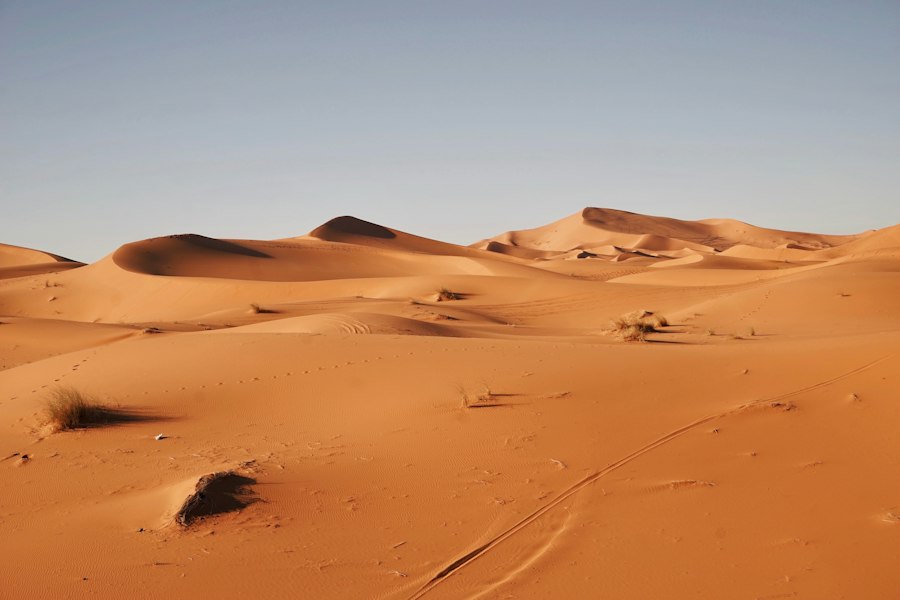
The scientific endeavor to reconstruct these ancient environmental shifts relies on a sophisticated array of scientific disciplines and analytical techniques. By studying geological records, analyzing fossilized remains, and employing advanced modeling, researchers can paint a detailed picture of past climates and ecosystems. This multidisciplinary approach allows for cross-validation of findings and a more comprehensive understanding of the complex processes at play.
Paleoclimate Archives: Windows to the Past
Paleoclimate archives are natural records that preserve information about past climate conditions. Lake sediments are particularly valuable, as layers of deposited material can reflect changes in rainfall, temperature, and vegetation over time. The analysis of pollen grains within these sediments, for instance, can reveal the types of plants that thrived in a particular period, indicating whether the climate was wetter or drier, warmer or cooler. Speleothems, such as stalagmites and stalactites in caves, also provide valuable climate data. Their growth layers can be dated, and their chemical composition, particularly the ratio of oxygen isotopes, can be used to infer past rainfall and temperature patterns.
Marine Sediment Cores: Oceans as Recorders
Ocean sediments, collected through drilling operations, offer a vast and continuous record of Earth’s climate history. The composition of marine sediments can reveal information about past ocean temperatures, sea levels, and the extent of ice sheets. For regions like the Sahara and Arabia, marine sediment cores from the Atlantic and Arabian Seas provide crucial data on past monsoon intensity and the dust transported from these landmasses. The amount of dust deposited in the ocean can be an indicator of aridity on land, while the presence of specific marine organisms can reflect past oceanographic conditions influenced by continental runoff and climate.
Fossil Evidence: Echoes of Ancient Life
The fossil record provides direct evidence of past life forms and the environments they inhabited. The discovery of the remains of animals that require abundant water, such as hippopotamuses and crocodiles, in areas now devoid of surface water, is irrefutable proof of past wetter climates. Similarly, the identification of plant fossils, such as grasses and trees adapted to savanna or woodland environments, indicates a landscape that was once significantly different from the modern desert. Paleobotanical studies, examining pollen, seeds, and larger plant fragments, are essential for reconstructing past vegetation.
Geochronology and Dating Techniques
Accurate dating of geological and biological samples is fundamental to establishing the timeline of these environmental shifts. Radiocarbon dating is commonly used for organic materials up to about 50,000 years old. For older samples, techniques like Uranium-series dating, thermoluminescence, and Optically Stimulated Luminescence (OSL) are employed to date sediments and geological formations. These dating methods allow scientists to establish the timing of the African Humid Periods and their Arabian counterparts, enabling correlations with Earth’s orbital cycles and other global climate events.
The Dance of Orbital Cycles and Monsoon Dynamics
The intricate relationship between Earth’s orbital variations and the dynamics of the African and Asian monsoons is the cornerstone of understanding the Green Sahara and Arabia. These celestial mechanics, operating over millennia, dictate the intensity and reach of rainfall, creating cycles of aridity and humidity that have profoundly shaped these regions and the life they support.
Milankovitch Cycles: The Celestial Pacemakers
The Milankovitch cycles describe long-term variations in Earth’s orbit that affect the amount and distribution of solar radiation received by the planet. These include:
- Eccentricity: The shape of Earth’s orbit around the Sun varies from nearly circular to slightly elliptical over periods of about 100,000 and 400,000 years.
- Obliquity: The tilt of Earth’s axis varies between approximately 22.1 and 24.5 degrees over a cycle of about 41,000 years. A greater tilt leads to more extreme seasonal differences in temperature.
- Precession: The wobble of Earth’s axis, along with the slow rotation of the ellipse of its orbit, causes the timing of seasons to shift over cycles of about 19,000 and 23,000 years.
During periods when Northern Hemisphere summers receive more intense solar radiation due to these orbital configurations, the landmasses, particularly in North Africa and the Middle East, heat up more significantly. This differential heating between the land and the oceans is a primary driver of monsoon systems.
Monsoon Intensification and Poleward Expansion
The increased solar insolation during warmer orbital phases leads to a stronger land-sea temperature contrast. This intensified temperature gradient fuels a more vigorous atmospheric circulation, drawing moist air from the oceans inland. In the case of the African monsoon, this means the Intertropical Convergence Zone (ITCZ), a band of low pressure and rising air that typically lies near the equator, shifts northward. This northward shift pushes the monsoonal rains further into the Sahara. Similarly, the Indian Ocean monsoon, which influences Arabia, also becomes more potent and extends its reach, bringing moisture to areas that are typically arid.
Feedback Mechanisms: Amplifying the Change
The initial trigger of increased rainfall through orbital forcing is often amplified by various feedback mechanisms. For example, increased vegetation cover in the Sahara and Arabia during humid periods would have led to more evapotranspiration, releasing more moisture into the atmosphere and further enhancing local rainfall. This creates a positive feedback loop, sustaining the humid conditions for extended periods. Conversely, during drier orbital phases, the lack of vegetation reduces evapotranspiration, leading to increased aridity and a negative feedback loop that reinforces the desertification process.
The transformation of the Sahara from a lush, green landscape to the arid desert we see today has intrigued scientists and historians alike, shedding light on the complex interplay between climate and human civilization. A fascinating article explores the impact of ancient elites on societal structures and knowledge dissemination, which can be linked to how environmental changes influenced power dynamics in regions like the Sahara and Arabia. For more insights into this topic, you can read the article here. Understanding these historical shifts not only enhances our grasp of past societies but also provides context for current climate challenges.
Implications for the Future: Lessons from the Past
| Metric | Green Sahara Period | Green Arabian Climate Period | Notes |
|---|---|---|---|
| Timeframe | Approximately 11,000 to 5,000 years ago | Approximately 9,000 to 6,000 years ago | Both periods correspond to early to mid-Holocene humid phases |
| Annual Precipitation | Up to 400-600 mm/year | Up to 200-300 mm/year | Significantly higher than current arid conditions |
| Vegetation Cover | Grasslands, savannas, lakes, and rivers | Grasslands and seasonal wetlands | Supported diverse flora and fauna |
| Temperature | Similar or slightly warmer than present | Similar or slightly warmer than present | Climate warming contributed to monsoon intensification |
| Monsoon Intensity | Stronger African monsoon system | Stronger Arabian monsoon influence | Driven by orbital changes increasing summer insolation |
| Human Activity | Early pastoralism and settlements | Early human settlements and trade routes | Green conditions facilitated migration and agriculture |
| End of Green Phase | Gradual aridification starting ~5,000 years ago | Aridification around 6,000 years ago | Linked to weakening monsoon and orbital changes |
The study of the Green Sahara and Arabia’s ancient environmental shifts offers profound lessons with significant implications for understanding and predicting future climate change. By examining how Earth’s climate system responded to past natural forcances, scientists can refine models and gain a deeper appreciation for the planet’s sensitivity to climatic perturbations.
Climate Sensitivity and Tipping Points
The dramatic shifts between extreme aridity and significant humidity in these regions highlight Earth’s capacity for rapid and substantial climate change. The transition to a “Green Sahara” and its subsequent desertification were not gradual, imperceptible shifts but rather significant transformations that dramatically altered landscapes and ecosystems. This underscores the concept of climate tipping points – thresholds beyond which a system undergoes irreversible or very difficult-to-reverse changes. Understanding these past transitions helps scientists identify potential tipping points in the current climate system and the factors that might trigger them.
The Role of Orbital Cycles vs. Anthropogenic Forcing
While Milankovitch cycles have driven past climate changes, the current warming trend is overwhelmingly attributed to anthropogenic greenhouse gas emissions. The magnitude and speed of current warming are far beyond what can be explained by natural orbital variations alone. However, studying past natural climate shifts provides a baseline for understanding the Earth’s natural variability and how the climate system responds to forcing. This knowledge is crucial for distinguishing between natural cycles and human-induced changes and for assessing the long-term impacts of anthropogenic warming. The past greening of the Sahara and Arabia, driven by subtle orbital shifts over thousands of years, serves as a stark reminder of how dramatically climate can change, even when the forcing is relatively gradual.
Water Resources and Desertification in a Warming World
The potential for future climate change to impact water resources and exacerbate desertification in arid and semi-arid regions is a significant concern. While the specific mechanisms driving future change differ from past orbital forcing, the underlying principle of climate shifts profoundly affecting water availability remains constant. Regions like the Sahara and Arabia, already facing water scarcity, could experience further drying, impacting agriculture, ecosystems, and human populations. Conversely, some regions might experience increased rainfall. Understanding the complex feedbacks and regional variations observed in past climate shifts can help improve predictions of future hydrological changes and inform strategies for water management and adaptation to a changing climate. The historical narrative of the Green Sahara and Arabia, therefore, is not just a chronicle of the past but a vital guide for navigating the environmental challenges of the future.
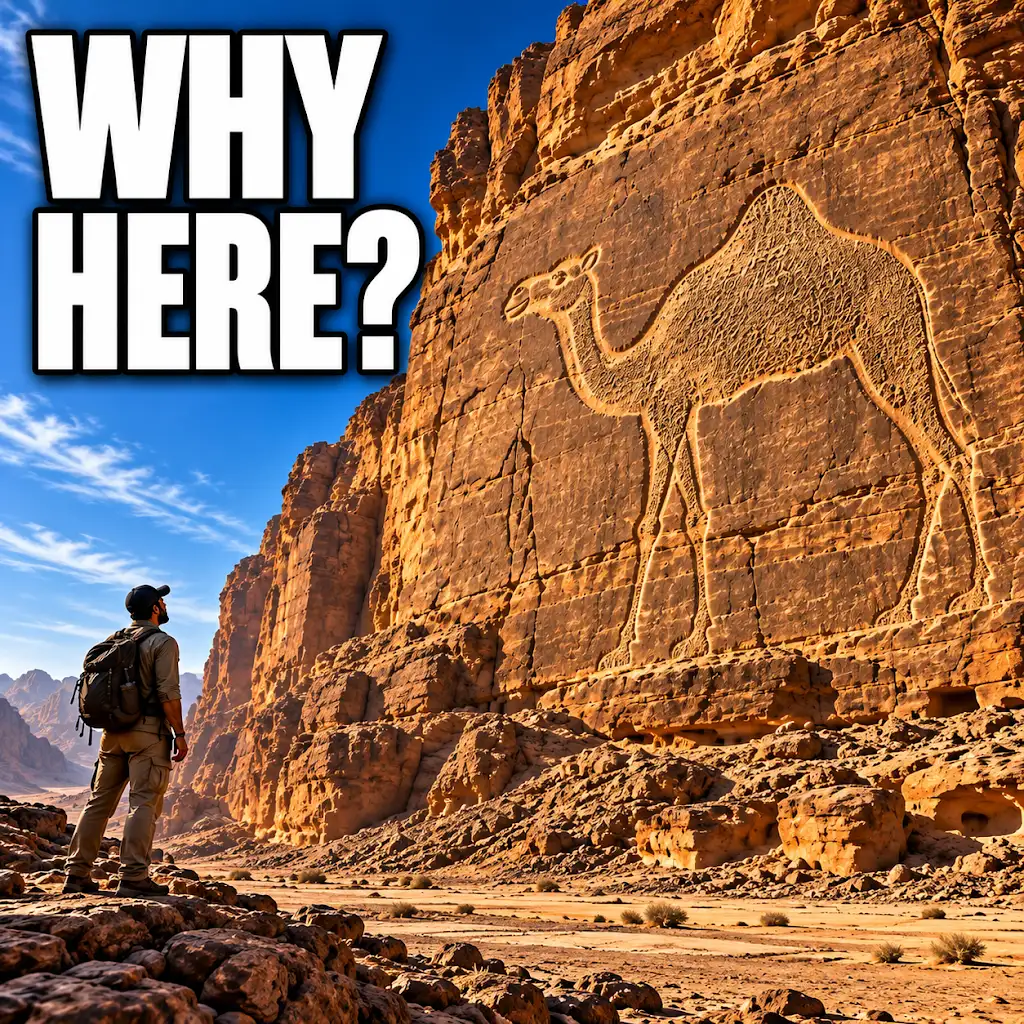
Why Were Giant Camels Carved Above the Desert?
FAQs
What is the Green Sahara?
The Green Sahara refers to a period in the Earth’s history, around 10,000 years ago, when the Sahara Desert was a lush and fertile region with vegetation, lakes, and rivers.
How did the Green Sahara come to be?
The Green Sahara was a result of changes in the Earth’s orbit and tilt, which led to increased rainfall in the region, transforming it from a desert into a green landscape.
What evidence supports the existence of a Green Sahara?
Scientific studies have found fossilized pollen, plant remains, and ancient lake sediments in the Sahara Desert, providing evidence of a once-thriving ecosystem in the region.
How does the Green Sahara relate to the Arabian climate?
The Green Sahara and Arabian climate are interconnected through atmospheric and oceanic circulation patterns, which can influence rainfall patterns and vegetation cover in both regions.
What can studying the Green Sahara teach us about climate change?
Studying the Green Sahara can provide insights into how climate can rapidly shift from wet to dry conditions, helping us understand the potential impacts of future climate change on arid regions like the Sahara and Arabian Peninsula.