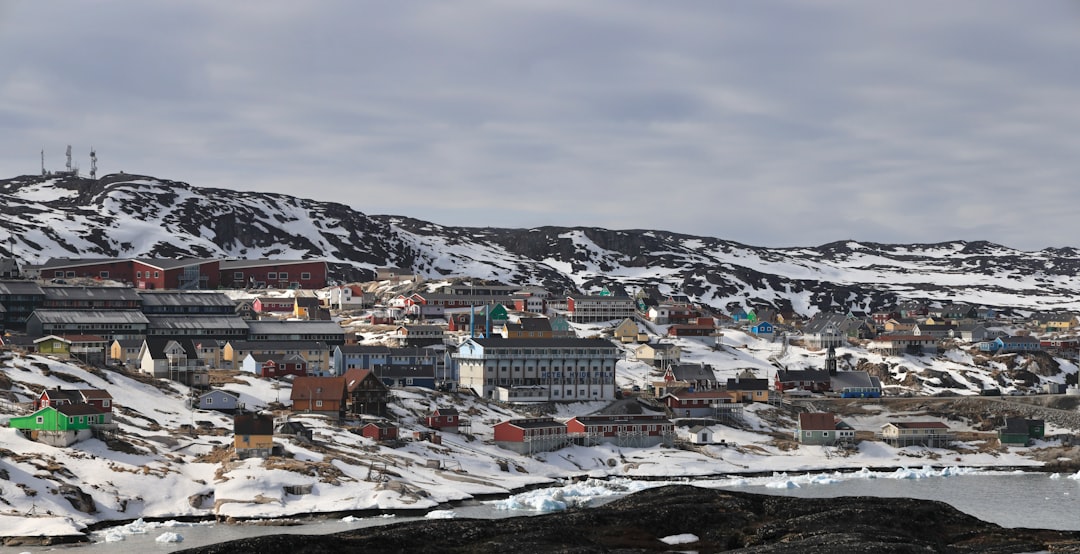
Greenland, the world’s largest island, stands at a pivotal juncture in its history, grappling with a potential mining boom that promises economic transformation but also ignites deep-seated societal and environmental tensions. As the ice melts and global demand for critical minerals intensifies, this autonomous Danish territory finds itself a reluctant stage for a complex drama, pitting economic aspirations against ecological preservation and cultural identity. The stakes are immense, as Greenland navigates a path that could redefine its future, from a remote Arctic outpost to a significant player in the global resource landscape.
Greenland’s bedrock holds a treasure trove of minerals, many of which are vital for the burgeoning green economy. The vast, underexplored landscape, once considered too remote and inhospitable for large-scale extraction, is now viewed through a different lens. Climate change, ironically, has made some of these deposits more accessible, sparking a renewed interest from international mining companies.
Rare Earth Elements: The Modern Gold Rush
Among the most sought-after minerals are rare earth elements (REEs), a group of 17 chemically similar metallic elements crucial for high-tech applications. These include components for electric vehicles, wind turbines, smartphones, and advanced military technology. China currently dominates the global supply chain for REEs, a monopoly that Western nations are eager to break. Greenland, with its sizable deposits, presents a tantalizing opportunity to diversify this supply.
Beyond REEs: A Diverse Mineral Portfolio
While REEs garner significant attention, Greenland’s mineral wealth extends far beyond them. The island is also believed to harbor substantial reserves of:
- Uranium: A critical component for nuclear power, its presence often intertwines with REE deposits, adding another layer of complexity to mining proposals.
- Iron Ore: Large-scale iron ore projects could provide a foundational economic boost, albeit with potential environmental implications.
- Rubies and Sapphires: Gemstones offer a niche but potentially lucrative mining sector, differing significantly in scale and impact from industrial mineral extraction.
- Zinc, Lead, and Copper: These base metals are essential for construction and various industrial processes.
The prospect of commercial extraction of these minerals represents a potential economic windfall for Greenland, a nation currently heavily reliant on subsidies from Denmark and its fishing industry.
The recent surge in mining activities in Greenland has sparked rising tensions among local communities and environmental activists, as concerns grow over the potential impact on the pristine Arctic ecosystem. This situation is further explored in a related article that delves into the complexities of balancing economic development with environmental preservation. For more insights, you can read the article here: Greenland Mining Surge and Rising Tensions.
The Economic Imperative: A Pathway to Independence?
For many Greenlanders, particularly its political elite, large-scale mining is seen as the primary vehicle for achieving greater economic autonomy, and ultimately, full independence from Denmark. The current economic model, heavily subsidized and largely dependent on a single industry, is perceived as unsustainable in the long run.
Funding the Future: Education and Infrastructure
The revenue generated from mining royalties and corporate taxes could transform Greenland’s public services. Imagine a scenario where increased funds could lead to:
- Improved educational facilities: Investing in modern schools, vocational training, and higher education institutions to equip Greenlanders for skilled jobs.
- Enhanced healthcare infrastructure: Building new hospitals, clinics, and attracting medical professionals to remote communities.
- Development of critical infrastructure: Upgrading ports, roads, and communication networks to support economic growth and improve daily life.
Job Creation and Skill Development
Mining projects promise the creation of numerous jobs, both directly in the mines and in supporting industries. This presents an opportunity to:
- Combat unemployment: Particularly in smaller, more isolated communities where economic opportunities are limited.
- Develop a skilled workforce: Training programs associated with mining could equip Greenlanders with valuable technical and administrative skills, creating a lasting legacy beyond the lifespan of any particular mine.
- Attract foreign investment and expertise: Bringing in international companies can foster knowledge transfer and introduce new technologies.
However, the question remains whether these jobs will primarily benefit Greenlanders or a transient foreign workforce, and whether the promised skill development will materialize effectively.
Environmental Concerns: The Fragile Arctic Ecosystem
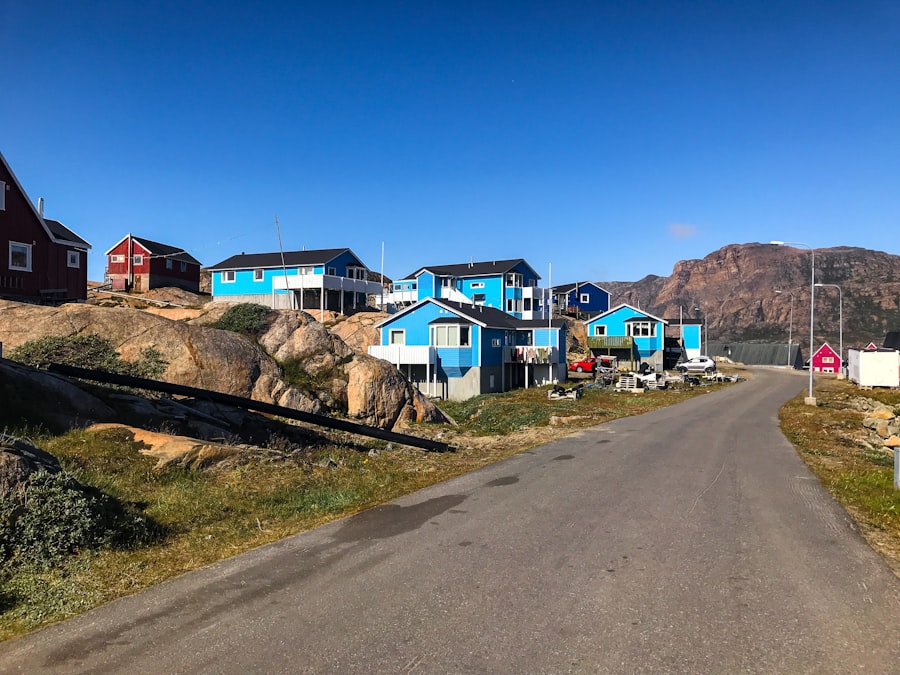
The Arctic is a globally significant, yet acutely vulnerable, environment. Its delicate ecosystems are already facing unprecedented pressures from climate change. The introduction of large-scale industrial mining raises serious environmental alarms among scientists, environmental activists, and a significant portion of the local population.
Glacier Retreat and Permafrost Thaw
Mining operations in permafrost regions present unique challenges. The groundbreaking and excavation involved can accelerate the thawing of permafrost, leading to:
- Land instability: Increased risk of landslides and subsidence, impacting infrastructure and potentially releasing stored greenhouse gases.
- Hydrological changes: Alterations to water flow patterns, affecting local ecosystems and water sources.
- Release of pollutants: Frozen waste and contaminants in permafrost could be released as it thaws.
Furthermore, the increased human activity, infrastructure development, and potential for dust and emissions could exacerbate the already rapid retreat of glaciers, contributing to global sea-level rise.
Biodiversity and Wildlife Disturbance
Greenland’s pristine wilderness is home to iconic Arctic wildlife, including polar bears, caribou, muskoxen, and various marine mammals and bird species. Mining activities pose a significant threat to these populations through:
- Habitat destruction and fragmentation: Clearing land for mines, roads, and infrastructure directly destroys habitats and divides animal populations.
- Noise and light pollution: Disturbing sensitive species, altering breeding patterns, and disrupting migration routes.
- Contamination of water and soil: Leakage of tailings, chemicals, and heavy metals from mining operations can poison water sources and land, impacting wildlife that rely on these resources.
- Increased shipping traffic: Disrupting marine ecosystems, particularly sensitive areas for marine mammals and fisheries.
For Greenlanders whose livelihoods and cultural identity are deeply intertwined with the land and sea, the potential harm to these ecosystems is a profound concern.
Waste Management and Tailings Dams
A major environmental challenge with mining is the management of vast quantities of waste rock and tailings – the finely ground material left after the valuable minerals have been extracted. The construction of tailings dams, particularly in a seismically active or glaciated environment, carries inherent risks. A breach of such a dam could unleash a devastating flood of toxic sludge, irrevocably contaminating downstream areas, including vital fishing grounds and freshwater sources. The long-term stability and environmental impact of these storage facilities are critical considerations.
Social and Cultural Impacts: A Clash of Values
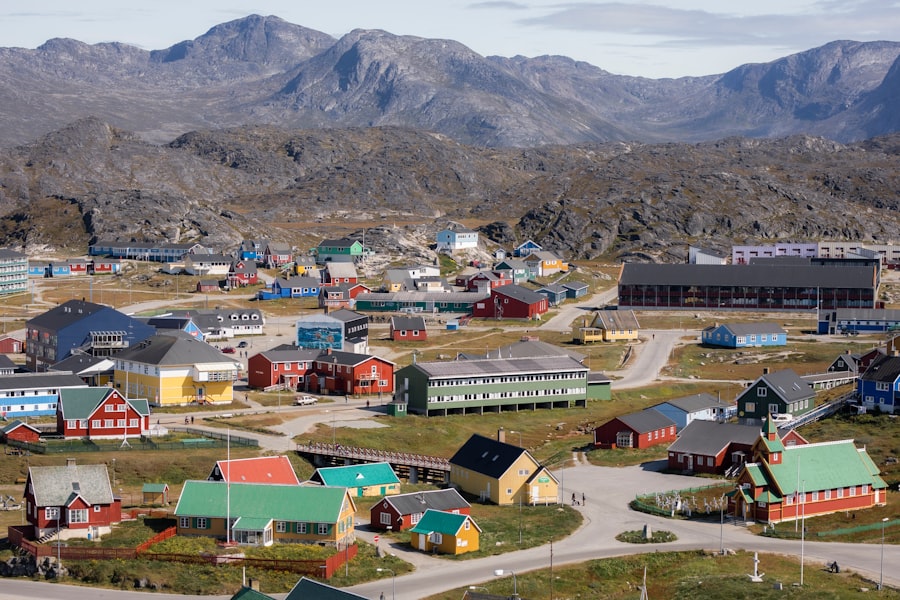
Beyond the economic and environmental considerations, the potential mining boom stirs significant social and cultural anxieties within Greenlandic society. The prospect of rapid industrialization and the influx of foreign workers can profoundly alter the fabric of communities.
Traditional Lifestyles vs. Modern Industry
Many Greenlanders, especially those in smaller, more traditional communities, maintain a close connection to their ancestral hunting, fishing, and foraging practices. Large-scale mining projects can fundamentally disrupt these ways of life by:
- Restricting access to traditional hunting grounds: Land designated for mining may become inaccessible or contaminated.
- Impact on subsistence economies: Pollution of marine environments could diminish crucial fishing stocks, affecting livelihoods and food security.
- Erosion of cultural heritage: The rapid transformation of landscapes and the influx of foreign cultures can lead to a sense of loss of identity and traditional knowledge.
This tension between preserving a cherished heritage and embracing modern development is a defining feature of the current debate.
Indigenous Rights and Self-Determination
Greenland’s inhabitants are an Indigenous people with strong cultural ties to their land and a history of colonial experience. The discourse around mining often intersects with issues of Indigenous rights, including:
- Free, Prior, and Informed Consent (FPIC): The right of Indigenous communities to give or withhold consent for projects affecting their lands and resources. Critics argue that current consultation processes may not adequately uphold FPIC principles.
- Benefit Sharing: Ensuring that a fair share of the economic benefits from mining projects accrues to local communities and Indigenous populations, not just national coffers or foreign investors.
- Cultural Preservation: Protecting archaeological sites, sacred lands, and intangible cultural heritage from the impacts of industrial development.
The historical context of resource extraction impacting Indigenous peoples globally adds weight to these concerns, ensuring a cautious approach in Greenland.
The Influx of Foreign Workers
Major mining operations typically require a large workforce, often necessitating the import of skilled labor from abroad. While offering potential benefits, this influx can also create social challenges:
- Strain on local infrastructure: Housing, healthcare, and public services in small communities can be overwhelmed by a sudden population increase.
- Cultural clashes and integration issues: Differences in language, customs, and social norms can lead to friction and social fragmentation.
- Wage disparities: Discrepancies between the wages of local and foreign workers can create resentment.
Careful planning and mitigation strategies are essential to manage these potential social disruptions effectively.
The recent surge in mining activities in Greenland has sparked rising tensions among various stakeholders, including environmentalists and indigenous communities. As the demand for rare earth minerals increases, the implications for Greenland’s delicate ecosystem and cultural heritage become more pronounced. For a deeper understanding of the complexities surrounding this issue, you can read a related article that explores the multifaceted impacts of mining in the region. This insightful piece can be found here.
Geopolitical Ramifications: A New Arctic Frontier
| Metric | Value | Details |
|---|---|---|
| Number of Active Mining Projects | 15 | Includes rare earth elements, uranium, and iron ore mining sites |
| Annual Mineral Production (tons) | 120,000 | Estimated total output from Greenland mines in 2023 |
| Increase in Mining Investment (2020-2023) | 35% | Growth in foreign and domestic investment in mining sector |
| Number of Environmental Protests | 8 | Protests related to mining impact on local ecosystems and communities |
| Local Employment in Mining Sector | 1,200 | Jobs created for Greenlandic residents |
| Reported Diplomatic Tensions | 3 | Incidents involving Greenland, Denmark, and other nations over mining rights |
| Projected Mining Growth Rate (2024-2028) | 12% per year | Expected annual increase in mining activities and output |
Greenland’s strategic location and mineral wealth have attracted significant international attention, transforming it into a geopolitical chessboard in the Arctic. The interest in its resources extends far beyond commercial profit, encompassing national security and global influence.
US and Chinese Interests: A Strategic Tug-of-War
Both the United States and China view Greenland with keen interest, though for different reasons:
- United States: Primarily concerned with Arctic security, particularly the increasing presence of Russia and China in the region. Access to critical minerals, especially REEs, is also a strategic priority to reduce dependence on rivals. The US has invested in various initiatives in Greenland, including opening a consulate and offering financial aid.
- China: Aims to secure access to critical minerals to power its industrial growth and technological ambitions. Chinese companies have made significant investments and expressed interest in mining projects in Greenland. Controlling a portion of the world’s REE supply outside of its borders offers significant geopolitical leverage.
This geopolitical competition adds another layer of complexity to Greenland’s mining decisions, as the island navigates the expectations and pressures of major global powers.
Denmark’s Role: Sovereignty and Responsibility
As an autonomous territory within the Kingdom of Denmark, Greenland’s mining decisions inevitably involve Copenhagen. Denmark retains responsibility for foreign affairs, defense, and security, placing it in a delicate position.
- Balancing Autonomy and Oversight: Denmark must balance Greenland’s right to self-determination with its own strategic interests and international obligations.
- Environmental Standards: Ensuring that potential mining projects adhere to rigorous environmental and social standards, reflecting Danish and international norms.
- Navigating Geopolitical Pressures: Copenhagen finds itself as a crucial intermediary, navigating the competing interests of global powers in its backyard.
The discussions surrounding specific mining projects, therefore, often involve a tripartite dialogue between Greenland, Denmark, and the interested foreign entities.
The Path Forward: Balancing Aspirations and Safeguards
Greenland stands at a crossroads, balancing its profound desire for economic independence with the imperative to protect its pristine environment and unique culture. The challenges are immense, demanding thoughtful consideration and robust governance.
Robust Regulatory Frameworks and Impact Assessments
For any mining to proceed responsibly, Greenland requires:
- Strict environmental regulations: Adhering to the highest international standards for pollution control, waste management, and biodiversity protection.
- Comprehensive social impact assessments: Thoroughly evaluating the potential effects on local communities, traditional livelihoods, and cultural heritage, with genuine community involvement.
- Transparent permitting processes: Ensuring that all decisions are made openly, with clear criteria and accountability.
Investment in Sustainable Alternatives
While mining offers a potential quick route to revenue, Greenland could also explore and invest in other sustainable economic sectors to diversify its economy and reduce reliance on a single industry:
- Renewable energy: Harnessing hydro and wind power for domestic use and export.
- Sustainable tourism: Developing high-value, low-impact tourism focusing on Greenland’s unique natural beauty and cultural heritage.
- Fisheries management: Continuing to optimize and ensure the long-term sustainability of its primary export industry.
- Scientific research partnerships: Capitalizing on its Arctic location to become a hub for climate and environmental research.
Community Empowerment and Education
Ultimately, the success of any development path hinges on empowering Greenlandic communities and fostering an informed populace. This involves:
- Meaningful consultation: Ensuring that local voices are heard and considered in all stages of project development.
- Education and training: Providing Greenlanders with the skills and knowledge to participate fully in and benefit from any economic opportunities.
- Promoting dialogue: Fostering open discussions on the opportunities and risks associated with mining, avoiding polarization, and seeking common ground.
The mining boom in Greenland is not merely an economic transaction; it is a profound societal choice that will shape the island’s destiny for generations. As the ice continues to recede, revealing more of its mineral wealth, Greenland must carefully weigh the glittering promise of prosperity against the potential for irreversible environmental and cultural loss. The world watches, keen to see how this remote Arctic nation navigates its path towards self-determination in an increasingly complex and resource-hungry world.
FAQs
What is causing the surge in mining activities in Greenland?
The surge in mining activities in Greenland is primarily driven by the increasing global demand for rare earth minerals and other valuable resources found in the region. Melting ice due to climate change has also made previously inaccessible areas more reachable for mining operations.
Which minerals are primarily being targeted in Greenland’s mining surge?
Key minerals targeted include rare earth elements, uranium, iron ore, zinc, and other strategic metals essential for technology, renewable energy, and defense industries.
How are mining activities affecting Greenland’s geopolitical relations?
The mining surge has heightened tensions among global powers, as countries vie for access to Greenland’s resources. This has led to increased diplomatic interest and strategic competition, particularly involving the United States, China, and European nations.
What environmental concerns are associated with increased mining in Greenland?
Environmental concerns include potential damage to fragile Arctic ecosystems, pollution from mining operations, disruption of local wildlife habitats, and the impact on indigenous communities’ traditional ways of life.
How is Greenland’s government responding to the mining surge and related tensions?
Greenland’s government is working to balance economic development opportunities from mining with environmental protection and social considerations. It is also engaging in international diplomacy to manage geopolitical pressures and ensure sustainable resource management.