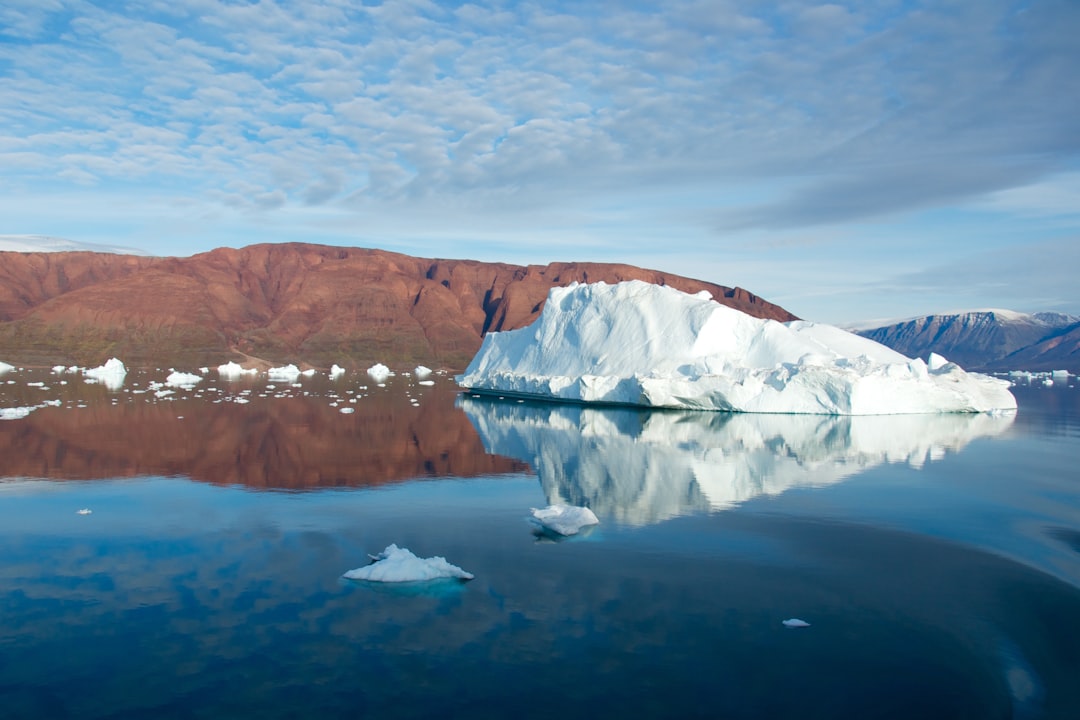
The vast, ice-covered expanse of Greenland, once a serene and largely overlooked territory, is increasingly becoming a focal point of international geopolitical interest. This shift is not merely a consequence of its strategic location but rather a complex interplay of environmental change, resource potential, and the ambitions of various global powers. The ice sheet, a sentinel of global climate, is melting at an unprecedented rate, uncovering both opportunities and anxieties. As the Arctic thaws, the geopolitical landscape around Greenland is undergoing a profound transformation, creating new avenues for economic development, but also opening old wounds and sowing the seeds of potential conflict.
The most immediate and visible factor in Greenland’s rising tensions is the accelerating rate of climate change. For centuries, the island’s formidable ice cap acted as a natural barrier, deterring widespread human activity and exploitation. However, this has changed dramatically in recent decades. The retreating ice is not merely a scientific curiosity; it is a catalyst, a geological crowbar prying open new possibilities and unforeseen challenges.
Unveiling Hidden Resources
As the ice recedes, it reveals extensive mineral deposits – a treasure trove beneath the ancient ice. Greenland is believed to possess significant reserves of rare earth elements, crucial for modern electronics and renewable energy technologies, alongside substantial deposits of uranium, zinc, lead, and iron ore. These resources, once economically unviable to extract, are now becoming increasingly accessible. The prospect of tapping into these riches attracts the attention of major industrial nations, eager to secure their supply chains and reduce their reliance on existing, often volatile, sources. The melting ice, therefore, is not just a harbinger of environmental catastrophe; it is also an unveiling, a revealing of assets that could fundamentally alter global economic power balances.
Emerging Shipping Routes
Beyond mineral wealth, the diminishing ice cover is opening up new shipping lanes, particularly the fabled Northwest Passage and the Northern Sea Route. These routes, connecting the Atlantic and Pacific oceans, offer potentially significant reductions in transit times and fuel costs compared to traditional shipping lanes through the Suez and Panama canals. While still challenging and subject to seasonal ice conditions, the increasing navigability of these routes transforms Greenland from a geographical outlier into a critical waypoint in a burgeoning Arctic maritime network. This newfound strategic importance imbues the island with a geopolitical weight it has not held since the Cold War.
Vulnerability to Extreme Weather Events
Conversely, while creating opportunities, the changing climate also introduces significant human and economic vulnerabilities. Greenland’s indigenous communities, deeply connected to their environment, face existential threats to their traditional ways of life due to melting permafrost, erratic weather patterns, and shifts in marine ecosystems. Infrastructure, often built on now-thawing ground, is at increased risk of damage. The logistical challenges of operating in a rapidly changing, often hostile, environment are immense, requiring extensive investment in specialized technology and robust emergency response capabilities. The promise of new wealth is thus tempered by the stark reality of increased environmental instability.
The rising tensions in Greenland have been a focal point of international discussions, particularly in light of geopolitical interests in the Arctic region. For a deeper understanding of the implications surrounding these developments, you can read a related article that explores the complexities of the situation and its potential impact on global politics. Check it out here: Greenland Rising Tensions: A Geopolitical Analysis.
Geopolitical Chessboard: Major Players and Their Stakes
Greenland, due to its unique combination of strategic location, resource potential, and a warming environment, has become a prized pawn on the global geopolitical chessboard. Various international actors, each with their own complex motivations, are vying for influence and access, transforming the island into a microcosm of broader global power struggles.
Denmark’s Enduring Sovereignty and Internal Dynamics
As an autonomous territory within the Kingdom of Denmark, Greenland’s relationship with Copenhagen is a delicate balance of shared history, economic dependence, and a growing desire for greater self-determination. Denmark, despite its relatively small size, shoulders the primary responsibility for Greenland’s defense and foreign policy, while also providing significant financial subsidies that underpin the island’s economy. This arrangement can be likened to a complex familial bond, where the elder sibling provides support but grapples with the younger’s aspirations for independence.
The Quest for Independence
A significant portion of the Greenlandic population harbors aspirations for full independence from Denmark. The prospect of resource wealth fuels this ambition, offering a tantalizing vision of financial self-sufficiency. However, achieving true independence would require not only navigating complex political negotiations with Denmark but also building robust governmental institutions, developing a diversified economy beyond raw resource extraction, and securing international recognition and support – a monumental undertaking for a nation of just 56,000 people. This quest for independence is a powerful underlying current in Greenlandic politics, one that influences all interactions with external powers.
Economic Dependence and Subsidies
Greenland currently receives substantial annual block grants from Denmark, constituting a significant portion of its national budget. While this funding provides essential services, it also creates a dependency that some see as an impediment to true autonomy. The search for alternative revenue sources, particularly through resource extraction, is therefore not just an economic imperative but also a political one, aimed at reducing reliance on Copenhagen and strengthening the case for independence. Any move towards greater self-sufficiency inherently alters the power dynamic between Nuuk and Copenhagen, generating both opportunities and friction.
The United States: A Resurgent Arctic Interest
The United States has a long-standing strategic interest in Greenland, underscored by the presence of Thule Air Base, a critical component of its early warning radar network and ballistic missile defense system. During the Cold War, Greenland served as a crucial outpost against potential Soviet incursions. Now, with a resurgent Russia and a rapidly expanding China asserting their presence in the Arctic, the US interest in Greenland has intensified, moving beyond mere defense to encompass broader economic and strategic considerations.
Thule Air Base: A Strategic Locus
Thule Air Base remains a vital asset for US national security, providing unparalleled access to the Arctic and serving as a key platform for intelligence gathering and military operations. Its strategic importance ensures continued US engagement with Greenland, as maintaining its operational effectiveness is paramount. The base acts as an anchor for US policy in the region, a permanent fixture in an otherwise shifting landscape.
Economic and Diplomatic Outreach
In recent years, the US has significantly increased its diplomatic and economic outreach to Greenland, opening a consulate in Nuuk and offering various aid packages and development initiatives. This renewed engagement is a clear signal of Washington’s recognition of Greenland’s growing strategic value. The US seeks to foster closer ties, offer alternatives to Chinese investment, and generally reinforce its presence in the region, recognizing that a stable and cooperative Greenland is in its long-term strategic interest.
China’s “Polar Silk Road” Ambitions
China, a self-proclaimed “near-Arctic state,” views Greenland as a critical component of its ambitious “Polar Silk Road” initiative, part of the broader Belt and Road Initiative. Beijing’s interest is primarily driven by access to Greenland’s vast mineral resources and the potential for new Arctic shipping routes, which could significantly reduce transit times for Chinese goods to European markets. China’s approach has been characterized by strategic investments and diplomatic overtures, often focusing on infrastructure projects and resource extraction partnerships.
Resource Acquisition and Investment
Chinese companies have actively sought to invest in Greenland’s mining sector, particularly in projects involving rare earth elements. These investments often come with attractive financial packages and promises of job creation, appealing to Greenland’s economic aspirations. However, these overtures have also raised concerns in Copenhagen and Washington about potential geopolitical influence, debt traps, and environmental standards. The allure of seemingly limitless financing clashes with the anxieties of strategic vulnerability.
Strategic Ports and Infrastructure
Beyond mining, China has shown interest in Greenland’s infrastructure, particularly the development of deep-water ports and airports. These initiatives, while presented as purely commercial ventures, could have dual-use potential, serving both civilian and military purposes. The prospect of Chinese control over critical infrastructure in the Arctic is a significant concern for Western allies, who view it as a potential challenge to their security and strategic interests in the region. This is where the economic and military spheres blur, creating a potent cocktail of opportunity and threat.
Russia’s Enduring Arctic Presence
Russia, with its extensive Arctic coastline and historical presence, views the Arctic as a critical zone for its national security and economic development. While its direct engagements with Greenland are less pronounced than those of the US or China, Moscow closely monitors developments in the region, particularly the militarization of the Arctic and the activities of NATO allies.
Militarization of the Arctic
Russia has significantly increased its military presence in its own Arctic territories, rebuilding Soviet-era bases and deploying advanced military hardware. This growing military footprint, while aimed primarily at securing its own borders and resource extraction operations, adds to the overall militarization of the Arctic. This naturally fuels a reciprocal build-up by NATO members, creating a climate of heightened vigilance and potential miscalculation.
Concerns Over NATO Expansion
Moscow views any expansion of NATO influence in the Arctic, including through increased US and Danish activity in Greenland, with deep suspicion. The thawing Arctic, therefore, becomes another arena for the broader geopolitical rivalry between Russia and the West. Greenland, strategically positioned between North America and Europe, becomes a passive observer in this broader contention, its fate intertwined with the ambitions of larger powers.
Sovereignty, Self-Determination, and External Influence

At the heart of Greenland’s rising tensions lies the complex interplay between its aspirations for self-determination and the external pressures exerted by global powers. The island navigates a treacherous path, seeking to leverage its newfound strategic importance for its own benefit while safeguarding its autonomy and cultural identity.
Balancing Economic Development with Environmental Protection
Greenland faces a formidable challenge: how to responsibly harness its vast mineral wealth and secure economic prosperity without irrevocably damaging its fragile Arctic environment. The pursuit of large-scale mining operations and infrastructure development carries inherent risks, including pollution, habitat disruption, and the potential for irreversible ecological change. The government of Greenland is keenly aware of these dilemmas, striving to implement stringent environmental regulations and promote sustainable development practices. This difficult balancing act is central to the island’s future trajectory. It’s a tightrope walk, where a single misstep could lead to irreversible consequences.
Navigating Great Power Competition
Greenland finds itself in an unenviable position, caught between the competing ambitions of major global powers. The offers of investment and support from various nations, while tempting, come with implicit expectations and potential geopolitical strings attached. The challenge for Greenland’s leadership is to attract beneficial foreign investment without compromising its autonomy, becoming unduly beholden to any single power, or being drawn into larger geopolitical conflicts that are not its own. This requires astute diplomacy, a clear articulation of national interests, and the ability to forge diverse partnerships.
The Indigenous Voice in a Rapidly Changing World
The indigenous Inuit population of Greenland has lived in harmony with their Arctic environment for millennia. Their traditional knowledge, intimate understanding of the land and sea, and deep cultural heritage are invaluable assets in navigating the challenges of climate change and external pressures. However, their voices are sometimes marginalized amidst the clamor for resources and strategic advantage. Ensuring their meaningful participation in decision-making processes, respecting their land rights, and protecting their cultural heritage are not merely ethical imperatives but also crucial for sustainable and equitable development. Their perspective is a unique lens through which to view the changes unfolding, one that values connection to the land over pure economic gain.
The Future Landscape: Collaboration or Confrontation?
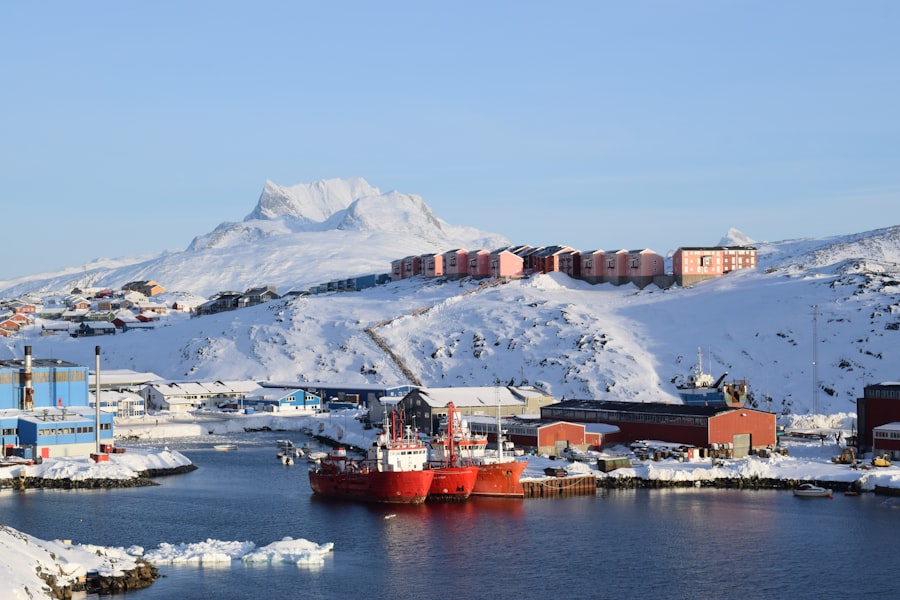
The future of Greenland, and indeed the broader Arctic, hangs in a delicate balance. Will the rising tensions ultimately lead to collaborative solutions, where nations work together to address common challenges like climate change and ensure sustainable development? Or will the region succumb to intensified geopolitical rivalry, transforming the thawing frontier into a theater of confrontation?
The Arctic Council’s Role
The Arctic Council, an intergovernmental forum promoting cooperation, coordination, and interaction among the Arctic states and indigenous communities, serves as a crucial platform for dialogue and conflict prevention. Its continued effectiveness in fostering peaceful relations and addressing shared challenges will be paramount in shaping the region’s future. The Council acts as a common language, a forum where diverse interests can, ideally, find common ground.
International Law and Norms
The application and adherence to international law, particularly the United Nations Convention on the Law of the Sea (UNCLOS), will be vital in resolving territorial disputes and ensuring freedom of navigation in the Arctic. A rules-based international order, respected by all parties, is the most robust bulwark against unilateral actions and potential conflict. Without this framework, the scramble for resources and strategic advantage could descend into a dangerous free-for-all.
Greenland’s Agency
Ultimately, Greenland itself holds significant agency in shaping its destiny. Through strategic partnerships, astute diplomacy, and a robust commitment to democratic governance and environmental stewardship, the island can carve out a future that prioritizes its own interests and contributes to a stable and prosperous Arctic. Its decisions, though made by a small nation, will echo across the global stage, influencing the trajectory of an entire region. Greenland is not merely a passive object upon which global powers project their ambitions; it is an active participant, charting its own course through the melting ice. The world watches, with a mixture of apprehension and anticipation, as this remote island nation navigates the treacherous waters of a rapidly changing geopolitical landscape.
FAQs
What are the main causes of the rising tensions in Greenland?
The rising tensions in Greenland are primarily due to geopolitical interests from various countries, increased military presence, and disputes over natural resources such as minerals and oil. Climate change and the melting ice have also made the region more accessible, intensifying strategic competition.
Which countries are most involved in the tensions surrounding Greenland?
The United States, China, Russia, and Denmark are the key countries involved in the tensions. The U.S. and Denmark have longstanding ties with Greenland, while China and Russia have shown growing interest in the region’s resources and strategic location.
How is climate change impacting the situation in Greenland?
Climate change is causing the ice in Greenland to melt at an accelerated rate, opening new shipping routes and access to untapped natural resources. This environmental change is increasing the strategic and economic importance of Greenland, contributing to the rising tensions.
What role does Greenland’s government play in these tensions?
Greenland’s government seeks greater autonomy and control over its natural resources. It is navigating complex relationships with Denmark and other global powers, balancing economic development opportunities with political and environmental concerns.
Are there any international agreements addressing the tensions in Greenland?
Several international agreements and frameworks, such as the Arctic Council and bilateral treaties, aim to promote cooperation and manage disputes in the Arctic region, including Greenland. However, enforcement and adherence vary, and rising strategic interests continue to challenge these agreements.