Greenland, a colossal island of ice and stark beauty, holds within its frozen embrace secrets that whisper of a bygone era, a time of palpable tension and strategic maneuvering. For decades, during the height of the Cold War, this remote Arctic territory, then under Danish sovereignty but with a strong American military presence, served as a critical outpost in the global struggle for dominance. Beneath its vast ice sheets lie remnants of a clandestine world, a testament to the lengths nations went to in safeguarding their interests and projecting their power. These buried secrets, now slowly being unearthed by thawing permafrost and intrepid researchers, offer a fascinating glimpse into a chapter of history that shaped the world we inhabit today.
Greenland’s importance during the Cold War was not born of its desolate landscape or its sparse population, but rather its unparalleled geographical position. Situated strategically between North America and the Soviet Union, it offered a vital platform for early warning systems, reconnaissance, and potential military operations. Its vast, largely uninhabited interior also provided the perfect cover for secret bases and clandestine activities, shielded from prying eyes by miles of ice and sub-zero temperatures.
A Bridge Between Continents: The Arctic Frontier
The Arctic, once considered a frozen wasteland, transformed into a pivotal theater of operations during the Cold War. For both the United States and the Soviet Union, controlling or at least monitoring this vast expanse became paramount. Greenland, with its proximity to North America and its deep-water ports, served as a crucial stepping stone. Its airfields, developed and expanded by the Americans, became critical refueling and staging points for aircraft traversing the globe, carrying everything from reconnaissance equipment to, in the event of conflict, nuclear payloads. The vastness of the Arctic also presented unique challenges and opportunities for military planning. The long nights, extreme cold, and limited infrastructure demanded innovation and resilience, shaping the technologies and strategies employed by both sides.
The Radar Net: Eyes in the Sky, Ears on the Ground
One of Greenland’s most significant Cold War roles was its integral part in the North American Air Defense Command (NORAD) and its precursor organizations. The island hosted a series of sophisticated radar installations, designed to detect incoming Soviet bomber fleets or intercontinental ballistic missiles (ICBMs) flying over the Arctic. This “radar net” was a critical component of the early warning system, providing precious minutes for defensive responses.
Thule Air Base: The Northernmost Sentinel
Perhaps the most iconic and strategically significant American installation in Greenland was Thule Air Base. Established in 1951, this sprawling facility was more than just a military outpost; it was a vital nerve center for Arctic defense. Its location, near the 76th parallel north, made it one of the northernmost permanently inhabited places on Earth. Thule was home to critical radar sites, including the Ballistic Missile Early Warning System (BMEWS) radar, designed to detect ICBM launches from Soviet territory. The base also housed the notorious Site J, a secret facility tasked with monitoring Soviet missile tests and a key component of the Distant Early Warning (DEW) Line. The sheer logistical undertaking of constructing and maintaining such a base in such an extreme environment is a testament to the Cold War’s insatiable demands.
The DEW Line: A String of Sentinels
The Distant Early Warning (DEW) Line was a chain of radar stations stretching across the Arctic, from Alaska to Greenland, and extending into Canada. While not exclusively in Greenland, the island’s territory was a crucial segment of this defensive shield. These stations, often located in incredibly remote and harsh conditions, provided a continuous watch for airborne threats. The personnel stationed at these isolated outposts endured extreme isolation and demanding work, playing a vital, often unsung, role in global security. Many of these DEW Line stations have since been decommissioned, but their concrete foundations and abandoned equipment lie scattered across the Arctic landscape, haunting reminders of the past.
The Silent Warfare: Espionage and Intelligence Gathering
Beyond the overt military installations, Greenland also served as a silent battleground for espionage and intelligence gathering. The strategic location and the presence of American bases made it an attractive target for Soviet reconnaissance efforts, and conversely, a platform for American surveillance of the Soviet Union.
Covert Operations and Listening Posts
While specific details of covert operations remain shrouded in secrecy, it is known that Greenland’s remote expanses offered ideal locations for clandestine listening posts and intelligence-gathering facilities. These operations likely focused on monitoring Soviet military activities, communications, and missile tests. The vast, uninhabited regions could conceal sensitive equipment and personnel, allowing for discreet observation without attracting undue attention. The harsh environment itself provided a natural deterrent, making unauthorized access incredibly difficult.
The Hunt for Soviet Submarines
The Arctic Ocean, bordering Greenland, was a crucial transit route for Soviet submarines, including those carrying nuclear missiles. The United States actively sought to track and monitor these silent predators. Greenland’s coastal waters and the surrounding Arctic seas were therefore areas of intense anti-submarine warfare (ASW) operations. Naval vessels and aircraft operating from Greenland would have been involved in extensive patrols, employing sonar and other advanced technologies to detect and track Soviet submarines, a constant cat-and-mouse game played out beneath the icy waves.
Recent explorations into buried Cold War secrets under Greenland have unveiled intriguing insights into the geopolitical tensions of the era. These findings not only shed light on the military strategies employed during the Cold War but also raise questions about the implications for contemporary international relations. For a deeper understanding of how state collapse can influence global stability, you can read more in the article titled “The Threat of State Collapse” available at this link.
Hidden Beneath the Ice: The Legacy of Secret Projects
The most profound secrets of Greenland’s Cold War past lie not on its surface, but buried deep within its ice sheet. Driven by a desire for strategic advantage and the need to conceal sensitive operations, both the United States and, to a lesser extent, the Soviet Union embarked on ambitious, often audacious, projects that were hidden from the world for decades.
Project Iceworm: The Subterranean Nuclear Base
Perhaps the most ambitious and audacious of Greenland’s buried secrets was Project Iceworm, a United States plan conceived in the late 1950s to construct a vast network of tunnels and missile launch sites beneath the Greenland ice sheet, codenamed “Camp Century.” The intention was to establish a permanent, mobile, and virtually undetectable nuclear missile base capable of striking targets within the Soviet Union.
Camp Century: A City Beneath the Ice
Camp Century was envisioned as a self-sustaining city beneath the ice, powered by a nuclear reactor and housing hundreds of personnel. The network of tunnels was designed to be mobile, allowing the base to shift its position in response to ice movement and strategic needs. The project involved considerable scientific research into tunneling in glacial environments and the effects of the cold on equipment and personnel. While the full scope of the missile deployment never materialized, Camp Century did operate for several years as a research facility and a demonstration of the technical feasibility of constructing such an underground complex. The nuclear reactor at Camp Century, though decommissioned, still poses a potential environmental hazard, with its waste buried deep within the ice.
The Phantom Fleet: A Nuclear Submarine in the Ice?
One of the most persistent and fascinating aspects of Project Iceworm lore is the rumored presence of a U.S. Navy submarine, the USS Skate, intentionally submerged and frozen within the ice sheet as a demonstration of its resilience and an early, albeit unconventional, part of the base’s defenses. While the primary purpose of Camp Century was land-based missile deployment, the idea of incorporating a submerged nuclear submarine into its strategic plan speaks to the extreme lengths to which Cold War strategists were willing to go. The narrative of the Skate being entombed in ice adds a layer of dramatic intrigue to the already compelling story of Project Iceworm.
Soviet Ambitions: A Shadowy Presence
While the United States dominated the military presence in Greenland during the Cold War, the Soviet Union was not without its own interests and, potentially, its own buried secrets on the island. Their presence, however, was far less overt and far more clandestine.
Reconnaissance and Research Stations
Soviet intelligence undoubtedly focused considerable attention on Greenland, monitoring American activities and seeking to understand the capabilities of the radar installations and military bases. It is plausible that small, covert Soviet research or reconnaissance stations were established on the island, likely in remote and inaccessible areas, to gather intelligence. These would have been the epitome of hidden Cold War operations, designed for minimal visibility and maximum information extraction.
The Possibility of Covert Bases
While direct evidence is scarce, the strategic importance of Greenland to the United States would have undoubtedly spurred Soviet efforts to establish a more significant, albeit secret, presence. The vastness of the island and its challenging terrain could have provided opportunities for the Soviets to establish hidden bases for intelligence gathering, signals interception, or even as a potential staging ground for future operations. The thawing of the ice may yet reveal more about these shadowy Soviet ambitions.
The Thaw and the Unveiling: Rediscovering Lost Secrets
As the Arctic warms at an alarming rate, the ice that has preserved Greenland’s Cold War secrets for so long is beginning to recede, revealing long-lost relics and offering new insights into this pivotal period of history. This thawing landscape is becoming a treasure trove for archaeologists, historians, and environmental scientists.
Emerging Artifacts and Abandoned Outposts
The melting ice is uncovering more than just icebergs. Abandoned radar stations, buried equipment, and even discarded military vehicles are beginning to surface from beneath the snow and ice. These tangible artifacts provide direct evidence of the scale and scope of military operations that once took place on the island. Researchers are meticulously documenting and preserving these finds, piecing together the fragmented story of Greenland’s Cold War past.
Environmental Legacies: The Hidden Dangers
The Cold War projects in Greenland were not without their environmental consequences, and these are now becoming more apparent with the thawing. The nuclear reactor at Camp Century, for example, has left behind a legacy of radioactive waste buried deep within the ice. As the ice melts, there is a growing concern about the potential for this waste to leak into the environment, posing a long-term threat to the fragile Arctic ecosystem and potentially to human health. The discovery of these environmental hazards underscores the complex and often overlooked consequences of past military ambitions.
The Human Element: Stories of Isolation and Resilience
Beneath the grand strategies and technological marvels, the Cold War in Greenland was also about the individuals who served there. Life in these remote, often harsh, environments was a testament to human resilience, endurance, and the profound sense of isolation that many experienced.
Life on the Edge: The Personnel of Cold War Greenland
For the soldiers, scientists, and support staff stationed at bases like Thule or the DEW Line stations, life was an extraordinary challenge. They endured extreme cold, long periods of darkness, and a profound sense of separation from the outside world. Communication with loved ones was limited, and the psychological toll of isolation was significant. Yet, these individuals performed vital duties, contributing to a global security apparatus that shaped the course of the 20th century.
The Stories Uncovered: Oral Histories and Personal Accounts
As the ice melts and the physical remnants of the Cold War are revealed, so too are the human stories. Oral histories collected from veterans who served in Greenland are shedding light on the daily realities of life at these remote outposts. These personal accounts offer invaluable insights into the camaraderie, the hardships, and the unique experiences of those who lived and worked on the front lines of the Cold War, providing a vital human dimension to the geopolitical narratives.
The Indigenous Perspective: A Land Under Pressure
Greenland’s indigenous Inuit population, the Kalaallit, experienced the Cold War era on their own terms, often as observers and sometimes as unwilling participants in the rapid transformation of their homeland. The establishment of large military bases brought significant changes to their traditional way of life, including economic opportunities but also environmental disruption and cultural shifts.
A Shifting Landscape: The Impact on Traditional Lifestyles
The construction of American military bases brought a surge of activity and development to parts of Greenland, which had a profound impact on the traditional Inuit lifestyle. While some found employment, the influx of outsiders and the construction of large, modern facilities disrupted long-established hunting grounds and migration routes. The traditional relationship with the land, so central to Inuit culture, was often challenged by the presence of military infrastructure and the introduction of new technologies.
The Evolving Relationship: From Observation to Partnership
Over time, the relationship between the Greenlandic people and the military presence evolved. As Greenland moved towards greater autonomy within the Kingdom of Denmark, there was a growing desire for greater control over their own territory and resources. The discovery and unveiling of Cold War secrets are now also prompting discussions about the future of these sites and the ongoing environmental legacy, with a growing emphasis on Greenlandic leadership in managing these complex issues.
Recent explorations have uncovered intriguing details about buried Cold War secrets under Greenland, shedding light on the geopolitical tensions of that era. These findings have sparked interest among historians and archaeologists alike, as they reveal hidden military installations and artifacts that were once thought to be lost to time. For those interested in the craftsmanship of historical artifacts, a fascinating article on the art of creating Damascus steel can be found here, which highlights the intricate techniques that parallel the meticulous work involved in uncovering these Cold War relics.
The Future of the Frozen Archives: Preservation and Responsibility
| Data/Metric | Details |
|---|---|
| Location | Greenland |
| Number of Buried Secrets | Unknown |
| Time Period | Cold War era |
| Level of Secrecy | High |
| Current Status | Classified |
Greenland’s buried Cold War secrets are not just historical curiosities; they represent a complex legacy that requires careful management and a commitment to responsible stewardship for generations to come.
The Challenge of Preservation: Battling the Thaw
The primary challenge in preserving these Cold War relics is the accelerating rate of climate change. As the ice melts, the artifacts are exposed to the elements, risking deterioration and loss. Efforts are underway to document, excavate, and preserve key sites and artifacts, but the scale of the undertaking is immense, and resources are often limited. The race against time is a constant battle against the forces of nature.
International Cooperation and Scientific Inquiry
The investigation and preservation of Greenland’s Cold War secrets are increasingly becoming an international endeavor. Scientists and researchers from various nations are collaborating to study the historical sites, understand the environmental implications, and develop strategies for long-term preservation. This interdisciplinary approach is crucial for unraveling the full story and for addressing the complex challenges posed by this frozen archive.
Addressing the Environmental Legacy: A Global Responsibility
The environmental legacy of the Cold War in Greenland is a pressing concern. The potential for radioactive waste and other hazardous materials to contaminate the Arctic environment requires a concerted and sustained effort to mitigate the risks. This responsibility extends beyond Greenland and Denmark, demanding international cooperation and a commitment to addressing the long-term consequences of past military actions. The thawing ice serves as a stark reminder that the actions of the past continue to shape the future, and that addressing environmental challenges is a shared global imperative.
Greenland’s buried Cold War secrets are a powerful reminder of a world teetering on the brink, a world where immense resources and ingenuity were dedicated to the pursuit of security, however defined. As the ice recedes, it offers a unique opportunity to learn from this history, to understand the complexities of geopolitical conflict, and to address the enduring environmental legacies that continue to shape our planet. The whispers from beneath the ice are growing louder, and it is imperative that we listen.
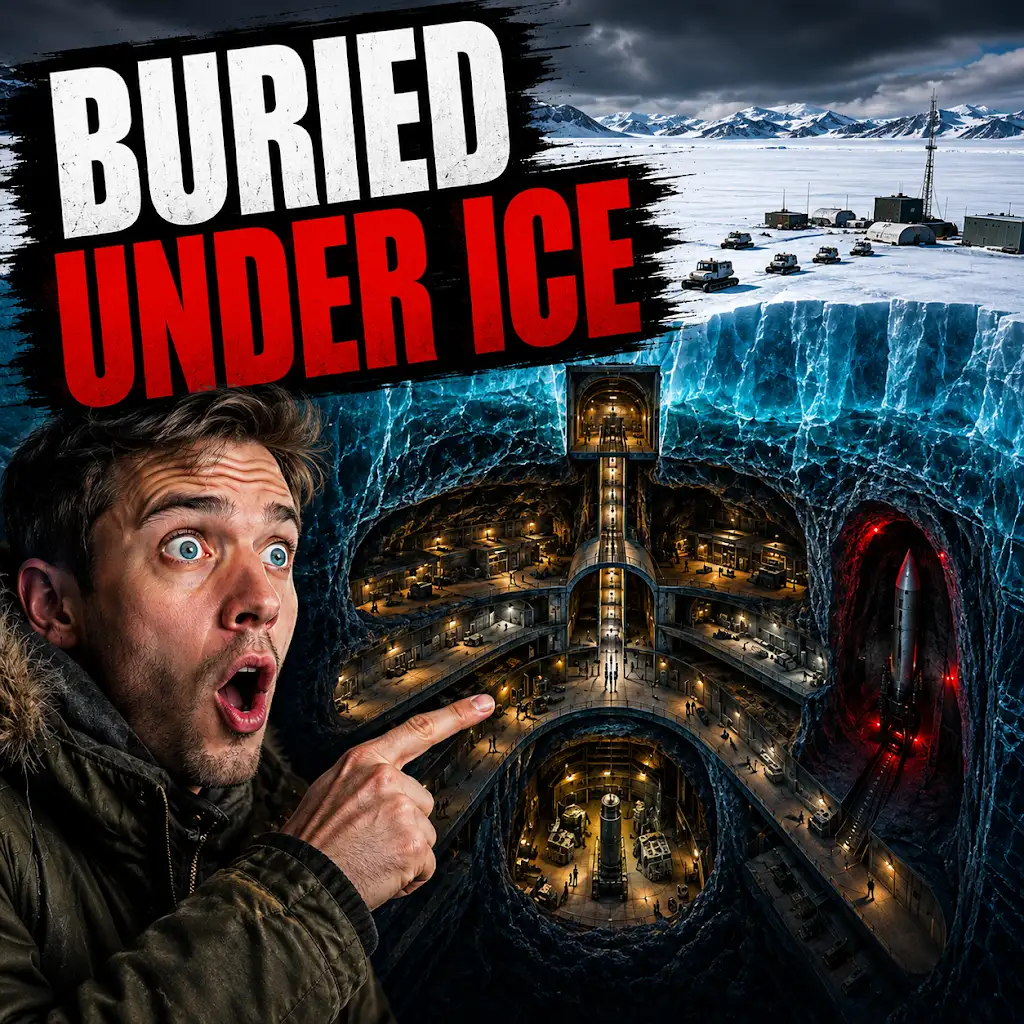
The U.S. Built a Nuclear City Under Greenland. The Ice Won.
FAQs
What are the buried Cold War secrets under Greenland?
The buried Cold War secrets under Greenland refer to a network of military bases, including Camp Century, that were constructed by the United States during the Cold War. These bases were built under the ice in Greenland and were used for various purposes, including nuclear missile launch sites and scientific research.
Why were these military bases built under the ice in Greenland?
The military bases were built under the ice in Greenland as part of the United States’ efforts to establish a strategic presence in the Arctic region during the Cold War. The remote location and harsh environment of Greenland made it an ideal location for these secret military installations.
What happened to these buried Cold War secrets under Greenland?
In the 1960s, the Camp Century base was abandoned and its infrastructure, including nuclear reactors and waste, was left buried under the ice. As a result of climate change and melting ice, there is concern that these buried Cold War secrets could be exposed, potentially leading to environmental and geopolitical challenges.
What are the environmental concerns associated with these buried Cold War secrets?
The buried Cold War secrets under Greenland pose environmental concerns due to the potential release of hazardous materials, including radioactive waste, as the ice continues to melt. There is also concern about the impact on local ecosystems and the surrounding environment as these buried military installations are exposed.
What are the geopolitical implications of the buried Cold War secrets under Greenland?
The geopolitical implications of the buried Cold War secrets under Greenland are significant, as the exposure of these military installations could lead to territorial disputes and international tensions. Additionally, the potential release of hazardous materials could have far-reaching implications for global security and environmental policy.