Greenland’s Camp Century: Uncovering the Nuclear Reactor
Nestled beneath the vast, icy expanse of northern Greenland lies a forgotten relic of the Cold War: Camp Century. More than just a military outpost, this clandestine installation held a secret that, had it been fully realized, could have dramatically altered the geopolitical landscape. It was here, under miles of glacial ice, that the United States attempted to build a city powered by a portable nuclear reactor, a project shrouded in secrecy and now a potent symbol of Cold War ambition and its environmental implications. The story of Camp Century is one of ingenuity, deception, and a looming, almost surreal threat – the potential leakage of nuclear waste into the pristine Arctic environment.
The origins of Camp Century are rooted in the heightened tensions of the Cold War. Faced with the Soviet Union’s expanding military might, the United States sought innovative ways to maintain a strategic presence in the Arctic. The vast, seemingly impenetrable ice sheet of Greenland offered a unique defensive advantage, a potential hidden base from which to launch or monitor missile systems. The idea of building under the ice emerged as a daring solution, providing concealment and a degree of protection from conventional attack.
Operation Iceworm: The Blueprint for the Arctic Base
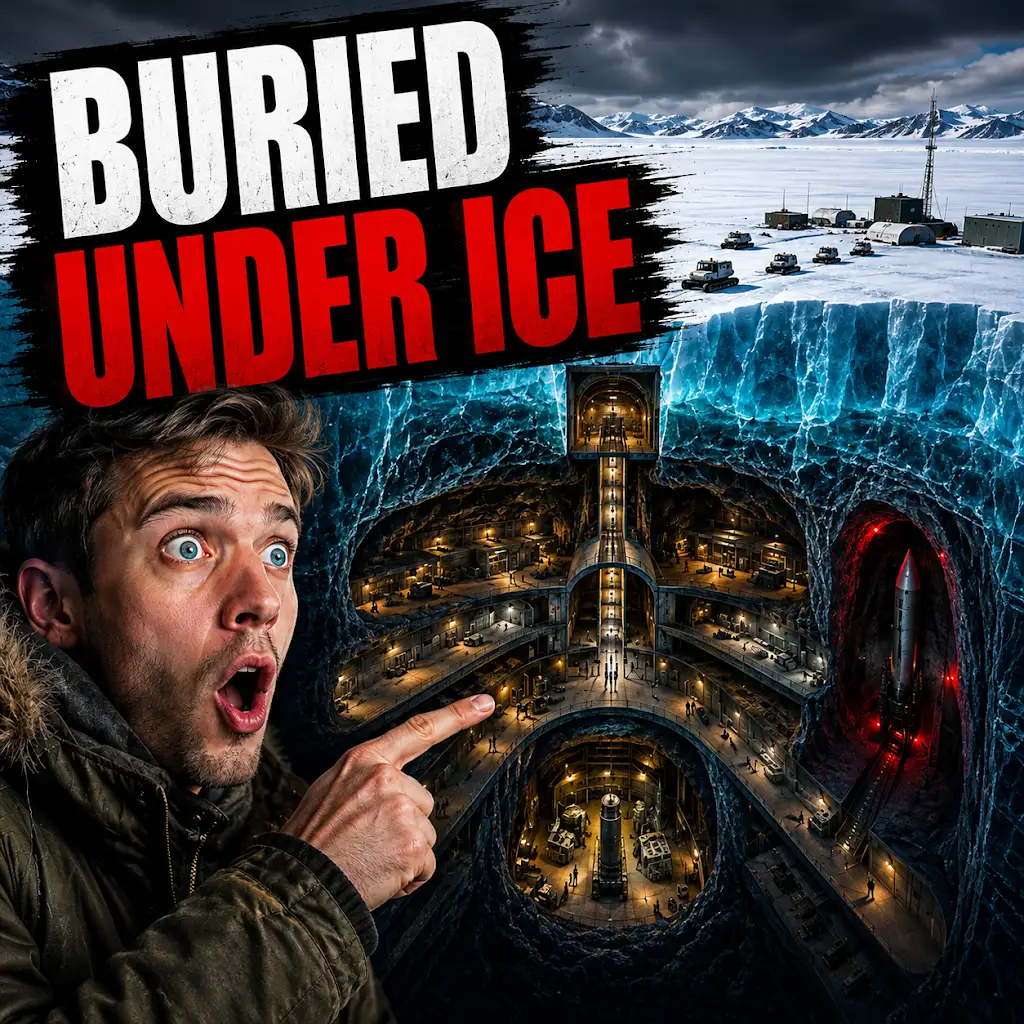
The initial concept, codenamed Operation Iceworm, was more than just a military camp. It envisioned a sprawling underground complex, a veritable city beneath the ice, capable of housing thousands of personnel and supporting a significant operational footprint. This subterranean metropolis was to be a testament to American engineering prowess, a self-sustaining entity designed to withstand the harsh Arctic conditions and the ever-present threat of conflict. The sheer audacity of the plan, to carve out a permanent human habitation within a dynamic glacial environment, speaks volumes about the mindset of the era.
Strategic Imperatives in a Frozen Frontier
The strategic drivers behind Camp Century were manifold. Foremost among them was the desire to establish a forward operating base in close proximity to the Soviet Union. The Arctic, once a desolate frontier, was rapidly transforming into a crucial theater of operations. Radar installations, missile sites, and air bases were being established by both sides, making Greenland a strategically vital piece of real estate. Camp Century was conceived as a hardened, mobile, and deeply concealed facility that could bypass traditional vulnerabilities. The ability to operate from beneath the ice offered a significant tactical advantage, making detection and targeting exceptionally difficult.
The Allure of Subglacial Living
Beyond pure military necessity, there was also a certain romanticism associated with the idea of a subglacial city. It represented a frontier for human endeavor, a testament to humanity’s ability to conquer even the most challenging environments. The engineering challenges were immense, but the potential rewards – unparalleled security, strategic reach, and a unique operational environment – were deemed worth the extraordinary effort. This ambition, while impressive, also foreshadowed some of the significant environmental challenges that would later come to light.
Camp Century, a secretive U.S. military installation in Greenland, housed an experimental nuclear reactor during the Cold War, designed to support operations in the Arctic. This intriguing piece of history highlights the intersection of military strategy and environmental challenges in extreme conditions. For a broader perspective on resource extraction in challenging environments, you may find the article on China’s lunar resource extraction strategy insightful. It explores how nations are looking beyond Earth for vital resources, much like the strategic considerations that led to the establishment of Camp Century. You can read more about it here: China’s Lunar Resource Extraction Strategy.
The Heart of the Operation: A Nuclear Powerhouse
The logistical challenge of powering a large, remote subglacial base in the Arctic was immense. Traditional fuel sources would have been prohibitively expensive and difficult to transport and maintain. The solution, in the eyes of the U.S. military and the Atomic Energy Commission, was nuclear power. The idea of a compact, portable nuclear reactor capable of providing ample electricity for the entire base was a groundbreaking proposition, embodying the promise of atomic energy for peaceful, yet strategically vital, purposes.
Project “PM-2A”: The “Portable” Reactor
The heart of Camp Century was to be the PM-2A, a pressurized water reactor designed and built by Alco Products, Inc. This reactor was intended to be a relatively small, modular unit, capable of being transported and assembled in remote locations. The concept was revolutionary: a self-contained nuclear power plant that could provide electricity, heating, and even desalting capabilities for the entire encampment. It was a demonstration of the burgeoning potential of small-scale nuclear technology, a vision that was both alluring and, as history would reveal, fraught with peril.
The Promise of Atomic Energy
At the time, nuclear energy was often hailed as the ultimate solution to humanity’s energy needs, a clean and virtually inexhaustible power source. The PM-2A was to be a prime example of this optimistic outlook, promising to liberate Camp Century from the constraints of conventional logistics. Its ability to generate significant power from a compact unit was seen as a major technological triumph, a symbol of American innovation and dominance.
Engineering Marvels Beneath the Ice
The construction of the subglacial facility itself was an engineering feat of remarkable scale. Tunnels were excavated through the ice, creating a network of interconnected structures. These tunnels were not merely dug; they were engineered to accommodate the stresses of a moving glacier and to maintain a stable internal environment. The reactor was housed within a dedicated, heavily reinforced structure, designed to contain any potential incident. The sheer complexity of building and maintaining such a facility under these conditions is a testament to the dedication and skill of the personnel involved.
A Fleeting Existence: The Demise of the Subglacial Dream
Despite the immense investment of resources and ingenuity, Camp Century’s tenure as a subglacial city was destined to be short-lived. The very environment that offered concealment also presented insurmountable challenges. The dynamic nature of the Greenland ice sheet proved to be a far more formidable adversary than initially anticipated.
The Creeping Ice: A Constant Threat
The Greenland ice sheet is not a static block of ice; it is a constantly moving and deforming mass. The immense pressure and the slow, inexorable flow of the glacier began to exert significant forces on the structures of Camp Century. Tunnels that were once straight and stable started to warp and buckle. The ice itself was literally closing in on the base, threatening to crush the carefully constructed facilities.
Glacial Dynamics and Structural Integrity
The engineers underestimated the sheer power and unpredictability of glacial movement. The ice sheet flowed at a rate that, while imperceptible on a human timescale, was sufficient to cause significant damage to the constructed tunnels and structures over time. The base was designed to be somewhat mobile, with the ability to be repositioned within the ice, but the rate of glacial movement began to outpace these efforts. The ice was not a passive medium but an active force, slowly but surely dismantling the subglacial city.
The Unforeseen Consequences of Ice Melt
As the climate began to shift, even during the Cold War era, the impact of rising temperatures started to become a concern. While the primary threat was the crushing force of the ice, the potential for increased meltwater and its effect on the structural integrity of the base added another layer of complexity and risk.
A Strategic Retreat: Abandonment and Secrecy
By the late 1960s, the overwhelming challenges posed by the ice and the escalating costs led to the decision to abandon Camp Century. The process of decommissioning was complex, and due to the sensitive nature of the nuclear reactor and its associated waste, a thorough and environmentally sound removal was not feasible at the time. Instead, the base was largely left to the elements, a silent testament to a Cold War ambition that had been swallowed by the ice. The decision to abandon the project was made in favor of other, less logistically demanding, strategic outposts.
The Unfinished Business of Decommissioning
The decommissioning of a nuclear facility is a process that requires meticulous planning and execution to ensure the safe removal and disposal of radioactive materials. In the case of Camp Century, the logistical difficulties of operating in such an extreme environment, coupled with the urgency of abandonment, meant that a complete and thorough decommissioning was not achieved. The nuclear reactor and its associated spent fuel were left behind, entombed within the ice.
The Veil of Secrecy and Future Implications
The abandonment of Camp Century was accompanied by a continued veil of secrecy. The true extent of the nuclear materials left behind was not widely publicized, leading to a long-term environmental concern that would only be fully appreciated decades later. The military’s focus was on maintaining operational security, and the long-term environmental implications of leaving behind a nuclear reactor were largely deferred.
The Lingering Threat: Nuclear Waste Under the Ice
The most significant and enduring legacy of Camp Century is the nuclear reactor and its associated radioactive waste that remains buried deep within the Greenland ice sheet. While the ice provided a temporary seal, the changing climate presents a growing and increasingly urgent threat of leakage into the environment.
The PM-2A Reactor and Its Radioactive Cargo
The PM-2A reactor at Camp Century was designed to operate for a period, and upon its cessation, it contained spent nuclear fuel rods – highly radioactive materials that require careful management and disposal. In addition to the reactor itself, there were likely other components and materials within the base that had been contaminated with radiation during its operational period. The sheer volume of radioactive material, coupled with its location, has long been a cause for concern.
Spent Fuel Rods: A Persistent Hazard
Spent nuclear fuel is a byproduct of nuclear fission and remains highly radioactive for thousands of years. Its safe storage and disposal are paramount to preventing environmental contamination and protecting public health. At Camp Century, these highly radioactive materials were essentially abandoned, a ticking time bomb beneath the ice.
Contaminated Equipment and Materials
Beyond the reactor core, it is highly probable that various pieces of equipment, infrastructure, and even the surrounding ice and soil within the immediate vicinity of the reactor would have become contaminated with radioactive isotopes during the reactor’s operational lifetime. These materials, when the ice melts, could also become a source of environmental pollution.
The Melting Glacier: A Looming Environmental Crisis
As global temperatures rise, the Greenland ice sheet is melting at an unprecedented rate. This melting poses a direct threat to the integrity of the containment that has held the nuclear materials for decades. The potential for the radioactive waste to be released into the Arctic environment – a fragile ecosystem already facing numerous environmental pressures – is a grave concern.
Climate Change as the Accelerant
Climate change is the primary driver behind the accelerated melting of the Greenland ice sheet. This phenomenon directly jeopardizes the long-term stability of Camp Century’s burial site. As the ice recedes, the protective layer that has shielded the nuclear materials from the outside world will inevitably degrade, increasing the risk of leakage.
Pathways to Contamination: Water and Wildlife
If the nuclear waste is released, it could enter the Arctic ecosystem through various pathways. Meltwater could carry radioactive isotopes into rivers and ultimately into the ocean. This could contaminate marine life, posing risks to both the local populations that rely on these resources and to the wider global food chain. The potential for widespread ecological damage is significant.
The Camp Century nuclear reactor, located beneath the ice of Greenland, has long been a subject of intrigue due to its ambitious design and the implications of nuclear power in extreme environments. This fascinating project is often discussed in the context of historical explorations and the mysteries surrounding ancient maps, such as those created by Piri Reis. For a deeper understanding of how these historical narratives intertwine, you can read more about it in this article on exploring Piri Reis’ map and Columbus.
Recalling the Past, Addressing the Future
| Metric | Value |
|---|---|
| Location | Greenland |
| Type | Nuclear Reactor |
| Operation Period | 1959-1967 |
| Purpose | Provide power for Camp Century military base |
| Shutdown | Due to ice sheet movement and environmental concerns |
The story of Camp Century serves as a potent reminder of the complex legacy of the Cold War and the unforeseen consequences of ambitious technological endeavors. As the threat of environmental contamination grows, there is an increasing imperative to address the lingering presence of the nuclear reactor.
Scientific Assessment and Monitoring Efforts
In recent years, a greater understanding of the environmental risks associated with Camp Century has led to increased scientific interest and monitoring efforts. Researchers are working to assess the current state of the buried reactor and to model the potential pathways and impacts of radioactive release. These studies are crucial for informing future mitigation strategies.
Glaciological Studies and Environmental Risk Analysis
Scientists are employing advanced glaciological techniques to monitor the ice sheet’s movement and melt rates in the vicinity of Camp Century. This data is critical for understanding how the glacier is evolving and how it might impact the buried facilities. Furthermore, comprehensive environmental risk analyses are being conducted to quantify the potential dangers associated with a release of radioactive materials.
International Cooperation and Data Sharing
Addressing the challenges posed by Camp Century requires international cooperation. Greenland, as a self-governing territory within the Kingdom of Denmark, is actively engaged in seeking solutions. Collaborative efforts with scientific institutions and governments from around the world are essential for pooling resources, expertise, and for sharing critical data related to the site and its potential impacts.
The Challenge of Decommissioning: A Monumental Task
The prospect of fully decommissioning the Camp Century site and safely removing the nuclear waste presents a monumental logistical, financial, and technological challenge. Any attempt to do so would be an undertaking of unprecedented scale, requiring careful planning and execution to avoid exacerbating the existing risks.
Exploring Potential Remediation Strategies
Various remediation strategies are being explored, each with its own set of complexities. These might include attempts to further entomb the reactor, or, in the more distant future, to potentially extract and dispose of the radioactive materials in a more conventional manner, though the latter poses extreme logistical hurdles. The feasibility and safety of each approach are under continuous evaluation.
The Ethical and Environmental Imperative
Ultimately, the decision of how to proceed with Camp Century rests on an ethical and environmental imperative. The world has a responsibility to manage and mitigate the risks posed by this Cold War relic, ensuring that the ambition of the past does not become a lasting environmental catastrophe for future generations. The forgotten city beneath the ice demands our attention, a stark reminder of the enduring consequences of our past actions.
The U.S. Built a Nuclear City Under Greenland. The Ice Won.
FAQs
What is Camp Century and its nuclear reactor under Greenland?
Camp Century was a military base built by the United States in Greenland in 1959. It was also home to a portable nuclear reactor, known as the PM-2A, which was intended to provide power for the base.
What was the purpose of the nuclear reactor at Camp Century?
The nuclear reactor at Camp Century was intended to provide power for the base’s operations, including heating and electricity. It was part of a larger effort by the US military to develop portable nuclear reactors for remote locations.
What happened to the nuclear reactor at Camp Century?
The nuclear reactor at Camp Century was eventually decommissioned and removed in the early 1960s. The base itself was abandoned in 1967, and the reactor core was left in the ice as part of the decommissioning process.
What are the environmental concerns surrounding the nuclear reactor at Camp Century?
There are concerns about the potential environmental impact of the nuclear reactor at Camp Century, particularly in light of climate change and the melting of the Greenland ice sheet. There is a risk of radioactive contamination if the reactor core were to be exposed as the ice melts.
What is the current status of the nuclear reactor at Camp Century?
The current status of the nuclear reactor at Camp Century is uncertain. Efforts have been made to monitor and assess the potential environmental impact of the reactor core as the ice melts, but there are no immediate plans for its removal.