
Greenland’s Cold War Military History: A Documentary
The vast, ice-choked expanse of Greenland, often perceived as a remote, frozen wilderness, harbors a surprisingly complex and significant military history, particularly during the Cold War. A compelling new documentary delves into this often-overlooked narrative, unearthing the strategic importance of the island and the intricate dance of espionage, infrastructure development, and potential conflict that defined its Cold War era. The film, simply titled “Greenland’s Cold War,” meticulously reconstructs the island’s pivotal role in the global struggle between the United States and the Soviet Union, revealing a story far removed from the quiet tranquility it might outwardly project.
The documentary opens by firmly establishing Greenland’s undeniable strategic value during the Cold War. Its sheer size and, more importantly, its geographical position placed it at the nexus of a potential global conflict. The filmmakers expertly illustrate how, with the advent of long-range bombers and intercontinental ballistic missiles, the Arctic became a direct flight path between North America and the Soviet Union. This stark reality transformed Greenland from a largely uninhabited territory into a crucial frontline in the unfolding superpower rivalry.
A New Frontier for Superpower Eyes
The film meticulously details the growing awareness on both sides of the Iron Curtain regarding Greenland’s strategic potential. Early in the Cold War, the United States recognized that its immense landmass, particularly its northern reaches, could serve as an ideal location for radar installations and airbases, providing early warning of Soviet aerial incursions. This realization spurred a significant military investment that would fundamentally alter the island’s landscape and its relationship with the outside world. The documentary presents archival footage and interviews with former military personnel, painting a vivid picture of the early days of this strategic engagement, highlighting the often-improvised nature of initial deployments and the stark challenges of operating in such a harsh environment.
The DEW Line: A Frozen Shield
Central to Greenland’s Cold War military story is its integral role in the Distant Early Warning (DEW) Line. The documentary dedicates considerable attention to this ambitious and technologically advanced radar network. It explains how the DEW Line was conceived as a chain of radar stations stretching across the Arctic, designed to detect Soviet bombers and missiles as they approached North America. Greenland, with its northernmost locations, was a vital segment of this formidable shield. The film utilizes animated graphics to effectively convey the vastness of the DEW Line and the intricate communication systems that linked its disparate stations. Interviews with engineers and technicians who worked on the DEW Line offer fascinating personal accounts of the immense logistical challenges, the isolation, and the sheer dedication required to maintain these remote outposts. The documentary doesn’t shy away from the human cost, detailing the personal sacrifices made by those stationed there, often far from family and familiar comforts for extended periods.
The Thule Air Base: A Strategic Linchpin
The most prominent military installation on Greenland, and a recurring focus of the documentary, is Thule Air Base. The film meticulously traces the establishment and expansion of this sprawling complex, emphasizing its multifaceted strategic importance. Initially conceived as a bomber base, Thule’s role evolved significantly throughout the Cold War, encompassing air defense, intelligence gathering, and the deployment of ballistic missile early warning systems. The documentary showcases the immense scale of construction required to build and sustain Thule, a feat of engineering in one of the world’s most unforgiving climates. It highlights the complex logistical operations, the reliance on sea and air transport, and the development of specialized infrastructure to support a large military and civilian population. The film also touches upon the controversial relocation of the Inuit community of Thule to make way for the base, a poignant reminder of the human impact of geopolitical imperatives.
In exploring the intricate military history of Greenland during the Cold War, one can gain further insights by examining related topics such as the financial implications of military strategies. A thought-provoking article that delves into the economic aspects of military operations can be found at this link: Understanding Financial Bank Bail-Ins. This article provides a broader context for understanding how financial decisions can impact military readiness and strategy, particularly in regions like Greenland that were pivotal during the Cold War era.
The Shadow of the Bear: Soviet Intelligence and Greenland
While the United States was heavily investing in its defenses on Greenland, the documentary doesn’t neglect the persistent threat and intelligence activities of the Soviet Union. The film explores how Moscow viewed Greenland as a critical strategic target and a potential staging ground for its own operations, or at least as a vulnerable flank of its adversary.
A Constant Vigilance: Early Warning and Reconnaissance
The documentary details the constant state of vigilance maintained by US forces on Greenland. The DEW Line and radar installations at Thule were not merely passive observers; they were active components of a sophisticated early warning system designed to provide precious minutes of notice in the event of a Soviet attack. The film delves into the operational procedures, the routines of radar operators, and the constant threat of Soviet reconnaissance aircraft probing the Arctic airspace. Archival footage, though sometimes grainy, offers glimpses of these tense moments, underscoring the reality of the Cold War’s ever-present specter.
Espionage in the Frozen North
Beyond overt military presence, “Greenland’s Cold War” also shines a light on the clandestine world of espionage. The documentary suggests that both sides engaged in intelligence gathering operations, seeking to understand the other’s capabilities and intentions. While specific details of such operations remain classified, the film draws upon historical accounts and expert analysis to paint a picture of the potential for covert activities in Greenland’s vast and isolated terrain. The extreme conditions themselves could be used as a cover, making detection difficult for both sides. The filmmakers explore the possibility of downed aircraft, clandestine landings, and the potential for intelligence agents to operate under the guise of scientific or logistical personnel.
The Arctic Frontier: Life on the Edge
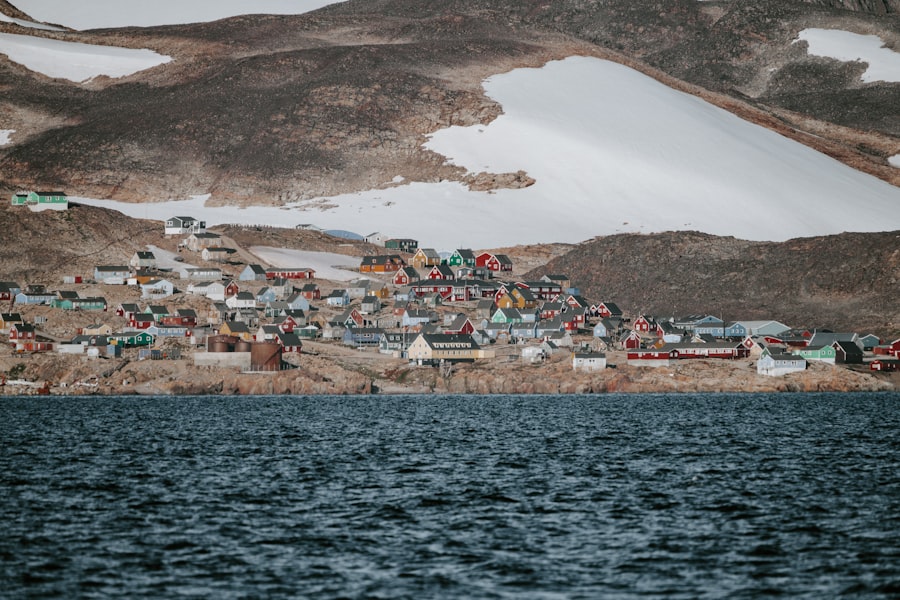
Operating in Greenland during the Cold War was not just about strategic calculations; it was also about the lived experience of the military personnel and the few civilian inhabitants who called the island home. The documentary dedicates a significant portion to the human element, exploring the unique challenges and often surreal reality of life in such a remote and demanding environment.
A World of Ice and Isolation
The film vividly portrays the profound sense of isolation experienced by those stationed at Greenland’s military bases. The extreme cold, the long periods of darkness during winter, and the sheer distance from home created a psychological burden that was as significant as any physical threat. Interviews with former servicemen and women describe the camaraderie that developed among them, a necessity for survival and morale. The documentary uses evocative imagery of the stark Arctic landscape, emphasizing the challenges of daily life – from the constant battle against the elements to the reliance on specialized equipment and supplies. It also highlights the psychological toll of living in a constant state of alert, far removed from the everyday concerns of the world at large.
The Technological Marvels and Mundane Realities
While the military installations were technologically advanced, the daily lives of those stationed there often involved mundane yet crucial tasks. The documentary explores the logistical ballet required to maintain these bases: the resupply missions, the maintenance of specialized vehicles and aircraft, and the provision of essential services in a hostile environment. It showcases the ingenious solutions developed to overcome the challenges of extreme cold, from heated runways to specialized clothing. The film also touches upon the limited social and recreational activities available, emphasizing the resilience and adaptability of the individuals who served there.
The Indigenous Presence: A Parallel Narrative
Crucially, “Greenland’s Cold War” acknowledges the presence and impact of Greenland’s indigenous population, the Inuit. The documentary explores the ways in which the Cold War military buildup impacted their traditional way of life, their hunting grounds, and their relationship with their ancestral lands. The relocation of the Thule community is presented as a stark example of the conflicts that can arise when geopolitical interests clash with the rights and traditions of indigenous peoples. The filmmakers conduct interviews with Inuit elders who recount their experiences, offering a vital perspective on how the Cold War played out on the ground for the island’s original inhabitants. This inclusion adds a crucial layer of complexity and ethical consideration to the narrative, moving beyond a purely military-centric view.
The Shifting Sands: Evolving Threats and Declining Importance
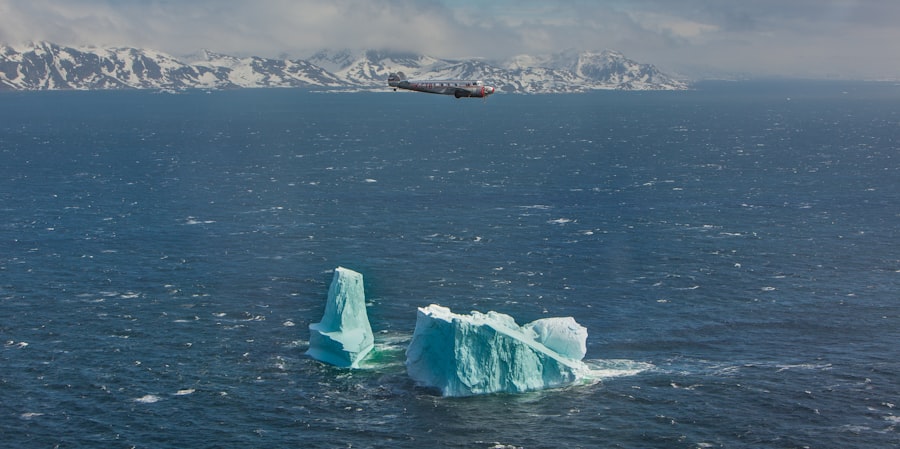
As the Cold War progressed and technology advanced, Greenland’s strategic role began to evolve, and in some respects, its overt military importance started to diminish. The documentary charts this transition, illustrating how the nature of warfare and the geopolitical landscape shifted.
The Rise of Submarine Warfare and Space-Based Surveillance
The documentary explains how the development of submarine technology, particularly nuclear-powered submarines capable of operating under the ice, altered the strategic calculus. While Greenland remained important for early warning, the emphasis began to shift towards tracking these silent underwater threats. Furthermore, the advent of space-based surveillance and reconnaissance capabilities provided new avenues for intelligence gathering, reducing the sole reliance on ground-based radar. The film discusses how these technological advancements led to a re-evaluation of the necessity and scale of certain land-based installations.
The DEW Line’s Obsolescence and Thule’s New Mission
The DEW Line, once a marvel of Cold War defense, eventually became obsolete as Soviet technology advanced and aerial threats evolved. The documentary details the gradual decommissioning of many DEW Line stations. Thule Air Base, however, adapted and endured. Its role transitioned to include critical functions such as missile warning systems (such as the Ballistic Missile Early Warning System – BMEWS) and its ongoing importance as a logistical hub and a platform for scientific research. The film highlights how the base’s infrastructure, once built for a specific wartime scenario, found new purposes in a changing world.
The End of an Era: The Post-Cold War Landscape
The conclusion of the Cold War marked a significant turning point for Greenland’s military installations. The documentary reflects on this transition, examining the downsizing of forces, the repurposing of facilities, and the ongoing debate about the island’s future military relevance. It also touches upon the lingering environmental impacts of the military presence and the ongoing efforts to address them. The film leaves the viewer with a sense of closure but also a recognition that the legacy of the Cold War in Greenland continues to shape the island today.
Greenland’s military history during the Cold War is a fascinating topic that sheds light on the strategic importance of the Arctic region. For those interested in exploring similar themes, a related article delves into the secret history of Antarctica and its geopolitical significance. You can read more about this intriguing subject in the article available here. This connection between the two regions highlights the global dynamics at play during a pivotal era in history.
Legacy and Memory: The Enduring Imprint of the Cold War
| Event | Date | Significance |
|---|---|---|
| Establishment of Thule Air Base | 1951 | Key strategic location for US military during Cold War |
| Greenland Base Command | 1960 | Established to oversee US military operations in Greenland |
| Greenland Treaty | 1951 | Agreement between US and Denmark for defense cooperation |
| Thule Incident | 1968 | US B-52 bomber carrying nuclear weapons crashes near Thule Air Base |
The documentary concludes by reflecting on the enduring legacy of the Cold War on Greenland. The physical remnants of military infrastructure, the altered landscape, and the memories of those who served or lived through this era all contribute to a complex and multifaceted historical imprint.
Physical Manifestations: Ghosts of the Past
“Greenland’s Cold War” showcases the physical remnants of the military presence that still dot the Arctic landscape. Abandoned radar stations, overgrown barracks, and the imposing structures of Thule Air Base stand as silent testaments to a bygone era. The film uses drone footage to capture the stark beauty of these decaying installations, juxtaposing them with the overwhelming power of the natural environment. These sites serve as tangible reminders of the strategic battles fought and the immense resources expended in the name of global security.
The Human Echo: Stories Untold and Remembered
Beyond the physical structures, the documentary emphasizes the human stories that are the true legacy of Greenland’s Cold War history. The interviews with veterans, Inuit elders, and descendants of those affected by the military buildup provide intimate glimpses into the personal sacrifices, the moments of fear and resilience, and the lasting impact on communities. The film suggests that these personal narratives are crucial for a complete understanding of this historical period, offering a more nuanced and humanized perspective than purely strategic accounts.
Greenland’s Evolving Identity: From Frontline to Global Partner
The documentary posits that Greenland’s experience during the Cold War has played a role in shaping its evolving identity. Once a crucial, albeit unwilling, participant in a global superpower struggle, Greenland is now increasingly asserting its own sovereignty and its role on the international stage. The film hints at the future, suggesting that while the overt military threats of the Cold War may have receded, the strategic importance of the Arctic, and by extension Greenland, may well be re-emerging in new and unforeseen ways. The documentary concludes by encouraging viewers to look beyond the frozen surface and appreciate the rich and vital history that lies beneath, a history indelibly marked by the shadows of the Cold War.
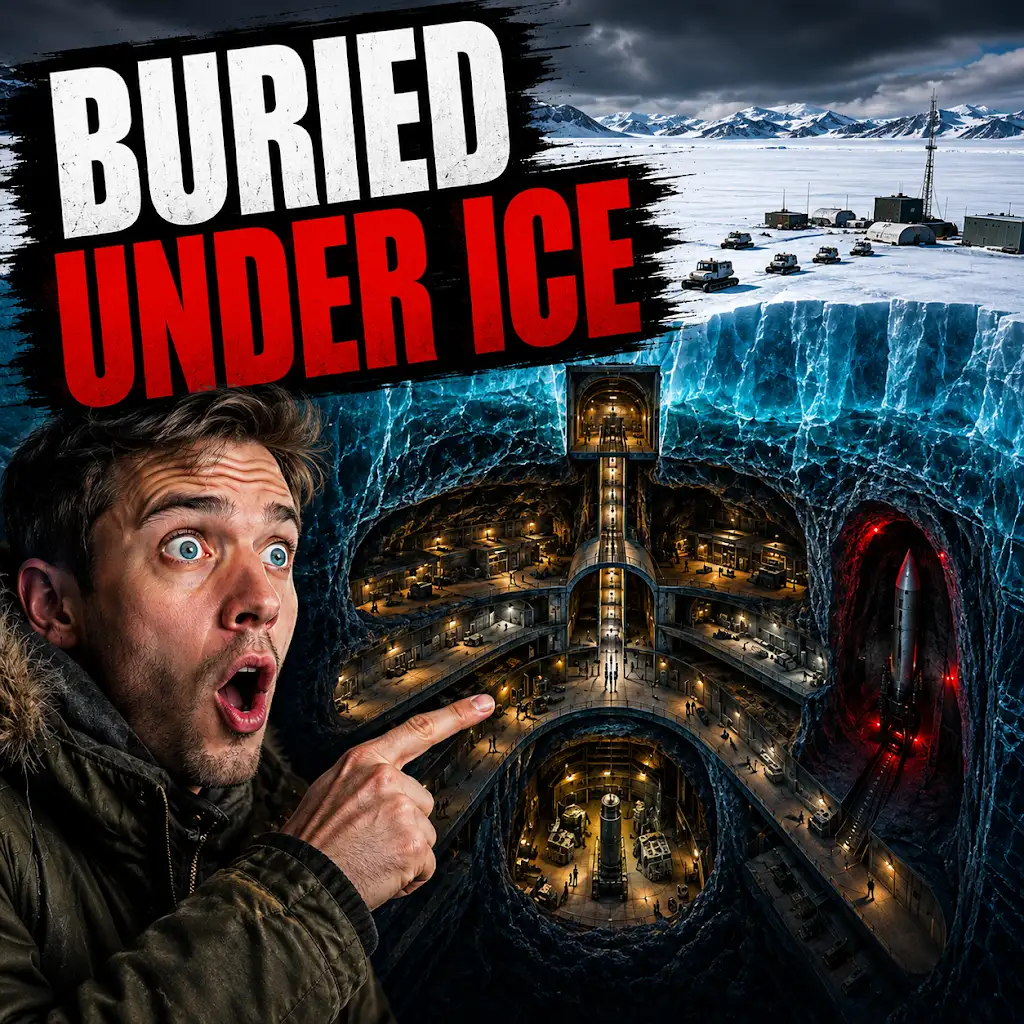
The U.S. Built a Nuclear City Under Greenland. The Ice Won.
FAQs
What is the military history of Greenland during the Cold War?
During the Cold War, Greenland played a strategic role in military operations due to its proximity to the Soviet Union. The United States established military bases in Greenland to monitor Soviet activities and provide early warning systems for potential attacks.
What role did Greenland play in Cold War military operations?
Greenland served as a crucial location for the United States to establish military bases, including Thule Air Base, which played a key role in monitoring Soviet activities and providing early warning systems for potential attacks. Greenland also served as a refueling and transportation hub for military operations in the Arctic region.
What is the significance of Greenland’s military history during the Cold War?
Greenland’s military history during the Cold War is significant due to its strategic location and role in monitoring Soviet activities. The presence of US military bases in Greenland contributed to the overall defense strategy against potential Soviet threats and helped maintain stability in the Arctic region.
Are there any Cold War documentaries that focus on Greenland’s military history?
Yes, there are documentaries that specifically focus on Greenland’s military history during the Cold War. These documentaries often explore the strategic importance of Greenland, the establishment of US military bases, and the role of Greenland in Cold War military operations.
How did Greenland’s military history during the Cold War impact its relationship with the United States and other countries?
Greenland’s military history during the Cold War strengthened its relationship with the United States, as the presence of US military bases contributed to the defense and security of the region. Additionally, Greenland’s strategic importance during the Cold War also impacted its relationship with other countries involved in Arctic security and defense operations.