
The vast, ice-covered expanse of Greenland, an autonomous territory within the Kingdom of Denmark, presents a geopolitical landscape as complex and shifting as its own climate. Its political implications resonate far beyond its Arctic shores, touching upon issues of self-determination, resource exploitation, and global power dynamics. To understand Greenland’s position is to trace the delicate balance between historical ties, emerging ambitions, and the watchful eyes of international stakeholders.
Greenland’s journey to its present degree of self-governance is an evolution, not a sudden revolution. Its status as an integral part of the Danish Realm has been continuously redefined, reflecting a persistent desire among Greenlanders for greater control over their destiny.
Historical Ties and Colonial Legacy
For centuries, Greenland was a Danish colony, a relationship that profoundly shaped its cultural, linguistic, and economic fabric. Danish influence remains palpable, particularly in institutional structures and educational systems. However, this history is also a backdrop against which nationalist sentiments have steadily grown.
The Home Rule Act of 1979
A pivotal moment arrived with the implementation of the Home Rule Act. This legislation transferred significant powers from Copenhagen to Nuuk, granting Greenlanders control over areas such as education, healthcare, and resource management. It marked a crucial step in the transfer of authority, laying the groundwork for further autonomy.
The Self-Government Act of 2009
The Self-Government Act represented a further leap forward, expanding Greenland’s mandate to include self-determination under international law and control over its extensive mineral resources. This act explicitly recognizes the Greenlandic people as a distinct people under international law and grants them the right to initiate independence referendums. This distinction is critical; it positions Greenland not merely as an administrative region but as a nascent nation.
Referendums and Public Sentiment
Each step towards greater autonomy has been underpinned by public referendums, demonstrating a clear and consistent desire among the Greenlandic electorate for more self-governance. These votes act as a barometer of national sentiment, indicating a sustained trajectory towards greater independence.
The political implications of Greenland’s increasing autonomy and its strategic significance in global geopolitics are explored in detail in a related article. This piece delves into how Greenland’s natural resources and geopolitical position are attracting the attention of major powers, particularly in the context of climate change and shifting trade routes. For more insights on this topic, you can read the full article at Real Lore and Order.
Economic Sovereignty: The Bedrock of Independence
For many Greenlanders, genuine independence is inextricably linked with economic self-sufficiency. The current block grant from Denmark, an essential pillar of the Greenlandic economy, is viewed by some as both a lifeline and a tether.
Resource Extraction: A Double-Edged Sword
Greenland’s vast, largely untapped mineral wealth, including rare earth elements, uranium, and oil and gas, represents a potential gold mine. The prospect of resource exploitation is a powerful driver for economic independence.
Rare Earth Elements and Global Demand
The world’s increasing reliance on advanced technologies has magnified the importance of rare earth elements, critical components in everything from smartphones to electric vehicles. Greenland holds substantial deposits, making it a potentially significant player in this strategically vital market. However, the environmental impact of extraction, particularly in a pristine Arctic environment, remains a contentious issue.
Oil and Gas Exploration
While the global energy landscape is shifting, the potential for significant oil and gas reserves off Greenland’s coast has historically attracted considerable interest. However, fluctuating market prices and environmental concerns have tempered enthusiasm, leading to a more cautious approach to new exploration.
Climate Change and New Opportunities
Paradoxically, the very phenomenon threatening Greenland’s ice sheet—climate change—is also opening new economic opportunities.
Arctic Shipping Routes
As the Arctic ice melts, new shipping routes through the Northwest Passage and Northern Sea Route become more viable. Greenland’s strategic location along these routes positions it as a potential hub for maritime services, logistics, and search and rescue operations.
Fisheries and Sustainable Management
Fisheries remain the cornerstone of Greenland’s economy. The sustainable management of these resources is paramount, not only for economic stability but also for preserving traditional livelihoods. Climate change, however, introduces uncertainties regarding fish migration patterns and stock levels, necessitating adaptive management strategies.
The Danish Block Grant: A Golden Handcuff?
The substantial annual block grant from Denmark provides foundational stability to Greenland’s public services and infrastructure. However, it also represents a significant portion of the national budget, making full financial independence a distant, challenging objective. The debate around the block grant often frames it as a “golden handcuff”: providing comfort and security, yet limiting true self-sufficiency.
Geopolitical Chessboard: Navigating International Interests
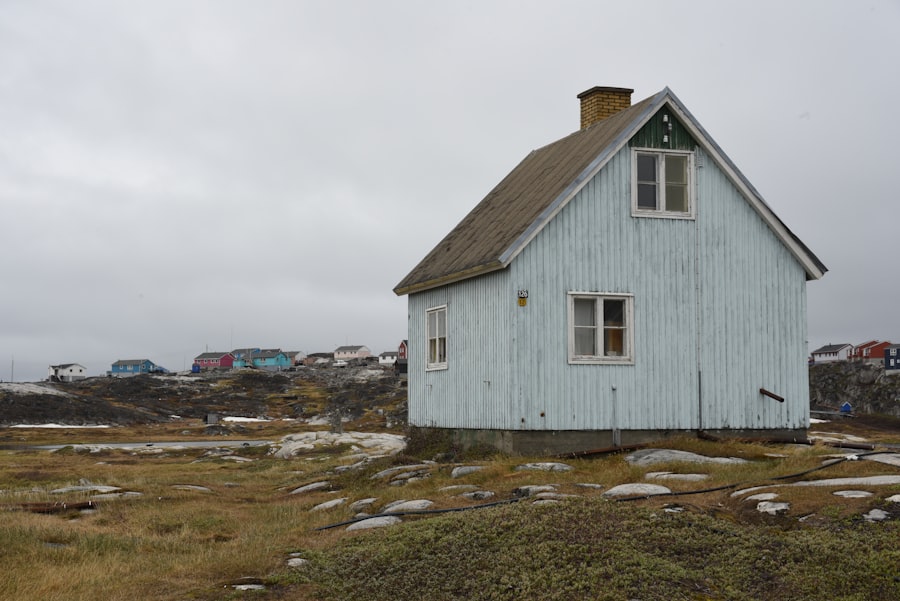
Greenland’s strategic location in the Arctic imbues it with immense geopolitical significance, drawing the attention of global powers. Its political future is not merely a domestic concern but a matter of international consequence.
The United States and Arctic Security
The United States has a long-standing strategic interest in Greenland, stemming from the Cold War era and its pivotal role in ballistic missile defense. Thule Air Base, a highly strategic American military outpost, underscores this enduring interest.
Renewed American Engagement
In recent years, American engagement in Greenland has intensified, marked by diplomatic outreach, economic assistance, and proposals for direct investment. This renewed interest reflects a broader geopolitical contest in the Arctic, with the US seeking to counter Russian and Chinese influence.
China’s “Polar Silk Road” Ambitions
China’s growing economic and strategic presence in the Arctic through its “Polar Silk Road” initiative has also caught Greenland’s attention. Chinese investments in mining, infrastructure, and scientific research represent both opportunities and potential challenges for Greenlandic sovereignty.
Balancing Economic Needs with Geopolitical Concerns
Greenland finds itself in a delicate balancing act, eager to attract foreign investment to bolster its economy but also acutely aware of the geopolitical sensitivities surrounding such partnerships. Diversifying its economic partners is a key strategy to avoid over-reliance on any single nation.
The European Union: A Distant Neighbor
While not directly bordering Greenland, the European Union maintains a strong interest in the Arctic, particularly regarding climate change, research, and resource management. Greenland’s history as a former member of the European Economic Community (EEC) and its current strong trade ties with EU nations mean that the relationship remains significant, albeit nuanced.
The Path to Independence: A Complex Equation
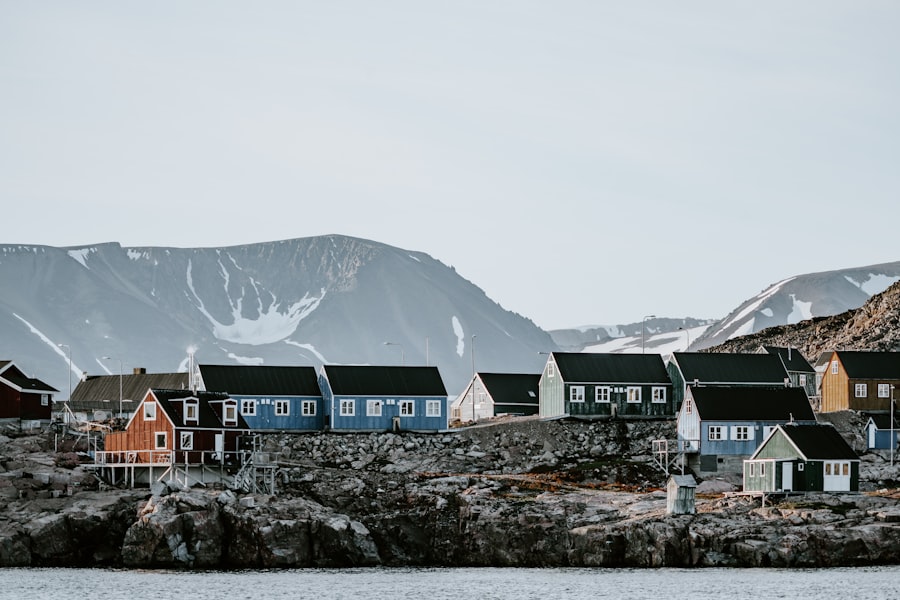
The aspiration for full independence is a recurring theme in Greenlandic political discourse. However, the path forward is complex, fraught with economic, social, and political challenges.
Economic Viability and Diversification
Achieving economic independence from Denmark is the most formidable hurdle. Greenland’s small population and limited industrial base mean that a significant portion of its economy would need to be generated through resource extraction, tourism, or other emerging sectors. Diversification is key to mitigating risks associated with reliance on a single industry.
Infrastructure Development
Establishing comprehensive national infrastructure, including telecommunications, transport links, and energy self-sufficiency, would require substantial investment, posing another significant financial challenge for an independent Greenland.
Educational and Human Capital Development
Building a robust educational system and developing a skilled workforce are critical for national self-sufficiency. Greenland faces the ongoing challenge of attracting and retaining skilled professionals, particularly in specialized fields required for a modern economy.
International Recognition and Security
An independent Greenland would need to establish its own foreign policy, secure international recognition, and develop its own defense and security capabilities, or forge alliances to do so. These are monumental tasks for a nascent state.
Recent discussions surrounding Greenland’s political implications have gained traction, particularly in light of the island’s strategic importance in global geopolitics. As nations vie for influence in the Arctic region, the dynamics of Greenland’s autonomy and its relationship with Denmark become increasingly significant. For a deeper understanding of these complexities, you can explore a related article that delves into the nuances of Greenland’s political landscape and its potential impact on international relations. This insightful piece can be found here.
Climate Change: An Existential and Political Challenge
| Metric | Data/Value | Implication |
|---|---|---|
| Autonomy Status | Self-Governing Territory within the Kingdom of Denmark | Allows Greenland to control most domestic affairs, influencing local political decisions |
| Population | ~56,000 (2024 estimate) | Small population impacts political representation and resource allocation |
| Natural Resources | Rich in minerals, rare earth elements, and potential oil reserves | Attracts international interest, affecting geopolitical dynamics and sovereignty debates |
| Climate Change Impact | Rapid ice melt opening new shipping routes and resource access | Increases strategic importance and international political attention |
| Independence Movement Support | Approximately 40-50% support among population | Potential future shifts in political status and relations with Denmark |
| US Military Presence | Thule Air Base operational since 1951 | Strategic military importance in Arctic defense and US-Denmark relations |
| International Agreements | Member of Arctic Council | Influences Arctic governance and environmental policies |
For Greenland, climate change is not an abstract scientific concept but an immediate, visceral reality with profound political and societal implications. The melting ice sheet is both a symbol of vulnerability and a catalyst for change.
Impact on Traditional Lifestyles
Indigenous communities, whose livelihoods are intrinsically linked to the ice and sea, are experiencing the direct impacts of climate change on traditional hunting, fishing, and transit routes. This disruption poses significant cultural and social challenges.
Environmental Stewardship and Global Responsibility
Greenland positions itself as a responsible steward of the Arctic environment, advocating for global climate action. Its unique perspective as a frontline state in the climate crisis lends moral authority to its voice on the international stage.
Geopolitical Implications of a Changing Arctic
The opening of new shipping routes and increased access to resources due to melting ice profoundly alters the geopolitical landscape of the Arctic. Greenland finds itself at the heart of this transformation, navigating increased international attention and potential competition.
Conclusion: A Nation in Flux
Greenland exists at a crossroads, balancing its deep-seated desire for self-determination with the pragmatic realities of economic viability and the complexities of international relations. Its trajectory mirrors that of a ship on the open sea, charting its course through powerful currents and unpredictable winds. The nation’s future hinges on its ability to leverage its strategic importance and resource potential while safeguarding its unique cultural identity and pristine environment.
For the international community, understanding Greenland’s evolving political landscape is not an academic exercise but a necessity. The choices made in Nuuk will resonate globally, impacting Arctic geopolitics, global resource markets, and the collective efforts to address climate change. As Greenland continues its journey towards greater autonomy, it serves as a powerful case study in the intricate interplay of national ambition and global responsibility.
FAQs
What are the main political issues currently facing Greenland?
Greenland’s main political issues include debates over independence from Denmark, management of natural resources, climate change impacts, and economic development strategies.
How does Greenland’s relationship with Denmark influence its political landscape?
Greenland is an autonomous territory within the Kingdom of Denmark, and its political landscape is shaped by this relationship, balancing self-governance with Danish oversight, especially in foreign affairs and defense.
What role does climate change play in Greenland’s political discussions?
Climate change is a critical factor in Greenland’s politics, as melting ice opens new opportunities for resource extraction and shipping routes, while also posing environmental and social challenges.
How do natural resources impact Greenland’s political decisions?
The abundance of minerals, oil, and rare earth elements in Greenland influences political decisions, as the government seeks to develop these resources to boost the economy and potentially support independence efforts.
What are the implications of Greenland’s potential independence?
Greenland’s potential independence could lead to shifts in regional geopolitics, economic restructuring, and changes in international relations, particularly with Denmark, the United States, and Arctic nations.