Greenland’s vast Arctic landscape, a canvas of ice and rock sculpted by millennia of geological forces, holds within it a treasure trove of resources. For decades, this potential has been a tantalizing whisper, an economic siren song drawing increasing attention from both domestic aspirations and international players. The prospect of unlocking these mineral and energy riches presents Greenland with a unique set of opportunities, but embedded within them are profound challenges that demand careful navigation. Understanding this complex interplay is crucial to comprehending Greenland’s path forward, a path that is as much about environmental stewardship and cultural preservation as it is about economic diversification.
Greenland is a geological marvel, a landmass born from ancient tectonic activity and subsequently shaped by colossal glaciers. This history has gifted it with a diverse and often high-grade array of mineral deposits. The sheer scale of these reserves, largely untouched due to historical logistical and political constraints, represents a significant potential economic engine. For a nation with a relatively small population and an economy heavily reliant on fisheries and government subsidies, the prospect of mineral wealth is akin to discovering a hidden oasis in an otherwise arid economic desert.
Rare Earth Elements: The New Gold Rush
Among the most sought-after resources are rare earth elements (REEs). These seventeen elements, often found together, are indispensable components in modern technology, powering everything from smartphones and electric vehicles to wind turbines and advanced defense systems. Greenland’s deposits, particularly those in the southern and western regions, are estimated to be among the largest in the world. This positions Greenland as a potential linchpin in the global supply chain for these critical minerals, a market currently dominated by a few major players. The economic implications are substantial, offering the possibility of long-term revenue streams and the development of new industries.
Hydrocarbons: A Risky Proposition
Beyond minerals, Greenland also holds significant potential for hydrocarbon reserves, particularly offshore. Seismic surveys have indicated the presence of substantial oil and gas fields, a prospect that could fundamentally alter Greenland’s economic landscape. The revenue generated from such extraction could provide substantial capital for infrastructure development, public services, and investment in other sectors. However, the exploration and extraction of hydrocarbons in the Arctic are fraught with peril, both environmentally and economically.
Other Mineral Resources: A Diverse Portfolio
The resource spectrum extends beyond REEs and hydrocarbons. Greenland also possesses deposits of iron ore, zinc, copper, gold, and even diamonds. These diverse mineral assets offer the potential for a more balanced resource extraction strategy, reducing reliance on any single commodity. Developing these deposits could foster the growth of various mining sectors, creating employment opportunities across different skill levels and geographical locations within Greenland.
Greenland’s resource extraction has become a focal point of discussion, particularly in light of the environmental and geopolitical implications it entails. For a deeper understanding of the complexities surrounding this issue, you can read the article titled “The Future of Greenland’s Resources: Balancing Development and Conservation” on Real Lore and Order. This article explores the challenges and opportunities presented by resource extraction in Greenland, shedding light on the delicate balance between economic growth and environmental preservation. For more information, visit here.
Navigating the Arctic Currents: Infrastructure and Logistics
The promise of Greenland’s subsurface wealth is intrinsically linked to the formidable challenges posed by its geography and climate. The Arctic environment, characterized by extreme cold, vast distances, and unpredictable weather, creates a complex logistical labyrinth. Moving extracted resources from remote mine sites to global markets, and transporting the necessary equipment and personnel to these sites, requires significant investment in infrastructure.
The Need for Ports and Transportation Networks
A fundamental bottleneck is the lack of adequate deep-water ports capable of handling large cargo vessels. Developing such facilities, along with robust road or rail networks connecting inland mines to coastal hubs, is a monumental undertaking. These projects demand substantial capital investment and technological expertise. Without these foundational elements, even the richest mineral deposits remain effectively inaccessible, like a treasure chest buried at the bottom of a vast, frozen ocean.
Energy Demands of Extraction
Resource extraction is an energy-intensive process. Supplying the necessary power for mines, processing facilities, and transportation in remote Arctic locations presents another significant challenge. While Greenland possesses considerable hydroelectric potential, harnessing it for large-scale industrial use requires further development of energy infrastructure. Alternatively, reliance on fossil fuels for power generation would create a direct contradiction with the environmental imperative of sustainable resource management.
The Crucial Role of Skilled Labor
Beyond physical infrastructure, the human element is equally vital. Modern mining and energy operations require a highly skilled workforce. Greenland’s current population, while possessing valuable traditional knowledge, may not possess the specialized skills needed for advanced resource extraction. This necessitates significant investment in education and training programs, or reliance on foreign expertise, which carries its own set of socio-economic considerations.
Balancing the Scales: Environmental Stewardship and Climate Change
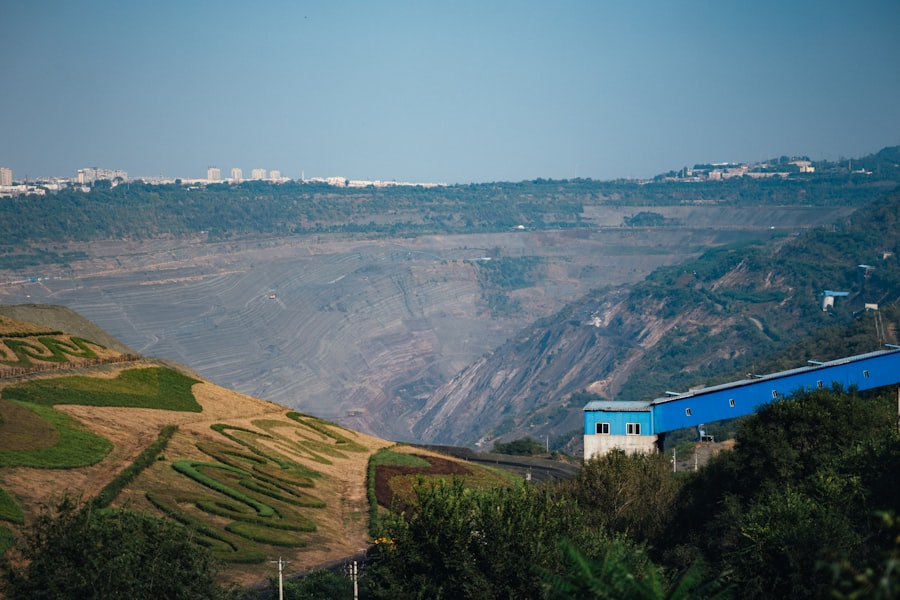
The allure of economic advancement through resource extraction is inextricably tied to the responsibility of safeguarding Greenland’s pristine environment. The Arctic ecosystem, already under immense pressure from global climate change, is particularly vulnerable to the impacts of industrial activities. The potential for pollution, habitat disruption, and the long-term consequences of resource exploitation weigh heavily on any discussion of Greenland’s future.
The Fragile Arctic Ecosystem
Greenland’s natural environment is characterized by permafrost, unique flora and fauna, and a delicate balance that has evolved over millennia. The impacts of mining, including potential spills, dust generation, and the alteration of watercourses, could have irreversible consequences for this fragile ecosystem. Protecting marine life, migratory routes, and the overall health of the Arctic environment must be paramount.
The Shadow of Climate Change
The very act of extracting and consuming fossil fuels, a significant target for Greenlandic resource development, contributes to global climate change. Ironically, rising global temperatures are also making previously inaccessible Arctic regions more amenable to exploration and extraction. This creates a complex ethical dilemma: profiting from resources that exacerbate the problem the region is already experiencing so acutely. The melting of glaciers, driven by climate change, also poses risks to the stability of mining infrastructure and can alter local hydrology.
Sustainable Practices and Technological Innovation
Mitigating environmental impacts requires a commitment to the highest standards of environmental protection and the adoption of cutting-edge technologies. This includes implementing robust tailings management systems, minimizing water usage, controlling emissions, and developing innovative solutions for waste disposal. The concept of a “circular economy,” where waste is minimized and resources are reused, could offer a pathway to more sustainable extraction models.
The Societal Equation: Indigenous Rights and Local Benefits

The question of who benefits from Greenland’s resource wealth is as critical as the technical and environmental considerations. As an autonomous territory within the Kingdom of Denmark, Greenland has a Home Rule government that champions the aspirations of its people, including the indigenous Inuit population. Ensuring that resource extraction genuinely benefits Greenlandic society, respects indigenous rights, and fosters sustainable development is a fundamental challenge.
Empowering the Inuit Population
The Inuit have inhabited Greenland for millennia, possessing deep cultural ties and traditional knowledge of the land and sea. Resource development must be undertaken with their full consultation and participation. Their rights, livelihoods, and cultural heritage must be respected and protected, not sidelined in the pursuit of economic gain. This includes ensuring fair compensation and the prioritization of opportunities for local communities.
Local Employment and Economic Diversification
The aim of resource extraction should not be simply to export raw materials and revenue. It should also be about creating sustainable, long-term employment opportunities for Greenlanders, not just in the extractive industries themselves but also in supporting sectors. Developing local processing capabilities, investing in education and vocational training, and fostering related industries can help diversify the economy and build lasting capacity.
Revenue Management and Public Investment
The revenue generated from resource extraction presents a significant opportunity for Greenland to invest in its future. This could include investments in education, healthcare, infrastructure, renewable energy, and research and development. Transparent and responsible revenue management is crucial to ensure that these funds are used effectively for the long-term benefit of all Greenlandic citizens, rather than being squandered or disproportionately benefiting a select few.
Greenland’s resource extraction has become a topic of significant interest, particularly as the Arctic region faces increasing geopolitical attention. The potential for mining and oil exploration in this pristine environment raises questions about environmental sustainability and indigenous rights. For a deeper understanding of the complexities surrounding this issue, you can read a related article that explores the implications of these developments in detail. Check it out here to gain insights into the challenges and opportunities that lie ahead for Greenland.
The Global Geopolitical Chessboard: International Interests and Governance
| Resource | Estimated Reserves | Annual Production | Extraction Methods | Environmental Impact |
|---|---|---|---|---|
| Rare Earth Elements | Over 1 million tons | Not yet commercial scale | Open-pit mining | Potential habitat disruption, water contamination |
| Iron Ore | Several hundred million tons | Limited pilot projects | Surface mining | Landscape alteration, dust emissions |
| Gold | Unknown but significant deposits | Small scale mining | Hard rock mining | Water pollution, tailings management issues |
| Uranium | Estimated tens of thousands of tons | No active mining | Exploration stage | Radioactive waste concerns |
| Oil and Gas | Potential offshore reserves | No commercial extraction | Exploration and drilling | Risk of spills, ecosystem disturbance |
Greenland’s burgeoning resource potential places it at the intersection of international interests and geopolitical considerations. As the world increasingly seeks new sources of critical minerals and energy, and as Arctic sea routes become more accessible due to melting ice, Greenland’s strategic importance grows. Navigating these external pressures while asserting its own sovereignty and interests is a delicate diplomatic dance.
Attracting Foreign Investment
The significant capital required for large-scale resource extraction necessitates attracting foreign investment. This involves navigating complex international investment frameworks, ensuring fair and transparent contract negotiations, and safeguarding Greenland’s sovereign rights. Balancing the need for foreign expertise and capital with the desire to maintain control over national resources is a continuous challenge.
Geopolitical Significance in the Arctic
The Arctic is becoming an increasingly active geopolitical theater. The opening of new shipping routes, the potential for increased military presence, and the competition for resources all contribute to this dynamic. Greenland’s resource wealth, coupled with its strategic location, makes it a focal point for nations with Arctic interests. Maintaining stability and ensuring peaceful development requires careful diplomatic engagement and a commitment to international cooperation.
Governance and Regulatory Frameworks
Establishing robust and effective governance and regulatory frameworks is paramount to ensuring responsible resource development. This includes clear environmental regulations, transparent licensing processes, and effective oversight mechanisms to prevent corruption and ensure adherence to international best practices. A strong and independent regulatory body, capable of enforcing environmental and social standards, is essential.
In conclusion, Greenland’s resource extraction is a complex tapestry woven with threads of immense opportunity and significant challenges. The promise of economic prosperity and self-sufficiency dances with the imperative of environmental protection and the preservation of cultural heritage. The decisions made today, regarding how to unlock and manage these subterranean riches, will shape the future of this unique Arctic nation for generations to come. It is a journey that requires foresight, resilience, and a steadfast commitment to balancing the demands of progress with the enduring values of stewardship and self-determination. The stakes are high, and the path ahead demands a thoughtful and integrated approach to ensure that the bounty of the Arctic serves not only to enrich but also to sustain the land and its people.
FAQs
What types of natural resources are found in Greenland?
Greenland is rich in various natural resources, including minerals such as zinc, lead, iron ore, gold, and rare earth elements. It also has significant deposits of oil and natural gas, as well as abundant freshwater resources.
Why is resource extraction in Greenland becoming more feasible?
Climate change has led to the melting of ice sheets in Greenland, making previously inaccessible mineral and fossil fuel deposits easier to explore and potentially extract. Improved technology and increased global demand for resources also contribute to the feasibility of extraction.
What are the environmental concerns associated with resource extraction in Greenland?
Resource extraction in Greenland poses risks such as habitat disruption, pollution, and increased greenhouse gas emissions. The fragile Arctic ecosystem is particularly vulnerable to disturbances, and there are concerns about the long-term impacts on wildlife and local communities.
How does resource extraction impact Greenland’s economy and society?
Resource extraction has the potential to boost Greenland’s economy by creating jobs, increasing government revenues, and reducing dependence on Danish subsidies. However, it also raises social concerns, including the effects on indigenous communities, cultural preservation, and equitable distribution of benefits.
What regulations govern resource extraction activities in Greenland?
Greenland has its own government and regulatory framework that oversees resource extraction, including environmental assessments and licensing procedures. Additionally, international agreements and cooperation with Denmark influence policies to ensure sustainable and responsible development.