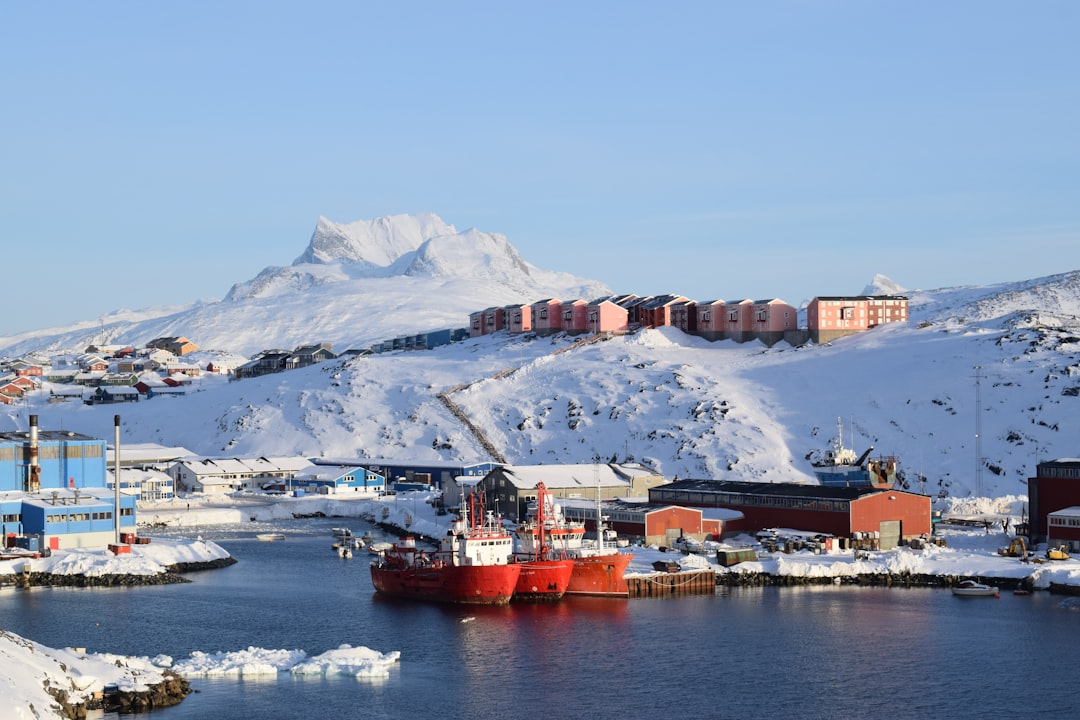
The vast, seemingly serene expanse of Greenland’s ice sheet conceals a history far more complex and unsettling than its frozen facade suggests. Beneath layers of ice, in a region once thought to be a pristine wilderness, lies evidence of a clandestine and ambitious undertaking: a secret nuclear project, a testament to Cold War anxieties and the drive for technological supremacy. This forgotten chapter in Greenland’s past, Project Iceworm, was a bold, if ultimately failed, attempt to construct a network of underground missile bases, a chilling ambition that would have irrevocably altered the Arctic landscape and the geopolitical balance of the era.
The Genesis of an Arctic Ambition
The genesis of Project Iceworm can be traced back to the heightened tensions of the Cold War. In the late 1950s, the United States, acutely aware of the Soviet Union’s growing nuclear arsenal and missile capabilities, sought to establish a strategic advantage. The vast, sparsely populated territory of Greenland, strategically positioned between the Soviet Union and North America, presented an ideal, albeit challenging, location for deploying intercontinental ballistic missiles (ICBMs) capable of striking Soviet targets with unprecedented speed. The frozen north, with its remote nature, was perceived as a deterrent against potential Soviet reconnaissance and attack, offering a degree of security for these high-value assets.
Shifting Strategic Imperatives
The early days of the Cold War were characterized by a constant arms race, with both superpowers striving to outmaneuver the other. The development of ICBMs was a significant leap in this race, offering the ability to deliver nuclear payloads across vast distances. However, deploying these missiles required secure and stable launch sites. The American military, looking for locations that minimized the risk of a preemptive strike and maximized retaliatory capabilities, turned their gaze northward. Greenland, with its immense ice sheet, offered a unique, albeit temporary, solution. The idea was to leverage the natural insulation and concealment provided by the ice, creating a covert missile base that would be both difficult to detect and resilient to attack.
The Promise of Ice as a Shield
The concept of a missile base buried beneath the ice was audacious. It appealed to the imagination, promising a technologically advanced solution to a pressing strategic problem. The immense thickness of the Greenland ice sheet was seen as a natural fortress, capable of shielding sensitive missile silos from detection and attack. Engineers envisioned a vast network of tunnels and launch sites carved directly into the ice, creating a subterranean world of nuclear readiness. This was not just about missile deployment; it was about creating a perceived invincibility, a testament to American ingenuity and its determination to maintain nuclear parity.
Recent discoveries have sparked intrigue regarding a secret nuclear project believed to be hidden beneath the ice of Greenland. This project, shrouded in mystery, raises questions about the extent of military operations in remote areas and their implications for global security. For a deeper exploration of related themes, including the historical context of elite corruption and its ties to clandestine operations, you can read more in the article titled “The Ancient Evidence of Elite Corruption” available at this link.
Project Iceworm: The Technical Marvel and its Challenges
The name Project Iceworm, or more formally, Camp Century, conjures images of a stark, utilitarian military installation. However, the reality of its conception and construction was a testament to considerable engineering ambition, pushing the boundaries of what was thought possible in such an extreme environment. The goal was to create a self-sufficient base, capable of housing hundreds of personnel and housing a significant number of nuclear-capable missiles, all carved out of and sustained within the unforgiving Arctic ice.
The Design and Construction of Camp Century
Camp Century was conceived as a self-contained city beneath the ice. The core of the operation was a network of tunnels, approximately 100 feet below the surface, carved out using a combination of specialized drilling and excavation techniques. These tunnels, covered by a protective layer of snow and ice, were designed to house barracks, laboratories, a power plant, a mess hall, and crucially, the missile launch facilities. The intention was to create a modular, expanding base, with prefabricated sections lowered into excavated trenches and then covered by the ice. This innovative approach aimed to minimize surface disruption and maximize the natural insulation of the ice.
The construction itself was a monumental undertaking. Specialized equipment, including a giant tracked bulldozer and a tunnel boring machine, were employed to excavate the icy corridors. The sheer volume of ice to be moved was immense, and the work had to be conducted in harsh Arctic conditions, with temperatures plummeting well below freezing and limited daylight hours during much of the year. The constant threat of ice movement and glacial creep also posed significant engineering challenges, requiring constant monitoring and adjustment of the structures.
The “Atomic Plow” and its Limitations
A key piece of technology envisioned for Project Iceworm was the “Atomic Plow.” This was a colossal, nuclear-powered drilling machine designed to carve out the vast network of tunnels and silos with unprecedented speed. The concept was to use the heat generated by the nuclear reactor to melt and excavate the ice, creating a more efficient and rapid construction process. However, the Atomic Plow, while a fascinating technological concept, proved to be far more complex and problematic than initially anticipated.
The development of such a powerful and potentially dangerous piece of machinery for deployment in a remote and sensitive environment raised significant safety concerns. The challenges of containing and controlling a nuclear reactor in a subterranean ice base were immense. Ultimately, the Atomic Plow never materialized in its intended form, and construction relied more on conventional, albeit specialized, excavation methods. This shift in strategy, while necessary, slowed down the project and highlighted the inherent difficulties of the endeavor.
The Missiles Themselves: Honest John and Davy Crockett
The military hardware envisioned for Project Iceworm was equally formidable. The base was intended to house a significant number of Honest John rockets, a surface-to-surface rocket used by the U.S. Army, and the Davy Crockett, a recoilless rifle designed for tactical nuclear warfare. These weapons, while smaller than ICBMs, were still potent instruments of war, capable of delivering nuclear payloads. The idea was to have these weapons ready for immediate deployment, providing a forward-deployed nuclear deterrent.
The placement of these weapons within the ice also presented unique logistical and safety considerations. Ensuring the stability of the launch sites, protecting the warheads from the extreme cold, and maintaining operational readiness in such a challenging environment were all critical factors that required meticulous planning and execution. The very idea of a nuclear arsenal buried beneath the ice speaks to the chilling pragmatism and the high stakes of the Cold War.
The Unexpected Threat: Glacial Creep and Environmental Concerns
The very element that made Project Iceworm so appealing – the ice – ultimately became its undoing. The seemingly static nature of the Greenland ice sheet is, in reality, a dynamic and ever-moving entity. The slow but relentless creep of the ice exerted an immense pressure on the subterranean structures, threatening to crush and destabilize the base. Furthermore, the environmental implications of a large-scale nuclear project buried in such a pristine and ecologically sensitive region were increasingly becoming a concern.
The Ice Moves: A Constant Battle Against Nature
The engineers of Project Iceworm understood that the ice sheet was not static, but they likely underestimated the forces at play. The constant pressure exerted by the moving ice meant that the tunnels and silos required continuous maintenance and adjustment. Walls would buckle, and ceilings would sag, necessitating regular excavation and reinforcement. This ongoing battle against the natural forces of the glacier proved to be an unsustainable drain on resources and manpower.
The phenomenon of glacial creep meant that the carefully constructed missile sites were constantly shifting. What was once a stable launch platform could become misaligned within months, rendering it useless or even dangerous. The very foundation of the project, the ice itself, was an active and unpredictable participant, constantly undermining the integrity of the man-made structures. This fundamental flaw in the premise of a permanent structure within a dynamic glacier proved to be a critical vulnerability.
The Unseen Contamination Risk
Beyond the structural challenges, the potential for environmental contamination was a growing concern. The possibility of nuclear material leaking into the ice and subsequently into the Arctic ecosystem was a terrifying prospect. While the military maintained that the structures were designed to be secure, the inherent risks associated with storing and deploying nuclear weapons in such a fragile environment could not be entirely dismissed. The long-term consequences of such a project, should containment fail, were a stark reminder of the potential dangers of the nuclear age.
The Arctic environment is particularly vulnerable to contamination. The slow rate of degradation in the cold climate means that pollutants can persist for extended periods, with far-reaching impacts on wildlife and human populations. The idea of a buried nuclear hazard in this remote and sensitive region raised serious ethical and environmental questions, even amidst the heightened security concerns of the Cold War.
The Project’s Demise and the Ghost of Camp Century
The inherent challenges of constructing and maintaining a permanent facility within a moving glacier, coupled with shifting strategic priorities, ultimately led to the demise of Project Iceworm. The immense cost, the logistical nightmares, and the growing environmental concerns coalesced to render the project unsustainable. By the mid-1960s, the ambitious dream of an ice-bound nuclear fortress was quietly abandoned, leaving behind a forgotten testament to Cold War hubris.
Strategic Realignments and Shifting Priorities
The Cold War was a dynamic and ever-evolving conflict. As technology advanced and new threats emerged, strategic priorities would shift. The initial rationale for Project Iceworm, driven by the perceived need for forward-deployed missile sites, began to wane as other, more mobile and less environmentally sensitive deployment methods for nuclear weapons became available. The development of submarine-launched ballistic missiles (SLBMs) and more advanced ICBMs offered greater flexibility and survivability, diminishing the perceived value of a fixed, albeit hidden, base in Greenland.
The immense financial and human resources poured into Project Iceworm also became a point of contention. As the project encountered increasingly insurmountable obstacles, questions were raised about its cost-effectiveness and its continued strategic relevance. The allure of an impenetrable Arctic base began to fade in the face of its practical limitations and the emergence of alternative strategic solutions.
The Unfulfilled Promise and Abandonment
By 1966, the decision was made to officially abandon Project Iceworm. The vast network of tunnels and the nascent missile facilities were left to the mercy of the encroaching ice. The prefabricated structures, designed for a harsh environment, were no match for the relentless forces of nature. Over time, the ice sheet would continue to move, grinding and crushing the remnants of the ambitious project.
The abandonment of Project Iceworm was a quiet affair, with little public fanfare. The secrecy that had surrounded its inception continued to shroud its demise. The military officially declared the project a success in terms of scientific research conducted, but the core objective of a functioning missile base was never realized. The legacy of Project Iceworm became one of a grand vision ultimately defeated by the unforgiving realities of the Arctic environment.
Recent discoveries have shed light on the intriguing possibility of a secret nuclear project hidden beneath the ice of Greenland, raising questions about Cold War-era activities and their implications for modern geopolitics. This revelation has drawn comparisons to other historical mysteries, such as the enigmatic construction techniques used at Baalbek, where massive stones were transported and assembled with remarkable precision. For more insights into ancient engineering marvels, you can read about the massive stones of Baalbek in this fascinating article here.
The Lingering Legacy: A Warning from the Ice
Though Project Iceworm was officially dismantled, its physical remains lie buried beneath the Greenland ice sheet, a silent and potentially hazardous legacy. The abandoned structures, containing waste materials, including the nuclear reactor’s coolant and potentially even residual radioactive elements, pose an ongoing environmental risk. As the ice continues to melt due to climate change, these buried secrets may eventually be exposed, raising new concerns for the Arctic environment and the global community.
The Environmental Time Bomb
The most significant lingering concern is the potential for environmental contamination. The abandoned Camp Century site contains a substantial amount of waste material, including diesel fuel, sewage, and potentially even low-level radioactive waste from the reactor. While the intention was to remove all hazardous materials upon closure, the complex and hazardous nature of the site made complete removal impossible. The slow but steady melting of the Greenland ice sheet, exacerbated by global warming, poses a significant threat of releasing these buried pollutants into the surrounding environment.
The potential for these contaminants to enter the Arctic ecosystem, with its unique and fragile food webs, is a serious concern. The long-term effects of such contamination on wildlife and human populations that depend on the Arctic environment are unknown but potentially devastating. The ghost of Project Iceworm serves as a stark reminder of the unintended consequences of ambitious technological endeavors, especially when undertaken in sensitive and remote environments.
The Modern Echoes of a Cold War Project
The story of Project Iceworm is not merely a historical footnote; it carries modern echoes and serves as a cautionary tale. It highlights the inherent dangers of weaponizing the environment and the long-term responsibilities associated with such actions. As climate change continues to reshape the Arctic, the buried remnants of past military projects, not just Project Iceworm, may resurface, presenting new challenges for environmental remediation and international cooperation.
The continuous monitoring of the Camp Century site and other similar abandoned Cold War installations in the Arctic is crucial. Understanding the rate of ice melt and the potential for contaminant release requires ongoing scientific research and international collaboration. The legacy of Project Iceworm reminds us that the pursuit of technological dominance, when divorced from careful consideration of environmental consequences and long-term sustainability, can leave behind a hazardous and enduring legacy. The ice, once envisioned as a shield, now holds within it a chilling reminder of human ambition and its potential for unintended, and lasting, impact.
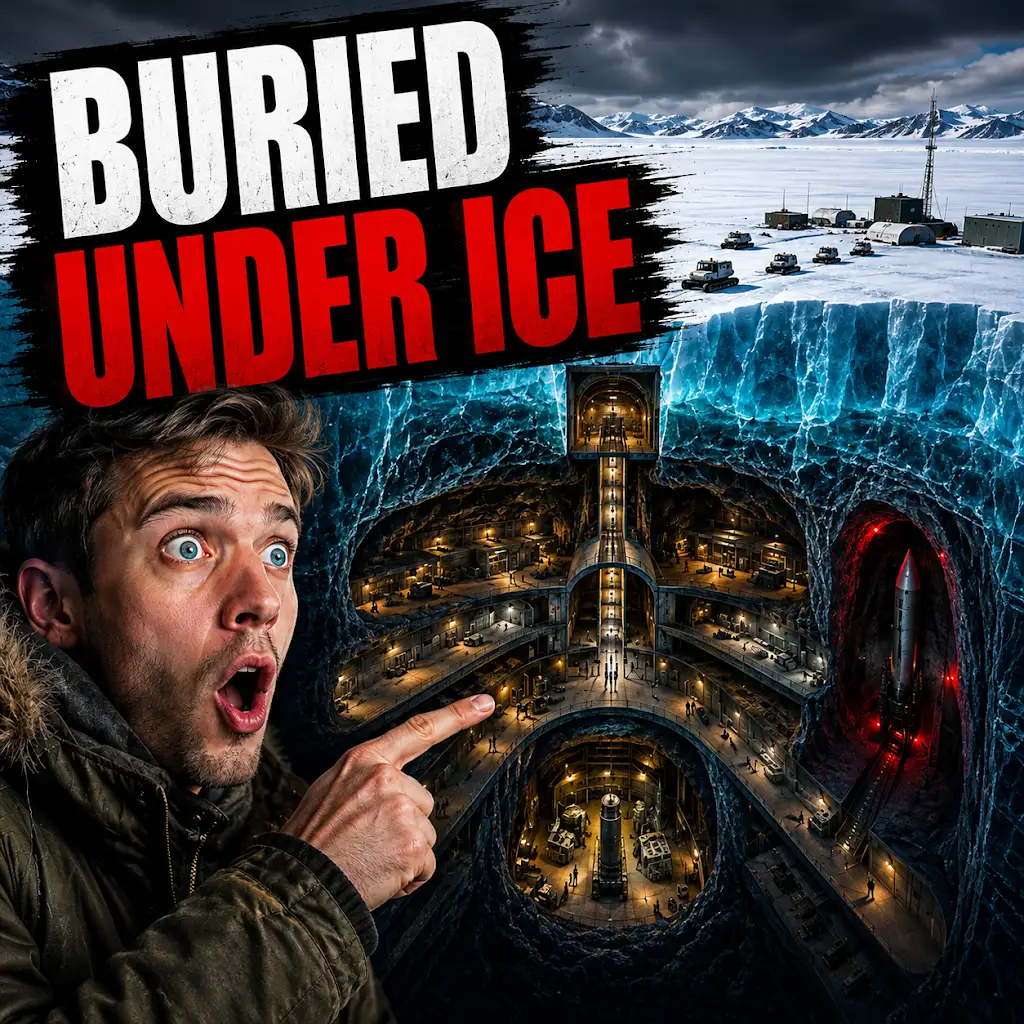
The U.S. Built a Nuclear City Under Greenland. The Ice Won.
FAQs
What is the secret nuclear project beneath Greenland ice?
The secret nuclear project beneath Greenland ice refers to a Cold War-era initiative by the United States to build a network of underground nuclear missile launch sites in Greenland. The project, known as “Project Iceworm,” aimed to deploy medium-range missiles capable of reaching the Soviet Union.
When did the secret nuclear project take place?
Project Iceworm was initiated in 1959 and continued until 1963. During this time, the United States Army Corps of Engineers worked to construct a network of tunnels and launch sites beneath the Greenland ice sheet.
Why was the project kept secret?
The project was kept secret due to political and diplomatic considerations. The United States did not inform the Danish government, which had jurisdiction over Greenland, about the true nature and scope of the project. This secrecy was maintained to avoid potential opposition from the Danish government and public.
What happened to the secret nuclear project beneath Greenland ice?
Project Iceworm was ultimately abandoned in 1963 due to technical and logistical challenges posed by the extreme conditions beneath the Greenland ice sheet. The project’s infrastructure was left in place, and the site was eventually abandoned, leading to concerns about potential environmental and safety hazards.
What are the implications of the secret nuclear project today?
The remnants of Project Iceworm continue to pose environmental and safety concerns. The presence of abandoned nuclear waste and infrastructure beneath the Greenland ice sheet raises questions about potential contamination and the long-term impact on the surrounding environment. Additionally, the project serves as a historical reminder of Cold War-era military initiatives and the complex geopolitical dynamics of the time.