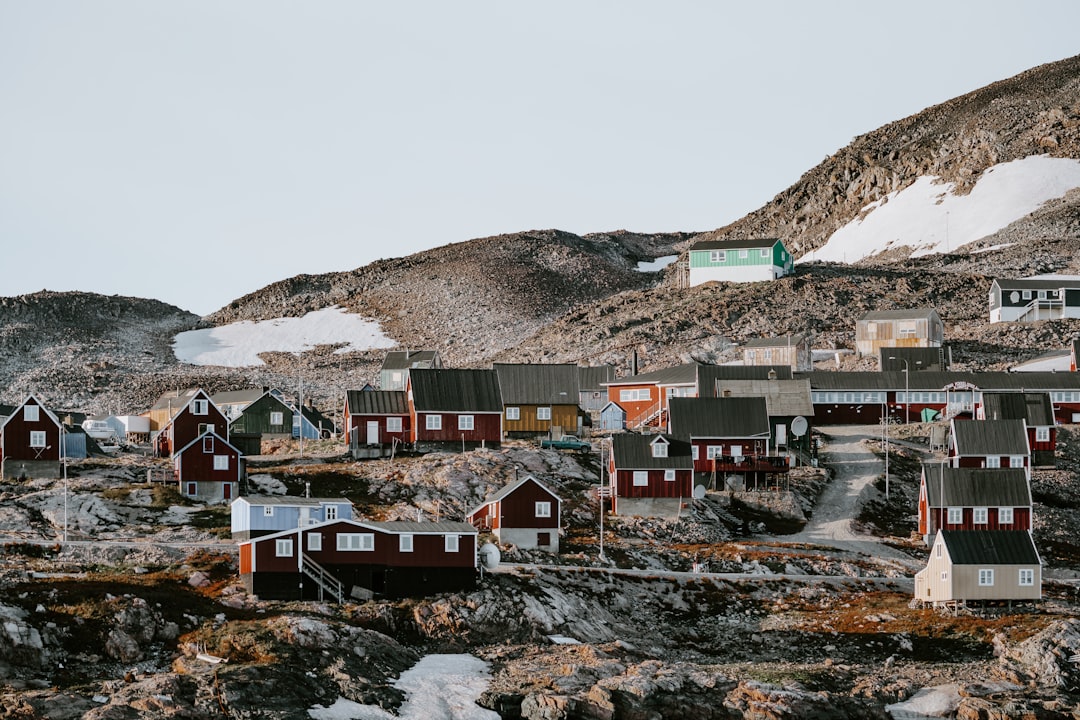
Greenland’s social conflicts are not a sudden eruption, but rather a slow, persistent erosion of consensus, carved by geological shifts in both its environment and its global standing. To understand the roots of these tensions, one must delve beneath the glittering veneer of ice and the romanticized imagery of an untamed frontier, into the intricate tapestry of a society grappling with identity, progress, and its very future. This is a land where ancient traditions brush against the modern world, and where the whispers of colonial history echo in the clamor for self-determination.
For centuries, Greenland existed outside the direct gaze of the global community, a vast, sparsely populated island charting its own course. However, this perception of independence is a mirage. The Danish colonial period, spanning over 300 years, left an indelible mark on Greenlandic society, shaping its institutions, economy, and cultural landscape. The legacy of this era is not a relic of the past but a living entity, a quiet hum beneath the surface of everyday life, influencing the dynamics of power and the aspirations of its people.
The Imposition of Danish Language and Culture
During the colonial era, Danish was systematically promoted as the language of administration, education, and commerce. While this facilitated interaction with the colonizing power, it simultaneously marginalized and suppressed the Greenlandic language, Kalaallisut. This linguistic hegemony created a divide, where fluency in Danish often translated to access and opportunity, while proficiency in Kalaallisut became a marker of heritage rather than a prerequisite for advancement. The aftermath of this policy means that many Greenlanders, particularly older generations, experienced a forced assimilation, a subtle but powerful unraveling of their linguistic and cultural fabric. The revival of Kalaallisut in the late 20th century was a necessary reclamation, a bold step to mend a fractured linguistic identity, but the scars of the past remain, manifesting in discussions about language priorities and the balance between tradition and global engagement.
Economic Dependence and Resource Control
The colonial administration organized Greenland’s economy to serve Danish interests, focusing on resource extraction and fisheries. This established a pattern of economic dependence, where Greenland’s primary goods were exported to Denmark or processed for its benefit. The control over key economic sectors, from hunting grounds to mineral deposits, subtly shifted from Greenlandic hands to those of Danish authorities. This historical control over resources has fueled contemporary debates about ownership and exploitation. As Greenland seeks to diversify its economy and harness its wealth, the questions of who truly benefits from these resources – the indigenous population or external investors – become particularly sharp. The desire for economic self-sufficiency is a powerful undercurrent, a longing to break free from the economic currents set by a distant hand.
In recent years, social conflicts in Greenland have garnered significant attention, particularly concerning issues of sovereignty, resource management, and indigenous rights. For a deeper understanding of these complexities, you can explore the article titled “Navigating the Tensions: Social Conflicts in Greenland” available at this link. This article delves into the historical context and current challenges faced by the Greenlandic population, shedding light on the intricate dynamics at play in this unique Arctic region.
Internal Social Stratification
Greenland’s society is not a monolithic entity, but rather a complex mosaic of differing perspectives, priorities, and experiences. While a strong sense of national identity binds many, internal divisions exist, often exacerbated by geographical isolation and uneven development. These stratifications can become flashpoints, revealing fault lines within the community.
The Urban-Rural Divide
The population of Greenland is concentrated in a few urban centers, primarily Nuuk, the capital. These areas often boast better infrastructure, more employment opportunities, and greater access to services. In stark contrast, many smaller settlements and villages face significant challenges, including limited job prospects, inadequate housing, and a struggle to retain their youth. This geographical disparity breeds a sense of neglect in rural areas, fueling resentments and a feeling that their voices are not heard by the decision-makers in the capital. The urban centers, like beacons on the coast, cast long shadows, and the communities living in those shadows often feel a disconnect.
Generational Gaps and Differing Aspirations
Generational differences play a significant role in shaping social conflicts. Younger Greenlanders, often educated abroad or with greater exposure to global trends, may hold aspirations that differ from those of older generations who are more rooted in traditional livelihoods and practices. The younger generation might be more eager to embrace rapid development, international investment, and a faster pace of change, while older generations may prioritize the preservation of cultural heritage and a more cautious approach to modernization. This divergence is not necessarily a conflict of values but a difference in emphasis, a tension between the desire for progress and the need to safeguard identity. It is like watching two generations read the same map, but one yearns for the uncharted territories, while the other cherishes the familiar paths.
The Role of Traditional Livelihoods vs. Modernization
The traditional livelihoods of hunting and fishing are deeply interwoven with Greenlandic identity and culture. However, the economic realities of the modern world, coupled with climate change impacts on wildlife and fish stocks, are making these traditional pursuits increasingly challenging. This creates a dilemma for many communities: cling to ancestral ways of life, which are becoming precarious, or adapt to new economic models that may not align with their cultural heritage. This tension is a constant negotiation between the past and the future, a struggle to find a sustainable path that honors tradition without sacrificing economic viability. The ice, that ancient guardian of tradition, is indeed melting, and with it, some of the predictable rhythms of life.
The Politics of Self-Determination and Independence
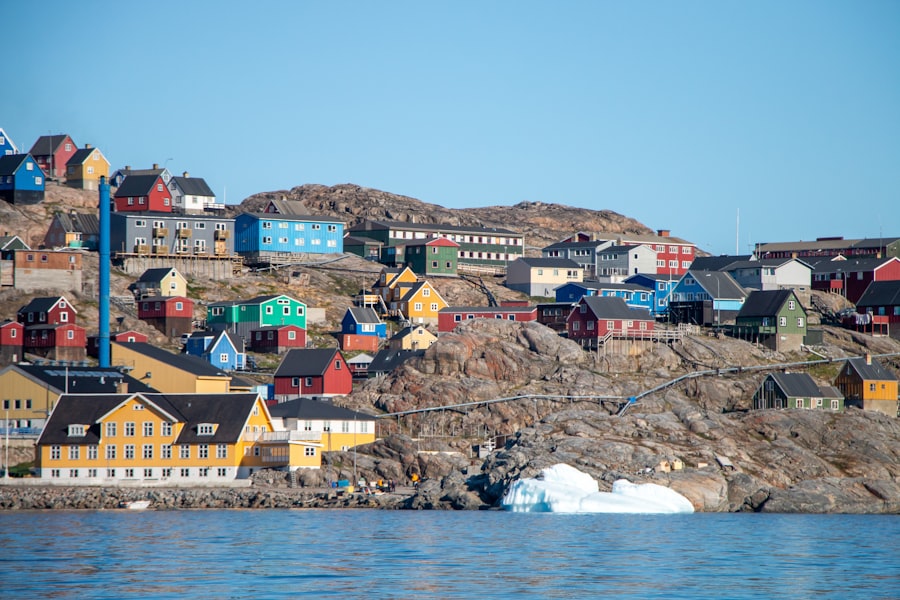
The desire for greater autonomy, and ultimately full independence from Denmark, is a driving force behind many of Greenland’s contemporary political and social discussions. This aspiration, while uniting many, also presents complex challenges and potential points of friction both internally and externally.
The Debate Over Full Independence
While there is broad consensus on the need for continued self-governance, the question of when and how to achieve full independence from Denmark remains a subject of intense debate. Some advocate for a swift transition, believing that Greenland is ready to stand on its own two feet and chart its own destiny. Others express caution, highlighting the economic implications, the need for robust institutions, and the potential challenges of navigating the global stage as a fully sovereign nation. This is not a quest for a new flag, but a meticulous planning process for a new journey, and the travelers have different opinions on the itinerary and the expected arrival time.
The Economic Viability of an Independent Greenland
A crucial element in the independence debate is the economic viability of a self-governing Greenland. While the island possesses significant natural resources, including rare earth minerals and potential for renewable energy, developing these into a stable and diversified economy presents a formidable task. Concerns about financial self-sufficiency, managing resource revenues, and attracting foreign investment are central to the discussion. The dream of independence is inextricably linked to the reality of economic capability, and the island community is engaged in a critical assessment of its own financial bedrock.
The Future of the Greenland-Denmark Relationship
Regardless of the eventual path towards independence, the future of the relationship between Greenland and Denmark will remain a significant factor. Denmark provides substantial financial subsidies to Greenland, and the nature of this support, as well as other areas of cooperation, will need to be renegotiated in any scenario of increased autonomy or full independence. This is a relationship that has evolved over centuries, from a master-colony dynamic to one of mutual respect and cooperation, and its future iteration is a key piece of the Greenlandic puzzle.
The Impact of Climate Change: A Crucible of Conflict
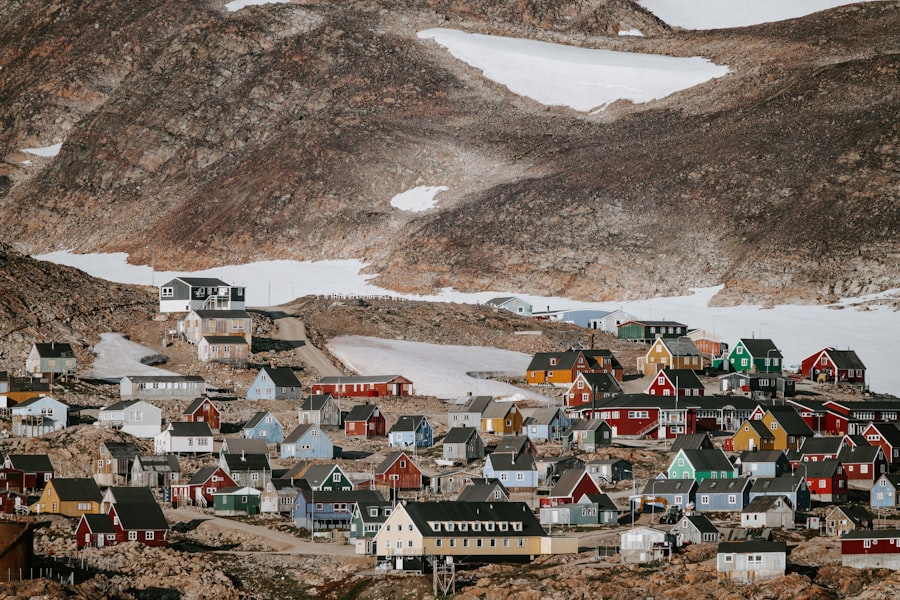
Greenland’s unique geographical position makes it acutely vulnerable to the impacts of climate change. The melting of its ice sheet is not just an environmental concern but a significant driver of social and economic change, creating new opportunities alongside profound challenges that can act as catalysts for conflict.
Opening of New Shipping Routes and Resource Exploration
The receding ice is opening up previously inaccessible shipping routes and making exploration for offshore oil and gas, as well as mineral deposits, more feasible. This presents a potential economic windfall for Greenland, but it also raises concerns about environmental damage, increased industrial activity in pristine areas, and who will ultimately control and benefit from these newly accessible resources. The melting ice, once a barrier, is now a gateway, and the inhabitants are debating who holds the keys.
Disruption of Traditional Lifestyles and Food Security
The warming climate is directly impacting the traditional livelihoods that have sustained Greenlandic communities for generations. Changes in sea ice thickness affect hunting practices for seals and whales, and shifts in fish migration patterns can disrupt established fishing grounds. This directly impacts food security and cultural practices, forcing communities to adapt in ways that are not always easy or desirable. The very rhythm of the seasons, a clock that has guided generations, is becoming erratic, and the consequences for subsistence are profound.
Increased International Interest and Geopolitical Implications
As climate change alters the Arctic landscape, Greenland is attracting increased international interest from countries seeking to exploit new resources and establish strategic positions. This influx of external actors and the potential for geopolitical maneuvering can create tensions within Greenland, as different factions may align with different international interests, and can also raise concerns about external interference in domestic affairs. The melting ice is not just revealing new passages, but also new players on the global stage, and Greenland finds itself at a crossroads of international attention.
In recent years, social conflicts in Greenland have become increasingly prominent, reflecting the complex interplay of cultural identity, economic interests, and environmental concerns. A related article explores these dynamics in depth, shedding light on how the local population navigates the challenges posed by globalization and climate change. For more insights into these pressing issues, you can read the article here: Greenland’s Social Conflicts. This examination reveals the resilience of the Greenlandic people as they strive to maintain their heritage while adapting to a rapidly changing world.
The Quest for Social Justice and Inclusivity
| Year | Type of Conflict | Location | Number of Participants | Cause | Outcome |
|---|---|---|---|---|---|
| 2018 | Protest | Nuuk | 200 | Environmental concerns over mining projects | Government paused mining permits for review |
| 2019 | Labor Strike | Ilulissat | 150 | Wage disputes in fishing industry | Negotiations led to wage increase |
| 2020 | Community Dispute | Qaqortoq | 50 | Land use conflicts between indigenous groups and developers | Community consultation process initiated |
| 2021 | Protest | Nuuk | 300 | Opposition to foreign investment in natural resources | Policy review on foreign investments |
| 2022 | Social Unrest | Sisimiut | 100 | Housing shortages and rising living costs | Government announced housing development plans |
Underlying many of Greenland’s social conflicts is a persistent desire for social justice and greater inclusivity. Addressing historical inequities and ensuring that all members of society have a voice and opportunity is a continuous process.
Reclaiming Cultural Heritage and Identity
The ongoing effort to reclaim and celebrate Greenlandic culture, language, and history is a vital aspect of social justice. This involves challenging the remnants of colonial narratives, promoting indigenous knowledge systems, and ensuring that cultural preservation is integrated into national development plans. It is a journey of self-discovery and affirmation, a powerful assertion of who Greenlanders are and what they value.
Addressing Social Inequality and Health Disparities
Despite advancements, Greenland continues to grapple with issues of social inequality, including disparities in income, education, and health outcomes. Addressing these challenges requires targeted policies and investments to ensure that all Greenlanders have access to the resources and opportunities they need to thrive. The goal is to create a society where the starting line is as equitable as possible, regardless of one’s place of origin or background.
The Importance of Youth Engagement and Empowerment
Empowering the younger generation and ensuring their active participation in decision-making processes is crucial for the future of Greenland. Investing in youth education, providing opportunities for civic engagement, and listening to their perspectives on the challenges and opportunities facing their society are essential steps towards building a more inclusive and sustainable future. The energy and innovation of youth are vital resources, and their voices are the architects of tomorrow.
In conclusion, the social conflicts in Greenland are a testament to the dynamic and evolving nature of this remarkable nation. They are not simple disagreements but multifaceted challenges arising from a complex history, a rapidly changing environment, and a profound quest for self-determination. To truly grasp Greenland’s reality, one must look beyond the surface, acknowledging the deep currents of its internal struggles and the courageous endeavors of its people to forge a future that is both prosperous and true to its unique identity. The ice may be melting, but the spirit of resilience and the desire for a just and equitable society are as enduring as the mountains themselves.
FAQs
What are the main causes of social conflicts in Greenland?
Social conflicts in Greenland often stem from issues such as economic inequality, unemployment, cultural preservation, and disputes over natural resource management. Additionally, the impacts of climate change and debates over autonomy and self-governance contribute to tensions within communities.
How does Greenland’s political status influence social conflicts?
Greenland is an autonomous territory within the Kingdom of Denmark, and its political status plays a significant role in social conflicts. Discussions about increased independence, control over natural resources, and the balance of power between local and Danish authorities can lead to disagreements among different groups.
What role does economic development play in Greenland’s social conflicts?
Economic development is a central factor in social conflicts, as efforts to exploit natural resources like minerals and oil can create divisions between those who support industrial growth and those who prioritize environmental protection and traditional ways of life. Unequal distribution of economic benefits also fuels social tensions.
How are indigenous rights connected to social conflicts in Greenland?
Indigenous rights are closely linked to social conflicts, as Greenland’s Inuit population seeks to preserve their culture, language, and land rights. Conflicts may arise over land use, resource extraction, and cultural recognition, highlighting the need to balance modernization with respect for indigenous traditions.
What measures are being taken to address social conflicts in Greenland?
Efforts to address social conflicts in Greenland include government initiatives to promote economic diversification, social welfare programs, and dialogue between stakeholders. International cooperation and policies aimed at sustainable development and cultural preservation also play important roles in mitigating tensions.