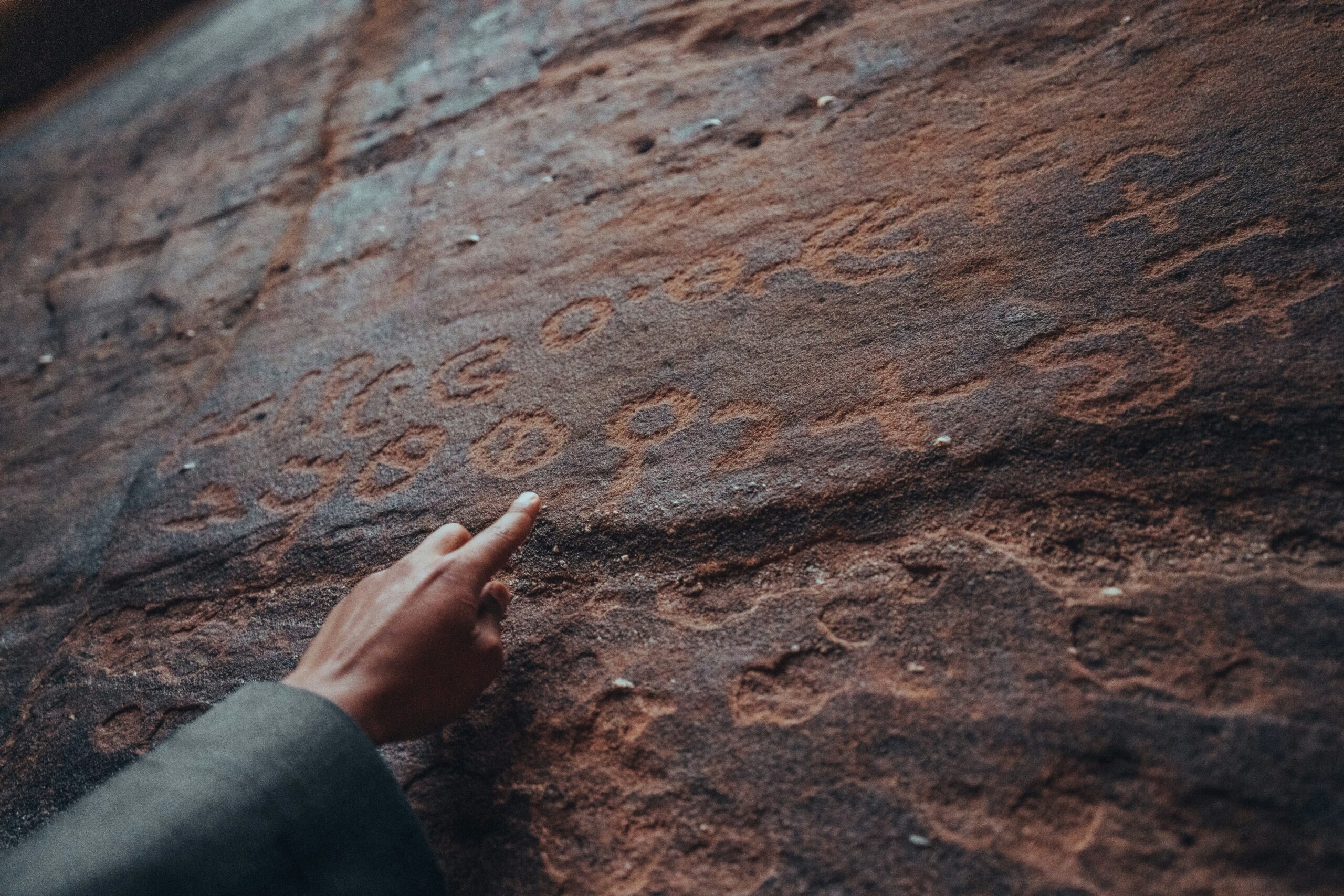
The whisper of ochre and charcoal, etched into the stone skin of our planet, serves as a profound testament to humanity’s earliest stirrings. These ancient rock art sites, scattered across continents and spanning millennia, are not mere decorative curiosities. They are the visual archives of our ancestors, offering unparalleled glimpses into their lives, beliefs, and the very genesis of civilization. To decipher these silent narratives is to embark on an intellectual expedition, unlocking secrets that have remained veiled for thousands of years. This article delves into the multifaceted ways in which rock art guides us, acting as an indispensable key to understanding the dawn of human society.
Echoes in Stone: The Ubiquitous Language of Prehistoric Art
The sheer prevalence of rock art worldwide underscores its fundamental importance to early human cultures. From the sun-baked canyons of the American Southwest to the cave systems of France and Spain, and the vast open rock faces of Australia and Africa, these markings populate diverse landscapes. Their persistence through the ravages of time speaks to a deep-seated human drive to communicate, record, and imbue meaning into their surroundings.
Diverse Forms, Shared Intentions
Rock art manifests in a remarkable array of forms, each holding specific cultural significance. Petroglyphs, created by incising, abrading, or pecking into rock surfaces, and pictographs, painted onto rock faces, are the most commonly recognized. However, the artistry extends to engravings, geoglyphs (large designs on the ground), and even cupules (cup-shaped depressions). Despite these variations in technique and medium, a unifying thread runs through their potential purposes: storytelling, ritualistic expression, astronomical observation, and territorial marking. The challenge and reward lie in recognizing the shared human impulses that drove these diverse artistic expressions.
Global Distribution and Regional Variations
The global distribution of rock art is not random; it often correlates with areas of significant early human habitation and cultural development. Examining these distributions reveals patterns that can inform our understanding of migration, trade routes, and cultural diffusion. For instance, similar stylistic elements found in geographically distant rock art sites might suggest ancient connections or shared belief systems. Conversely, distinct regional styles highlight the independent development of cultural identities and artistic traditions. The Sahara Desert, for example, boasts an incredible wealth of rock art depicting abundant fauna from wetter periods, alongside human figures and abstract symbols, offering a unique window into past environmental conditions and societal structures. In Australia, the vast network of Indigenous rock art sites provides an unbroken cultural record stretching back tens of thousands of years, revealing complex cosmologies and intricate social laws.
Exploring the significance of ancient rock art can lead to fascinating insights about early human life and their interactions with the environment. A related article that delves into the geological aspects of our planet, which can provide context for understanding the landscapes that ancient artists inhabited, is available at this link: Geological Evidence of Subglacial Antarctica. This article discusses the hidden geological features beneath the ice, which may have influenced the migration and settlement patterns of early civilizations, thereby enriching our comprehension of ancient rock art.
Deciphering the Pictorial Lexicon: What the Art Tells Us
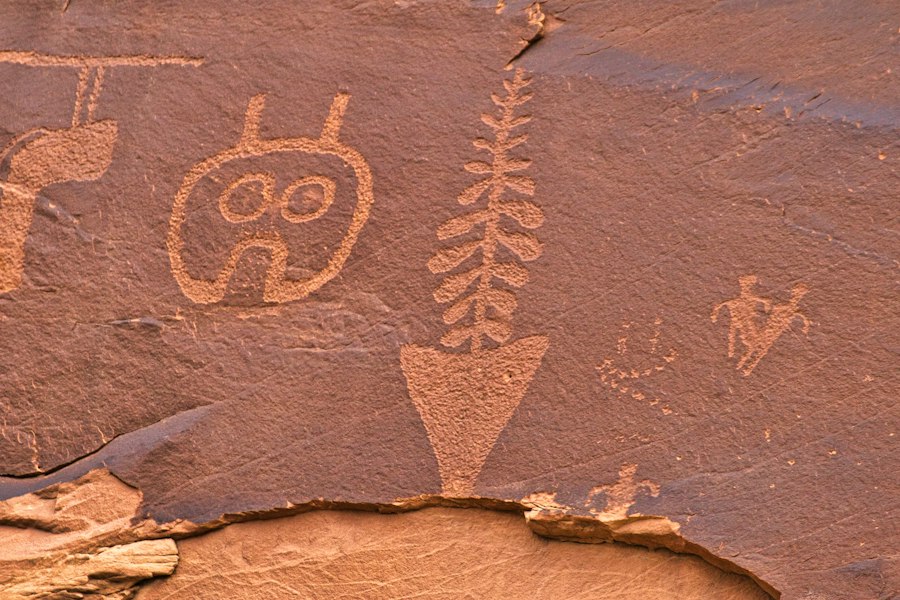
The images and symbols adorning rock faces are far more than random doodles; they represent a sophisticated visual language that, once deciphered, reveals intimate details about early human life. This “pictorial lexicon” allows archaeologists and anthropologists to reconstruct aspects of their daily routines, spiritual lives, and social organization.
Narratives of Daily Life and Subsistence
Many rock art panels depict scenes that offer direct insights into the subsistence strategies of early peoples. Hunting scenes are particularly common, showcasing the animals that were prey, the tools used to hunt them, and the collaborative efforts involved. These depictions can inform us about the dominant fauna of specific eras, the efficacy of prehistoric hunting technologies, and the importance of these animals to human survival. Beyond hunting, some art illustrates gathering practices, plant utilization, and even early forms of agriculture. These representations are crucial for understanding the transition from nomadic lifestyles to more settled, agrarian societies. For example, rock art from the Fertile Crescent might depict early cereal crops, offering tangible evidence of the agricultural revolution.
Spiritual Beliefs and Ritual Practices
A significant portion of rock art is believed to be linked to spiritual beliefs and ritual practices. Anthropomorphic figures, often depicted with animal features or exaggerated characteristics, are thought to represent deities, spirits, or shamans undergoing transformative experiences. Abstract symbols, geometric patterns, and recurring motifs are often interpreted as representations of cosmological concepts, spirit worlds, or the unseen forces that governed their lives. Ritualistic contexts are suggested by depictions of ceremonies, dances, and gatherings. The famous “Sorcerer” of Les Trois Frères cave in France, a enigmatic masked figure, is often interpreted as a shamanistic representation, hinting at the central role of spiritual leaders and their connection to the animal kingdom. The Great Gallery in Clear Creek Canyon, Utah, with its array of large, striking anthropomorphic figures, is thought to have held significant ceremonial importance for the Fremont people.
Social Structures and Kinship
While more challenging to interpret, rock art can also offer clues about the social structures and kinship systems of early civilizations. Group depictions can reveal social hierarchies, the organization of communities, and the importance of collective activities. Representations of family units, childbirth, and gender roles can provide insights into societal organization and kinship ties. The presence of distinct markers or symbols associated with certain figures might indicate lineage, status, or specific roles within a community. Examining the spatial arrangement of figures within a rock art panel can also be telling, suggesting patterns of interaction and social dynamics. For instance, the repetition of certain motifs within a specific clan territory might signify territorial claims or ancestral connections.
Astronomical Clues and Environmental Records
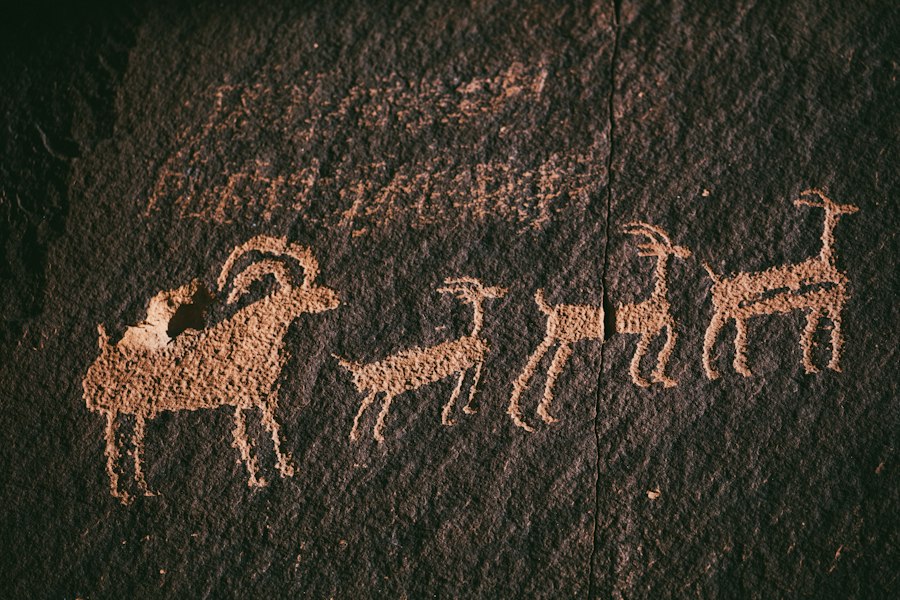
Beyond the immediate human experience, rock art serves as an ancient astronomical observatory and an invaluable environmental record, offering insights into how early humans perceived and interacted with the cosmos and their changing world.
Mapping the Heavens: Celestial Observations in Stone
Many rock art sites exhibit patterns and motifs that strongly suggest a sophisticated understanding of celestial phenomena. Depictions of the sun, moon, stars, and constellations have been identified in rock art across the globe. These can include precise representations of star patterns, lunar cycles, and solar alignments. Sites have been found that appear to function as prehistoric observatories, with specific rock art elements aligning with solstices, equinoxes, or the rising and setting of particular celestial bodies. The Bighorn Medicine Wheel in Wyoming, a large stone circle with radiating lines, is a prime example of an ancient astronomical calendar. The analysis of such sites allows researchers to reconstruct ancient astronomical knowledge and its integration into cultural practices and belief systems. The “star map” discovered in the Lascaux caves, with its arrangement of dots that mirrors the Pleiades star cluster, is a powerful testament to this connection.
Witnessing a Changing Planet: Paleoclimatic and Paleontological Insights
Rock art provides a unique, human-centric perspective on past environmental conditions. Depictions of now-extinct animals, or animals found in environments different from those of the present day, offer direct evidence of past climates and ecosystems. For example, rock art from the Sahara Desert depicting large mammals like elephants and giraffes suggests a much greener and wetter past for the region, contradicting its current arid state. Similarly, art found in regions where certain species no longer thrive can indicate past migrations and environmental shifts. This visual evidence complements and corroborates findings from geological and paleontological studies, providing a more holistic understanding of Earth’s environmental history. The Chauvet Cave in France, with its remarkably preserved paintings of extinct megafauna, offers a vivid snapshot of the Pleistocene ecosystem.
Methodologies and Challenges in Interpretation
Unlocking the secrets held within rock art is a complex endeavor, requiring a multidisciplinary approach and a keen awareness of the inherent challenges in interpreting the distant past.
The Archaeologist’s Toolkit: Dating, Analysis, and Context
Archaeologists employ a range of sophisticated techniques to study rock art. Radiocarbon dating, when applicable to organic materials used in pigments, provides absolute chronologies. Stylistic analysis, comparing motifs, techniques, and compositions, helps to establish relative chronologies and identify cultural connections. Photogrammetry and 3D scanning are increasingly used to create detailed digital records of sites, allowing for in-depth analysis and preservation. Crucially, contextual analysis is paramount. Understanding the geological setting, associated archaeological finds (tools, pottery, human remains), and the broader cultural landscape surrounding a rock art site is essential for meaningful interpretation. The discovery of a rock art site within a burial ground, for instance, would heavily influence its interpretation.
Bridging the Temporal and Cultural Divide: Overcoming Interpretation Gaps
The primary challenge in interpreting rock art lies in the vast temporal and cultural chasm separating us from its creators. We lack the direct linguistic and cultural understanding that would allow for a straightforward translation of these images. Anthropomorphic figures could represent deities, ancestral spirits, or simply individuals in ceremonial dress. Abstract symbols might hold cosmological significance, or they could be mnemonic devices for storytelling. The interpretation often relies on ethnographic analogies – comparing rock art with the practices and beliefs of contemporary or historically documented indigenous cultures. However, these analogies must be used with caution, recognizing that cultures evolve and that direct parallels are not always valid. The risk of projecting modern biases and assumptions onto ancient art is a constant concern.
The Ethical Considerations of Preservation and Access
The preservation of rock art is a critical ethical imperative. These sites are fragile and susceptible to damage from natural forces, environmental pollution, and human activity. Conservation efforts are essential, often involving protective measures, controlled access, and ongoing monitoring. Furthermore, there is a growing recognition of the importance of involving descendant communities in the interpretation and management of rock art sites. Indigenous communities often hold deep ancestral connections to these places, and their knowledge and perspectives are invaluable for a more complete and respectful understanding of the art. Balancing the need for scientific study with the imperative of preservation and the rights of descendant communities is an ongoing ethical challenge.
Exploring the significance of ancient rock art can provide fascinating insights into the lives of early civilizations and their connection to the environment. A related article discusses how the wealthy navigate asset management during economic downturns, shedding light on the importance of preserving cultural heritage in times of crisis. For more information, you can read about this topic in the article here. Understanding these connections can enhance our appreciation of both history and modern financial strategies.
The Enduring Legacy of Rock Art and Future Directions
| Metric | Description | Value | Unit |
|---|---|---|---|
| Age of Rock Art | Estimated time since creation | 10,000 – 40,000 | Years |
| Number of Sites | Documented locations worldwide | Over 1000 | Sites |
| Common Themes | Frequent motifs found in rock art | Animals, Human Figures, Symbols | Categories |
| Preservation Status | Condition of rock art sites | Varies from Excellent to Poor | Qualitative |
| Guidance Usage | How ancient rock art guides modern understanding | Cultural Insights, Navigation, Rituals | Applications |
The study of rock art continues to evolve, promising new discoveries and deeper understandings of early human civilizations. Its enduring legacy lies not only in the knowledge it provides but also in its profound connection to our shared human heritage.
Illuminating the Human Story: Contributions to Archaeology and Anthropology
Rock art has fundamentally shaped our understanding of early human societies. It provides tangible evidence of cognitive abilities, symbolic thought, and complex social behaviors that predate written records. It has challenged previous assumptions about the sophistication of prehistoric peoples and has opened new avenues of research into their artistic, spiritual, and intellectual lives. The ongoing discovery and analysis of new rock art sites continue to push the boundaries of our knowledge, revealing previously unknown cultures and traditions. Each new interpretation adds another layer to the intricate tapestry of human history, demonstrating the ingenuity and creativity of our earliest ancestors.
Technological Advancements and Emerging Research Frontiers
The future of rock art research is being significantly shaped by technological advancements. High-resolution imaging, drone surveys, and advanced pigment analysis are allowing for unprecedented levels of detail and accuracy in documentation and study. The application of artificial intelligence and machine learning is showing promise in identifying patterns and motifs within vast datasets of rock art imagery, potentially revealing connections that human analysis might miss. Furthermore, interdisciplinary collaborations between archaeologists, anthropologists, art historians, geologists, and even computer scientists are opening new frontiers, leading to more comprehensive and nuanced interpretations. The focus is increasingly shifting towards understanding the dynamic relationship between the art, its creators, and their environment.
A Universal Heritage: Connecting with Our Primal Roots
Ultimately, rock art offers us a profound connection to our primal roots. These etchings in stone are a reminder that we are part of a long continuum of human experience, sharing fundamental needs, emotions, and aspirations with those who came before us. They speak of a time when humanity was intimately connected to the natural world and the cosmos, a connection that modern society often struggles to reclaim. By continuing to decipher the messages left on these ancient canvases, we not only unlock the secrets of early civilizations but also gain a deeper understanding of ourselves and our place within the grand narrative of human existence. The silent stories etched in stone continue to speak, inviting us to listen and to learn.

Why Were Giant Camels Carved Above the Desert?
FAQs
What is ancient rock art?
Ancient rock art refers to prehistoric drawings, paintings, and carvings found on rocks and cave walls created by early human civilizations.
Where can ancient rock art be found?
Ancient rock art can be found all over the world, with notable sites in countries such as Australia, France, Spain, the United States, and South Africa.
What is the significance of ancient rock art?
Ancient rock art provides valuable insights into the beliefs, lifestyles, and artistic expressions of ancient cultures, helping researchers and historians understand the past.
How do researchers interpret ancient rock art?
Researchers interpret ancient rock art by studying the symbols, motifs, and techniques used in the artwork, as well as considering the cultural context and possible meanings behind the images.
How can visitors view ancient rock art sites?
Visitors can view ancient rock art sites by visiting designated archaeological parks, museums, or guided tours led by experts who can provide historical and cultural context to enhance the experience.